

Mental Health Rehabilitation
Treatment for trauma

Treatment for trauma
Trauma is described as the psychological and physiological impact of experiencing, or being exposed to, events that feel overwhelming, frightening, threatening, or deeply distressing.
While many people navigate difficult or stressful situations all the time in life, trauma occurs when an experience exceeds an individual’s ability to cope or process it at the time.
Trauma is best described as an emotional wound or injury, and the impacts are not always immediate or obvious.
Some individuals may notice the effects of an experience shortly after it happens, while others may function for long periods before difficulties begin to emerge.
Trauma can influence how an individual thinks, feels, relates to others, and experiences their sense of safety in the world, leading to a range of emotional, behavioural, and relational challenges when left unresolved.
Trauma treatment in Ibiza

At Ibiza Calm, we support adults living with the effects of trauma, whether the experiences are linked to a single event or more prolonged experiences that persist over time.
Our residential treatment programme in northern Ibiza offers personalised, full-time care in a calm, private setting, allowing individuals to stabilise, process experiences safely, and rebuild a sense of balance and control.
What is trauma?
Trauma is not defined solely by an event, but by how the mind and body respond to it.
Or as trauma and addiction expert Gabor Maté aptly describes it:
Trauma is not what happens to you; it’s what happens inside you as a result of what happens to you.
Each person processes stressful or traumatic experiences differently, in their own unique way.
For instance, what one person deems traumatic or overwhelming may not affect another in the same manner.
Various factors may influence how individuals perceive stressful events.
These can include prior experiences of feeling overwhelmed or frightened, the absence of a stable support system, and individual resilience, all of which play a vital role.
Signs and symptoms of trauma
Trauma can affect individuals in different ways, and various factors can influence how a person processes these experiences.
However, some of the most common symptoms include:
If these symptoms persist or intensify, professional support may be required to help you process these experiences safely and with the support of a trained clinician.
Trauma and the nervous system
As mentioned earlier, trauma is just as much a physiological experience as it is an emotional one.
For example, trauma can significantly impact the nervous system, causing it to become stuck in a state of hypervigilance (fight-or-flight) or shutdown (freeze).
This may result in ongoing feelings of threat or anxiety, even when a person is no longer in danger.
Trauma can also cause intense feelings of sadness, depression or emotional numbness where the individual feels disconnected from themselves and others.
Over time, these responses can become chronic and may impact emotional regulation, memory, physical health, and relationships.
Types of trauma
There are different types of trauma, which can depend on various factors such as the type of experiences you endured, your history, genetics, and the presence of other mental health conditions.
But typically, trauma is often understood in three broad categories:
At Ibiza Calm, our approach is rooted in trauma-informed, client-centred care. Treatment is always paced to your comfort level, ensuring you feel safe, respected, and empowered throughout your recovery journey.
How trauma develops and affects the body
When faced with a threat or crisis, the body activates a survival response, often described as fight-or-flight, freeze, or fawn.
These responses are designed to protect the individual during the event and can be incredibly helpful, allowing them to escape any threats in their environment.
In traumatic situations, particularly those that are overwhelming or inescapable, the nervous system may struggle to return to a state of balance or baseline regulation.
As a result, individuals may continue to experience symptoms such as hypervigilance, anxiety, emotional numbing, or physical tension long after the event has passed.
Trauma can also affect memory processing.
Frightening or overwhelming experiences may be stored in a fragmented or sensory way, leading to a range of symptoms, such as intrusive thoughts, flashbacks, or strong emotional reactions to reminders of the event.
This is because, in dangerous or life-threatening situations, the nervous system prioritises safety over memory processing, which is why many individuals often experience the above symptoms after the threat has passed.
Essentially, memories and emotions become “stuck” in the body and nervous system and often require professional help and support to help release the negative charge associated with these experiences.
Trauma-related conditions
Trauma can be associated with a broad range of recognised mental health conditions. These include:
Post-traumatic stress disorder (PTSD): A condition involving symptoms such as intrusive memories, avoidance, negative changes in mood and thinking, and heightened arousal following a traumatic event.
Acute stress disorder (ASD): A short term condition that can occur in the immediate aftermath of trauma, typically within the first month. Symptoms may resemble PTSD but are more time-limited.
Adjustment disorder: A stress-related condition that develops in response to significant life changes or events. While not always linked to trauma in the strictest sense, it can involve emotional and behavioural symptoms that are difficult to manage.
Complex post-traumatic stress disorder (C-PTSD): Recognised in the ICD-11, C-PTSD includes core PTSD symptoms alongside additional challenges with emotional regulation, self-concept, and interpersonal relationships, often linked to prolonged or repeated trauma.
Attachment-related difficulties: Early experiences of neglect, inconsistency, or disrupted caregiving can affect attachment patterns. In adulthood, this may present as difficulty with trust, emotional closeness, or relationship stability.
A comprehensive clinical assessment is essential for understanding the specific nature of each individual’s symptoms and identifying the most suitable treatment approach, ensuring tailored care.
Coping mechanisms and adaptations
Those who have experienced trauma, particularly repeated or prolonged stress, often develop coping strategies to manage distress and maintain functioning.
Some of these may be helpful in the short term, but become less effective and even more harmful to the individuals’ health and well being over time.
Common coping mechanisms include:
→ Emotional avoidance, dismissal or suppression.
→ Overworking or feeling the need to be constantly busy.
→ Seeking control through strict routines or perfectionism.
→ Dissociation or feeling detached from thoughts, people, and surroundings.
→ Using substances like drugs or alcohol or compulsive behaviours to reduce distress or numb emotions.
These adaptations are understandable responses to an experience that feels deeply distressing or overwhelming.
Effective treatment approaches focus on developing safer, more sustainable ways to cope and regulate the nervous system. Hence, your past no longer dominates the present and your capacity to enjoy a fulfilling, balanced life.

























Why trauma can be difficult to face alone
Trauma can significantly impact a person’s sense of safety, trust, and connection, making it difficult to seek or accept support.
Many individuals minimise their experiences or avoid thinking about them altogether, particularly if symptoms have developed gradually or the experience was so distressing that they push it down and suppress the emotions attached to it.
Without appropriate support, trauma-related symptoms may persist or become more complex over time, contributing to anxiety, depression, relationship difficulties, or substance use.
Residential treatment may be particularly helpful when:
→ An individual’s symptoms of trauma are persistent or worsening.
→ Daily functioning is significantly affected or impaired.
→ There are co-occurring anxiety, depression, or addiction issues.
→ Avoidance or emotional distress limits an individual’s capacity to engage with therapy.
→ Previous attempts at treatment have not led to sustained improvement or symptom relief.
A structured, supportive treatment environment provides the foundation for safe, gradual therapeutic work without ongoing external pressures or expectations.
THE PATH TO RECOVERY STARTS WITH A SMALL FIRST STEP
Trauma recovery at Ibiza Calm
Trauma treatment at our centre in Ibiza begins with a comprehensive medical and psychological assessment that explores each individual’s history, symptoms, and current needs.
Each client receives an individualised treatment plan, typically involving a residential stay of several weeks. The focus is primarily on stabilisation, nervous system regulation, and carefully paced trauma processing.
Our approach includes:
→ Medical and psychiatric assessment and monitoring.
→ Trauma-informed individual therapy.
→ Emotional regulation and grounding techniques.
→ Support for co-occurring mental health or substance-related conditions.
→ 24/7 clinical oversight in a calm, private setting.
Core pillars of treatment
What’s included
A carefully composed programme of care and comfort
From the moment you arrive, you are met by our expert clinical team for a full physical and psychiatric evaluation. Together, we design a tailored programme of care to address both the immediate challenges and the deeper emotional or psychological issues underlying them.


Every element of your programme is designed around you —flexible, private, and adaptive to your individual needs.
Ask yourself…
Whether or not you consider yourself an addict or someone with mental health-related issues, if your behaviour has gotten out of control, Ibiza Calm can help.
Does someone I know need help?
Do I need help?
Is my life out of control?
Am I an addict?
Mental Health Rehabilitation
Life at Ibiza Calm
Ibiza Calm is set within a 13-hectare private estate in northern Ibiza, surrounded by Mediterranean landscape and natural tranquillity.
Daily life is structured yet gentle, supporting stability while allowing space for rest and reflection. The environment is designed to promote a sense of safety, which is pivotal in trauma recovery.
A typical day at our treatment centre in Ibiza may include:
- Individual therapy with one of our therapists or counsellors.
- Group sessions facilitated by our experienced clinicians.
- Meetings with clinical and medical staff.
- Structured activities such as yoga, breathwork or mindfulness.
- Nutritious meals prepared onsite.
- Time for rest and personal reflection.

Bepoke treatment

Newest techniques

Experienced team
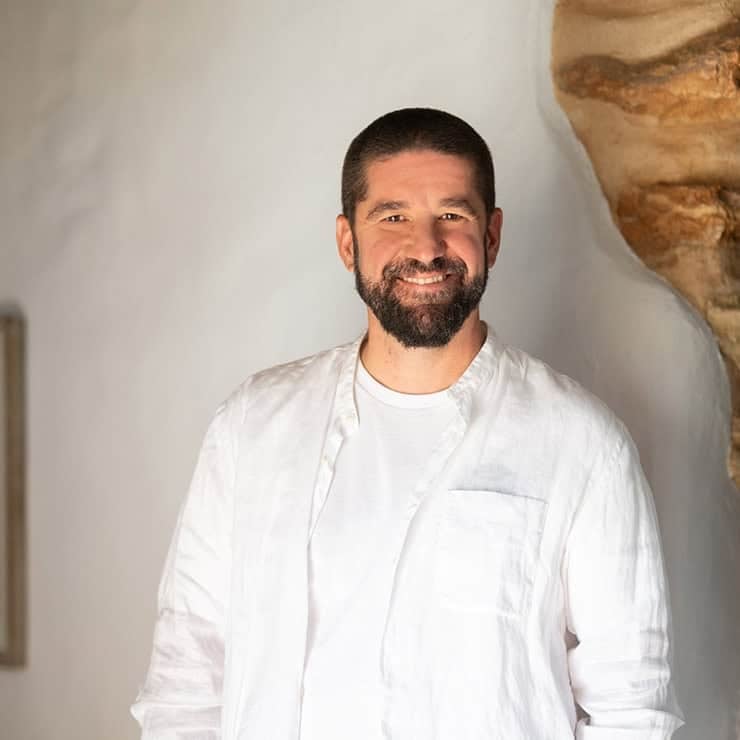
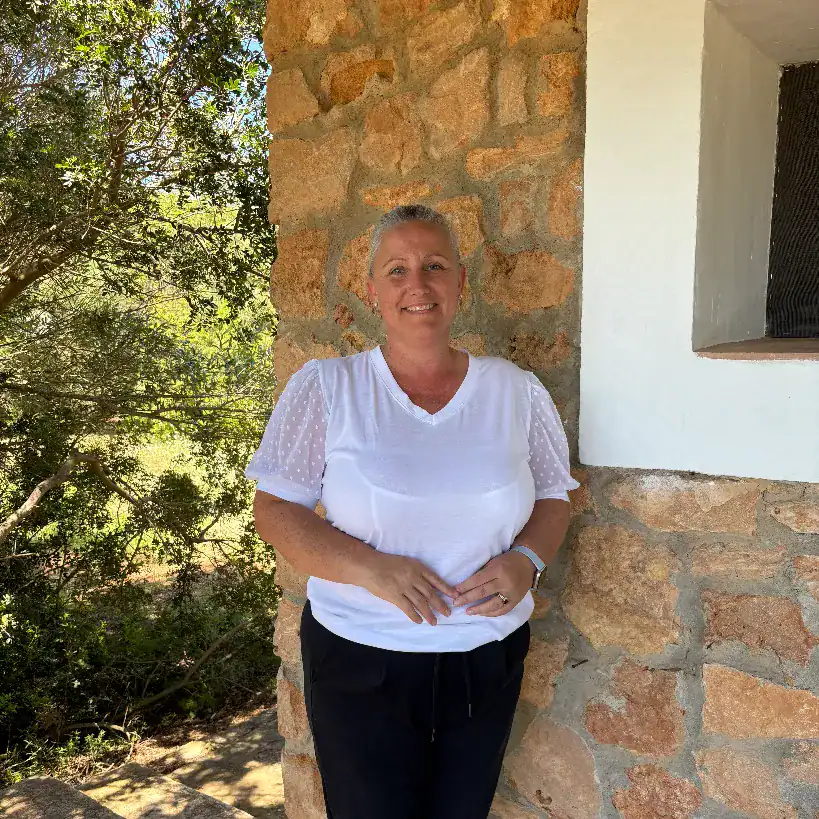
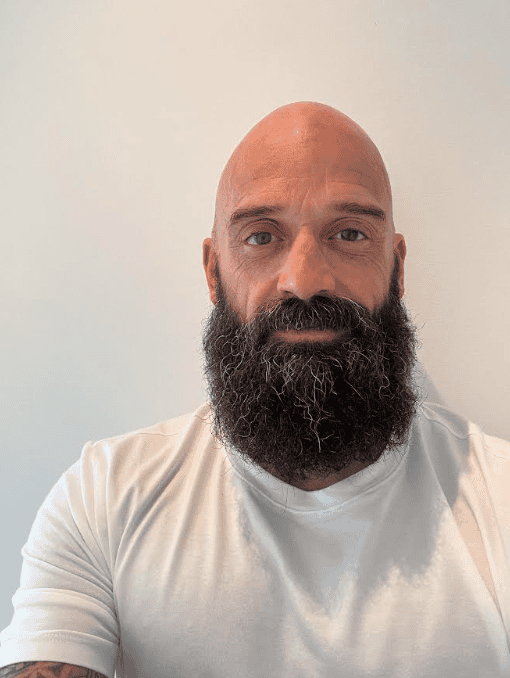
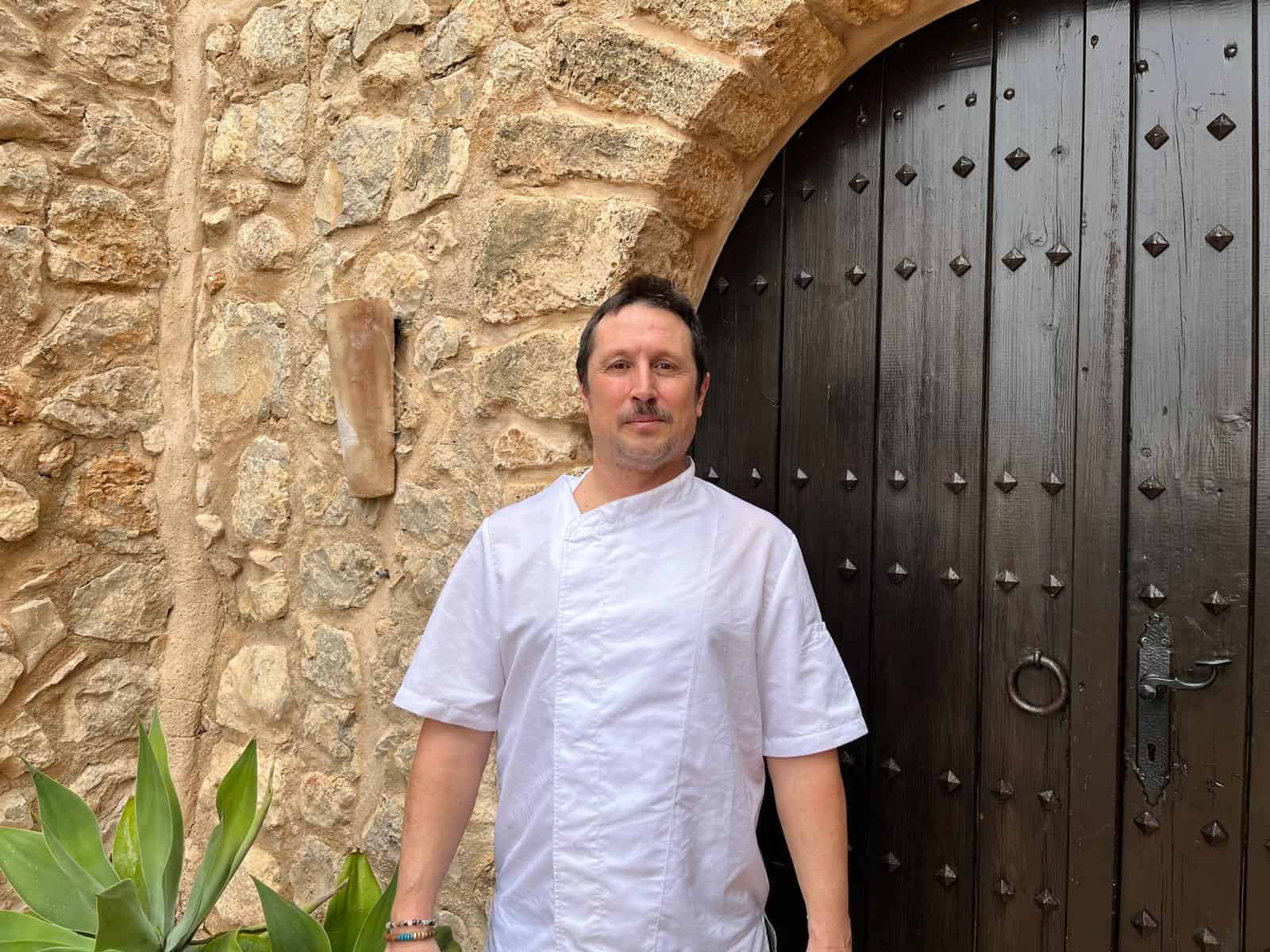
Our team and clinical approach
Your treatment programme is delivered by a multidisciplinary team of professionals, including:
→ Psychiatrists.
→ Clinical psychologists.
→ Mental health specialists.
→ Nurses and medical staff.
→ Experienced therapists.
We maintain low client numbers to ensure a high level of individual care and attention.























Frequently Asked Questions
What is the difference between trauma and stress?
Stress is a response to pressure and often resolves when the circumstances change. Trauma involves an overwhelming experience that continues to affect the nervous system and sense of safety and connection over time.
Does everyone who experiences trauma develop PTSD?
No. While some individuals develop PTSD, others may experience different trauma-related symptoms or recover with appropriate care and support.
What is complex PTSD?
Complex PTSD involves the core symptoms of PTSD alongside additional difficulties with emotional regulation, self-identity, and relationships, often following prolonged or repeated trauma.
Can trauma affect physical health?
Yes. Trauma can impact sleep, immune function, and overall physical well being, and can contribute to chronic tension or fatigue.
What are common coping mechanisms for trauma?
Coping strategies may include avoidance, emotional suppression, overworking, or substance use. While understandable, these may not be sustainable in the long term.
Can trauma be treated alongside addiction or other mental health conditions?
Yes. Trauma often co-occurs with anxiety, depression, and substance use, and these are addressed together within treatment.
Do I need residential trauma treatment?
Residential treatment may be beneficial when symptoms are complex or persistent, or when a safe, structured environment is needed for recovery.
How long does trauma treatment take?
The length of treatment varies. Many clients benefit from several weeks of residential care, followed by ongoing therapeutic support.
Is it necessary to talk about everything that has happened?
Treatment is gradual and carefully paced. The focus is on safety and stabilisation, and individuals are not required to disclose more than they feel ready to explore.
THE PATH TO RECOVERY STARTS WITH A SMALL FIRST STEP
Outcomes and aftercare
Recovery from trauma involves more than processing past experiences. It includes restoring a sense of safety, improving emotional regulation, and rebuilding healthier patterns of relating to oneself and others.
Each individual leaves treatment with a personalised aftercare plan to support continued progress and long term well being.
Testimonials
What our clients say
K

February 2026
C
February 2026
K
January 2026
J
December 2025
M
December 2025
J
December 2025
D
July 2025
C

July 2025
R
July 2025
S
June 2025
P
May 2025
J
May 2025
J
April 2025
D
April 2025
S
March 2025
D
March 2025


Take the next step
If the effects of trauma are impacting your daily life or functioning, help and support are available.
Contact our team in confidence to discuss treatment options or explore whether residential care at Ibiza Calm may be appropriate.
All conversations are private, supportive, and without obligation or pressure.