

Mental Health Rehabilitation
Treatment for ADHD

Treatment for ADHD
Attention-deficit hyperactivity disorder (ADHD) is a neurodevelopmental condition characterised by persistent patterns of inattention, impulsivity, and difficulties with executive functioning.
Whilst ADHD is often associated with childhood, the condition frequently persists into adulthood. It often remains undiagnosed for many years, which is why so many people receive ADHD diagnoses in later life.
At Ibiza Calm, we support adults who are experiencing the complex challenges of ADHD in their daily lives, including relationships, choices, behaviours and emotional well being.
Many individuals with ADHD describe persistent patterns where they find difficulty in areas requiring focus, organisation, or emotional regulation, often accompanied by stress, anxiety, or burnout.
In many cases, individuals only recognise these patterns in late adolescence or adulthood, often due to the added pressure and expectations of adult life, like parenting or work demands.
How we can help

At Ibiza Calm, we provide residential treatment for ADHD in northern Ibiza, offering comprehensive, personalised, full-time care in a calm, private setting.
With small client numbers and a multidisciplinary clinical team that understands the complex challenges faced by those with ADHD, we support individuals in better understanding their patterns, stabilising their well being, and developing practical strategies for long term functioning.
Contact our compassionate, professional team in confidence today.
What is ADHD?
ADHD is a condition that affects how the brain regulates attention, activity levels, and emotional impulses.
This neurodevelopmental condition can affect your relationships, choices, personality, preferences, and everything in between, colouring almost every aspect of your life.
ADHD is typically described in three presentations:
predominantly inattentive, predominantly hyperactive-impulsive, and combined type.
Research shows that ADHD has a strong genetic component, and it is estimated to affect approximately 2.5–4% of the adult population worldwide.
In addition to core symptoms, ADHD is frequently
associated with co-occurring mental health issues such as anxiety, depression, and substance use disorders like alcohol or drug addiction.
Many individuals with ADHD often attempt to mask or manage their symptoms through substance use. For instance, around 23% of people in addiction treatment also have an ADHD diagnosis.
Signs and symptoms of ADHD in adults
ADHD can present differently in each individual. However, common symptoms in adults often include:
If the above patterns are persistent and affect your daily functioning, a professional assessment may be helpful, allowing you to get the support you need to live a functional, balanced life
What ADHD can look like
Whilst ADHD is commonly identified in childhood, it does not always present in clear, obvious ways.
For example, many individuals develop specific coping strategies that help mask their symptoms, particularly in structured environments such as schools or early-career settings.
However, as responsibilities and expectations grow, these adaptive strategies may become less effective, and underlying challenges can become more apparent.
In adults, ADHD often presents less as visible hyperactivity and more as internal restlessness, distractibility, disorganisation, and difficulty sustaining attention or completing tasks.
Emotional regulation may also be affected, leading to frustration, sensitivity, agitation, or intense mood fluctuations.
ADHD in adolescence and adulthood
Although ADHD is frequently diagnosed in childhood, many individuals do not receive an official diagnosis until later in life.
This can be due to several factors, including less intense symptoms, high intelligence, or environments that are non-judgemental or allow space for personality differences and compensation.
Pressures and demands
For some, the transition into late adolescence or early adulthood brings increased academic, professional, or social expectations and demands that can be heavy or burdensome.
Without the same level of external structure, any difficulties that may have been masked or pushed down may become more apparent. This can include disorganisation, time management issues, or trouble focusing.
Adults with ADHD may experience ongoing challenges in maintaining routines, managing daily responsibilities, or sustaining attention, despite having the best intentions.
This can lead to profound frustration, reduced self-confidence, and a sense of underachievement, regardless of how capable or successful the individual is.
Late diagnosis and overlooked ADHD
It is increasingly recognised that ADHD can remain undiagnosed into midlife or beyond.
For example, individuals in their 40s, 50s, or later may seek an ADHD assessment after years of feeling that something isn’t quite right or that life often seems “difficult and unclear”.
Late diagnosis of ADHD often follows a period of increased stress, burnout, or a life transition like grief or separation, alongside career changes, relationship challenges, or the onset of parenting responsibilities.
In some cases, things often come into focus only after a child or family member is diagnosed with ADHD.
Receiving a diagnosis later in life can bring a sense of clarity and relief, helping individuals reframe long-standing patterns with greater understanding and self-compassion.
It can also support more targeted and effective treatment.
Hormonal changes and ADHD
There is growing clinical evidence that hormonal changes may influence ADHD symptoms, particularly in women. Fluctuations in oestrogen levels are understood to affect neurotransmitters involved in attention and emotional regulation.
During periods such as the menstrual cycle, perimenopause, and menopause, some women report an increase in difficulties with concentration, memory, mood, and organisation.
For many, these symptoms may be the catalyst that leads to the first recognition of underlying ADHD patterns that were previously manageable or even overlooked.
Whilst research in this area is still developing, it is widely acknowledged that hormonal shifts can interact with ADHD symptoms.
A comprehensive assessment from a trained professional can help distinguish between overlapping factors and guide appropriate support and care.

























Why is ADHD difficult to manage alone?
Many adults with ADHD have spent years adapting to the complex challenges this condition brings, often without fully understanding the underlying cause or why they experience the world the way they do.
This can lead to shame, blame, self-criticism or the belief that they are “not coping well enough”.
Without appropriate support, ADHD can lead to other emotional difficulties, including chronic stress, anxiety, low mood, or burnout.
Ongoing challenges with organisation and emotional regulation may also impact the person’s relationships, sense of self, and work performance.
Some individuals may turn to short term coping strategies such as overworking, avoidance, or substance abuse.
Whilst these may offer short term relief, they rarely address the underlying challenges and can, over time, reinforce unhelpful patterns and behaviours.
Residential treatment at a rehab centre may be particularly helpful when:
→ The person’s symptoms are significantly affecting their behaviours and daily functioning.
→ Anxiety, depression, or burnout is present.
→ Substance use or compulsive behaviours have developed to help the individual cope.
→ There is difficulty maintaining structure, balance or routine.
→ Previous attempts to manage symptoms have been ineffective or have provided only temporary relief.
A structured and supportive environment creates space for stabilisation, balance, understanding, and skill development without ongoing expectations or external pressures, which can worsen ADHD symptoms.
THE PATH TO RECOVERY STARTS WITH A SMALL FIRST STEP
Treatment for ADHD at Ibiza Calm
Effective treatment begins with a comprehensive psychiatric and psychological assessment, which includes a detailed history of attention, behaviour, and emotional patterns.
Each person receives an individualised treatment plan that may include a residential stay of several weeks, depending on their clinical needs and preferences.
The focus of treatment is on improving attention, emotional regulation, and executive functioning, whilst addressing any co-occurring conditions that may underlie ADHD, including trauma and burnout.
At our treatment centre in Ibiza, our approach includes:
→ A thorough medical and psychiatric assessment and monitoring.
→ Professional support and care with ADHD-informed therapeutic strategies.
→ Treatment for co-occurring anxiety, depression, trauma, or dependency.
→ 24/7 clinical oversight in a calm, structured setting.
Core pillars of treatment
What’s included
A carefully composed programme of care and comfort
From the moment you arrive, you are met by our expert clinical team for a full physical and psychiatric evaluation. Together, we design a tailored programme of care to address both the immediate challenges and the deeper emotional or psychological issues underlying them.


Every element of your programme is designed around you —flexible, private, and adaptive to your individual needs.
Ask yourself…
Whether or not you consider yourself an addict or someone with mental health-related issues, if your behaviour has gotten out of control, Ibiza Calm can help.
Does someone I know need help?
Do I need help?
Is my life out of control?
Am I an addict?
Mental Health Rehabilitation
Life at Ibiza Calm
Ibiza Calm is set within a 13-hectare private estate in northern Ibiza, surrounded by Mediterranean gardens and natural landscapes.
A typical day at our treatment centre in Ibiza tends to follow a structured but flexible rhythm, supporting consistency whilst considering individual needs.
This balance can be particularly beneficial for individuals with ADHD, who may find predictable routines and structures helpful.
Although each programme is highly personalised to your needs and goals, your treatment plan may include:
- Individual therapy.
- Group sessions.
- Meetings with our clinical and medical staff.
- Structured activities such as yoga or mindfulness.
- Nutritious meals prepared onsite.
- Time for rest and personal reflection.

Bepoke treatment

Newest techniques

Experienced team
Our team and clinical approach
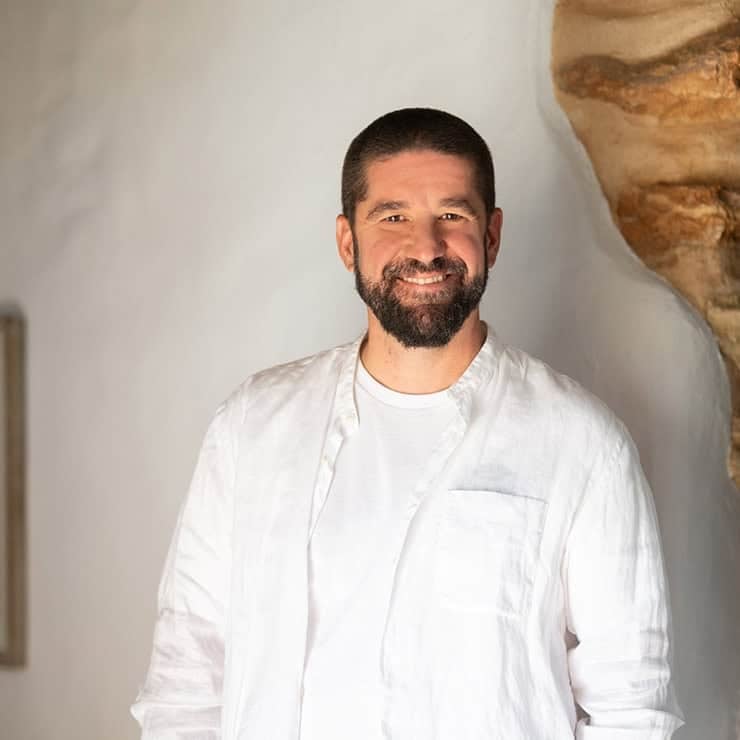
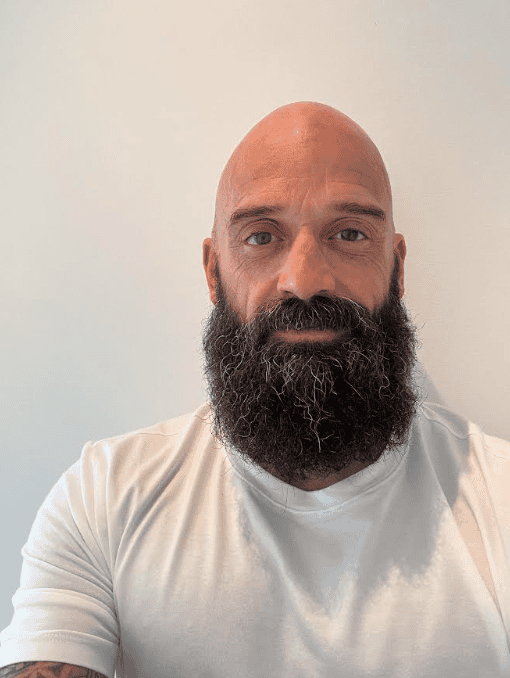
Treatment for ADHD is delivered by our multidisciplinary team, comprised of psychiatrists, clinical psychologists, mental health specialists, nurses, and experienced therapists.
We maintain low client numbers and high staff-to-client ratios, enabling personalised and attentive care.

























Frequently Asked Questions
Can ADHD be diagnosed in adulthood?
Yes. ADHD can be diagnosed at any age. Many people receive a later diagnosis in adolescence or adulthood when demands increase or coping strategies become less effective.
Is ADHD only a childhood condition?
No. Whilst symptoms often begin in childhood, ADHD usually continues into adulthood, though symptoms may present differently over time.
What does ADHD look like in adults?
In adults, ADHD often involves difficulties with concentration, focus, organisation, time management, and emotional regulation, rather than visible hyperactivity.
Can ADHD be missed earlier in life?
Yes. Many individuals develop specific coping strategies or do not fit typical presentations, meaning symptoms may not be recognised until later in life.
Can hormonal changes affect ADHD?
Hormonal fluctuations, particularly in women, may influence attention, mood, and regulation. Some individuals notice changes during perimenopause or menopause.
Can ADHD lead to other mental health difficulties?
ADHD is often associated with other mental health conditions such as anxiety, depression, stress, and burnout, particularly when it remains unrecognised or unsupported.
Can ADHD be treated alongside addiction?
Yes. We regularly support clients experiencing ADHD alongside substance use or compulsive behaviours.
Do I need residential treatment for ADHD?
Residential treatment may be helpful when ADHD significantly affects functioning or co-occurs with other mental health or behavioural concerns.
How long should I stay in treatment?
Many clients benefit from a stay of four or more weeks, depending on individual needs.
What happens after treatment?
You will receive a tailored aftercare plan, which may include ongoing therapy, psychiatric support, or structured strategies to support daily functioning.
THE PATH TO RECOVERY STARTS WITH A SMALL FIRST STEP
Outcomes and aftercare
Treatment for ADHD focuses on several core elements, such as improving understanding of the condition and its impacts, developing practical strategies, and supporting emotional and psychological well being.
Each client completes treatment with a personalised aftercare plan designed to support long term stability, structure, and quality of life.
Testimonials
What our clients say
K

February 2026
C
February 2026
K
January 2026
J
December 2025
M
December 2025
J
December 2025
D
July 2025
C

July 2025
R
July 2025
S
June 2025
P
May 2025
J
May 2025
J
April 2025
D
April 2025
S
March 2025
D
March 2025


Take the next step
If difficulties with attention, focus, organisation, or emotional regulation are affecting your daily life, support and care are available.
Contact our team in confidence to discuss your treatment options or explore whether residential care at Ibiza Calm may be appropriate.
You are not alone. Our team is here to answer any questions you may have in confidence and without obligation.