

Mental Health Rehabilitation
Treatment for chronic stress

Treatment for chronic stress
Chronic stress is described as a prolonged state of physical and psychological strain that occurs when ongoing pressures exceed an individual’s capacity to cope or recover.
While stress is a natural and often adaptive response, chronic activation of the body’s stress system can begin to impact mood, cognition, physical health, and overall functioning.
Many people who come to Ibiza Calm describe living in a constant state of pressure without fully recognising its impact on many aspects of their lives.
Chronic stress is often normalised, especially for those who are highly responsible, driven, or accustomed to demanding environments.
Over time, however, the ability to rest, recover, and regulate can become impaired, leaving individuals feeling constantly overwhelmed or depleted.
How we can help

At Ibiza Calm, we offer residential treatment for chronic stress on the Balearic Island of Ibiza, Spain, providing personalised, full-time care and support in a calm, restorative setting.
With small client ratios and a multidisciplinary clinical team that understands these challenges, we aim to support you in feeling understood and cared for as you restore balance and develop sustainable coping skills.
What is chronic stress?
As already mentioned, chronic stress is a persistent state of mental and physical tension that occurs when stressful situations continue over a prolonged period.
Unlike the body’s natural, short-lived stress response – which can help us deal with life’s inevitable challenges – chronic stress keeps the body on high alert for extended periods, even in the absence of immediate danger or threats.
Over time, this ongoing pressure and strain can erode an individual’s mental, emotional and physical health, requiring professional treatment to help them recover.
Common causes
Chronic stress can develop for many reasons, some of which can include:
→ Persistent financial difficulties.
→ Demanding or pressured work environments.
→ Caregiving responsibilities.
→ Relationship challenges.
→ Childhood trauma.
These stressors often accumulate over long periods, making it difficult for the body and mind to return to a restful, balanced state.
In the short term, stress can actually be helpful.
It can provide focus and elicit responses that give us the energy and enthusiasm to complete a specific task or achieve a goal, such as a work project or another commitment.
However, when stress becomes prolonged or repetitive, your nervous system may remain in a heightened state of alertness or hyperarousal.
There are three commonly recognised patterns of stress. They include:
Over time, chronic stress can affect both mental and physical health and may contribute to conditions such as anxiety, depression, burnout, or substance misuse.
If you suspect that you or a loved one may be experiencing the effects of chronic stress, you must seek treatment early to avoid any long term health implications.
Executive stress and high-responsibility roles
Chronic stress is often witnessed in individuals with significant professional or personal responsibility.
This pattern is often referred to as executive stress, and is associated with ongoing decision-making pressures, leadership demands, specific cultural expectations, and a high level of accountability.
Individuals experiencing executive stress may continue to function at an incredibly high level on the surface, giving the impression that “all is well”.
Yet deep down, these individuals silently struggle with exhaustion, mental overload, or emotional strain.
For many, there may be limited opportunities to disengage, along with a profound sense of responsibility that makes it difficult for the individual to step back or seek support.
Over time, this pattern can affect sleep, concentration, emotional regulation, and physical health.
Without professional intervention, executive stress may contribute to conditions like burnout, anxiety, or a reliance on unhelpful coping strategies such as alcohol and overworking to help numb, distract, or avoid stress-related symptoms.
Complex stress and cumulative strain
While not a formal diagnostic condition, complex stress is a term often used to describe the cumulative impact of multiple, overlapping stressors that develop over time.
This may include a combination of work pressure, relationship difficulties, past experiences (like trauma), health concerns, or long term uncertainty.
Unlike a single identifiable cause, complex stress tends to build gradually and can be more difficult to recognise. Individuals may feel persistently overwhelmed or “stuck” in a state of tension, without a clear understanding of why.
In some cases, complex stress may overlap with trauma-related experiences or long-standing patterns of emotional strain, requiring a more in-depth and carefully paced therapeutic approach.















Signs and symptoms of chronic stress
Chronic stress can affect individuals in different ways, depending on their unique stress response and nervous system capacity.
However, some common signs include:
When these patterns persist, a professional assessment can help determine the root causes and impact of stress.
If you are concerned and want to explore treatment options, speak to a member of our team today, who will gladly provide support and information.
Why it’s hard to manage chronic stress alone
Chronic stress often develops gradually and can become normalised, particularly in high-functioning individuals or demanding work environments.
Many people experiencing this type of stress continue to meet responsibilities while their internal capacity to cope diminishes.
When this happens, short term coping strategies can feel helpful or even necessary.
These can include alcohol, stimulants, or avoidance behaviours that seemingly offer temporary relief.
However, they do not address the underlying stress patterns driving these behaviours, which can lead to further complications in the long term, such as sleep, mood, and physical health issues.
Residential treatment may be particularly helpful when:
→ Exhaustion is ongoing or worsening.
→ Sleep is significantly disrupted.
→ Anxiety, low mood, or burnout has developed.
→ Stress is affecting physical health.
→ Substance use or compulsive behaviours are present.
→ Attempts to reduce stress have not led to recovery.
A structured and supportive environment allows for proper rest and stabilisation, alongside therapeutic work to help you explore and unpack the root cause of these struggles, without the added strain of ongoing external pressures.
THE PATH TO RECOVERY STARTS WITH A SMALL FIRST STEP
Treatment for chronic stress at Ibiza Calm
At our treatment centre in Ibiza, recovery begins with a comprehensive medical and psychological assessment to understand each client’s stress patterns, health history, and any other contributing factors.
Each client receives an individualised treatment plan, typically involving a residential stay of several weeks, depending on clinical needs and preferences.
A core focus of treatment at Ibiza Calm is regulating the nervous system, restoring physical and emotional balance, and addressing the underlying drivers of stress and overwhelm.
Our approach includes:
→ Medical and psychiatric assessment and monitoring
I→ ntensive one-to-one therapy
→ Stress management and emotional regulation skills
→ Support for co-occurring anxiety, depression, or dependency
→ 24/7 clinical oversight in a calm, restorative setting
Core pillars of treatment
What’s included
A carefully composed programme of care and comfort
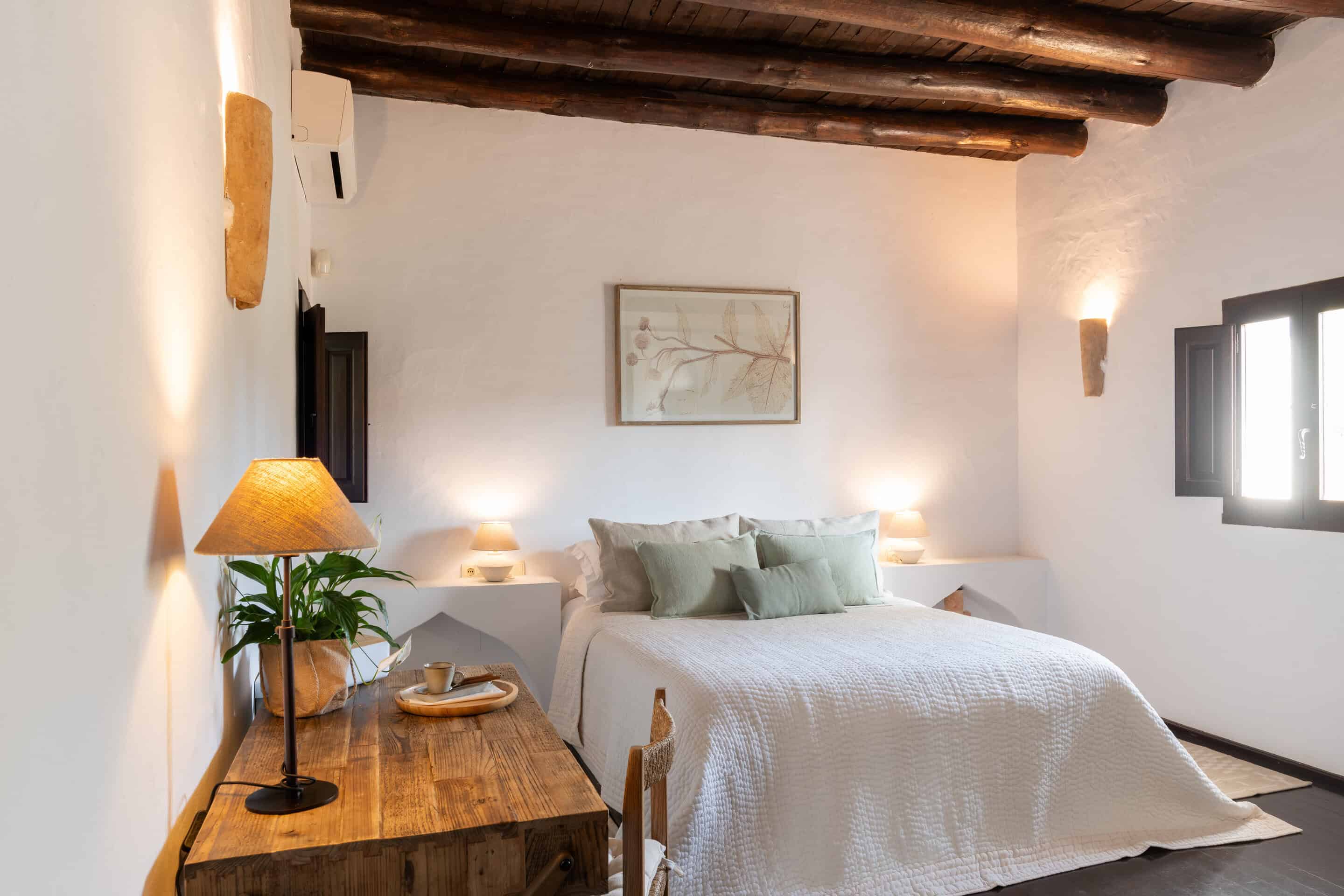
From the moment you arrive, you are met by our expert clinical team for a full physical and psychiatric evaluation. Together, we design a tailored programme of care to address both the immediate challenges and the deeper emotional or psychological issues underlying them.


Every element of your programme is designed around you —flexible, private, and adaptive to your individual needs.
Ask yourself…
Whether or not you consider yourself an addict or someone with mental health-related issues, if your behaviour has gotten out of control, Ibiza Calm can help.
Does someone I know need help?
Do I need help?
Is my life out of control?
Am I an addict?
Mental Health Rehabilitation
Life at Ibiza Calm
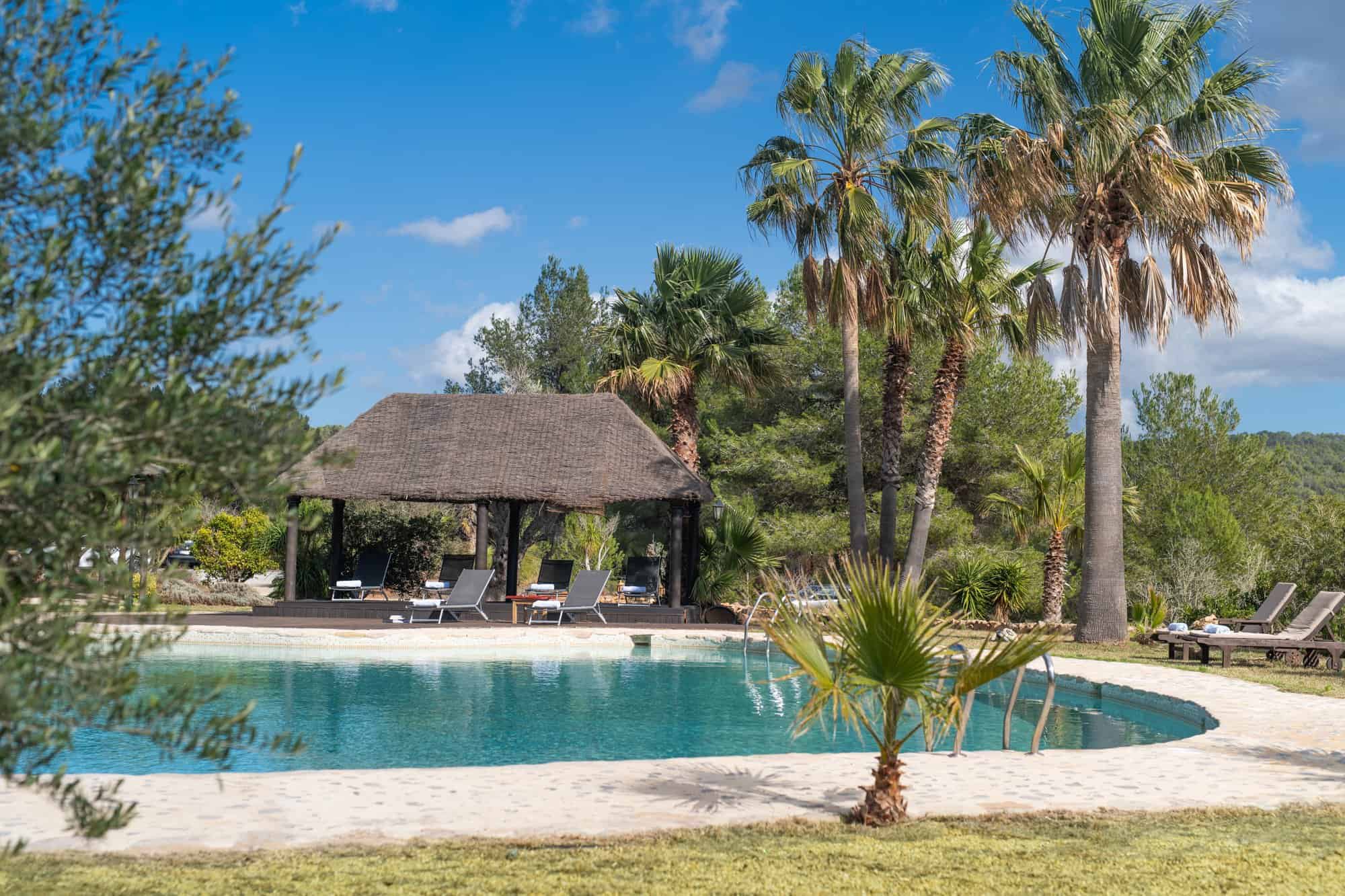
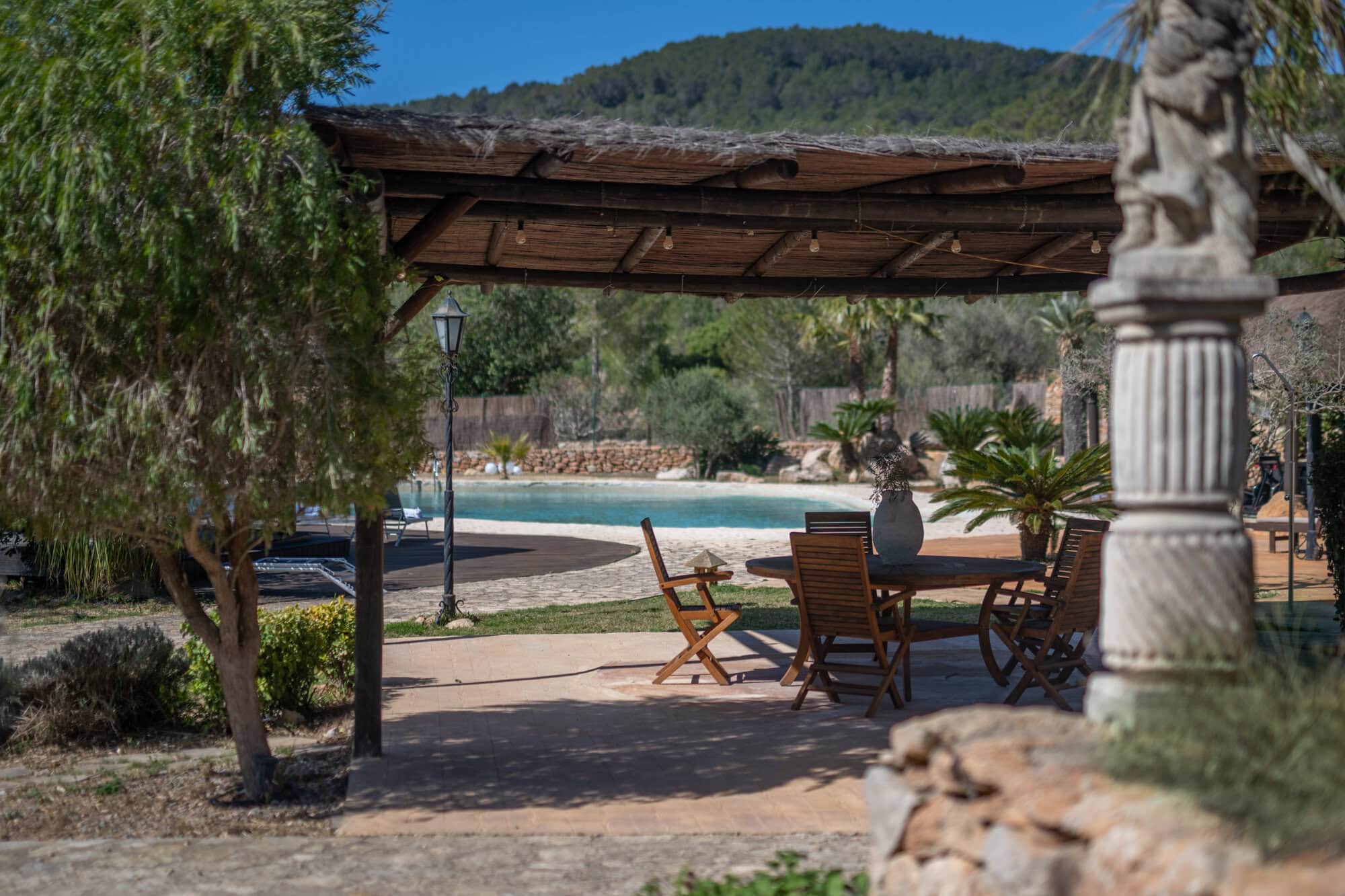
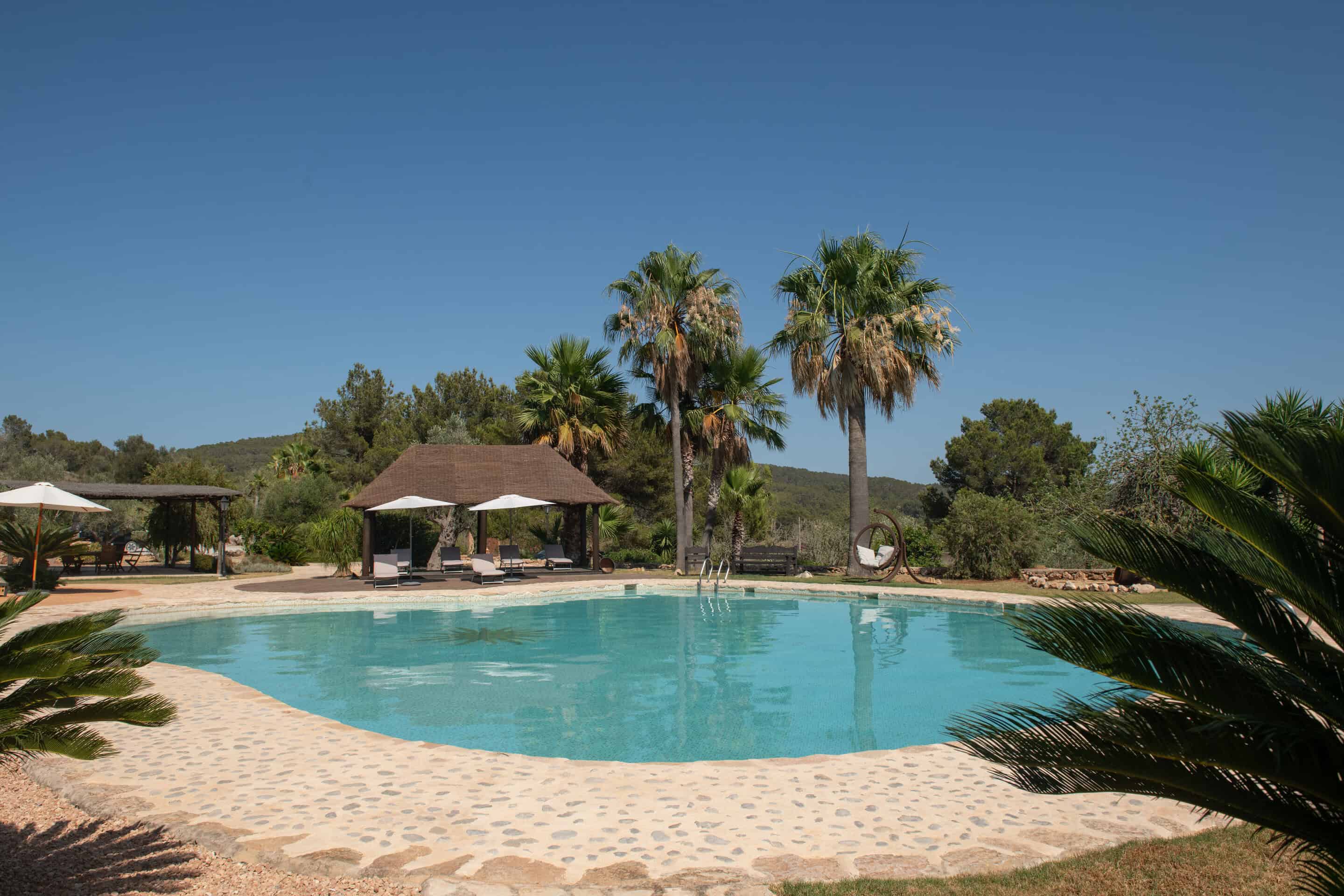
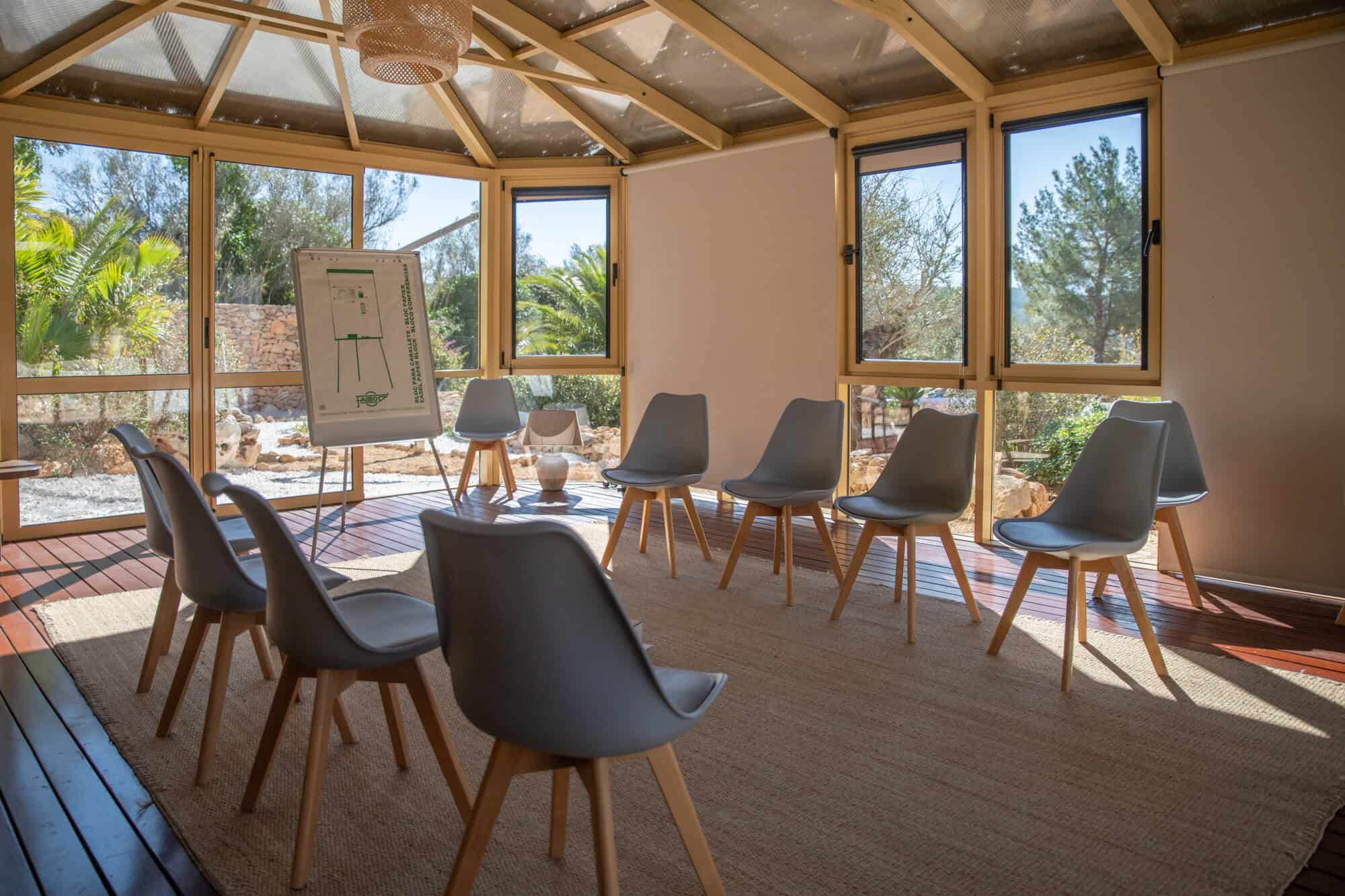
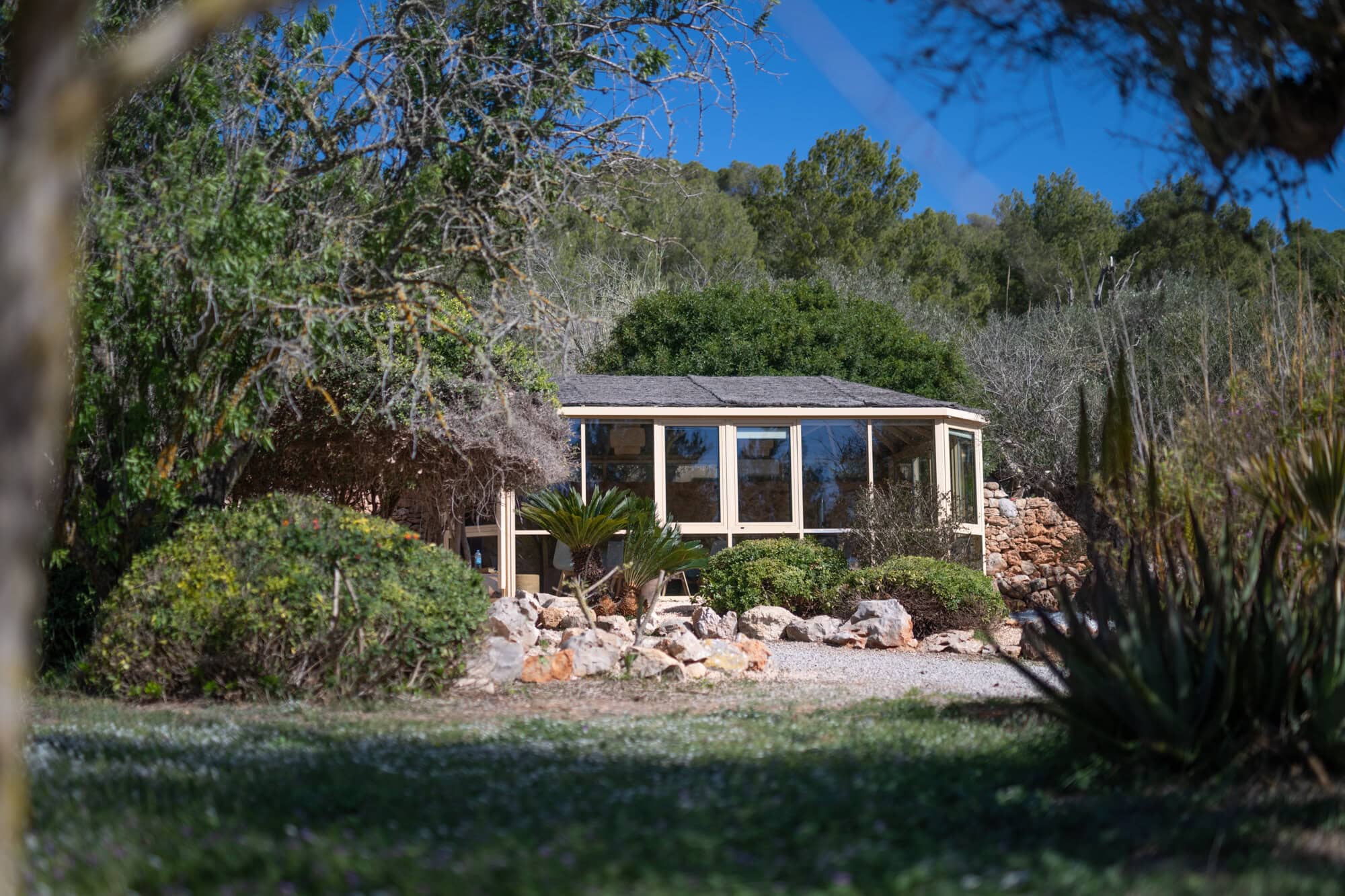
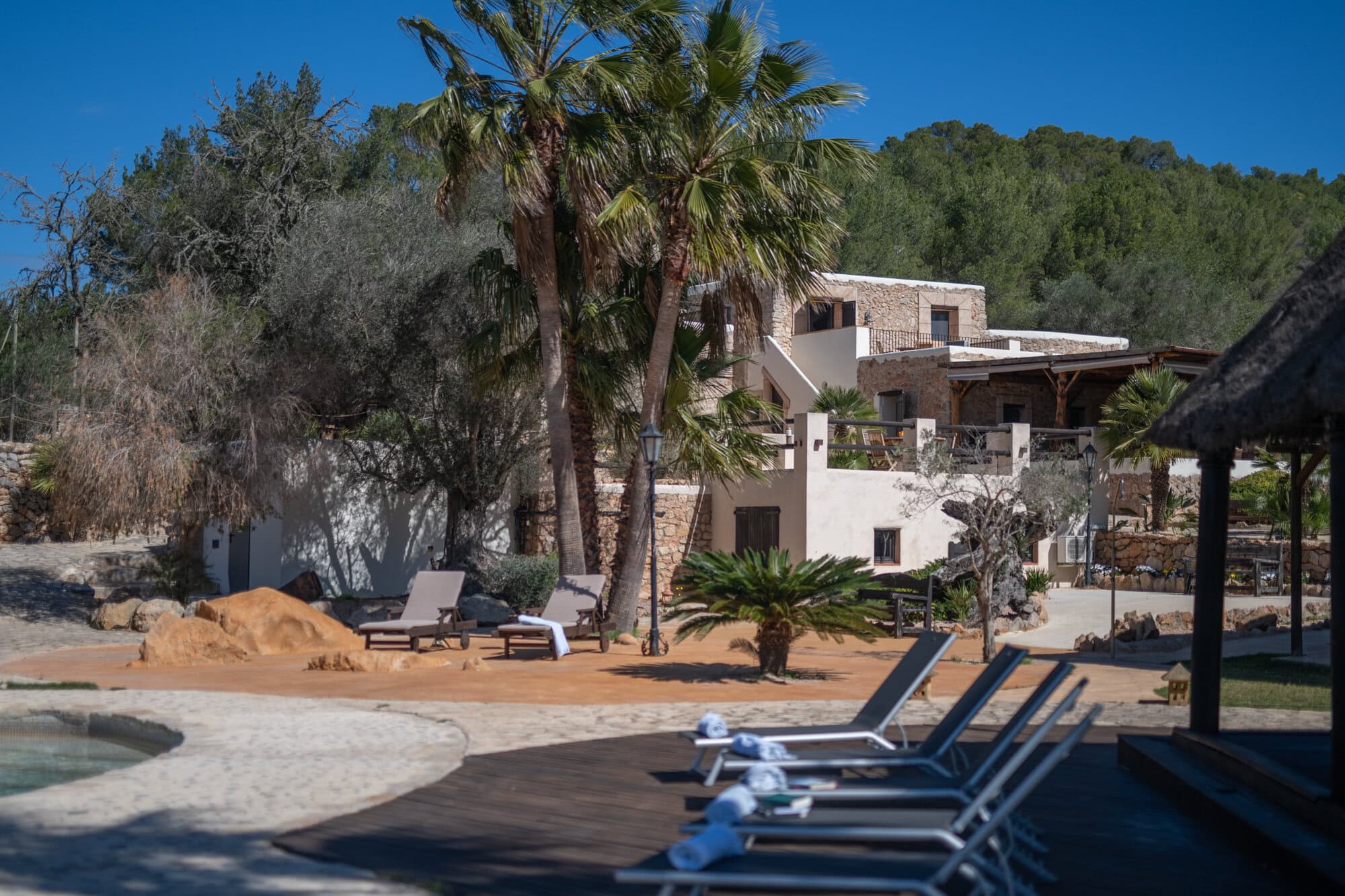
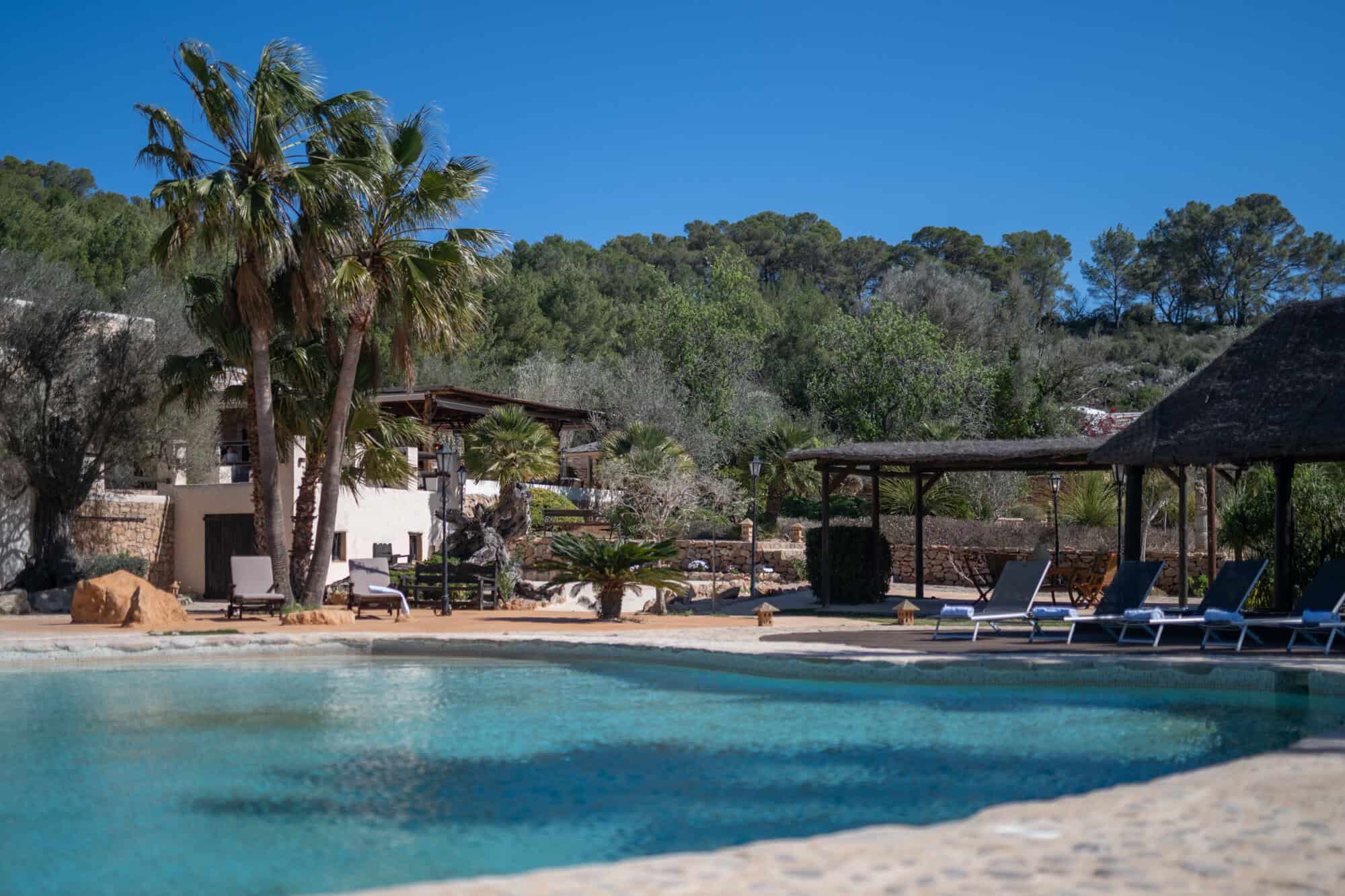
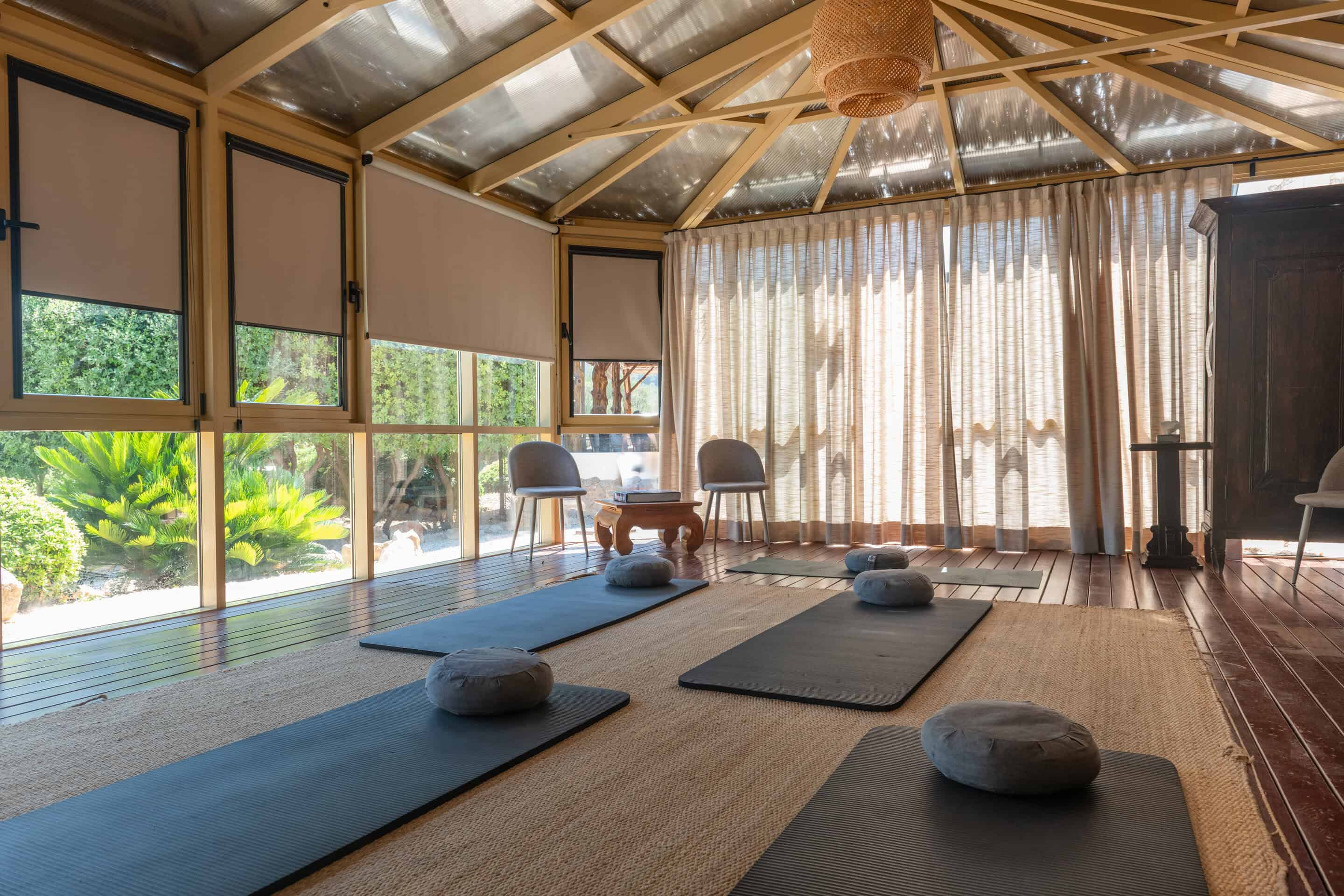
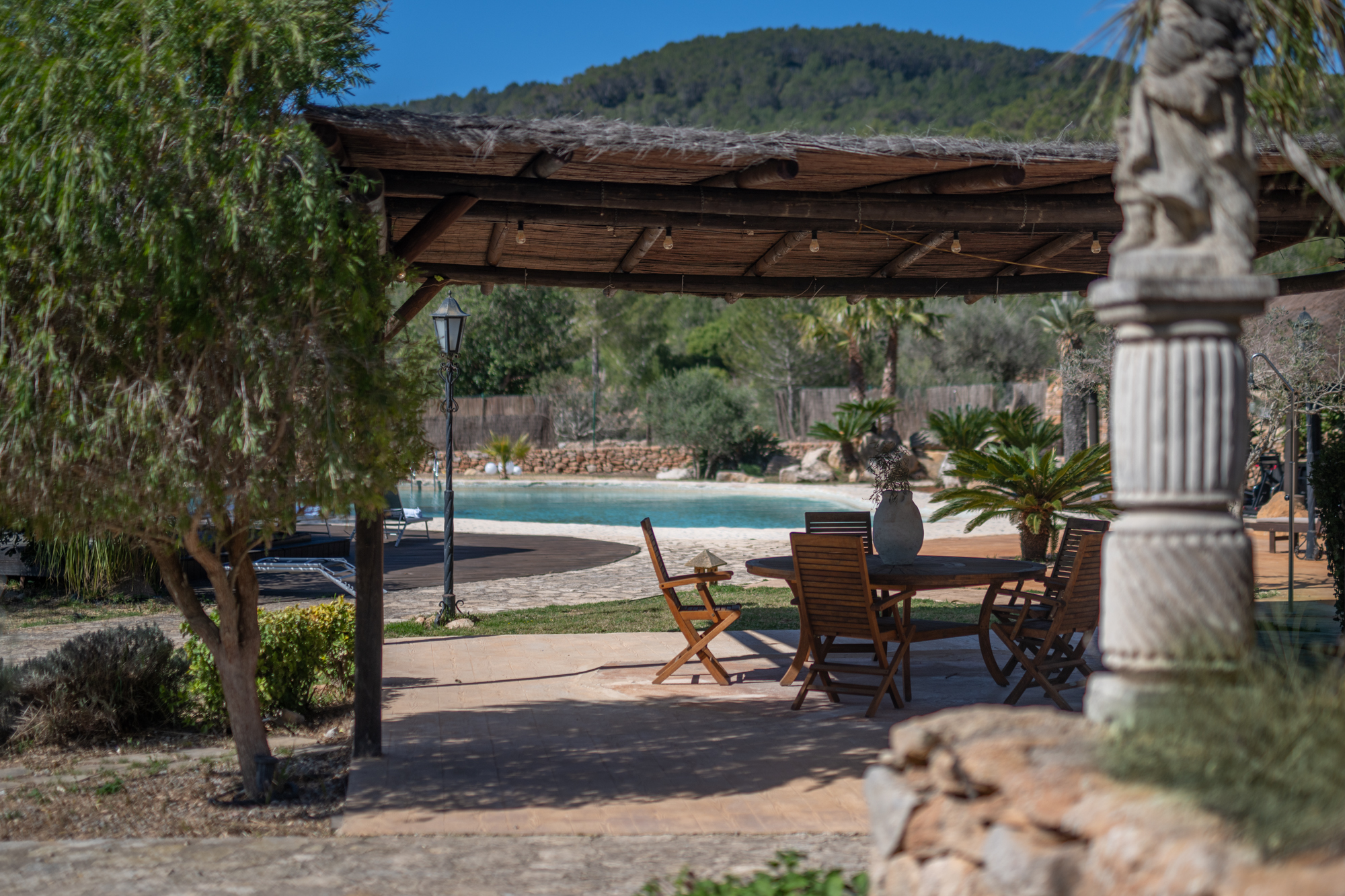
Ibiza Calm is set within a 13-hectare private estate in northern
Ibiza, Spain, surrounded by Mediterranean gardens and natural landscapes.
A typical day at our centre follows a structured but gentle rhythm, balancing clinical therapy with deep, meaningful rest and time in nature.
Our environment is designed to support nervous system recovery and reduce ongoing stimulation or pressure.
Although treatment is personalised to the individual, a typical plan may include:
- Individual therapy
- Group sessions
- Regular meetings with clinical and medical staff
- Restorative practices such as yoga, mindfulness, or equine-assisted therapy.
- Nutritious meals prepared onsite.
- Structured personal time for rest and reflection.

Bepoke treatment

Newest techniques

Experienced team
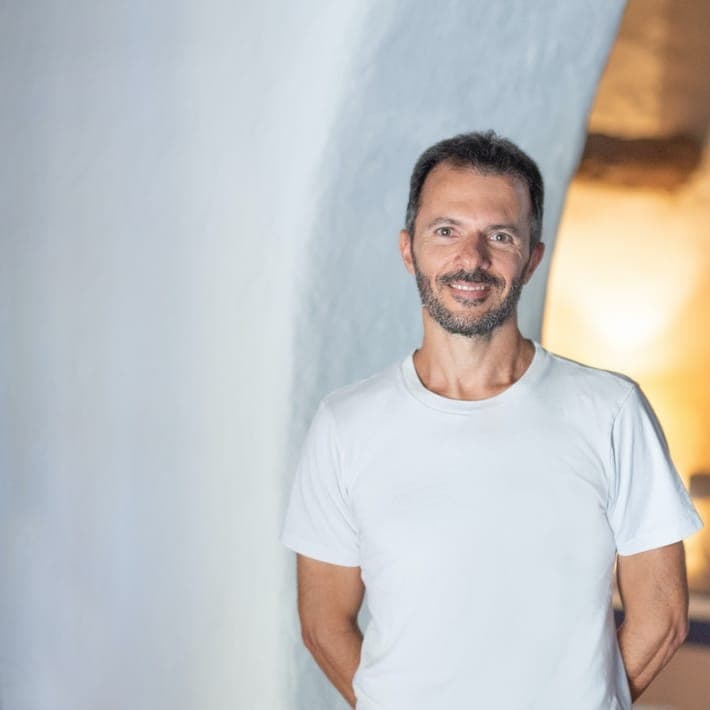
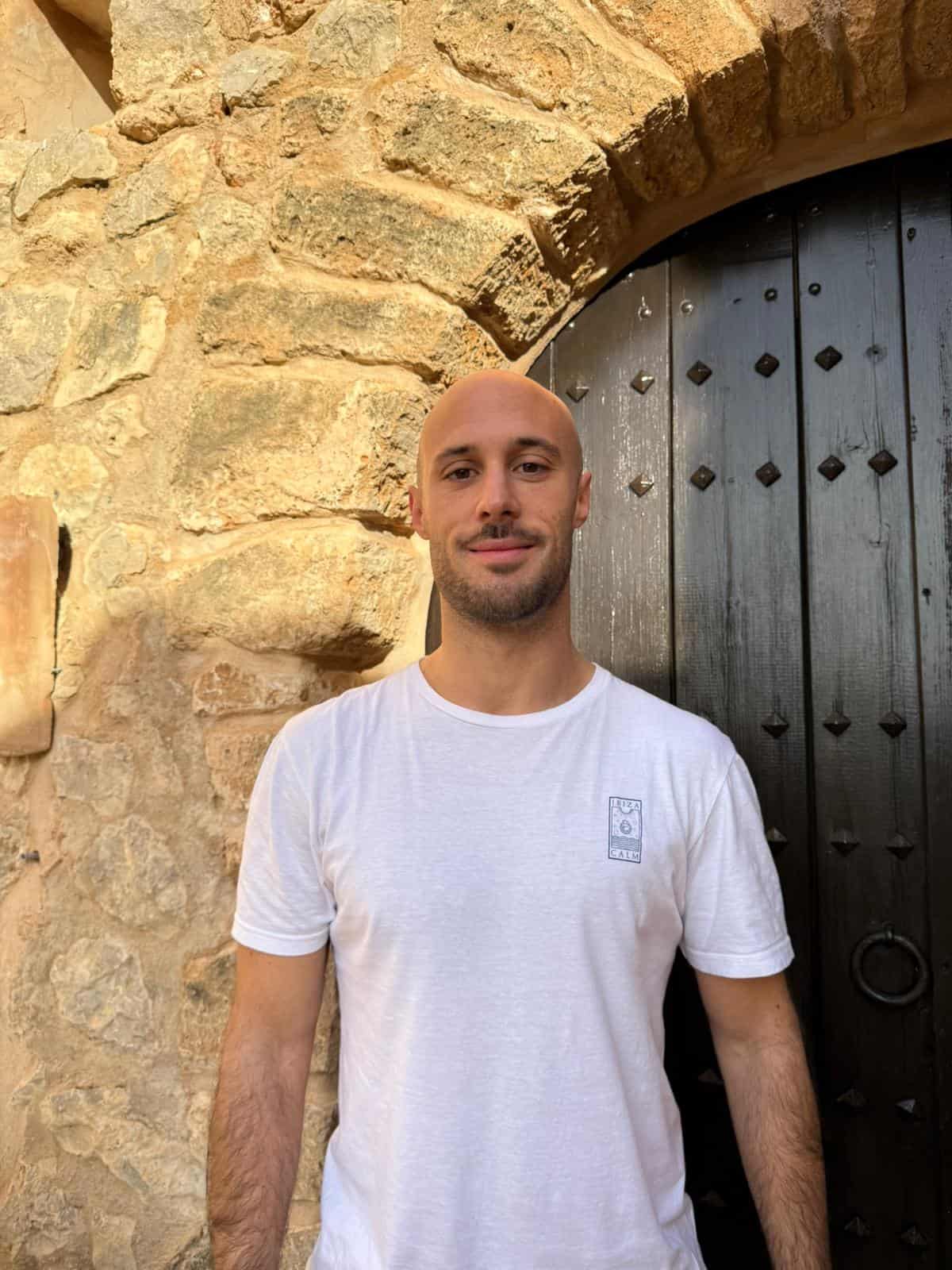
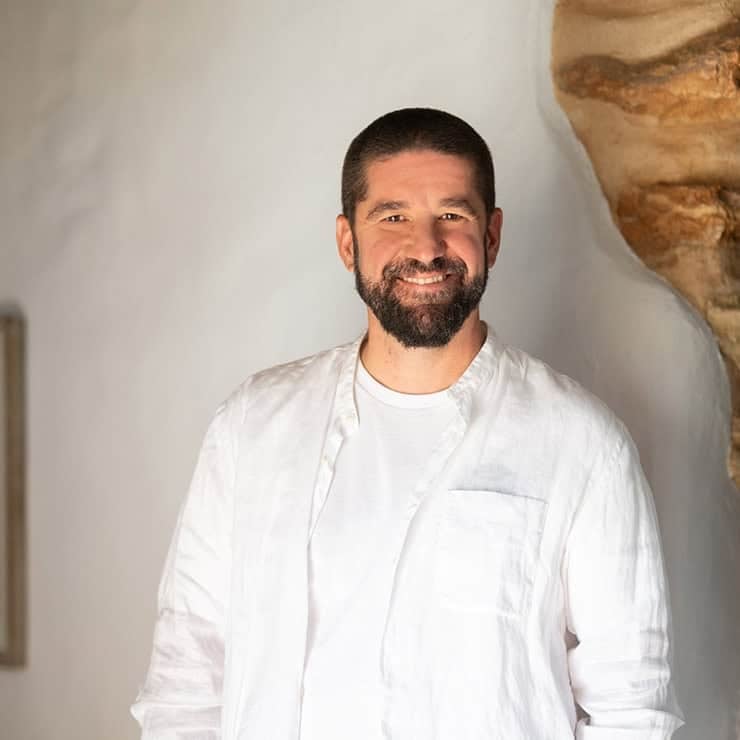
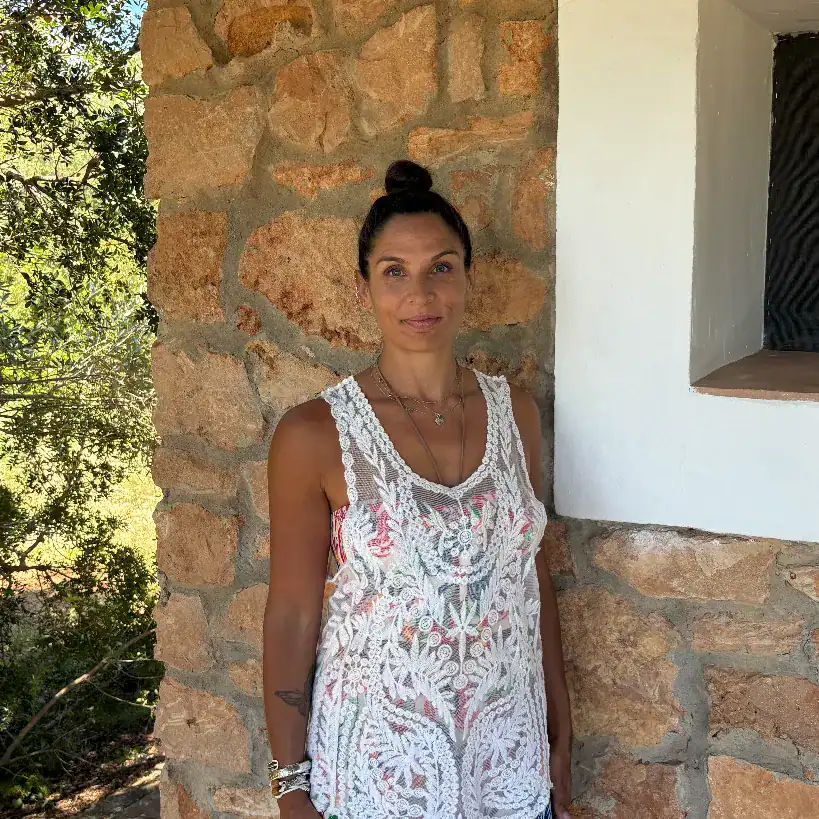
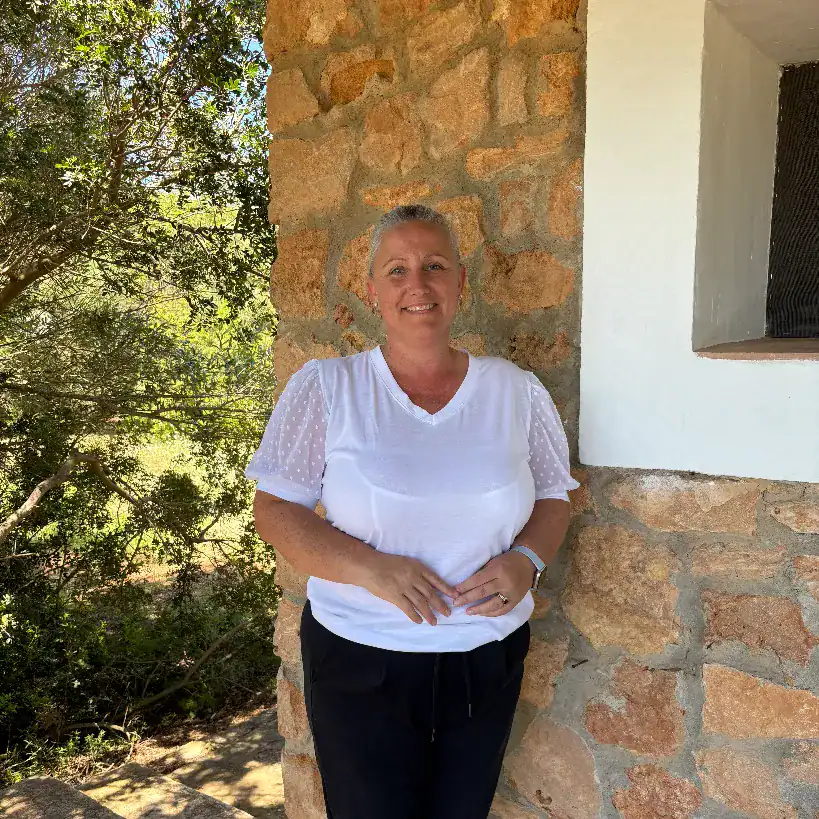
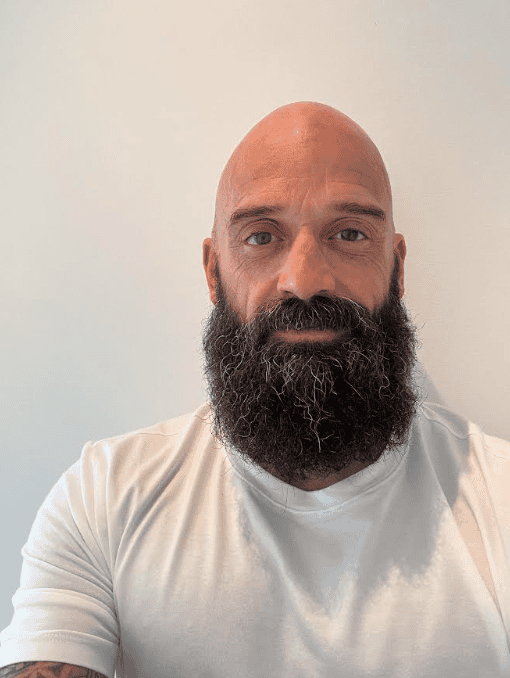
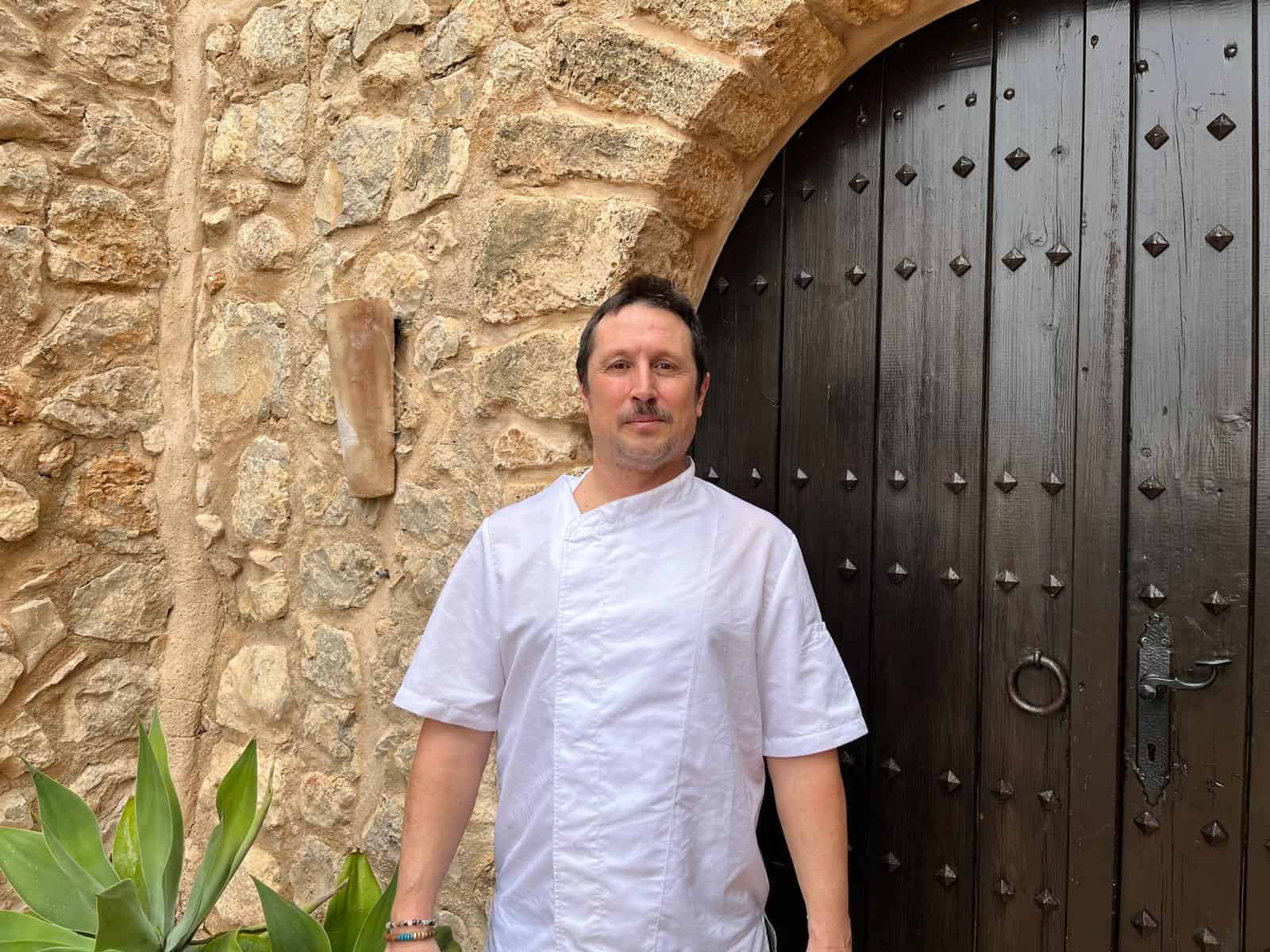
Our team and clinical approach
Treatment for chronic stress is delivered by our compassionate, multidisciplinary team, which is comprised of:
– Psychiatrists.
– Clinical psychologists.
– Mental health specialists.
-Nnurses and medical staff.
– Experienced therapists.
We maintain low client numbers and high staff-to-client ratios, enabling attentive, purposeful, individualised care.



















Frequently Asked Questions
How is chronic stress different from normal stress?
Normal, everyday stress is usually short term and resolves once the situation changes. On the other hand, chronic stress persists over time and may continue even when external pressures reduce.
Can stress affect physical health?
Yes. Chronic stress is associated with sleep disruption, immune changes, cardiovascular strain, and digestive issues, among other effects.
Is chronic stress the same as burnout?
The two conditions are related, but they are not the same.
Chronic stress refers to ongoing pressure that occurs over time.
In contrast, burnout is a more advanced state of exhaustion and depletion that can develop from ongoing stress and pressure to perform.
What is executive stress?
Executive stress refers to stress associated with high levels of responsibility, leadership, and decision-making. It often involves persistent pressure with limited opportunity to disengage.
What is complex stress?
Complex stress describes the cumulative impact of multiple ongoing stressors. It is not a formal diagnosis, but it can help explain how layered pressures can affect health and well being over time.
Can chronic stress lead to mental health conditions?
Yes. Prolonged stress can contribute to anxiety, depression, burnout, and increased vulnerability to substance use or compulsive behaviours like gambling or sex addiction.
Do I need residential treatment for stress?
Residential treatment may be helpful when stress is persistent, affecting daily functioning, or combined with other mental health or substance-related concerns.
How long should I stay in treatment?
Many clients benefit from a stay of four or more weeks, depending on individual needs and clinical assessment.
What happens after treatment?
You will receive a tailored aftercare plan, which may include ongoing therapy, medical support, and practical strategies to maintain balance and manage stress.
THE PATH TO RECOVERY STARTS WITH A SMALL FIRST STEP
Outcomes and aftercare
At Ibiza Calm, we understand that recovery from chronic stress involves more than just reducing pressure or taking a well-deserved break.
It includes restoring balance, improving resilience, and developing sustainable ways of responding to life’s demands.
Each client leaves our centre with a personalised aftercare plan designed to support long term well being and prevent relapse into chronic stress patterns.
Testimonials
What our clients say
K

February 2026
C
February 2026
K
January 2026
J
December 2025
M
December 2025
J
December 2025
D
July 2025
C

July 2025
R
July 2025
S
June 2025
P
May 2025
J
May 2025
J
April 2025
D
April 2025
S
March 2025
D
March 2025


Take the next step
If stress feels ongoing, overwhelming, or difficult to manage, support is available.
Contact our team in confidence today to discuss your treatment options or explore whether residential care at Ibiza Calm may be appropriate.
Our team is always here to offer support and help whenever you need it – all conversations are private, supportive, and without obligation or pressure.