


Mental Health Rehabilitation
Obsessive compulsive disorder (OCD) treatment

Treatment for Obsessive Compulsive Disorder
Living with obsessive-compulsive disorder (OCD) can be exhausting and isolating. Many people struggle quietly for years, developing ways to manage their thoughts and behaviours without drawing attention, often feeling ashamed, confused, or afraid of being misunderstood.
Others experience OCD in a more severe and disabling form, where intrusive thoughts and compulsive behaviours begin to dominate daily life, affecting work, relationships, and emotional wellbeing. Many of the people who come to Ibiza Calm tell us they waited longer than they needed to, often unsure whether their symptoms were “serious enough” to seek help.
Ibiza Calm offers residential OCD treatment in northern Ibiza, providing discreet, structured, and personalised care within a calm, private setting. We work with small client numbers, allowing for intensive clinical oversight and one-to-one therapeutic support.
What is OCD?
Obsessive compulsive disorder (OCD) is a mental health condition characterised by recurrent intrusive thoughts (obsessions) and repetitive behaviours or mental acts (compulsions) carried out to reduce distress or prevent feared outcomes.
OCD follows a persistent cycle:
→ Obsessions are unwanted, intrusive thoughts, images, or urges that cause anxiety or distress
→ Compulsions are repetitive behaviours or mental rituals performed to relieve that anxiety
While many people experience occasional intrusive thoughts or habits, OCD is diagnosed when these thoughts and behaviours become time-consuming, distressing, and interfere with daily functioning.
Signs and symptoms of OCD
OCD can present in many ways, but common features include:
These behaviours often bring temporary relief, but the anxiety returns, reinforcing the cycle.

It is thought that 2-3% of people in the UK suffer from some form of OCD. Some manage the condition on their own, finding ways to cope and negotiate their peculiar habits without drawing too much attention to themselves. Others suffer badly with the condition, and it affects their lives both personally and socially. At its worst, the individual can become completely debilitated by it, even housebound, and this could lead to suicide or self-harm.
We’ve all left home worrying that we may have left the oven on, or the front door unlocked, or we avoid a certain unlucky number. It is normal to experience doubts and worries at times, or to harbour certain superstitious beliefs. However, for individuals with OCD, these symptoms become so excessive that they control daily behaviour.
Our Approach
Understanding obsessive-compulsive disorder (OCD)

OCD involves behaviour, or compulsions, as a reaction to a set of obsessive thoughts that are continuous, repetitive, anxious, time-consuming, and often, in reality, completely out of proportion. In other words, you keep thinking you must take an action, according to a certain rule, or else something bad will happen.
The compulsions are ritualistic and repetitive actions – far worse than everyday rituals or habits – that temporarily relieve the obsessive thought. For example, checking door handles several times in order to prevent an accident from happening to a loved one. Or counting an exact number of steps before getting in the car. A common form is an anxiety about illness and germs, and the sufferer will repeatedly wash their hands and clean themselves and their surroundings.
This need to ‘act’ on the thought and obey certain rules is powerful and convincing. It usually alleviates the anxiety for a short time, but the obsessive thought will return and gradually get worse. The condition often develops in childhood and worsens progressively in teenagers.
Understanding Obsessive-Compulsive Disorder (OCD)
Some commonly occurring thoughts/obsessions include

→ Germs and hygiene.
→ Order and precision.
→ Violent or catastrophic acts.
→ Fear of losing physical or vocal control.
→ Religious obsession.
→ Unwanted sexual thoughts.
→ Fear of harming oneself or others.
→ Superstitions and rituals.
Some frequently engaged in compulsions are
→ Washing hands repeatedly.
→ Excessive showering or personal hygiene routines.
→ Intense and constant household cleaning.
→ Fixation on order and placement of objects.
→ Checking, repeating, and duplicating routine tasks
→ Recurring body movements such as tapping or blinking.
→ Hoarding – newspapers, empty bottles.

Common conditions that closely resemble OCD are tic disorders – for example, a vocal tic disorder such as snorting. Tic disorders are involuntary behaviours in response to a feeling of discomfort. It’s much more common for OCD and tic disorders to occur together when the conditions begin in childhood. Many OCD sufferers also have depression, and some have accompanying food disorders.

























Why OCD can be hard to face alone
OCD is frequently misunderstood, both by others and by those experiencing it. Many individuals feel embarrassed by their thoughts, fear being judged, or worry about what their symptoms might “say” about them.
Because compulsions can temporarily reduce anxiety, the condition can become deeply entrenched. Over time, OCD may:
→ Limit social and professional life
→ Cause emotional exhaustion and depression
→ Lead to isolation or secrecy
→ Become increasingly restrictive or debilitating
Residential treatment is often appropriate when symptoms are severe, escalating, or no longer manageable through outpatient support.
THE PATH TO RECOVERY STARTS WITH A SMALL FIRST STEP
How Ibiza Calm Treats OCD
Treatment at Ibiza Calm begins with a comprehensive psychiatric and psychological assessment, allowing us to understand the nature of obsessions, compulsions, triggers, and any co-occurring conditions.
Each client receives a personalised treatment plan, typically recommending a residential stay of around four weeks, although this may vary depending on clinical needs.
Our OCD treatment approach includes:
→ Evidence-based psychological therapies
→ Careful medication assessment and management where appropriate
→ One-to-one therapy as the primary focus
→ Group therapy participation when clinically beneficial
→ Holistic interventions to support nervous system regulation
→ 24/7 medical and psychiatric oversight
We regularly support individuals with OCD alongside depression, anxiety, eating disorders, tic disorders, and substance use.
Core pillars of treatment
Ask yourself…
Whether or not you consider yourself an addict or someone with mental health-related issues, if your behaviour has gotten out of control, Ibiza Calm can help.
Does someone I know need help?
Do I need help?
Is my life out of control?
Am I an addict?
Mental Health Rehabilitation
Life at Ibiza Calm
A typical day may include:
- individual therapy
- group sessions
- meetings with clinical and medical staff
- restorative practices such as yoga, mindfulness, or equine-assisted therapy
- nutritious meals prepared onsite
- structured personal time for rest, reflection, or gentle routines
Ibiza Calm is set within a 13-hectare private estate in northern Ibiza, surrounded by Mediterranean gardens and natural landscape.
Daily life follows a gentle but structured rhythm, balancing therapy, rest, nourishing meals, and time in nature. The environment is intentionally designed to promote calm, safety, and restoration, allowing the nervous system to recover from prolonged stress.

Bepoke treatment

Newest techniques

Experienced team
Our team and clinical approach
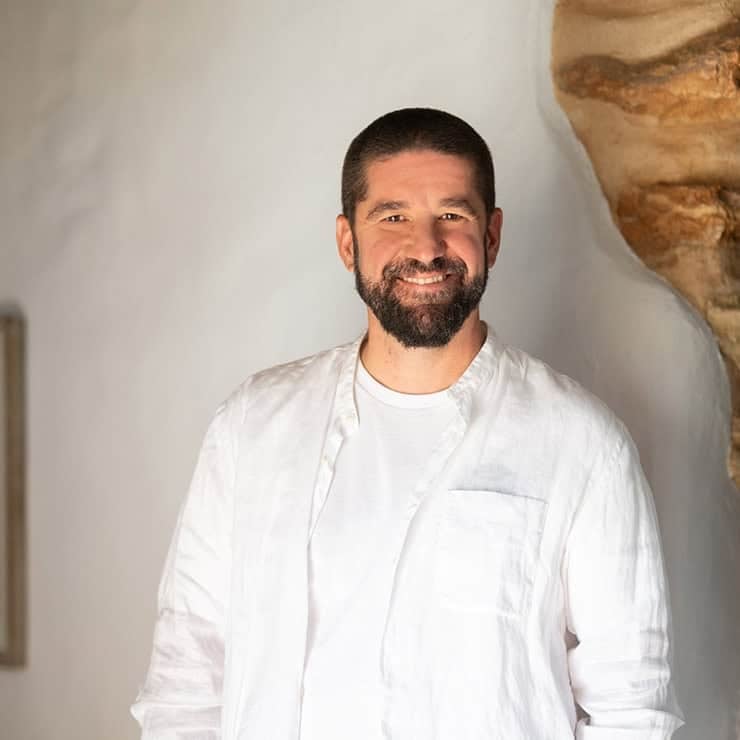
OCD treatment at Ibiza Calm is delivered by a multidisciplinary team including:
– Psychiatrists
– Clinical psychologists
– Addiction specialists
– Nurses and medical staff
– Experienced therapists
We maintain low client numbers and high staff-to-client ratios, enabling attentive, individualised care throughout each stay.






















Frequently Asked Questions
Is OCD an anxiety disorder?
OCD is closely related to anxiety disorders, but it is now recognised as its own diagnostic category. In both the DSM-5 and ICD-11, OCD sits within Obsessive-Compulsive and Related Disorders, reflecting its distinct features and the unique challenges it presents.
Can OCD begin in childhood?
Yes. OCD often begins in childhood or adolescence and may worsen over time without appropriate treatment.
Is OCD linked to depression?
Many people with OCD also experience depression, often due to emotional exhaustion and reduced quality of life.
Are tics related to OCD?
Tic disorders can co-occur with OCD, particularly when symptoms begin in childhood.
Will my compulsions be taken away suddenly?
No. Treatment focuses on understanding and gradually reducing compulsive behaviours in a safe, supported way.
Is residential treatment necessary for OCD?
Residential care may be recommended when symptoms are severe, disabling, or have not responded to outpatient treatment.
How long should I stay in residential treatment for OCD?
Many clients benefit from a stay of four or more weeks. Your recommended length will depend on symptom severity, clinical history, and your goals.
What happens during the admissions process?
After a confidential conversation, we gather any relevant medical and psychological information. On arrival, you receive a full psychiatric and medical assessment to shape your personalised treatment plan.
Do you treat OCD alongside other mental health or substance misuse conditions?
Yes. We regularly work with clients experiencing anxiety, trauma, bipolar disorder, burnout, or substance misuse.
How private is the treatment for burnout?
Our estate is secluded and fully private, with a limited number of clients to ensure confidentiality and space.
Will I be able to contact my family?
Yes. Family contact is arranged in a way that supports recovery and emotional stability. Family therapy can also be included when appropriate. In addition, family members are welcome to join a weekly online family support group from the beginning of treatment.
What therapies will I receive?
Your programme is tailored, but typically includes individual therapy, group therapy, medical care, and holistic modalities.
Do you accept insurance?
We accept some international insurances, such as Cigma International and Bupa Global. We can also provide documentation for clients seeking reimbursement, though coverage is subject to individual policies.
Can I receive treatment for OCD if I also take prescription medication?
Yes. Our medical team reviews all current medications and adjusts plans safely.
What happens after I leave Ibiza Calm?
Before discharge, you will be introduced to the aftercare support group, and you will receive a detailed aftercare plan tailored to your needs. This may include ongoing therapy, psychiatric support, community-based groups, or outpatient treatment. We also coordinate with trusted professionals to ensure continuity of care once you return home.
THE PATH TO RECOVERY STARTS WITH A SMALL FIRST STEP
Outcomes and aftercare
Recovery from OCD is a gradual process. Treatment focuses on reducing symptom intensity, improving emotional regulation, and restoring daily functioning.
Each client leaves with a tailored aftercare plan and coordinated support to help maintain progress after residential treatment.
Testimonials
What our clients say
D

2024
C

2024
R
2024
S
2024
P
2024
J
2024
J
2024
D
2024
S
2024
D
2024


Take the next step
If OCD is interfering with your life or the life of someone you care about, support is available.
Contact our team in confidence to discuss treatment options and whether residential care at Ibiza Calm is the right next step.