


Addiction Treatment
Treatment & rehab for gambling addiction
Treatment for gambling addiction
Gambling addiction often develops quietly. What may begin as excitement, risk-taking, or an attempt to escape stress can gradually become compulsive, distressing, and difficult to control. Many people continue gambling long after it stops being enjoyable, even as finances, relationships, mental health, and self-worth begin to suffer.
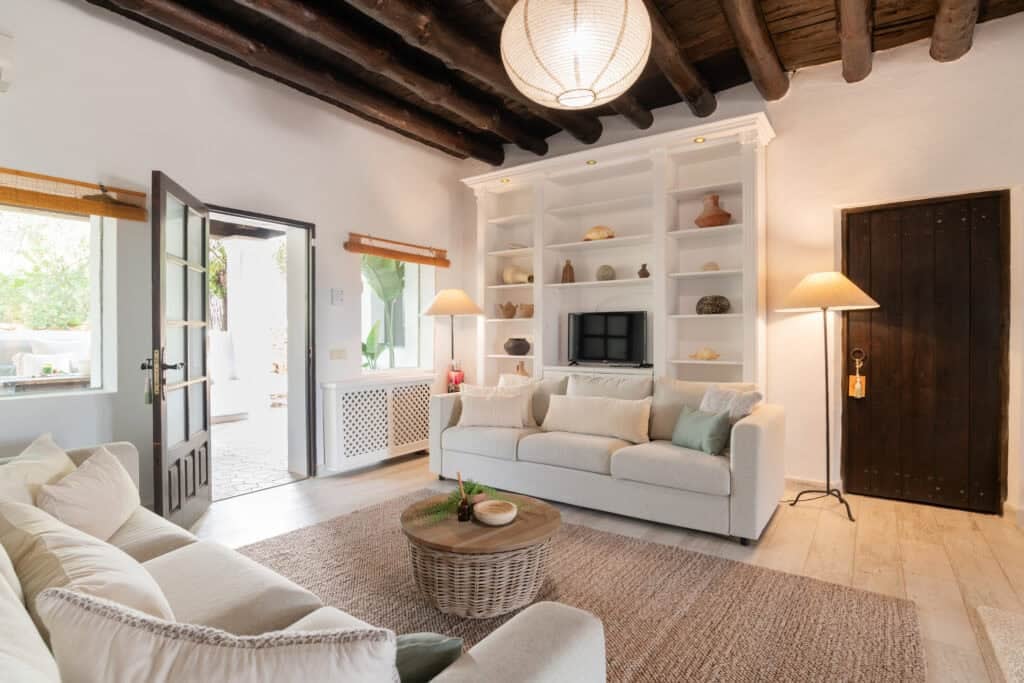
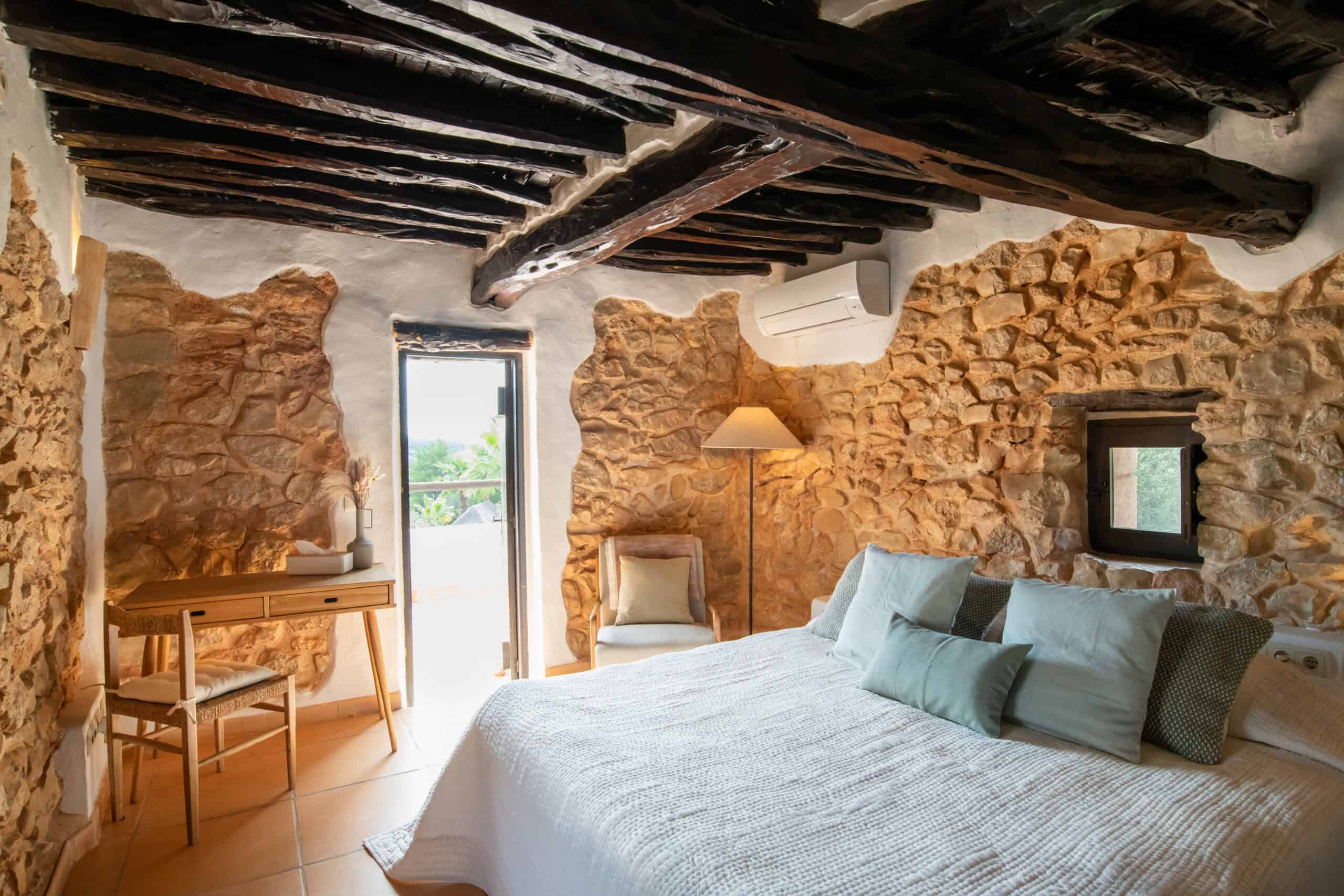
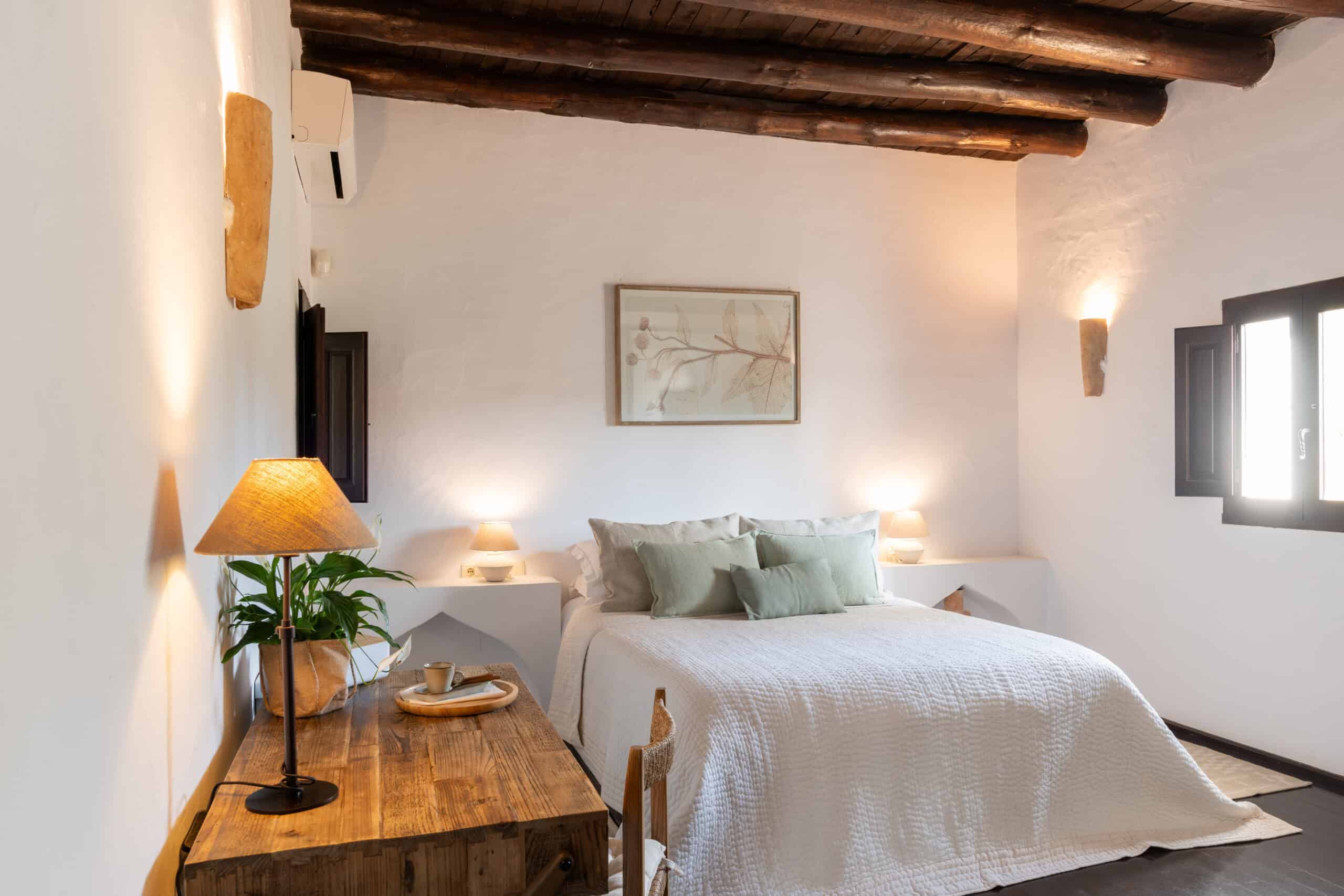
At Ibiza Calm, we provide discreet, residential treatment for gambling addiction in a calm, private setting in northern Ibiza. With a deliberately small number of clients, 24/7 clinical oversight, and a highly experienced multidisciplinary team, we offer personalised care in an environment designed for safety, stability, and recovery.
Many of the people who come to us say they waited longer than they needed to, often because they didn’t see gambling as a “real addiction” or felt too ashamed to ask for help. Whether you are seeking support for yourself or someone you love, you will be met with compassion, professionalism, and understanding.
If you are unsure if treatment is for you, our online assessment tool may prove useful.
What is gambling addiction?
Gambling addiction (also known as gambling disorder or compulsive gambling) is a recognised mental health condition characterised by persistent and recurrent gambling behaviour that continues despite negative consequences.
It is classified as a behavioural addiction in the DSM-5 and shares many similarities with substance use disorders. Crucially, it is not the money that drives addiction, but the risk, anticipation, and emotional high associated with gambling. Many individuals return to gamble even after winning, chasing the feeling rather than financial gain.
Over time, gambling can become a primary coping mechanism for emotional distress, stress, boredom, or low self-esteem, making it increasingly difficult to stop without professional support.
Signs and symptoms of gambling addition
When gambling begins to disrupt work, family life, mental health, or financial stability, it is considered problem gambling. When the behaviour becomes progressive and compulsive, it qualifies as gambling addiction.
Gambling Addiction Treatment
Potential damage caused by compulsive gambling
Compulsive gambling can have devastating effects on multiple aspects of an individual’s life, including:
→ Finances: Excessive gambling can lead to severe financial debt and, in many cases, bankruptcy. Individuals may sell or pawn possessions, run up large credit card debts, deplete savings, or even lose homes.
→ Emotional: Gambling can lead to, or exacerbate, problems with mental health. The cycle of gambling, losing, and guilt can significantly erode self-esteem and self-worth. Compulsive gamblers often suffer from anxiety, depression, and high levels of stress.
→ Relationships: Marriages and relationships often suffer due to the deceit and financial strain caused by gambling. Individuals may withdraw from social activities and cut themselves off from friends and family to hide their gambling, leading to isolation and loneliness.
→ Legal and professional: Engaging in illegal activities to fund gambling can result in criminal charges and imprisonment. Decreased productivity, absenteeism, and even theft from the workplace can lead to job loss.













Gambling Addiction Treatment
Why it’s hard to face gambling addiction alone
Gambling addiction is often accompanied by denial, secrecy, and shame. Many people minimise the severity of the problem or believe they should be able to stop on their own. Others fear judgement or worry about the consequences of admitting the truth to loved ones.
As the addiction progresses, individuals may experience emotional numbness, low self-esteem, depression, and in some cases suicidal thoughts. There is a significantly elevated suicide risk among people with untreated gambling addiction.
Residential treatment may be particularly appropriate when:
→ Gambling feels out of control or is escalating
→ Attempts to stop have repeatedly failed
→ Debt, legal issues, or secrecy are mounting
→ Gambling is being used to escape emotional pain
→ Anxiety, depression, or substance use are also present
With the right support, recovery is possible. You don’t have to face it alone.
THE PATH TO RECOVERY STARTS WITH A SMALL FIRST STEP
Gambling addiction treatment at Ibiza Calm
Treatment at Ibiza Calm begins with a comprehensive psychiatric and psychological assessment, allowing us to understand the underlying drivers of gambling behaviour, emotional triggers, and any co-occurring mental health conditions.
We work with:
→ Individuals seeking confidential, specialist care
→ Professionals and high-functioning clients
→ Families affected by a loved one’s gambling
→ Clients with co-occurring anxiety, depression, trauma, ADHD, or substance misuse
Treatment plans are fully personalised and delivered within a residential setting that offers structure, safety, and continuous clinical oversight.
Core pillars of gambling addiction treatment
What’s included
A carefully composed programme of care and comfort
From the moment you arrive, you are met by our expert clinical team for a full physical and psychiatric evaluation. Together, we design a tailored programme of care to address both the immediate challenges and the deeper emotional or psychological issues underlying them.


Every element of your programme is designed around you —flexible, private, and adaptive to your individual needs.
Ask yourself…
Whether or not you consider yourself an addict or someone with mental health-related issues, if your behaviour has gotten out of control, Ibiza Calm can help.
Does someone I know need help?
If family doesn’t intervene, who will?
We help families get their loved ones into addiction treatment.
Do I have a problem with gambling?
Our international team of professionals uses the latest therapeutic approaches to help you regain control and begin your recovery journey.
Addiction treatment
Life at Ibiza Calm
A typical day includes:
- Individual and group therapy
- Time with the clinical and medical team
- Nutritious meals prepared onsite
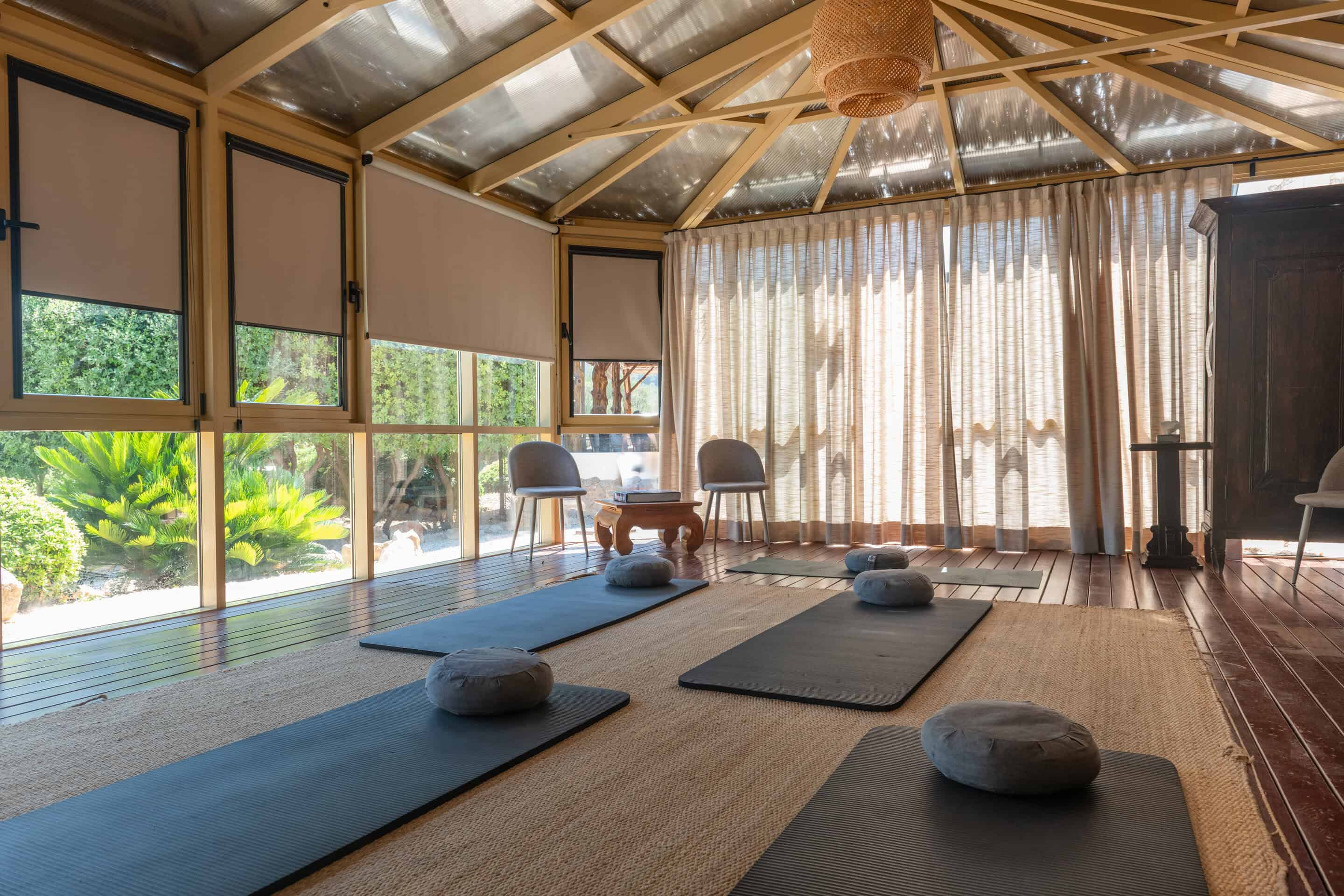
- Restorative practices such as yoga, mindfulness, equine-assisted therapy, or time in nature
- Structured personal time for rest, reflection, and integration
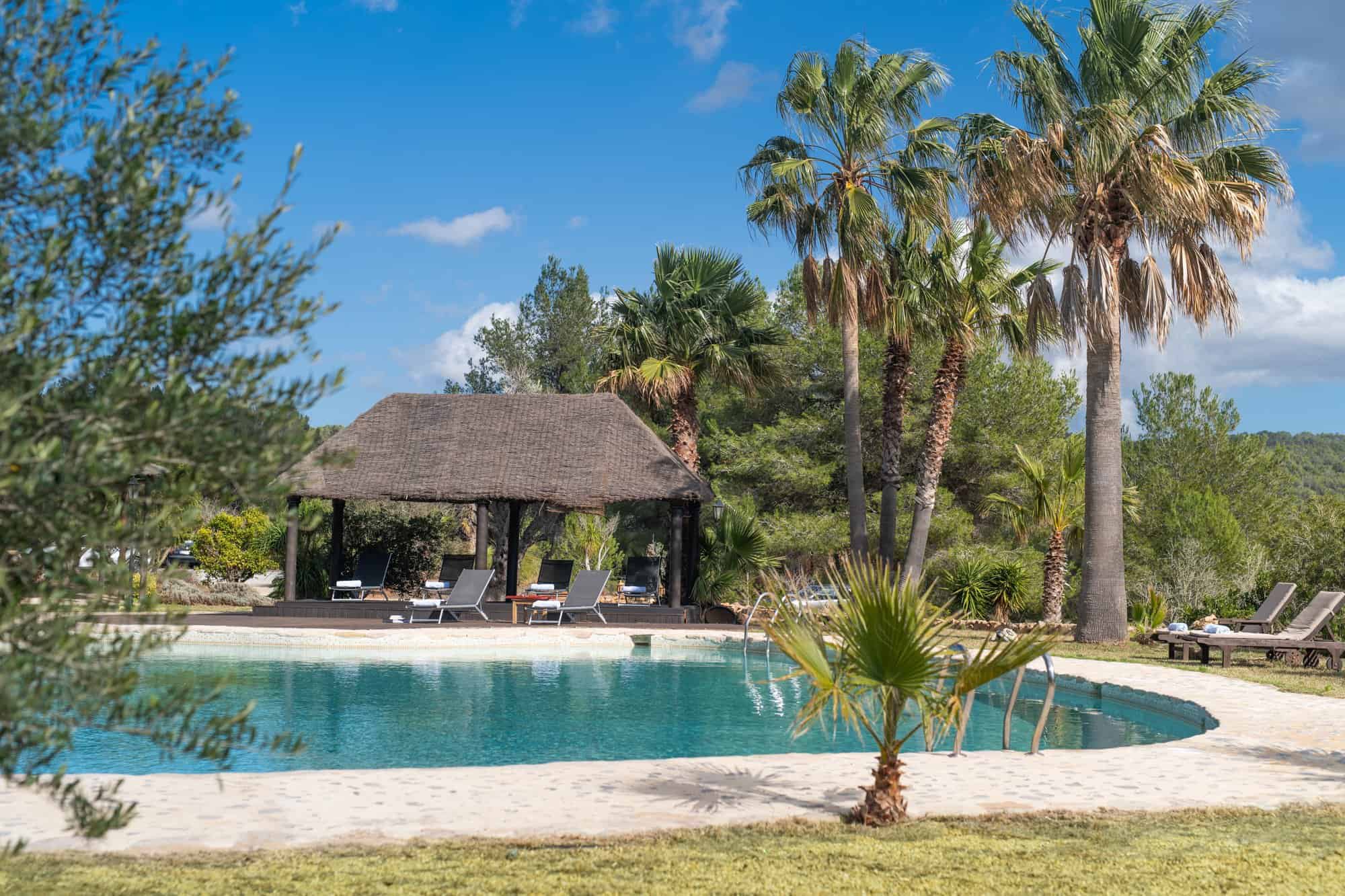
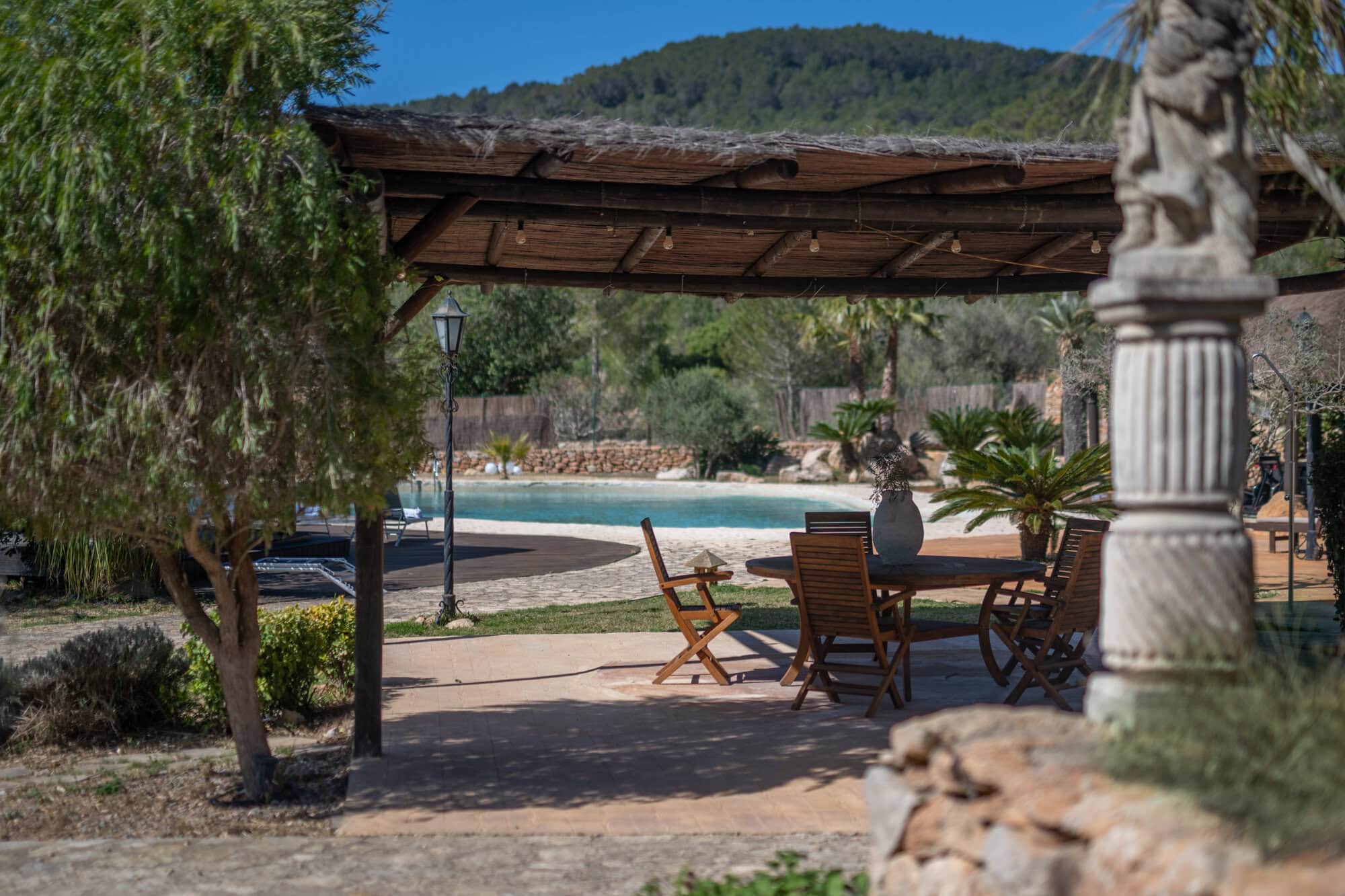
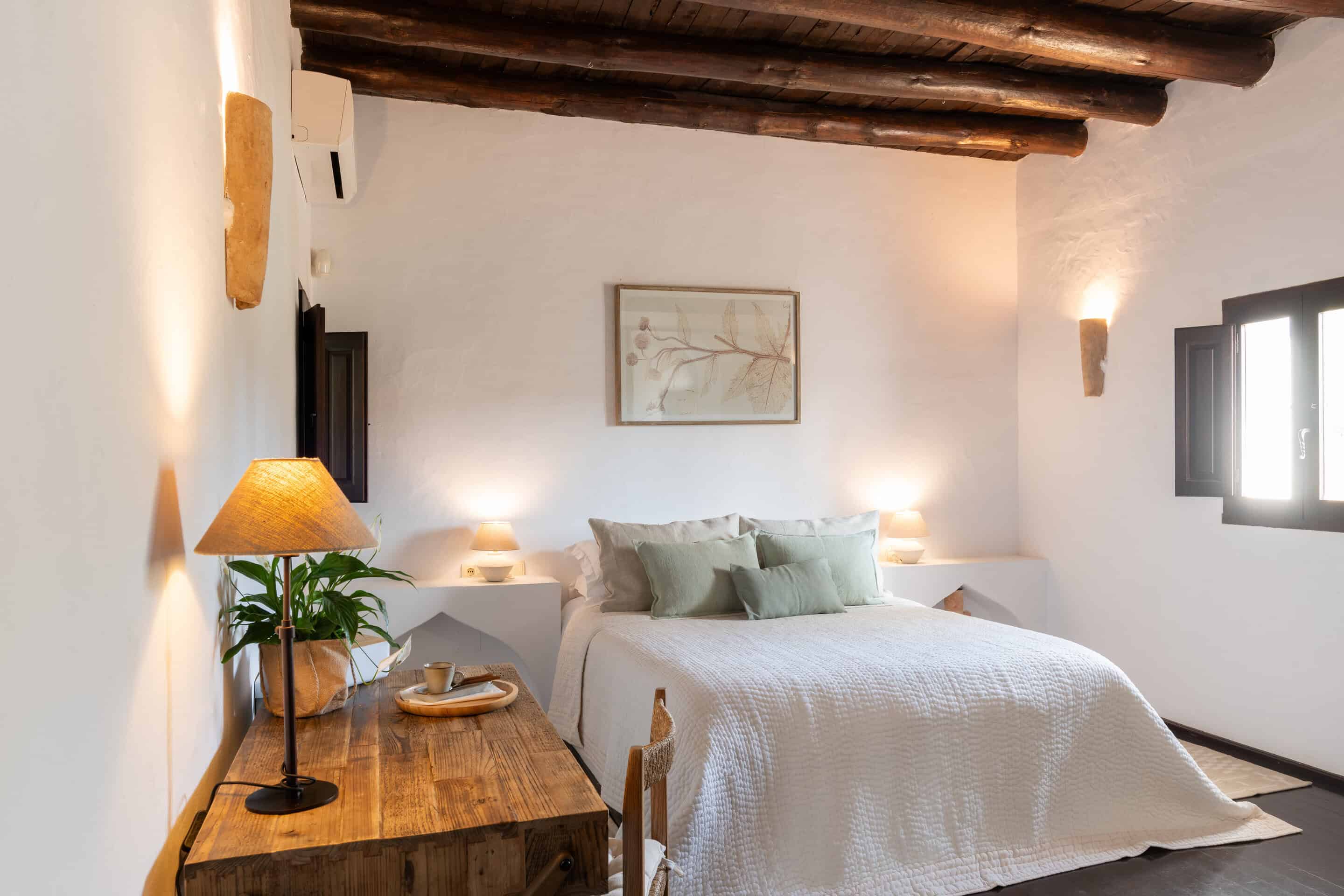
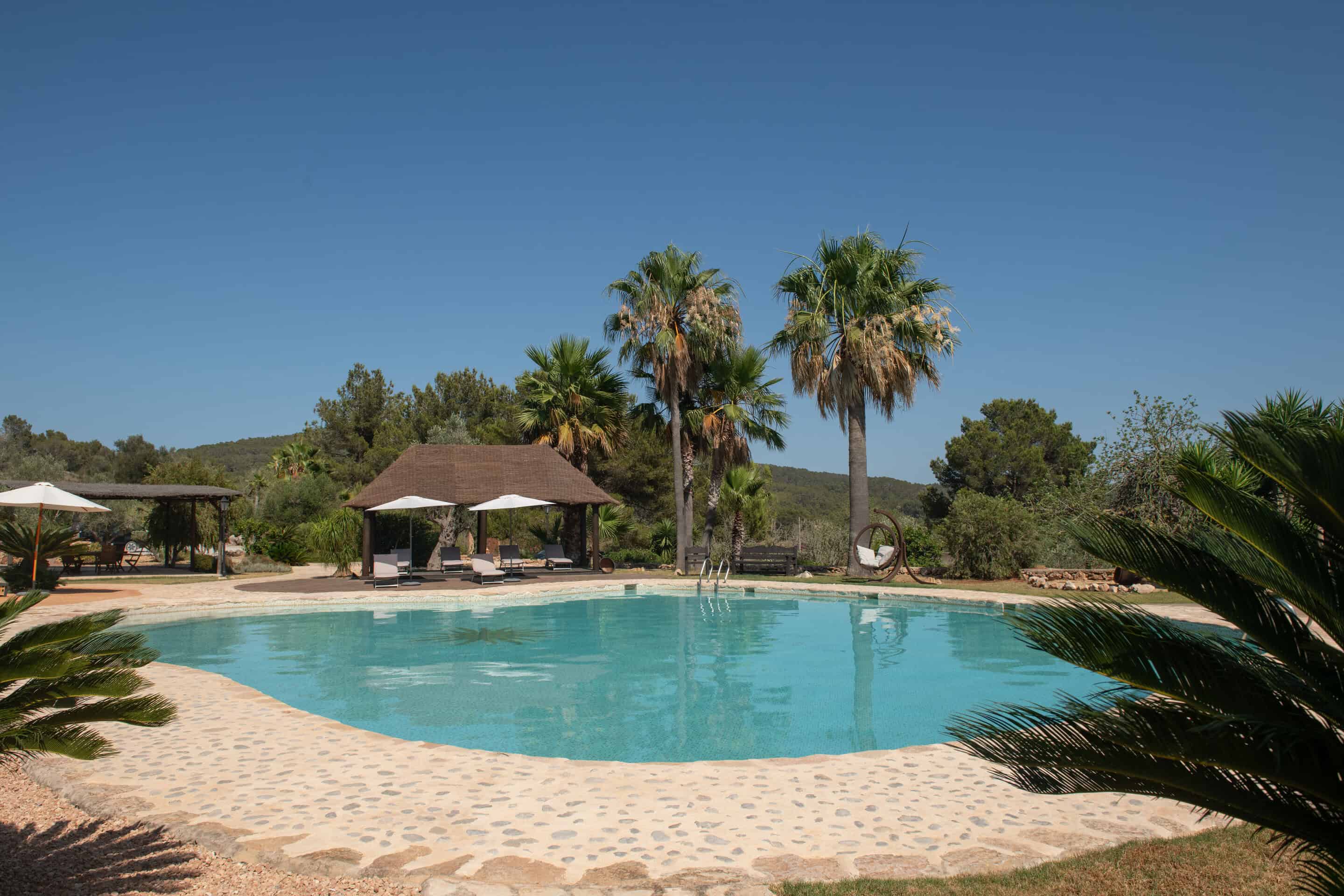
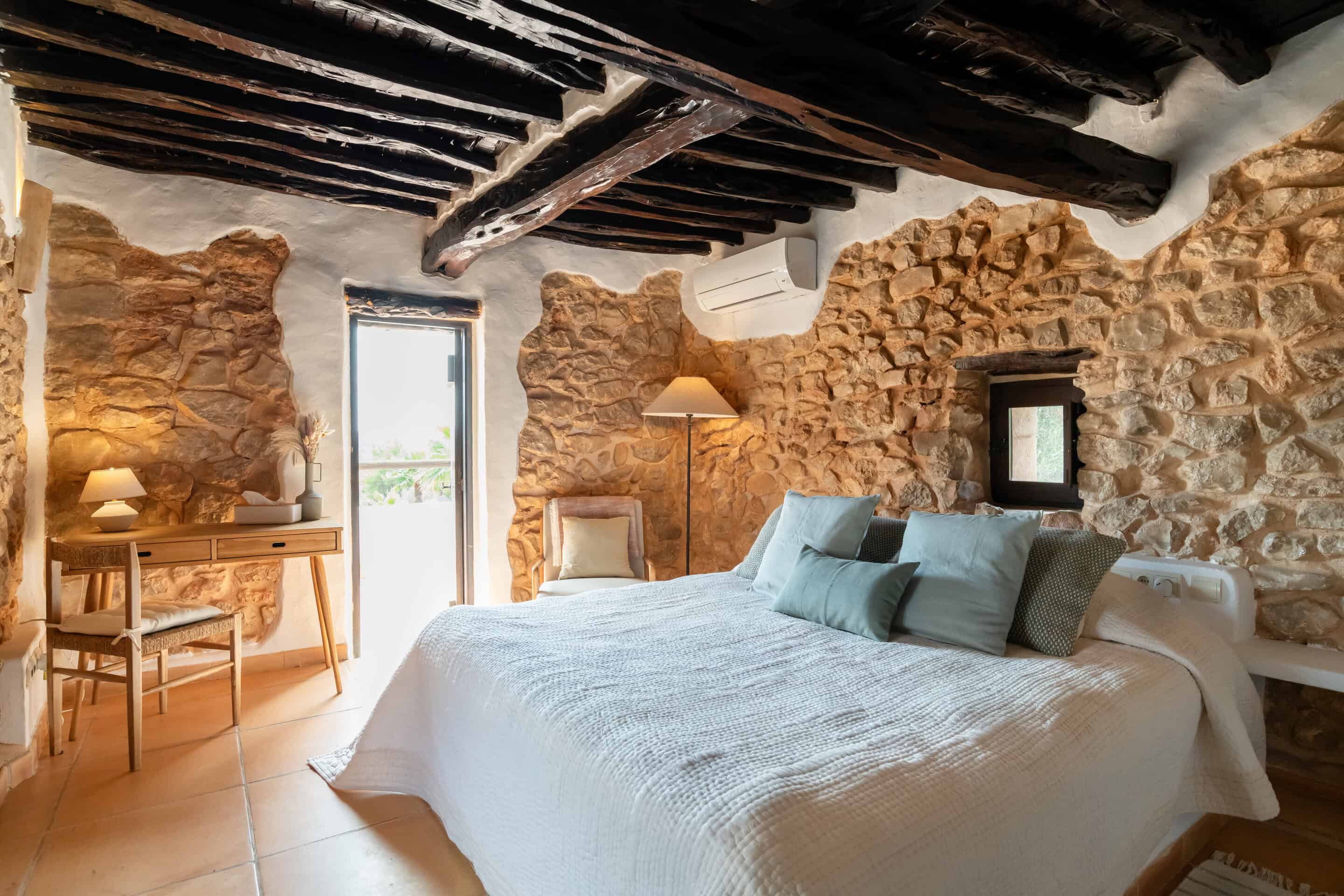
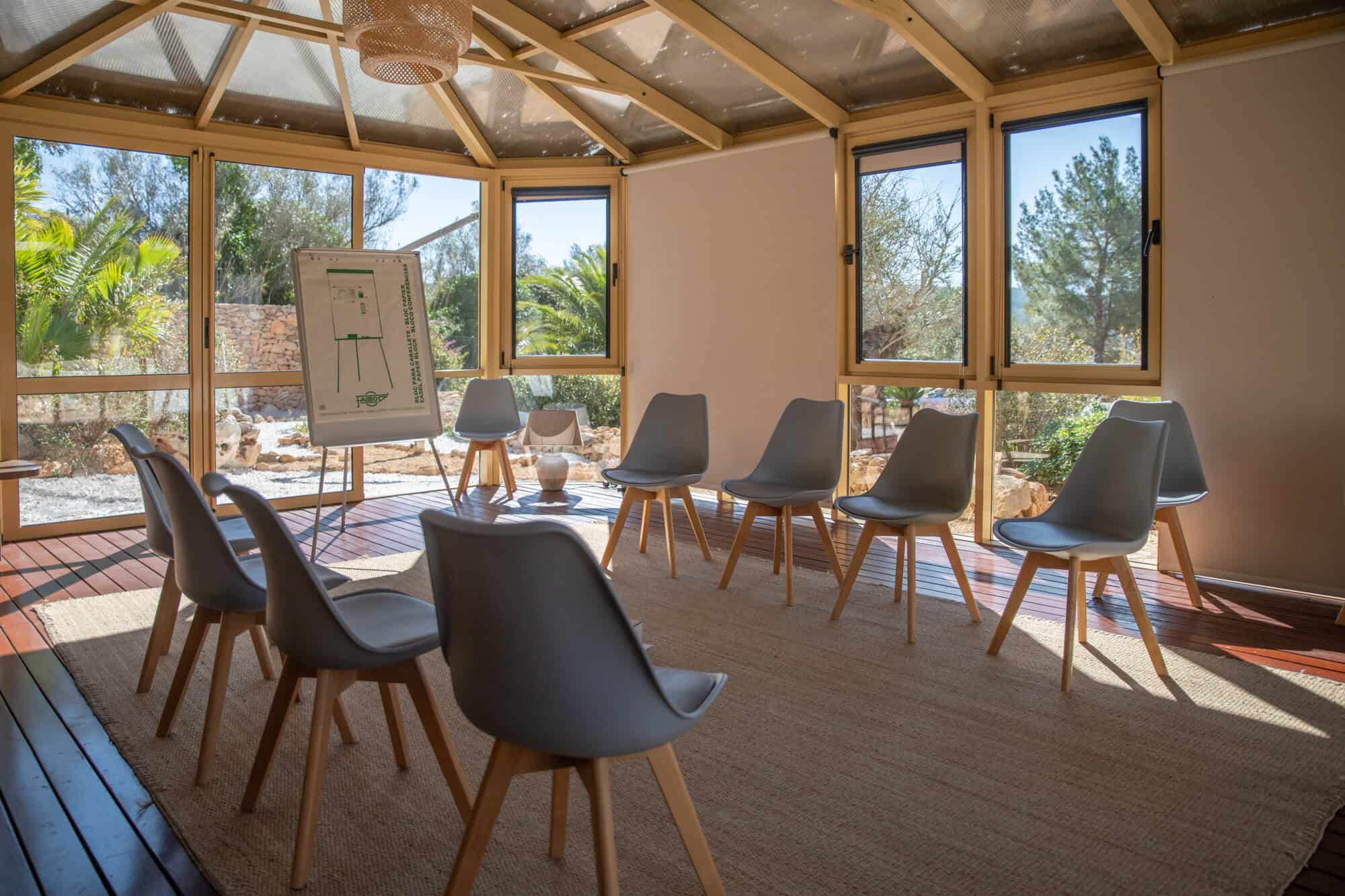
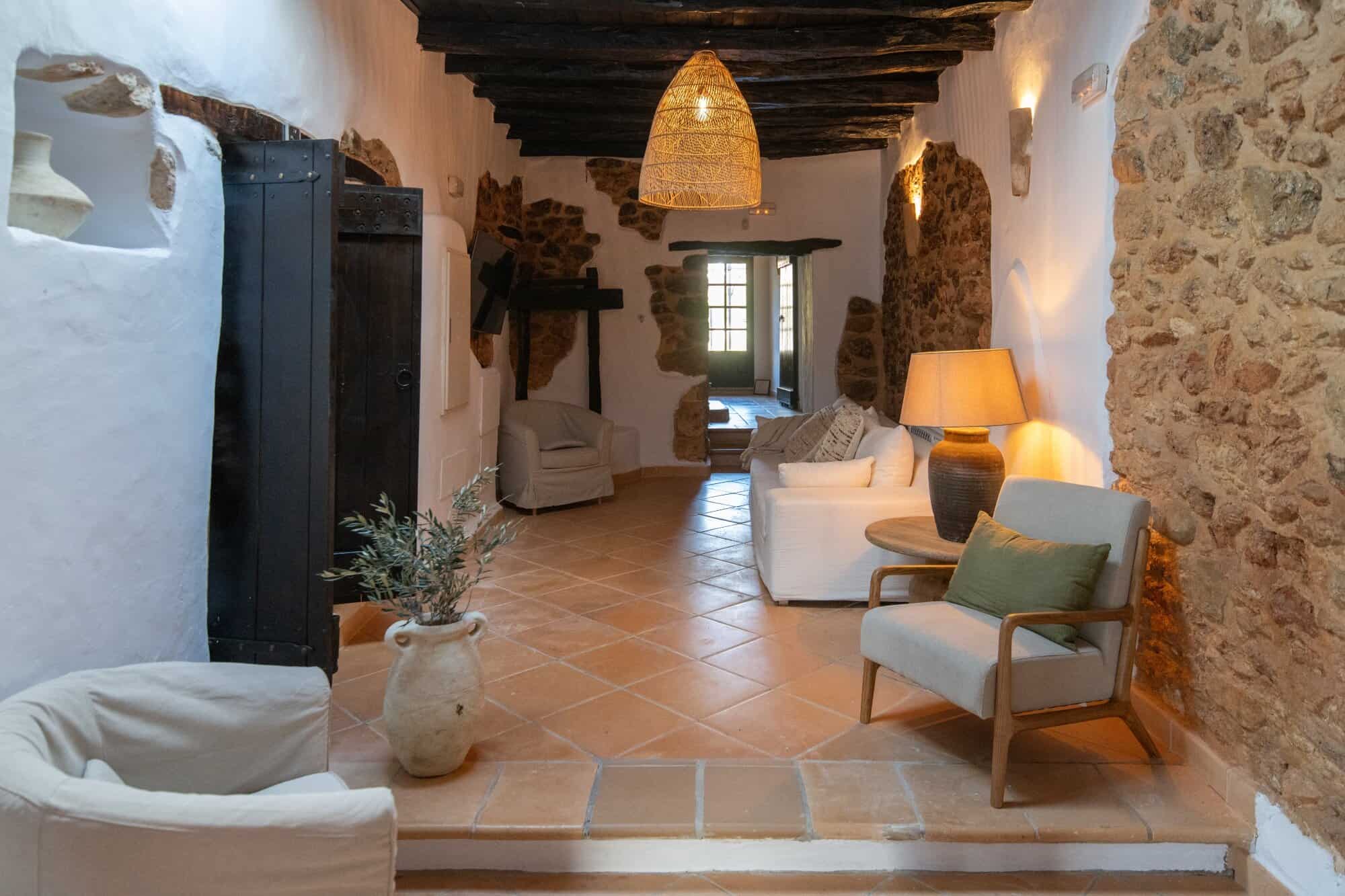
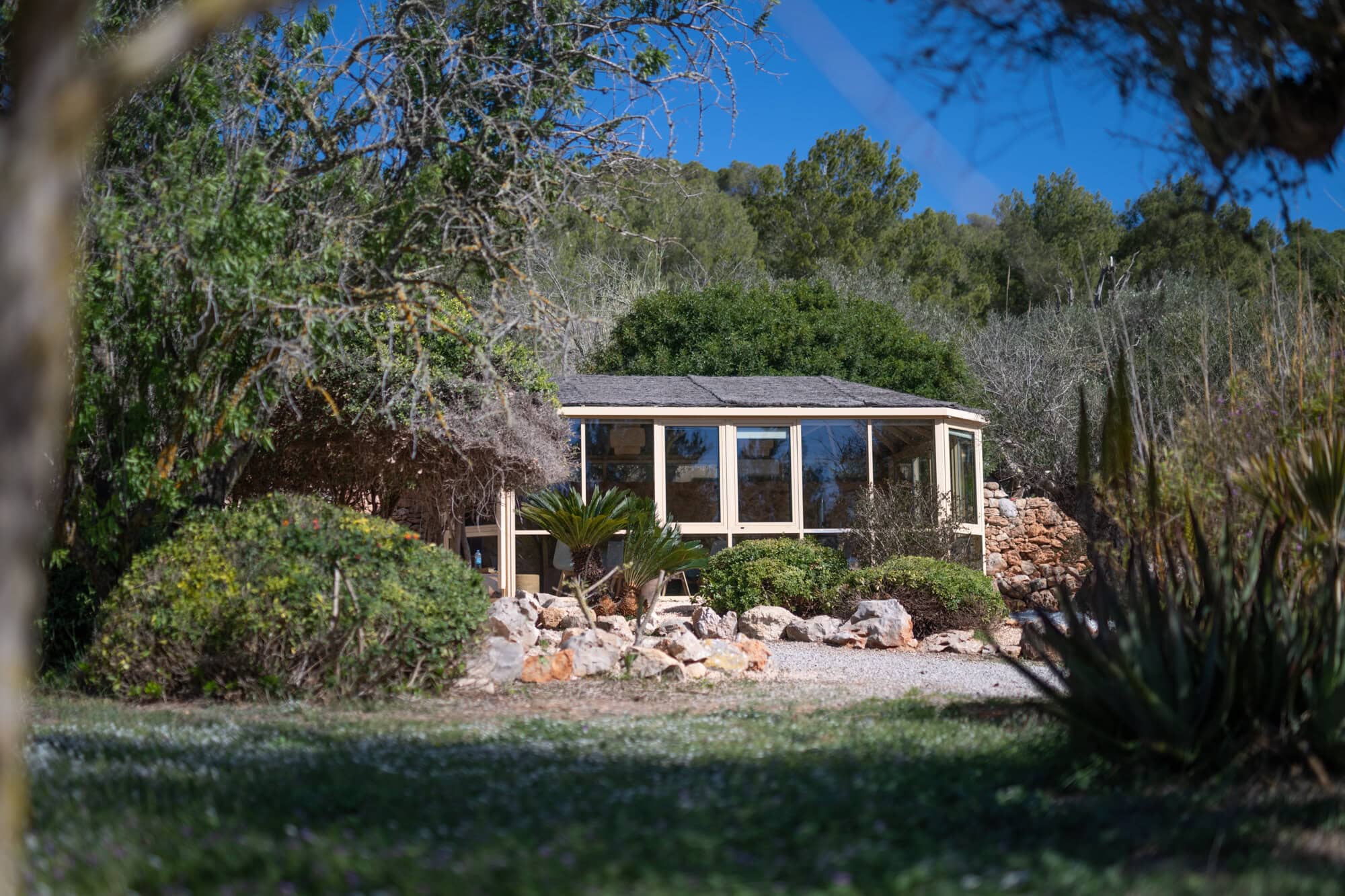
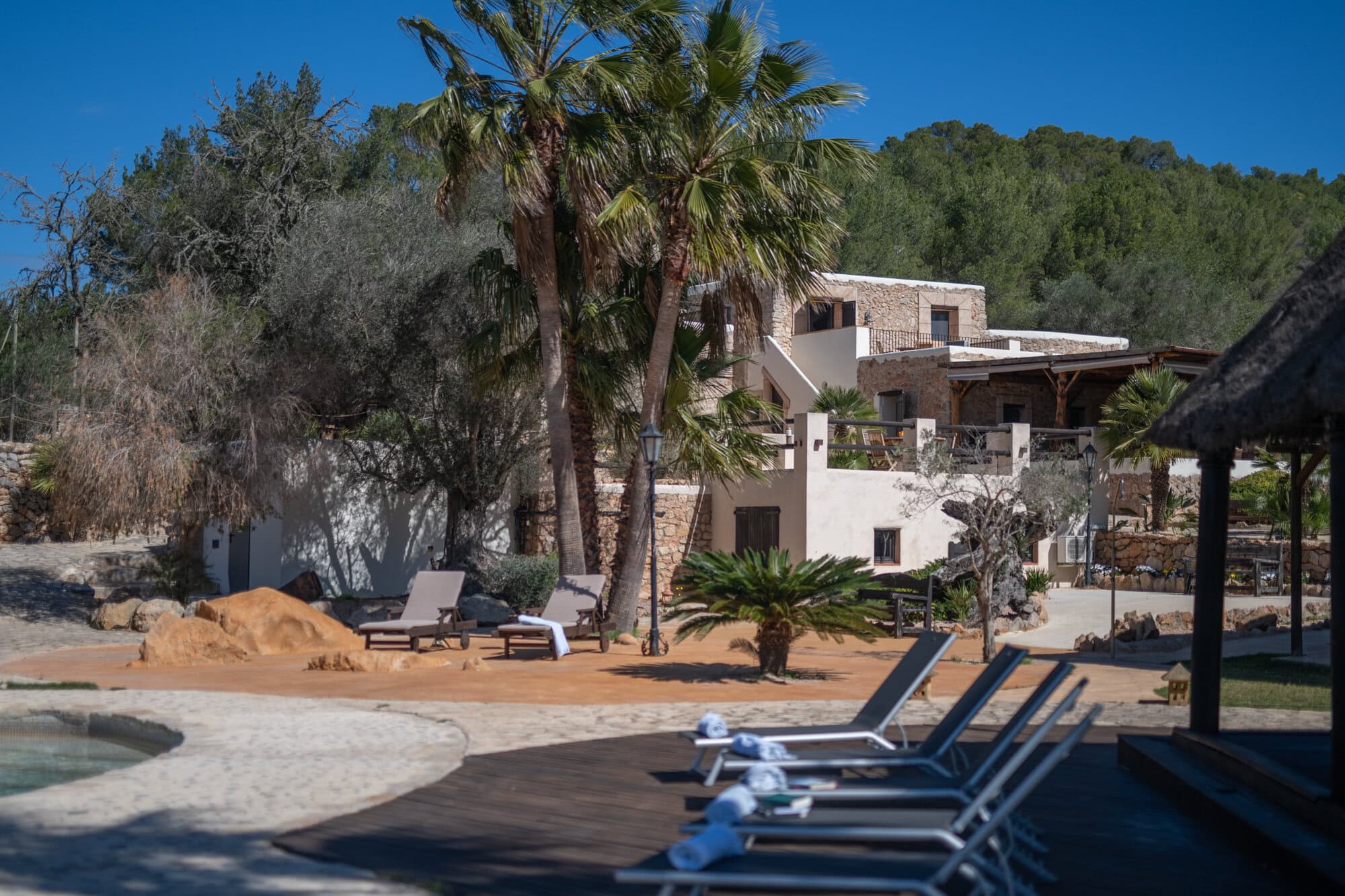
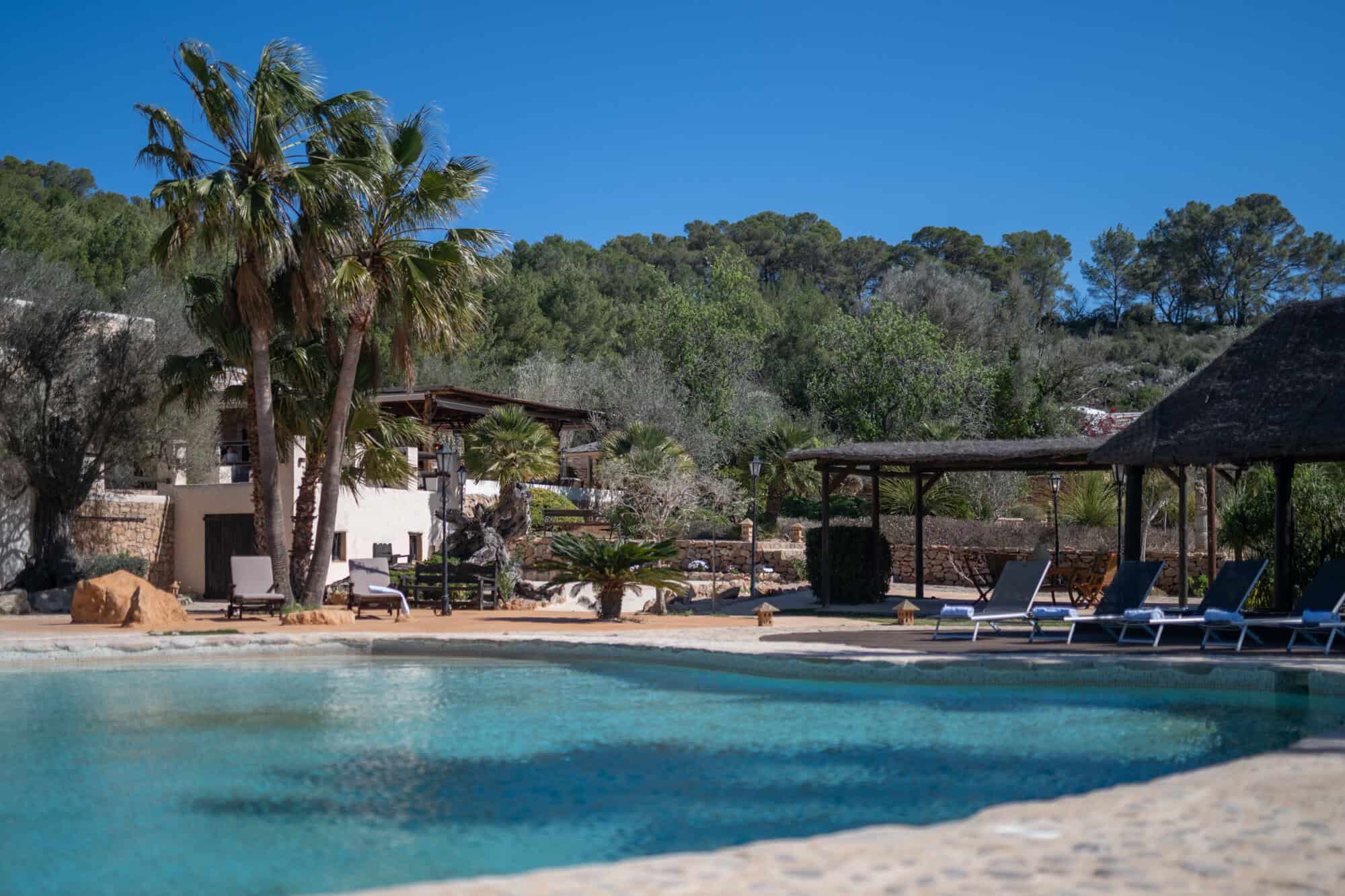
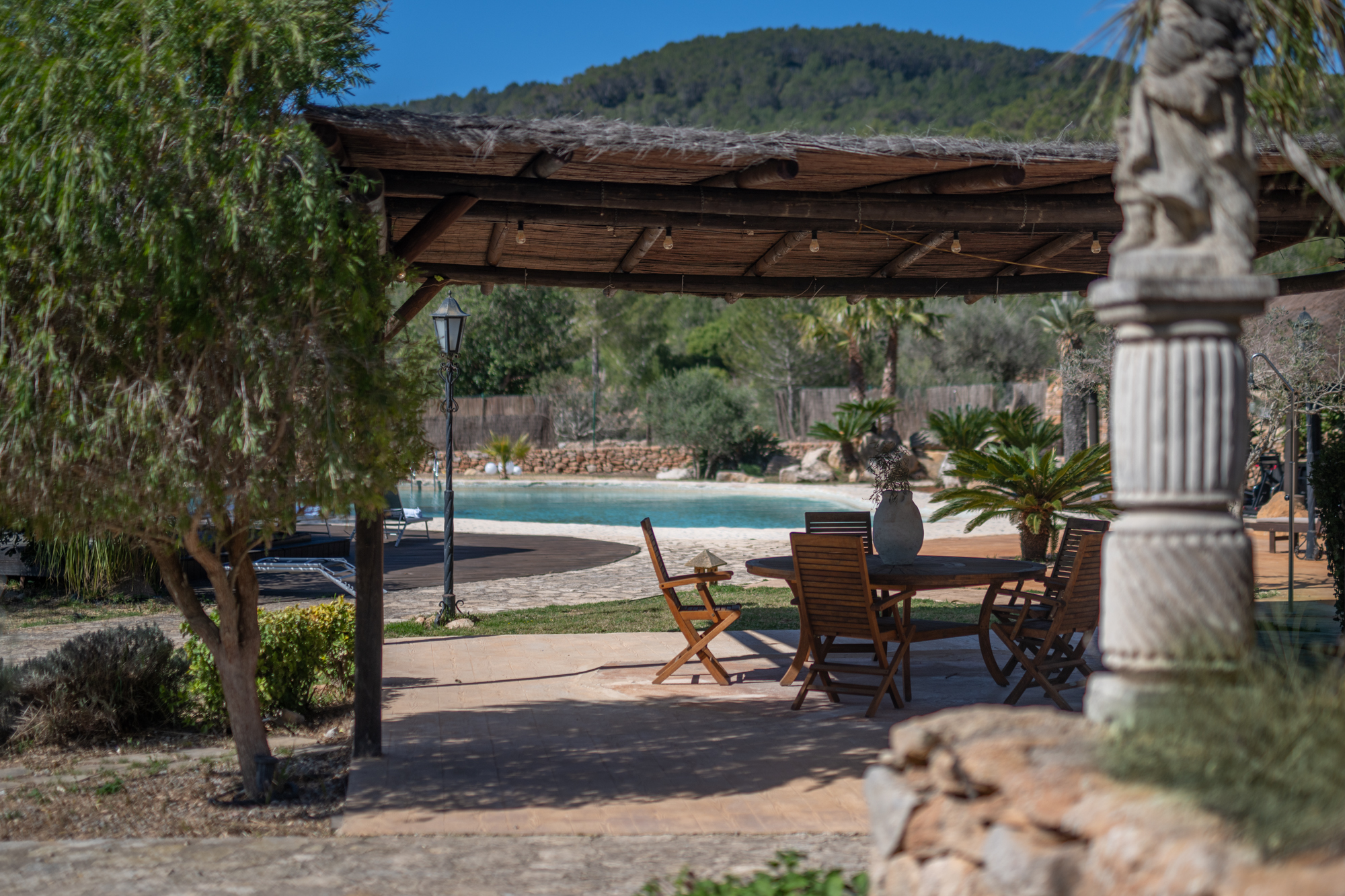
Our centre is located on a quiet 13-hectare estate in northern Ibiza, surrounded by Mediterranean gardens, natural light, and open space. The environment is intentionally designed to promote calm, privacy, and emotional safety.
The balance of structure, discretion, and space allows clients to step away from external pressures and focus fully on recovery.

Bepoke treatment

Newest techniques

Experienced team
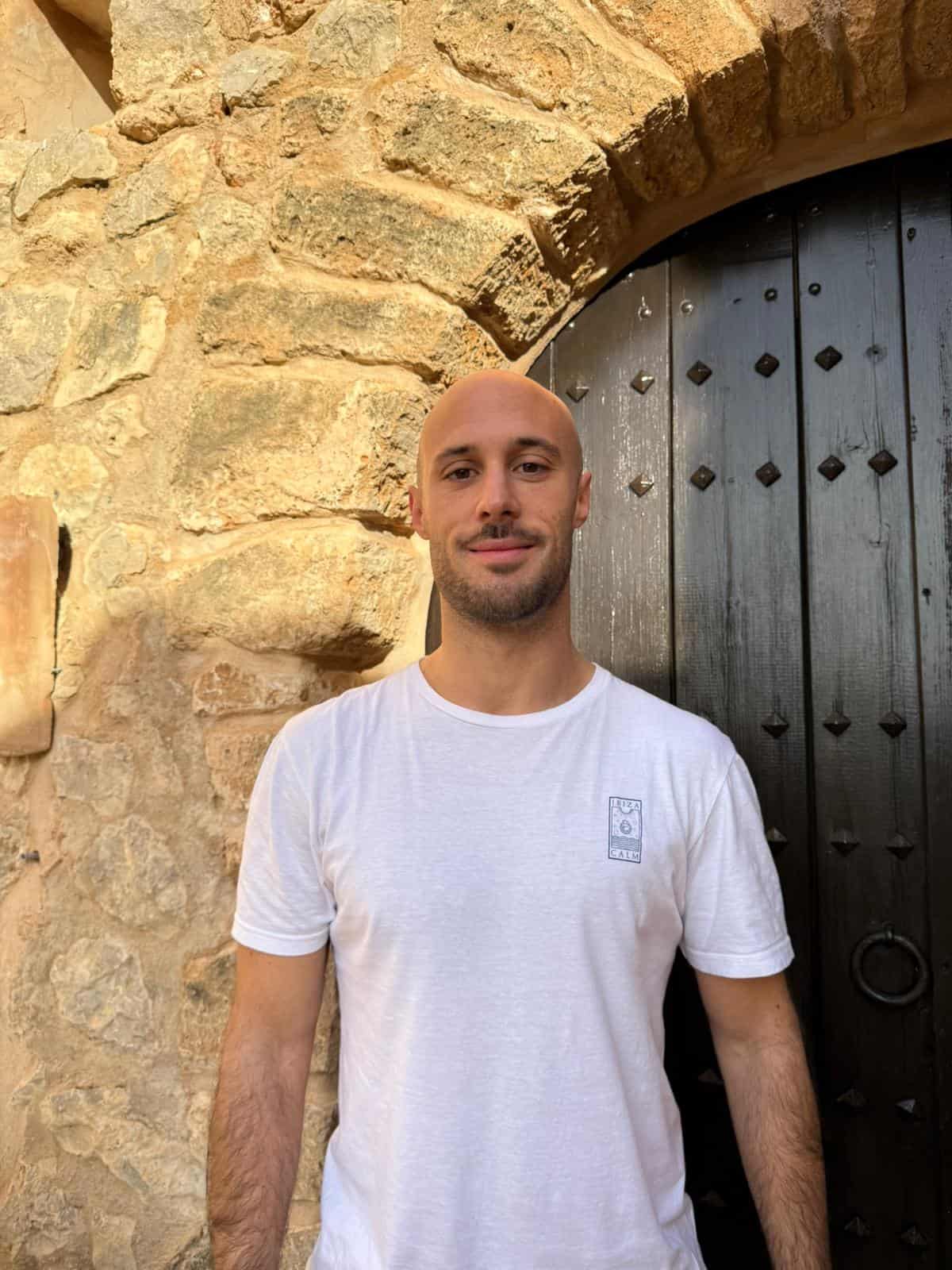
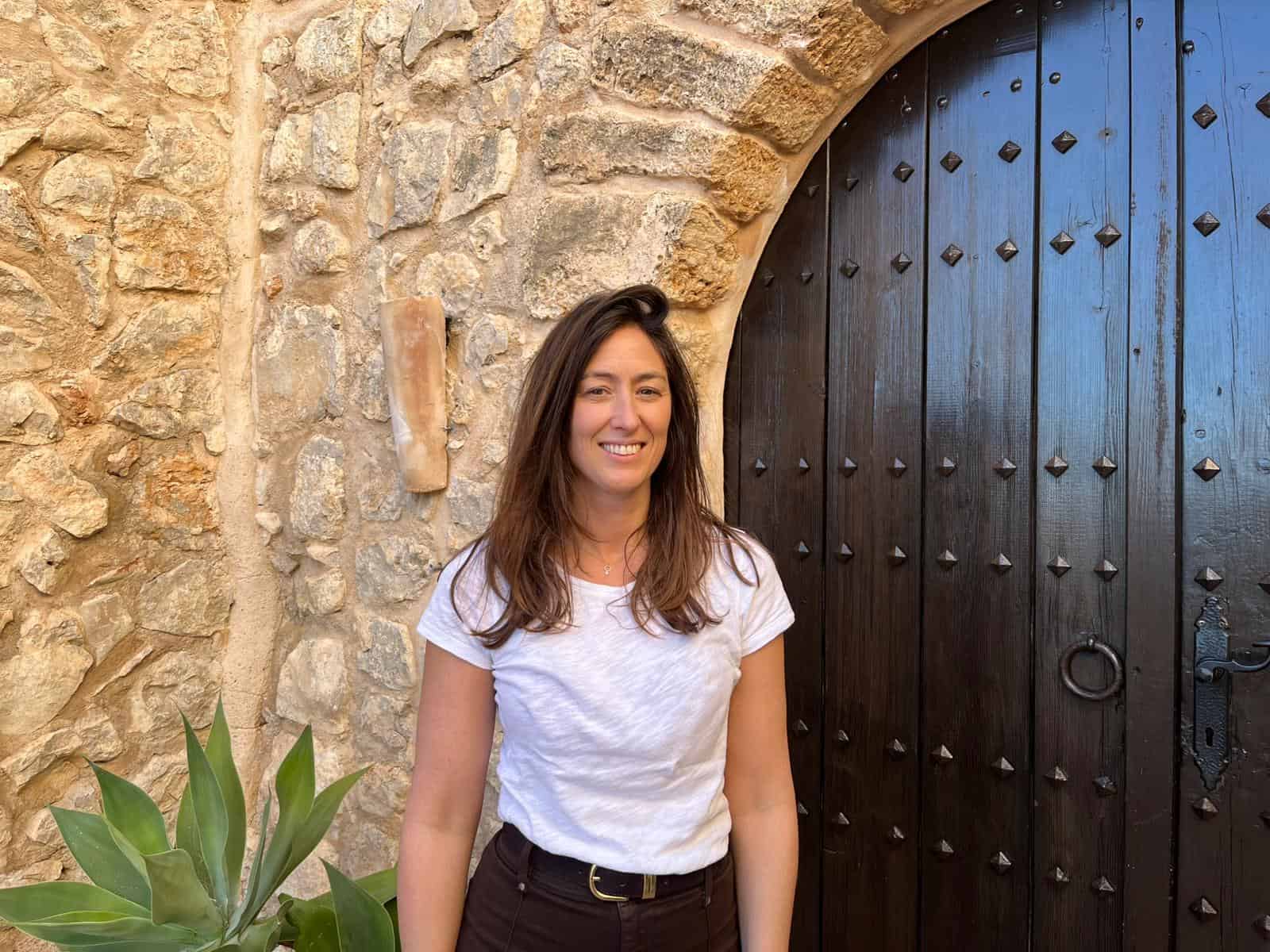
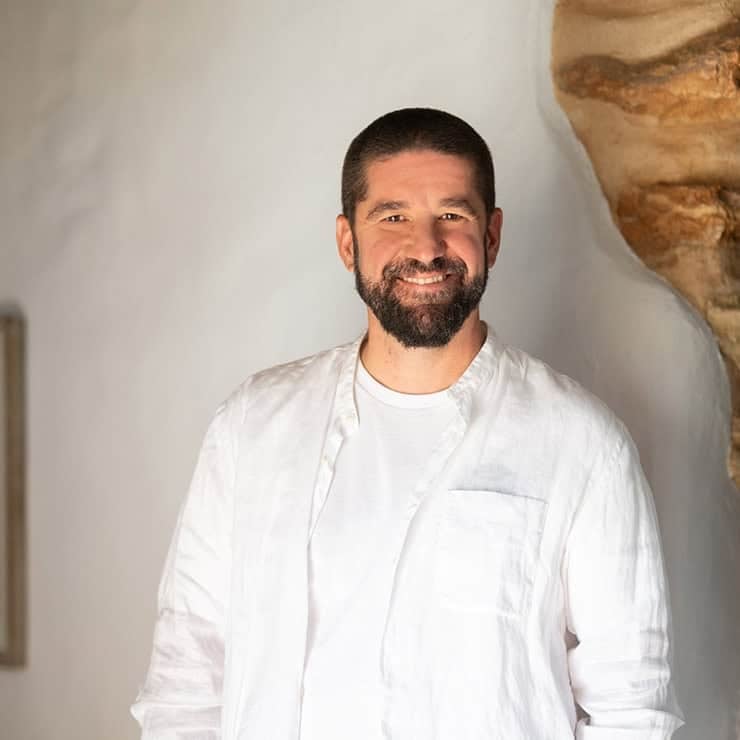
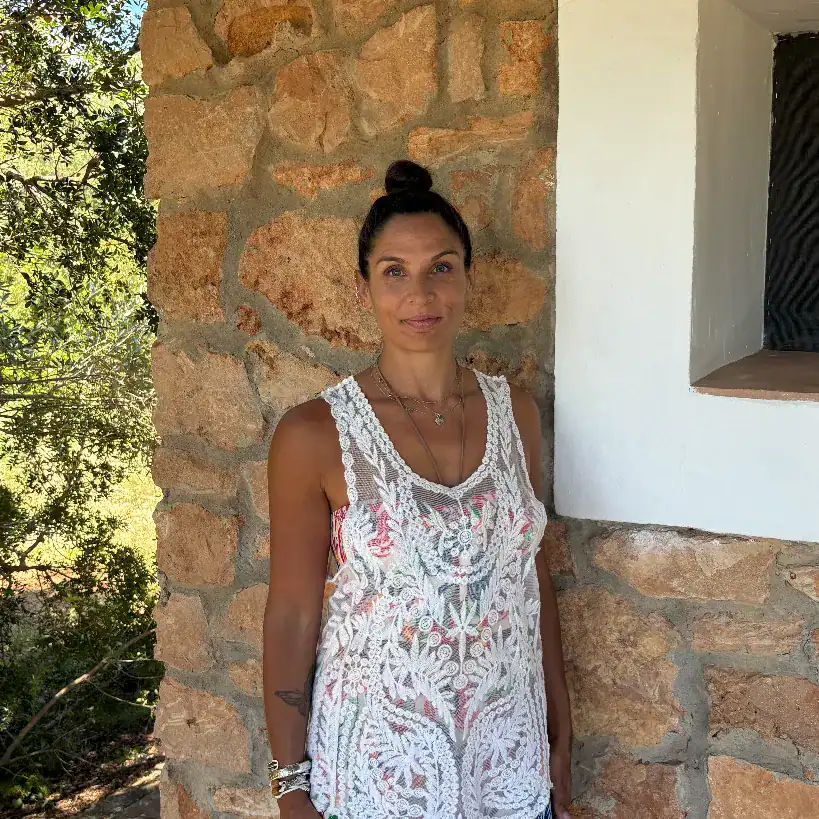
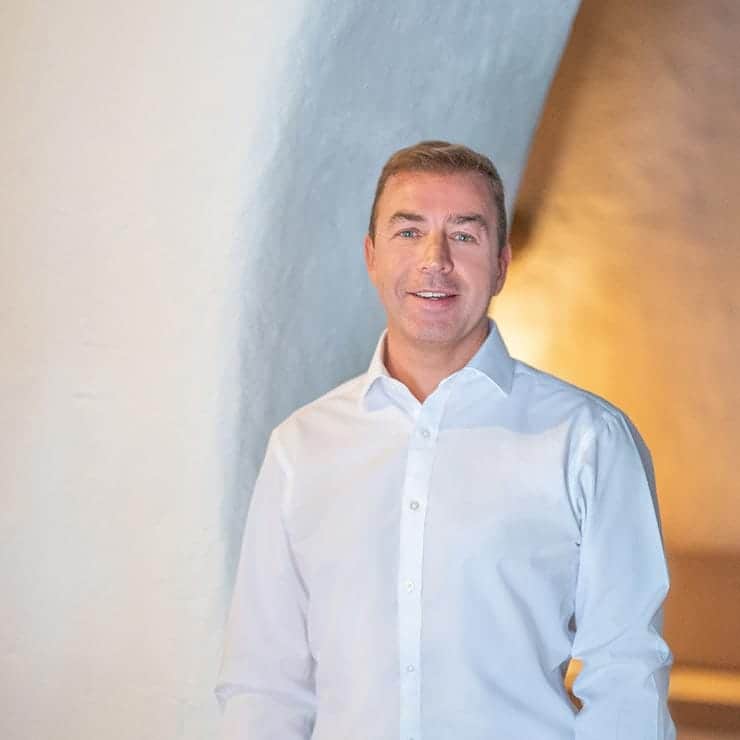
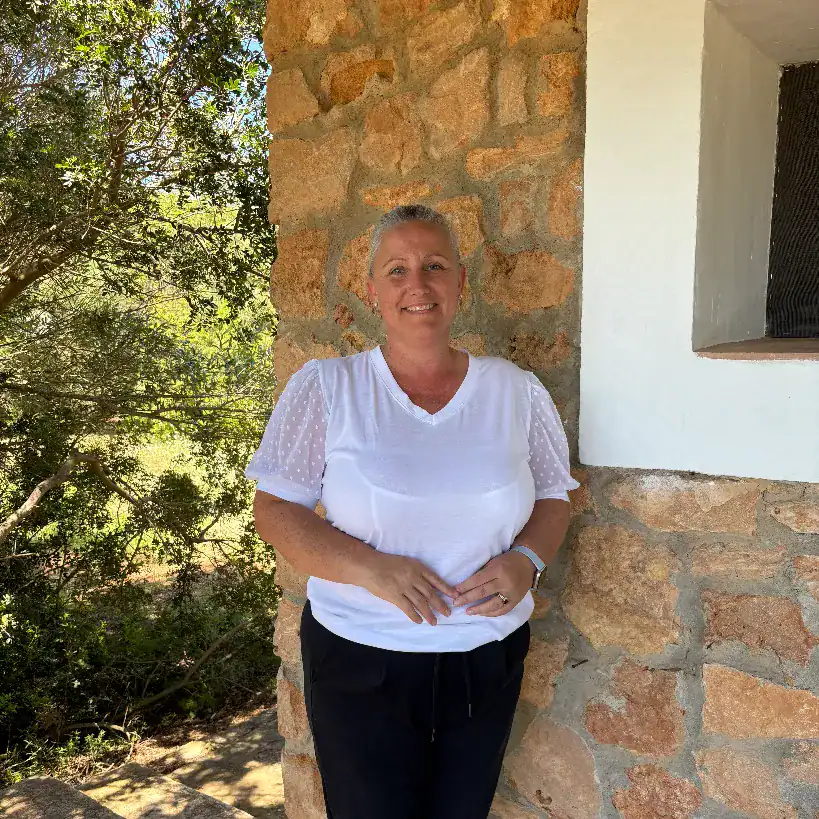
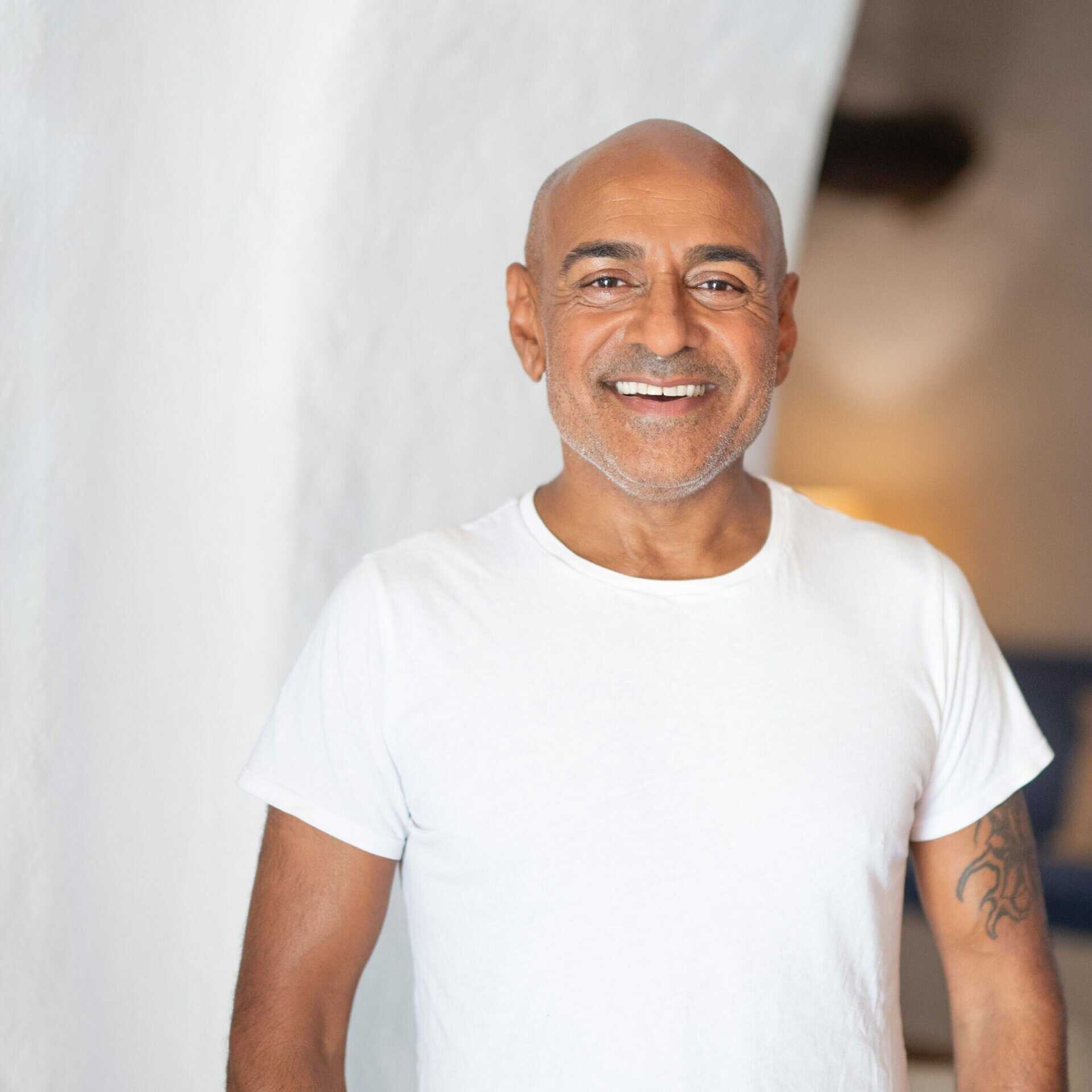
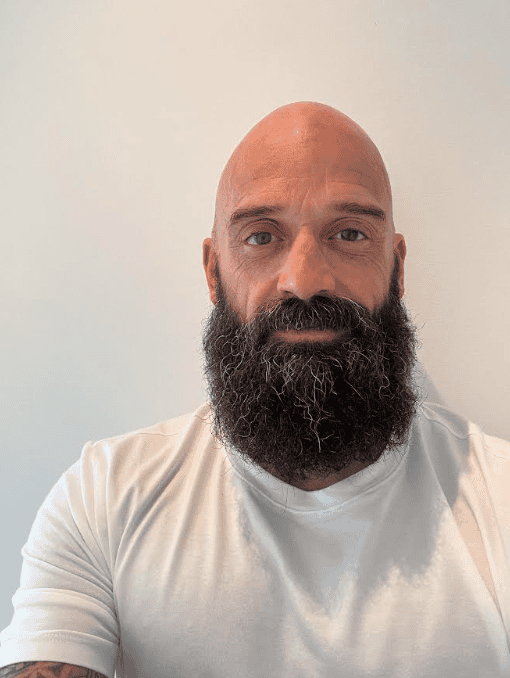
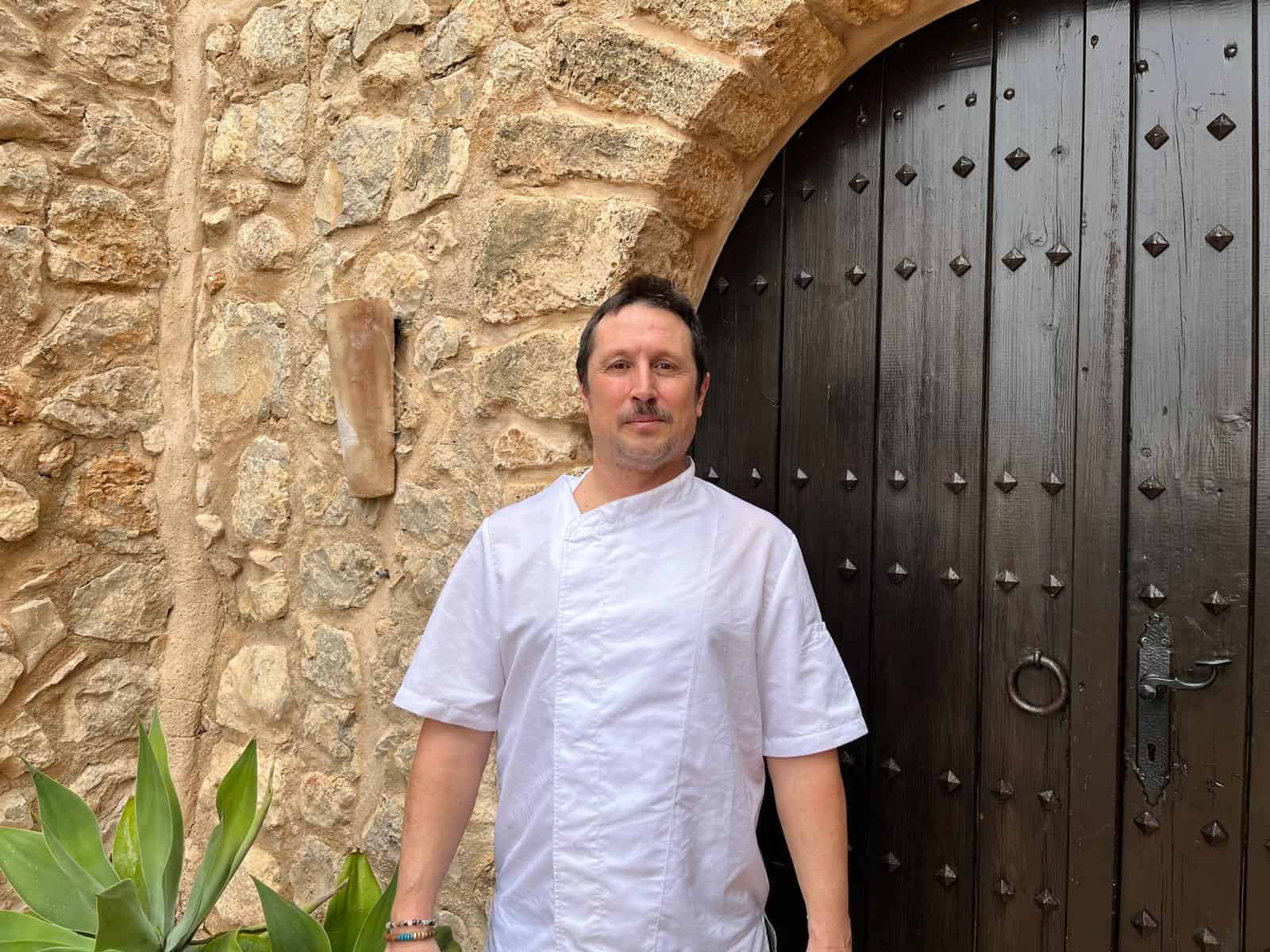
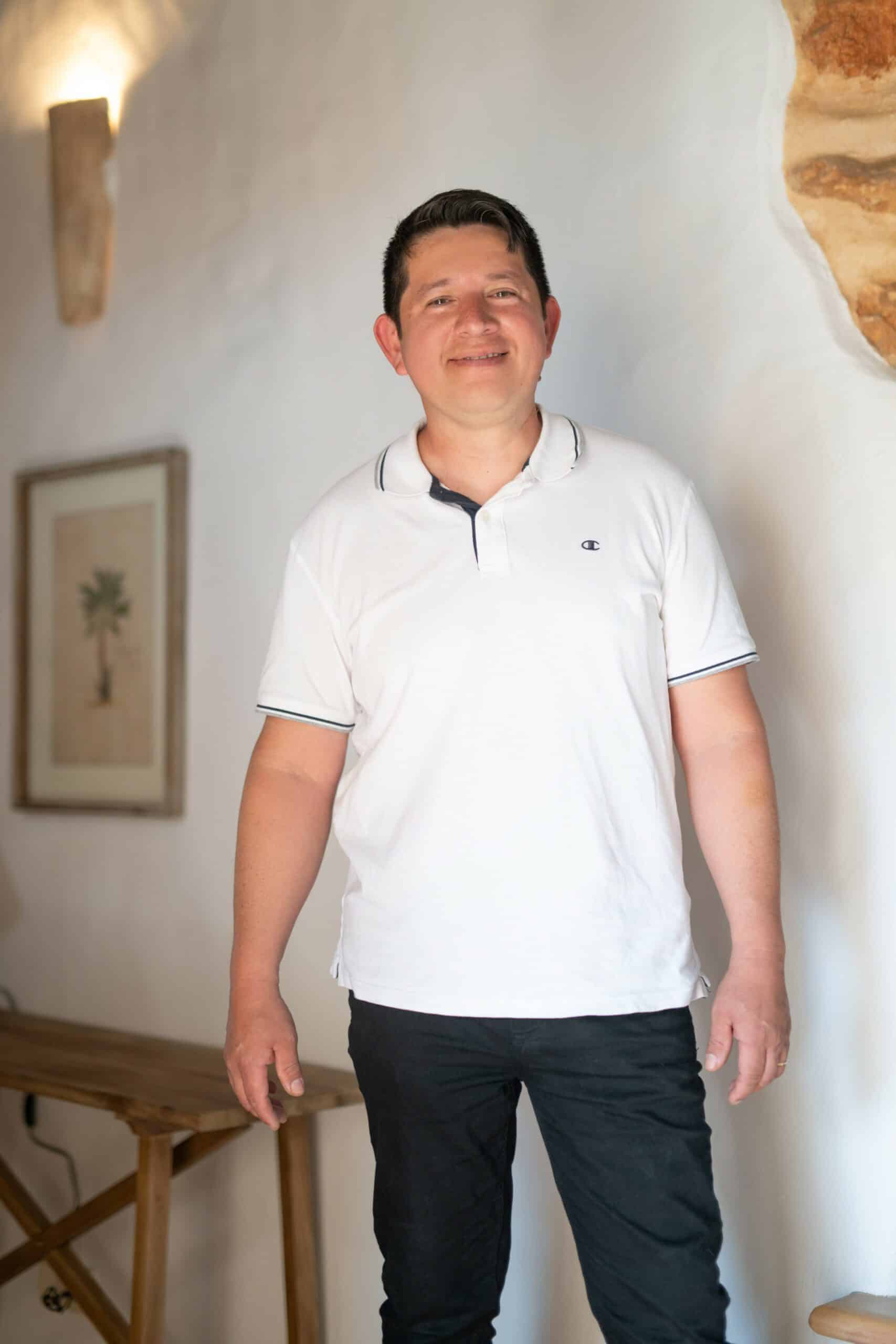
Our team and clinical approach
Gambling addiction treatment is delivered by a multidisciplinary team including:
– Psychiatrists
– Clinical psychologists
– Addiction specialists
– Nurses and medical staff
– Experienced therapists
With a carefully managed client community and high staff-to-client ratio, we provide attentive, one-to-one care. Our team has extensive experience supporting complex behavioural addictions and co-occurring mental health conditions.














Frequently Asked Questions
Is gambling addiction really an addiction?
Yes. Gambling disorder is a recognised behavioural addiction, sharing neurological and psychological features with substance use disorders.
Can professionals or high-functioning individuals develop gambling addiction?
Yes. Gambling addiction affects people from all backgrounds, including high-achieving professionals. Success or income does not protect against compulsive behaviour.
I don’t gamble every day. Do I still need treatment?
Frequency alone does not define addiction. Chasing losses, loss of control, secrecy, or emotional distress around gambling are often stronger indicators than how often someone gambles.
Why is residential treatment helpful for gambling addiction?
Residential treatment removes access to gambling, disrupts habitual patterns, and provides intensive therapeutic support to address underlying emotional drivers, impulsivity, and compulsive behaviours.
What if my main issue is debt rather than gambling urges?
Financial stress is often a consequence, not the root cause. Treatment focuses on the emotional and psychological patterns driving gambling behaviour, while also supporting practical planning around finances and accountability.
Will my finances be addressed during treatment?
Therapy focuses on emotional drivers and behaviour change. Practical financial steps and referrals can be included as part of aftercare planning.
Do you treat gambling addiction alongside depression or anxiety?
Yes. We frequently work with clients who have co-occurring anxiety, depression, trauma, ADHD, or substance use issues.
How private is treatment?
Our estate is fully private, with a limited number of clients to ensure confidentiality and discretion.
What happens during the admissions process?
After an initial confidential conversation, our clinical team gathers relevant medical and psychological information to ensure we can support your specific needs. On arrival, we complete a full medical and psychiatric assessment and create your personalised treatment plan. Our admissions process is discreet, supportive, and designed to reduce stress at what can be an emotionally difficult moment.
Will I be able to contact my family?
Yes. Family contact is arranged in a way that supports recovery and emotional stability. Family therapy can also be included when appropriate. In addition, family members are welcome to join a weekly online family support group from the beginning of treatment.
How long should I stay in residential gambling addiction treatment?
Most clients benefit from a stay of four or more weeks, as this allows enough time for safe stabilisation, therapeutic work, and building the strategies needed for long term recovery. During your assessment, our clinical team will recommend an appropriate length of stay based on your drinking patterns, withdrawal risks, and emotional needs.
Can I work remotely while in treatment?
We encourage clients to prioritise their recovery while at Ibiza Calm. In certain programmes, remote work may be possible.
What therapies will I receive?
Your programme is tailored, but typically includes individual therapy, group therapy, medical care, and holistic modalities.
Do you accept insurance?
We accept a number of international insurances, such as Cigma International and Bupa Global. We can also assist with documentation for clients seeking reimbursement, though coverage depends on individual policies.
What happens after I leave Ibiza Calm?
Before discharge, you will be introduced to the aftercare support group, and you will receive a detailed aftercare plan tailored to your needs. This may include ongoing therapy, psychiatric support, community-based groups, or outpatient treatment. We also coordinate with trusted professionals to ensure continuity of care once you return home.
THE PATH TO RECOVERY STARTS WITH A SMALL FIRST STEP
Outcomes and aftercare
Recovery from gambling addiction involves rebuilding trust, emotional regulation, and healthier coping strategies. While recovery is not linear, clients often leave treatment with improved insight, stability, and practical tools for managing urges and stress.
Each client receives a personalised aftercare plan and coordinated referrals to support long term recovery.
As part of our aftercare offering, clients are invited to attend a weekly therapist-facilitated aftercare group held online. This group is available for up to one year following discharge and provides ongoing support, structure, and connection during the transition back to daily life.
Testimonials
What our clients say
K

February 2026
C
February 2026
K
January 2026
J
December 2025
M
December 2025
J
December 2025
D
July 2025
C

July 2025
R
July 2025
S
June 2025
P
May 2025
J
May 2025
J
April 2025
D
April 2025
S
March 2025
D
March 2025


Take the next step
If gambling is affecting your life or the life of someone you love, help is available. You do not need to wait for things to get worse.
Contact our team in confidence to learn more about residential treatment for gambling addiction at Ibiza Calm.