


Mental Health Rehabilitation
Eating disorder treatment

Treatment for eating disorders
Eating disorders are complex mental health conditions that affect both physical health and emotional wellbeing. They can develop quietly and persist for years, often accompanied by secrecy, shame, and a sense of losing control around food, body image, or eating behaviours.
Many people delay seeking help because they do not feel “ill enough”, fear being misunderstood, or believe recovery is not possible. At Ibiza Calm, we offer discreet, residential eating disorder treatment in a calm and supportive setting, helping individuals stabilise physically, address underlying psychological factors, and rebuild a healthier relationship with food and themselves.
What is an eating disorder?
An eating disorder is a mental health condition involving persistent disturbances in eating behaviour, often driven by distressing thoughts, emotions, and beliefs about food, weight, shape, or control.
Eating disorders can affect people of any age, gender, background, or body size. Not everyone with an eating disorder appears underweight or visibly unwell. Weight alone is not a reliable indicator of severity.
Eating disorders frequently coexist with anxiety, depression, trauma, perfectionism, and difficulties with emotional regulation.
Types of eating disorders
The impact of eating disorders
Eating disorders can affect nearly every area of life, including:
→ Physical health complications and nutritional instability
→ Emotional distress, anxiety, and depression
→ Obsessive thoughts around food, eating, or control
→ Social withdrawal and isolation
→ Disrupted work, education, or relationships
Without appropriate treatment, symptoms often intensify over time.























Why eating disorders are hard to face alone
Many individuals with eating disorders experience intense shame or fear around seeking help. Some feel their disorder is “part of who they are”, while others worry about losing control or being forced into change.
Because eating disorders often involve both psychological and physical risk, residential treatment may be recommended when:
→ Eating behaviours are severely restricted or chaotic
→ Medical stability is a concern
→ Outpatient treatment has not been effective
→ Co-occurring mental health conditions are present
THE PATH TO RECOVERY STARTS WITH A SMALL FIRST STEP
Eating disorder treatment at Ibiza Calm
Treatment at Ibiza Calm begins with a comprehensive medical and psychological assessment, including nutritional and psychiatric evaluation.
Each client receives a personalised treatment plan, typically recommending a residential stay of around four weeks, though this may vary depending on clinical needs and safety considerations.
Our approach includes:
→ Medical monitoring and stabilisation
→ Psychological therapies addressing underlying drivers
→ Structured daily support around eating and routines
→ One-to-one therapy as the primary focus
→ Group therapy where appropriate
→ Holistic therapies to support nervous system regulation
→ 24/7 clinical oversight
Core pillars of treatment
Ask yourself…
Whether or not you consider yourself an addict or someone with mental health-related issues, if your behaviour has gotten out of control, Ibiza Calm can help.
Does someone I know need help?
Do I need help?
Is my life out of control?
Am I an addict?
Mental Health Rehabilitation
Life at Ibiza Calm
A typical day may include:
- individual therapy
- group sessions
- meetings with clinical and medical staff
- restorative practices such as yoga, mindfulness, or equine-assisted therapy
- nutritious meals prepared onsite
- structured personal time for rest, reflection, or gentle routines
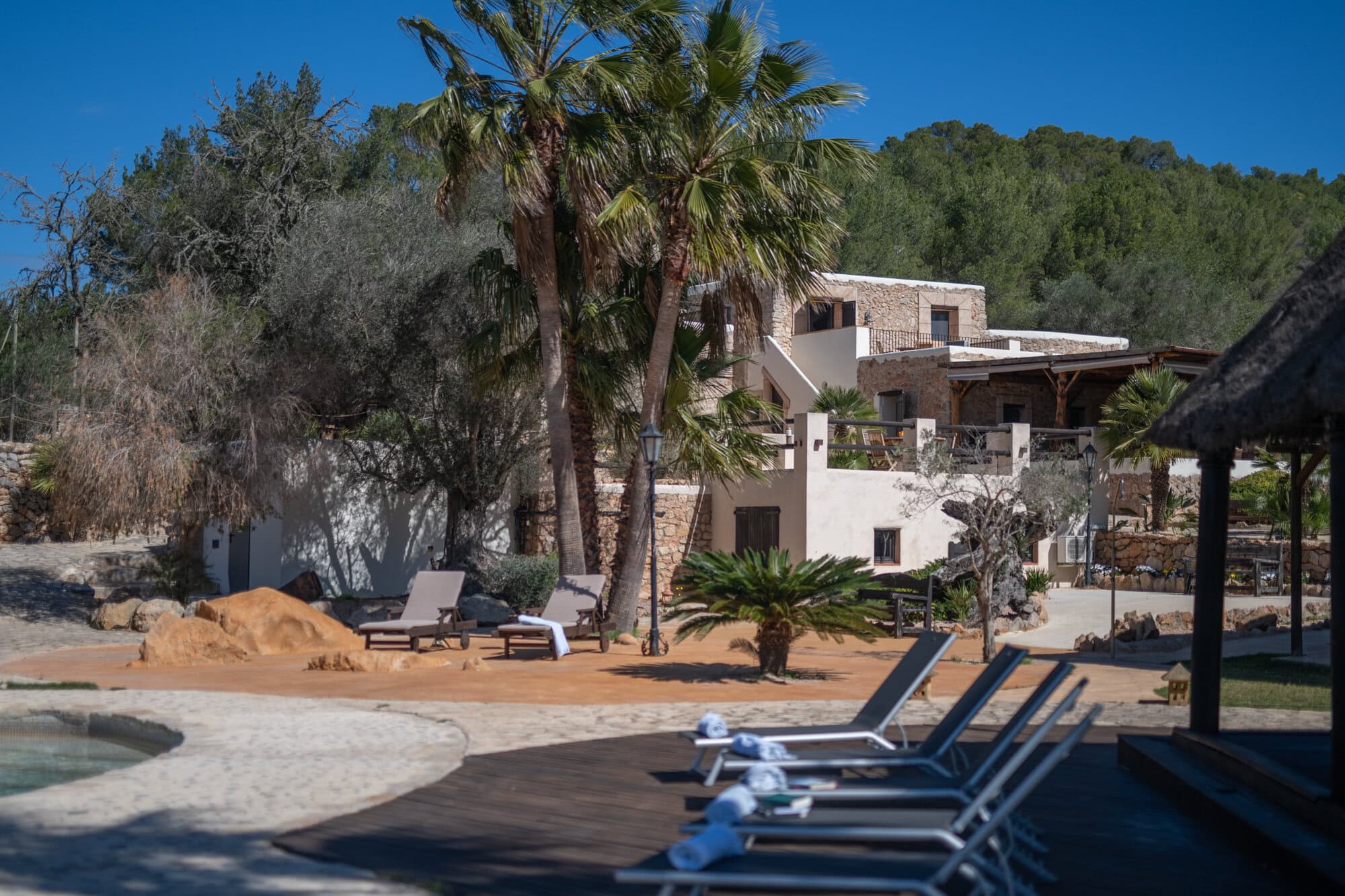
Ibiza Calm is set within a 13-hectare private estate in northern Ibiza, surrounded by Mediterranean gardens and natural landscape.
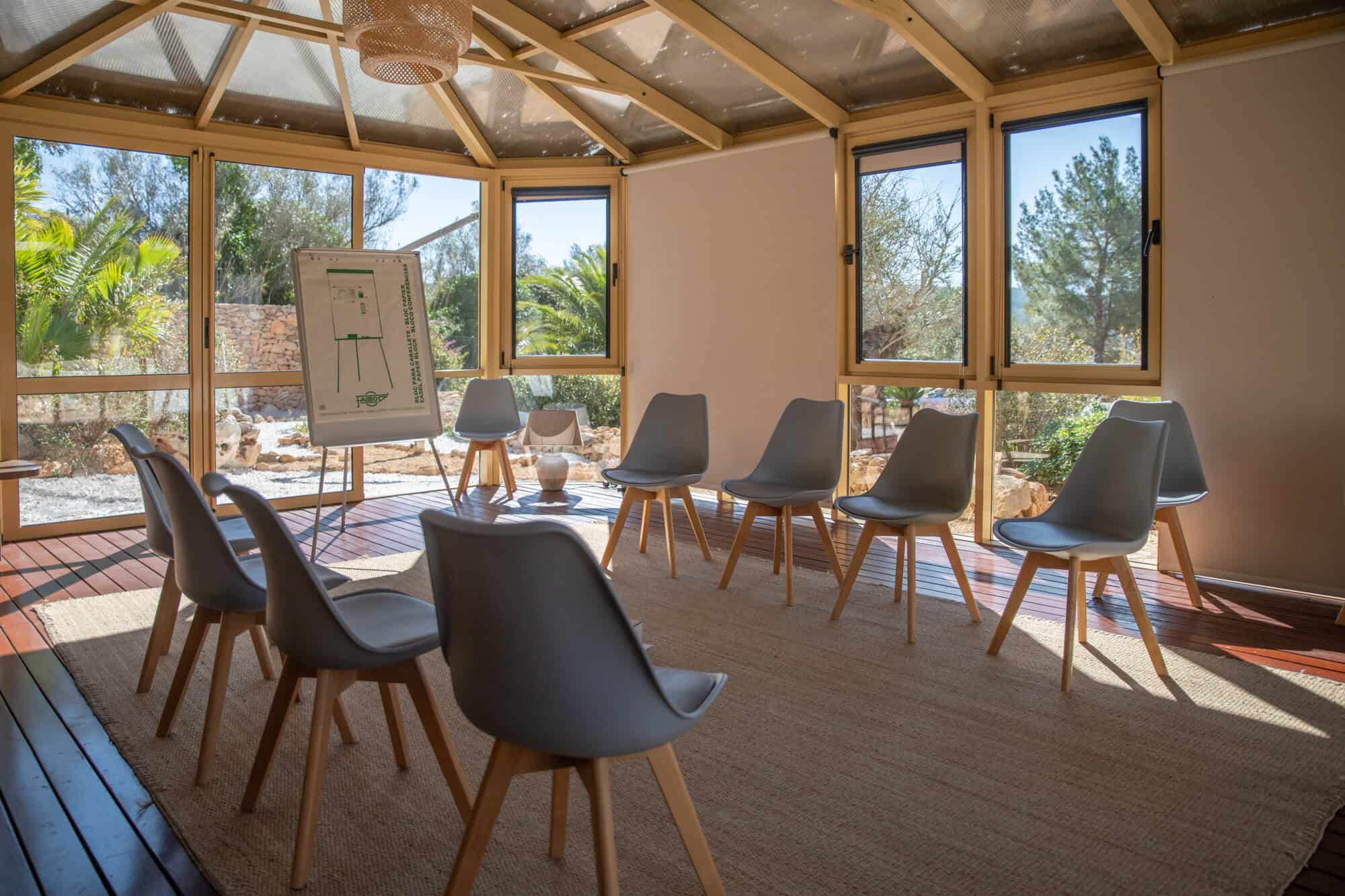
Daily life follows a gentle but structured rhythm, balancing therapy, rest, nourishing meals, and time in nature. The environment is intentionally designed to promote calm, safety, and restoration, allowing the nervous system to recover from prolonged stress.

Bepoke treatment

Newest techniques

Experienced team
Our team and clinical approach
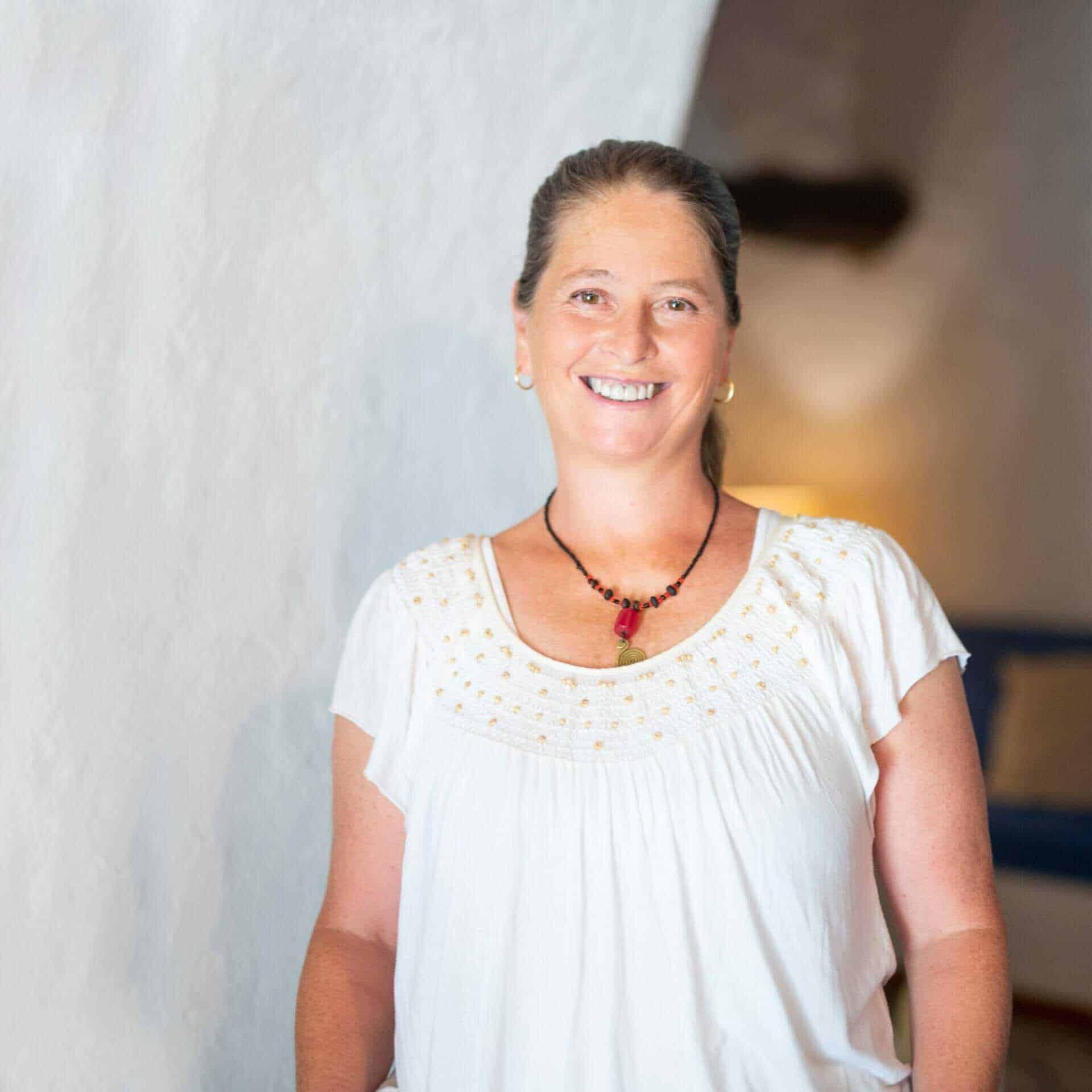
Treatment for eating disorders is delivered by a multidisciplinary team including:
– Psychiatrists
– Clinical psychologists
– Addiction specialists
– Nurses and medical staff
– Experienced therapists
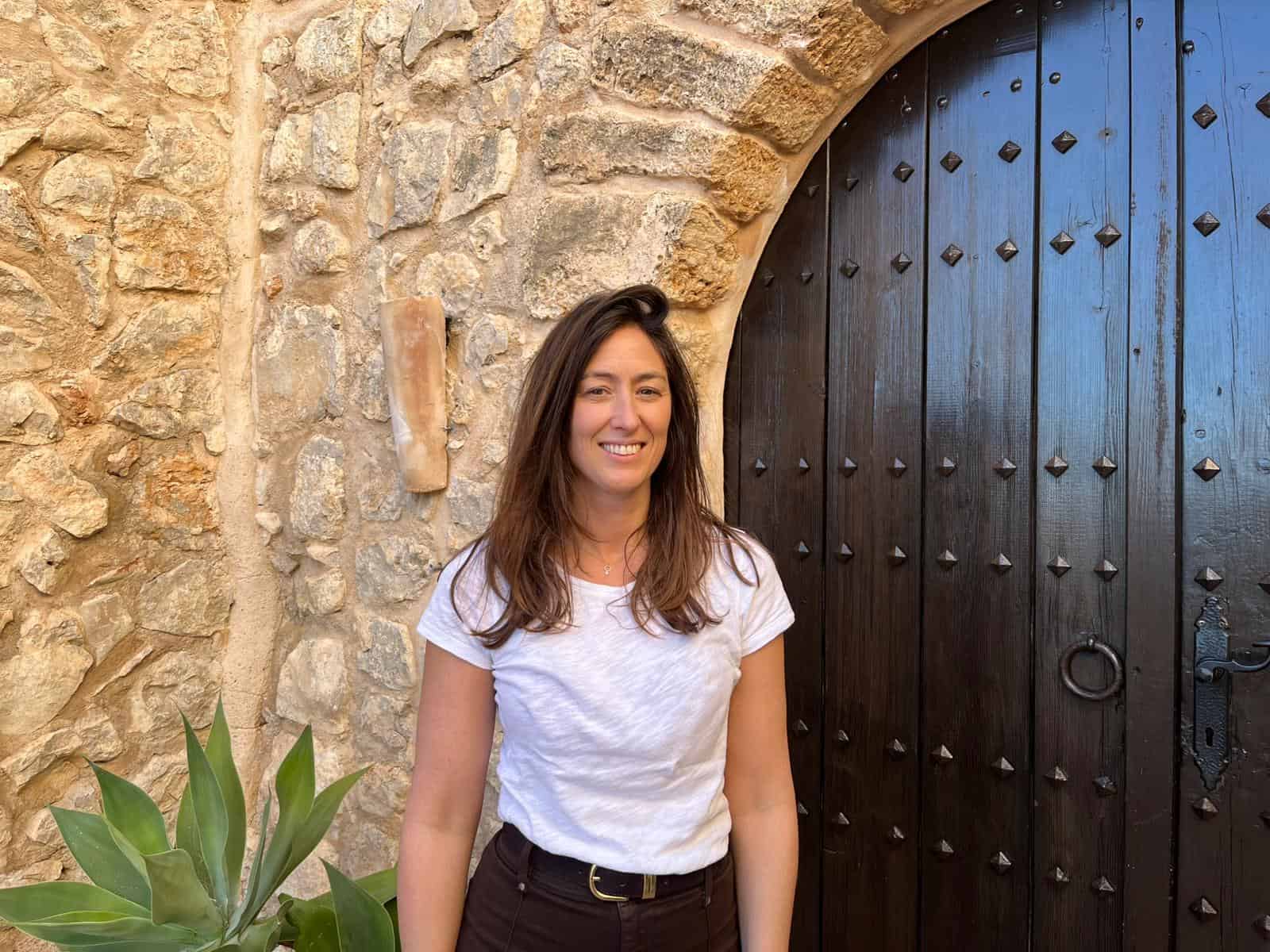
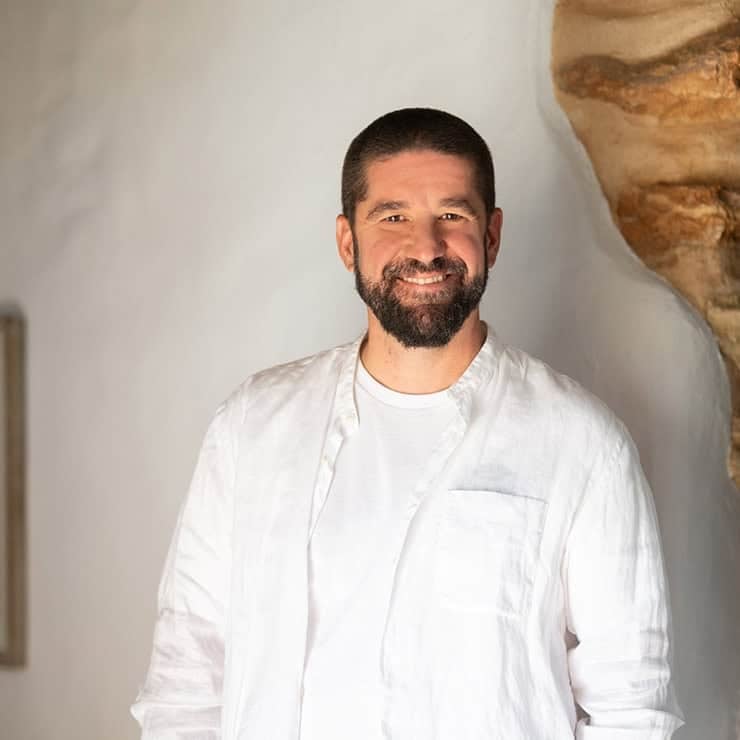
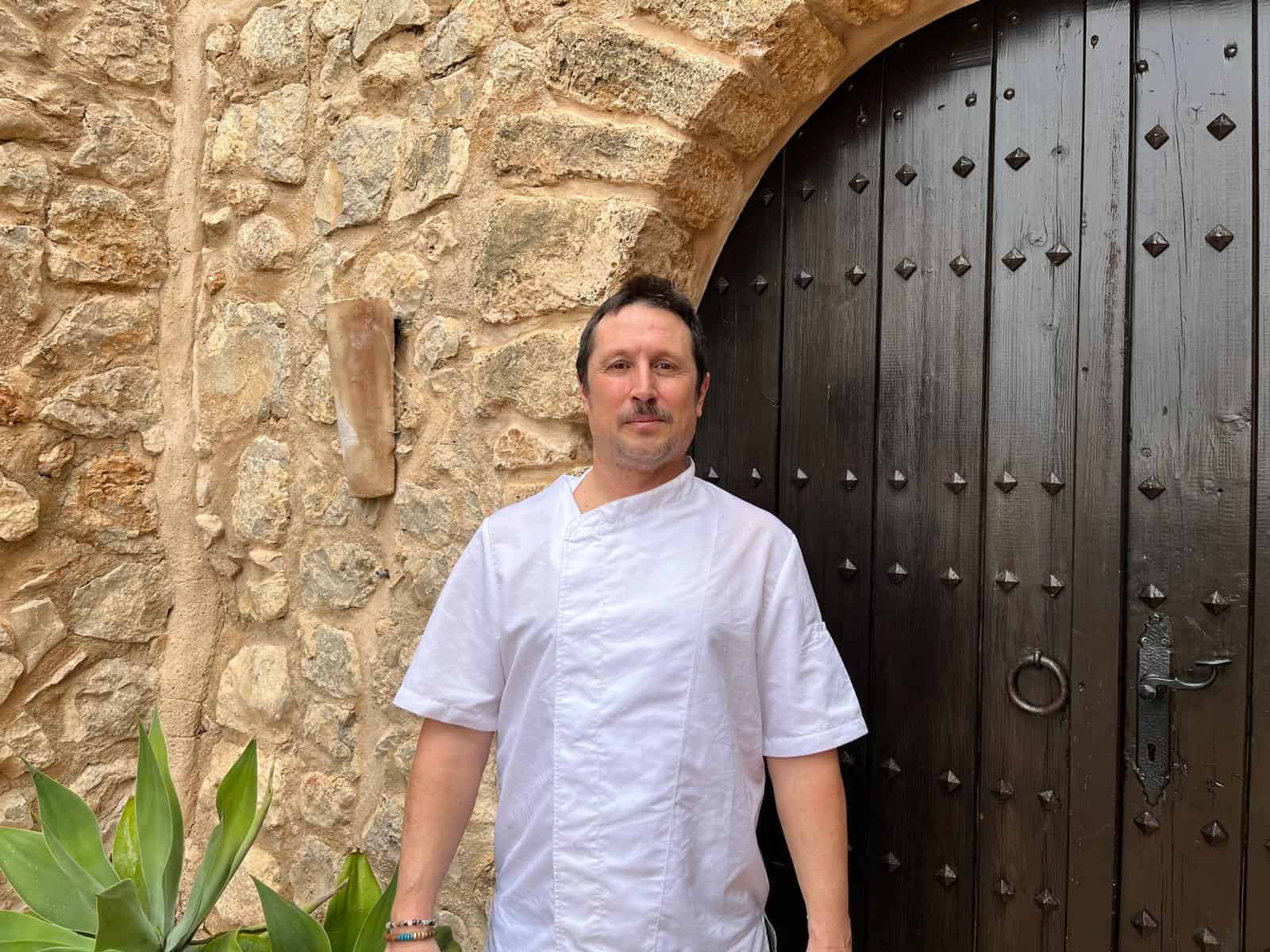
We maintain low client numbers and high staff-to-client ratios, enabling attentive, individualised care throughout each stay.


















Frequently Asked Questions
Do you treat eating disorders in all body types?
Yes. Eating disorders can affect individuals at any weight or size.
How is nutrition approached during treatment?
Nutrition support is handled collaboratively and with care. Each client works together with their therapist, doctor, and treatment team to agree on a personalised plan that prioritises physical safety, emotional readiness, and gradual, sustainable change. The focus is always on support and understanding, never pressure or coercion.
Can eating disorders occur alongside addiction or anxiety?
Yes. We regularly treat eating disorders alongside anxiety, depression, trauma, or substance use.
Is residential treatment necessary?
Residential care may be recommended when medical risk is present, symptoms are severe, or outpatient support has not been sufficient.
How long should I stay in residential treatment for an eating disorder?
Many clients benefit from a stay of four or more weeks. Your recommended length will depend on symptom severity, clinical history, and your goals.
What happens during the admissions process?
After a confidential conversation, we gather any relevant medical and psychological information. On arrival, you receive a full psychiatric and medical assessment to shape your personalised treatment plan.
How private is the treatment?
Our estate is secluded and fully private, with a limited number of clients to ensure confidentiality and space.
Will I be able to contact my family?
Yes. Family contact is arranged in a way that supports recovery and emotional stability. Family therapy can also be included when appropriate. In addition, family members are welcome to join a weekly online family support group from the beginning of treatment.
What therapies will I receive?
Your programme is tailored, but typically includes individual therapy, group therapy, medical care, and holistic modalities.
Do you accept insurance?
We accept some international insurances, such as Cigma International and Bupa Global. We can also provide documentation for clients seeking reimbursement, though coverage is subject to individual policies.
Can I receive treatment if I also take prescription medication?
Yes. Our medical team reviews all current medications and adjusts plans safely.
What happens after I leave Ibiza Calm?
Before discharge, you will be introduced to the aftercare support group, and you will receive a detailed aftercare plan tailored to your needs. This may include ongoing therapy, psychiatric support, community-based groups, or outpatient treatment. We also coordinate with trusted professionals to ensure continuity of care once you return home.
THE PATH TO RECOVERY STARTS WITH A SMALL FIRST STEP
Outcomes and aftercare
Recovery from an eating disorder is a process. Our focus is on stabilisation, insight, and building sustainable coping strategies.
Each client leaves with a structured aftercare plan and support recommendations to help maintain progress after treatment.
Testimonials
What our clients say
D

2024
C

2024
R
2024
S
2024
P
2024
J
2024
J
2024
D
2024
S
2024
D
2024


Take the next step
If you are struggling with an eating disorder, or are concerned about someone close to you, support is available.
Contact our team in confidence to explore whether residential eating disorder treatment at Ibiza Calm is the right next step.