


Drug Addiction Treatment
Cocaine addiction treatment

Treatment for cocaine addiction
Cocaine use does not always begin as a crisis. For many people, it starts as “a bit of fun” – often used either socially or as a performance-enhancing substance to boost confidence, energy, or production, before its use becomes harder to manage and control. Fairly quickly, the emotional crash, cravings, and impact on mental health begin to outweigh any short-lived high.
At Ibiza Calm, we provide specialised residential treatment for cocaine addiction in a private setting in northern Ibiza. With a deliberately limited number of clients, 24/7 medical oversight, and a highly experienced clinical team, we offer personalised care designed to stabilise, restore balance, and support long term recovery.
Many people who come to us say they waited longer than they needed to, often because they weren’t sure their cocaine use was “serious enough”. If cocaine use is affecting your wellbeing, work, relationships, or emotional stability in any way, immediate support is key.
If you are unsure if treatment is for you, our online assessment tool may prove useful.
What is cocaine addiction?
Cocaine is a powerful stimulant drug derived from the coca plant, historically used in traditional medicine but now widely misused for its intense euphoric effects. It stimulates the central nervous system, rapidly increasing dopamine levels in the brain’s reward pathways.
Cocaine addiction develops when repeated use alters the brain’s chemistry, leading to tolerance, cravings, and compulsive use despite negative consequences. While the high is often brief, the emotional and physical after-effects can be significant.
It is also important to understand, as part of the initial assessment, exactly what substance was used and how the substance was used, as there are different forms of cocaine.
Crack cocaine, for example, is a smokable form of cocaine that produces a faster, more intense high, followed by a rapid crash. Its short-lived effects significantly increase addiction risk and binge use.
We also treat “pink cocaine” (2C-B) use. Despite its name, pink cocaine is not cocaine. It is a synthetic psychoactive substance often mixed with other drugs such as ketamine or fentanyl, making it particularly dangerous and unpredictable.
Signs and symptoms of cocaine addiction
Cocaine abuse and addiction can manifest in various physical, behavioural, and psychological symptoms:
Cocaine addiction can escalate quickly, particularly when used to cope with stress, low mood, or performance pressure.























To Delete
Copy
Copy
Copy
Copy
Why it’s hard to face cocaine addiction alone
Cocaine addiction often carries a strong sense of shame and denial. Because users may continue functioning outwardly, by maintaining jobs and social lives, it can be difficult to recognise when use has crossed into dependence.
Delaying treatment can increase risks such as:
→ Worsening depression or anxiety
→ Increased cravings and binge patterns
→ Physical health complications
→ Emotional burnout and isolation
Residential treatment is especially appropriate when:
→ Attempts to stop or cut down have failed
→ Cocaine is being used to self-medicate mental health symptoms
→ Mood crashes or suicidal thoughts occur during withdrawal
→ Other substances are being used alongside cocaine
Support makes a meaningful difference. And early intervention reduces long term harm.

Crack cocaine
Crack cocaine, often referred to as “crack,” is a highly potent and addictive form of cocaine. It is created by processing powdered cocaine (cocaine hydrochloride) with water and baking soda (or other substances) to produce a smokable, solid, crystal-like form. The name “crack” comes from the cracking sound it makes when heated.
Crack cocaine produces an immediate and intense high due to its rapid absorption into the bloodstream when smoked. The high is more powerful but shorter-lasting (usually 5 to 10 minutes) compared to powdered cocaine, which can last 30 minutes or more when snorted.
Crack cocaine is generally cheaper and more widely available than powdered cocaine, making it accessible to a broader range of people. This has contributed to its high potential for abuse.
Pink cocaine
“Pink cocaine” is a misleading term used to describe 2C-B (2,5-dimethoxy-4-bromophenethylamine), a drug often called “tucibi” or “pink cocaine”, named for its colour. It is not actually cocaine, or in any way related to cocaine, despite the misleading name. 2C-B is a synthetic psychedelic drug with stimulant properties that belongs to the phenethylamine family.
It produces effects similar to a combination of ecstasy (MDMA) and LSD. It is highly dangerous due to its unpredictable effects, overdose potential, and mental health impact – prolonged use can lead to paranoia, psychosis, or severe mood swings, especially in individuals with underlying mental health issues.
In addition, pink cocaine sold on the street is often mixed with other substances, including ketamine and fentanyl, making it difficult to know precisely what a person is consuming. In some cases, it may not even contain 2C-B but rather dangerous adulterants.
THE PATH TO RECOVERY STARTS WITH A SMALL FIRST STEP
Cocaine addiction treatment at Ibiza Calm
Treatment at Ibiza Calm begins with a comprehensive medical and psychiatric assessment, allowing us to understand the full picture, including substance use patterns, mental health, physical health, and personal history.
When clinically necessary, cocaine withdrawal is managed onsite under 24/7 medical supervision, with careful monitoring of mood changes, sleep disruption, and psychological distress. While cocaine detox is not typically physically dangerous, the emotional crash and depression that can follow require professional care.
We work with:
→ Individuals and professionals
→ Families seeking support for a loved one
→ Clients with co-occurring conditions such as depression, anxiety, trauma, or burnout
Core pillars of cocaine addiction treatment
Drug Addiction Treatment
Which drug addictions do we treat?
There are many different types of drug addiction. At Ibiza Calm, we specialize in the rehabilitation of all forms of drug addiction, including opioid, stimulant, depressant, and hallucinogen addiction. We offer a wide range of evidence-based treatments, including cognitive behavioural therapy, motivational interviewing, and 12-Step recovery, as well as group therapies.

Cocaine
Cocaine is a powerful and addictive stimulant that is obtained from coca leaves from the Andes mountains of South America. Although it has medical uses as an anaesthetic, cocaine is mostly used illegally for the extreme form of euphoria that it induces.
Heroin
Heroin is a drug synthesised from morphine and is one of the most addictive illicit substances available.
Fentanyl
Fentanyl is heroin’s synthetic cousin; it works by binding to the body’s opioid receptors increasing dopamine levels. The increase of dopamine leaves a feeling of euphoria, relieves pain and decreases the perception of suffering.
Methadone
Methadone is a long-acting opioid, often used as a heroin substitute to maintain opioid addicts. Its effects can be cumulative and may cause many long term issues.
Psychoactive addictive drugs
Chemsex drugs – crystal methamphetamine, GHB/GBL and mephedrone, also known as miaow miaow, are a group of addictive psychoactive drugs.
Ecstacy and MMDA
MDMA/Ecstasy (powder and pills) affects the brain and the body.
Addiction treatment
Life at Ibiza Calm
A typical day may include:
→ Individual and group therapy
→ Medical and psychiatric reviews
→ Nutritious meals prepared onsite
→ Restorative activities such as yoga, mindfulness, or time in nature
→ Structured personal time for rest and reflection
→ Privacy, comfort, and a steady therapeutic rhythm are central to recovery from stimulant addiction.
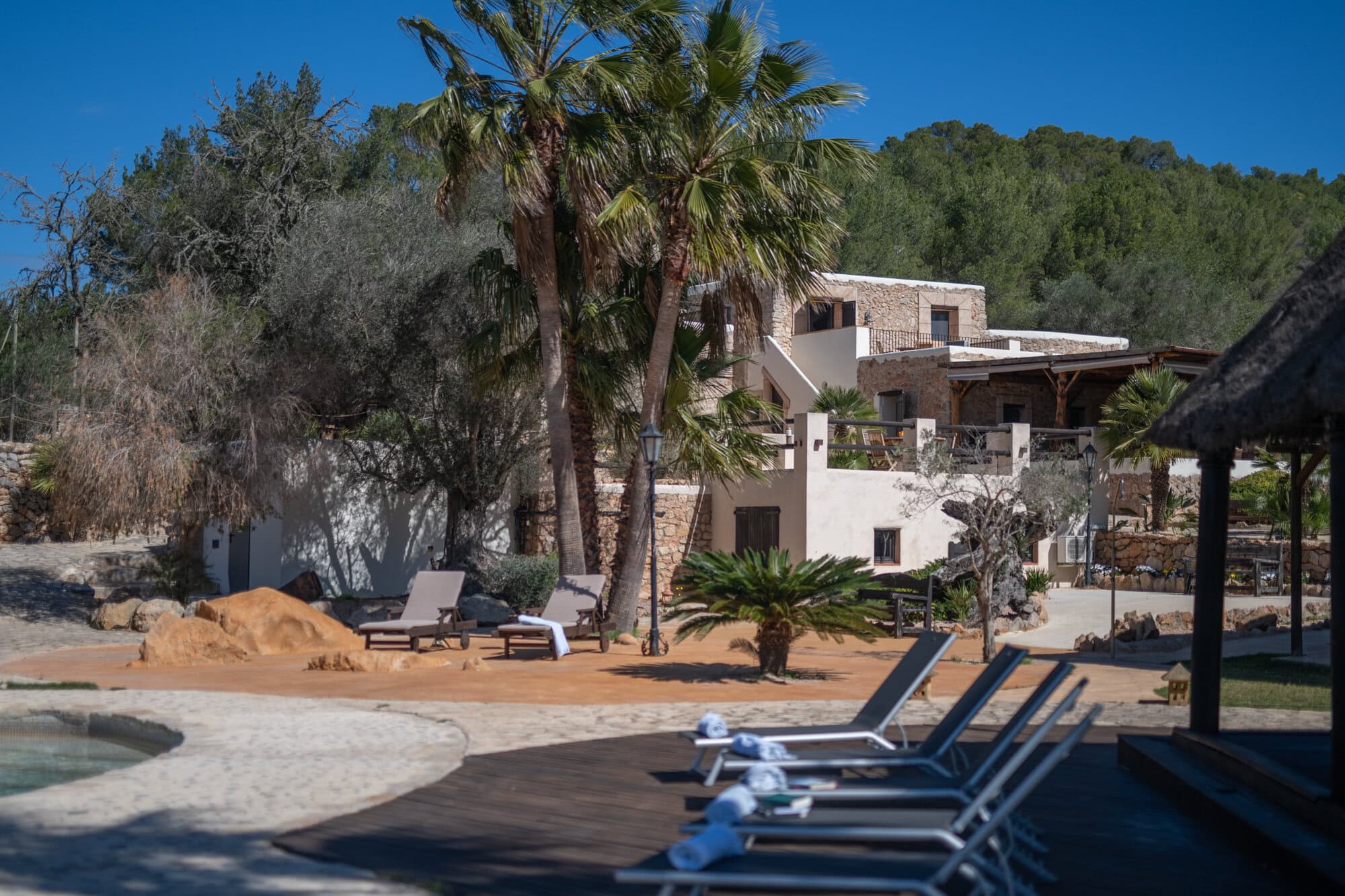
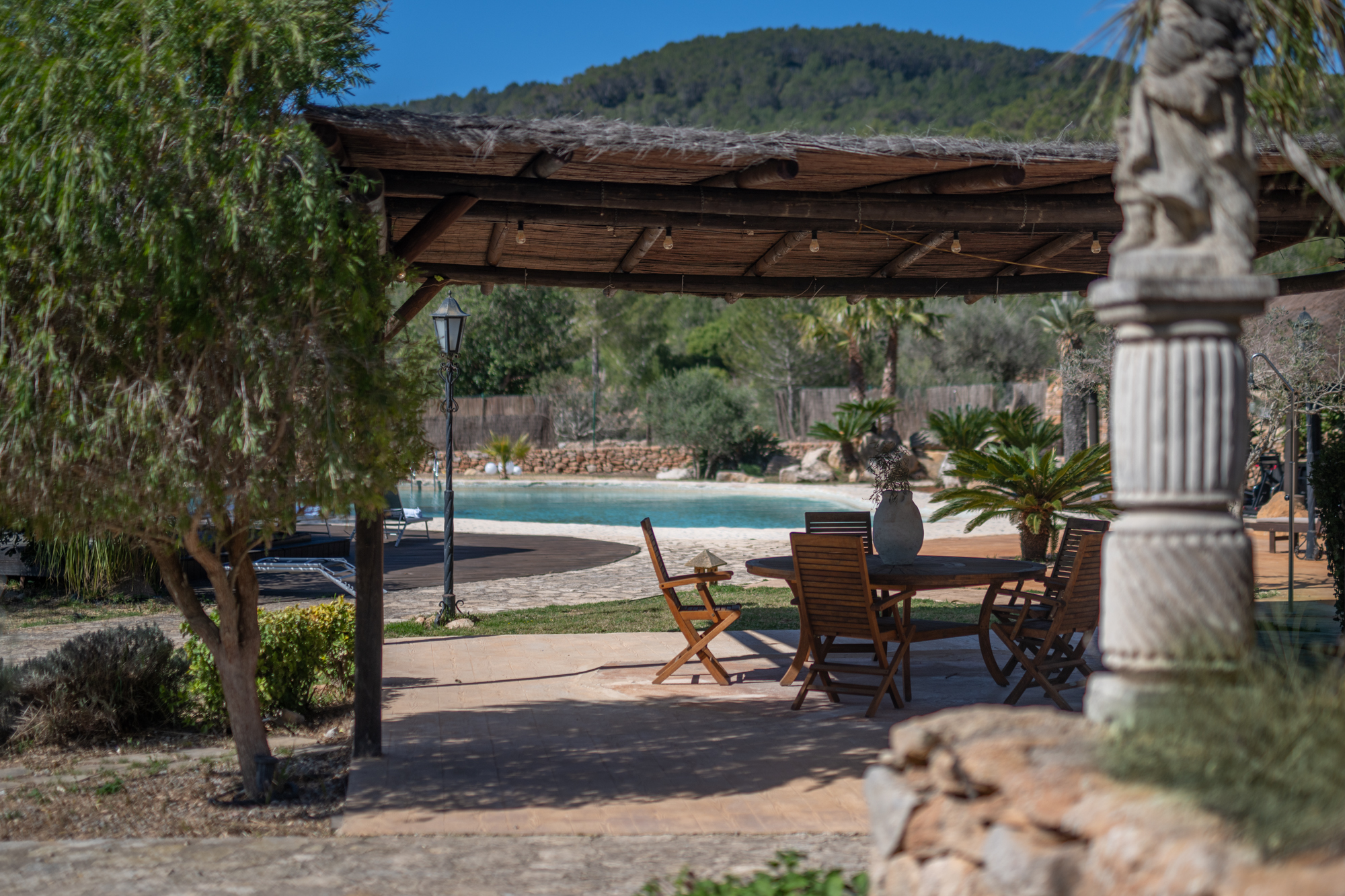
Our centre is set on a quiet 13-hectare estate surrounded by Mediterranean gardens, open space, and natural light. This environment supports nervous system regulation, emotional grounding, and recovery.

Bepoke treatment

Newest techniques

Experienced team
Our team and clinical approach
Cocaine addiction treatment is delivered by a multidisciplinary team including:
– Psychiatrists
– Clinical psychologists
– Addiction specialists
– Nurses and medical staff
– Experienced therapists
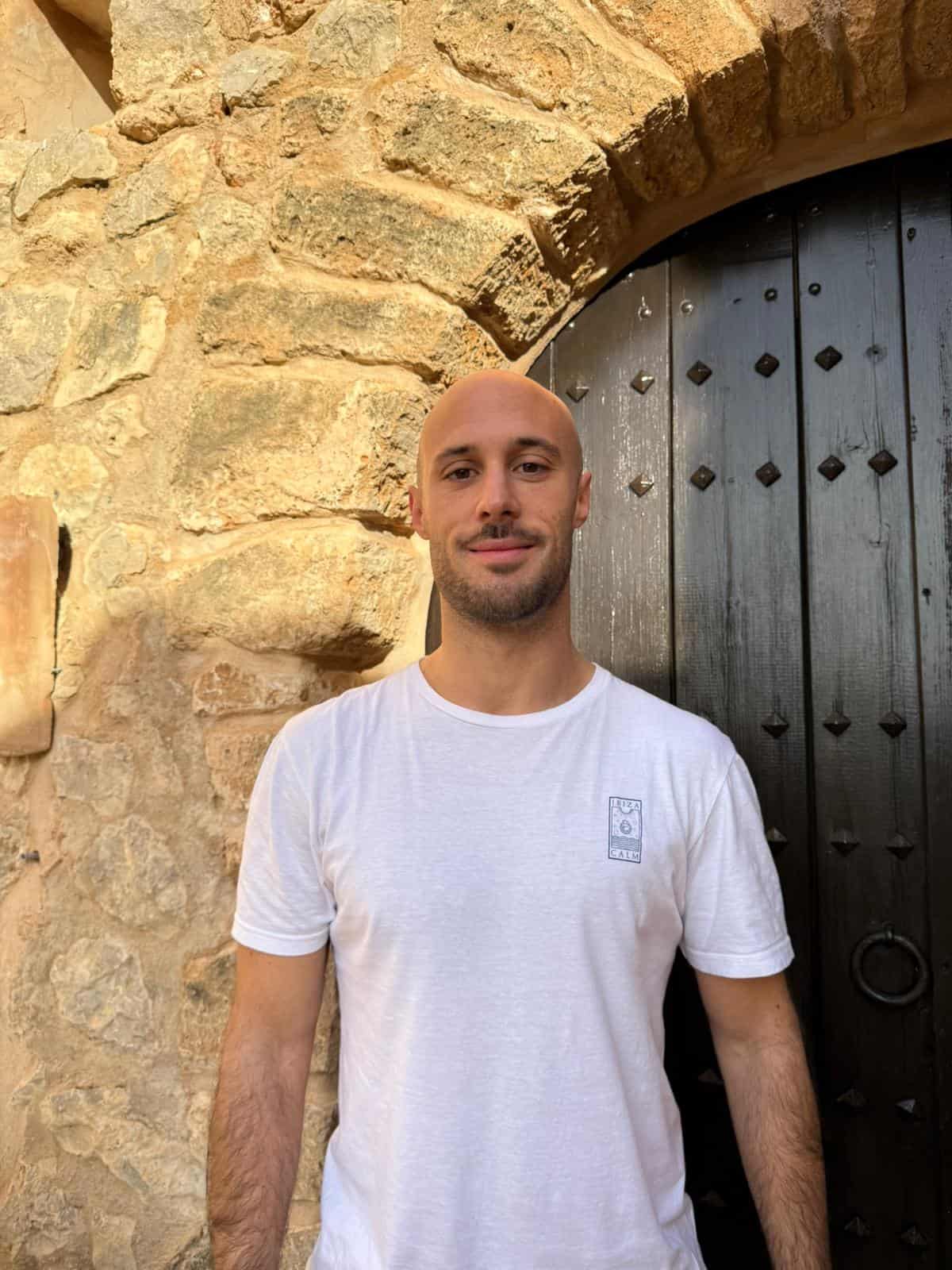
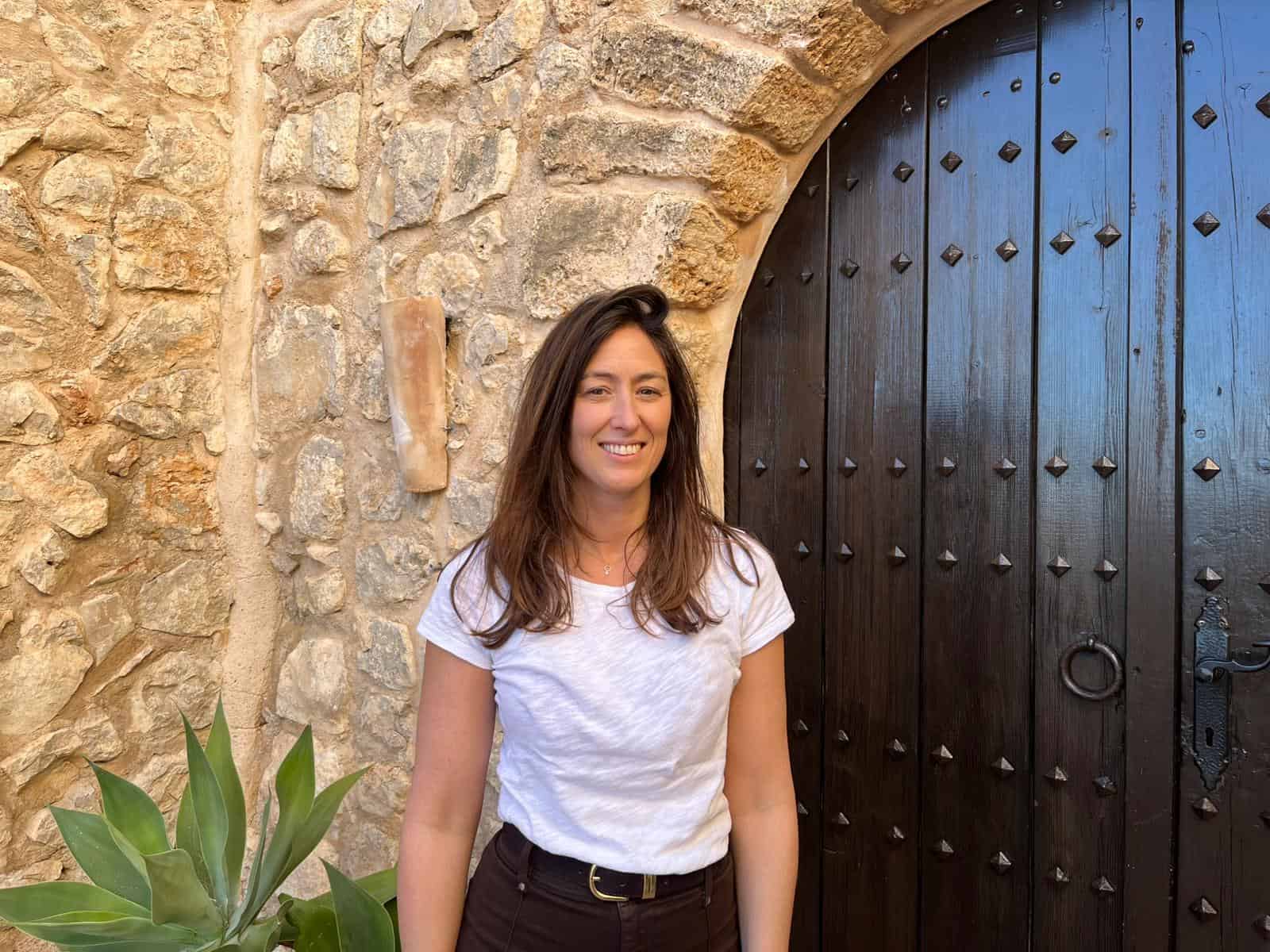
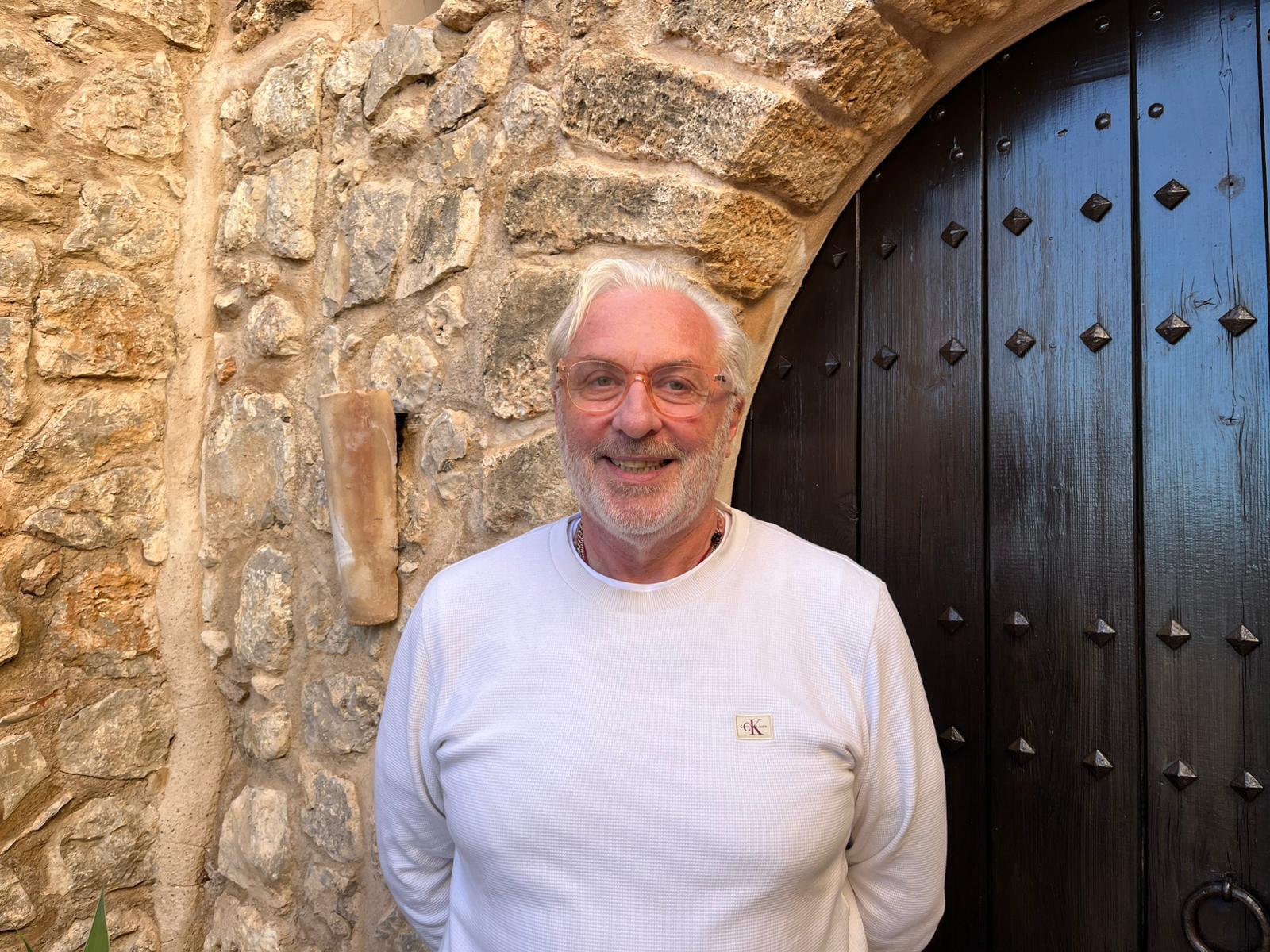
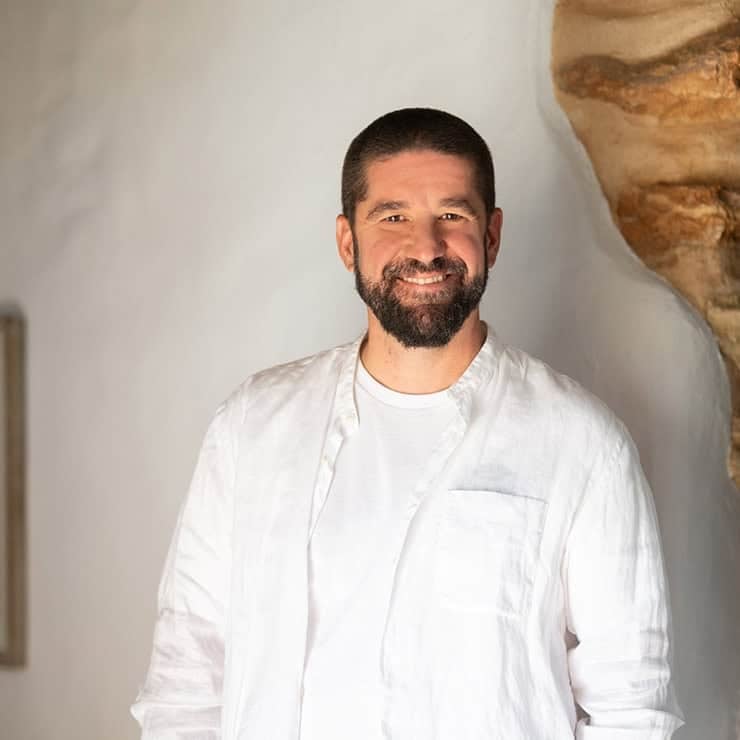
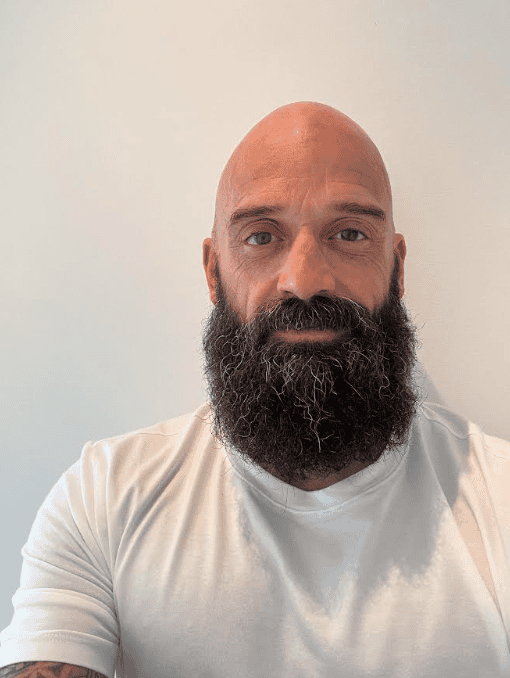
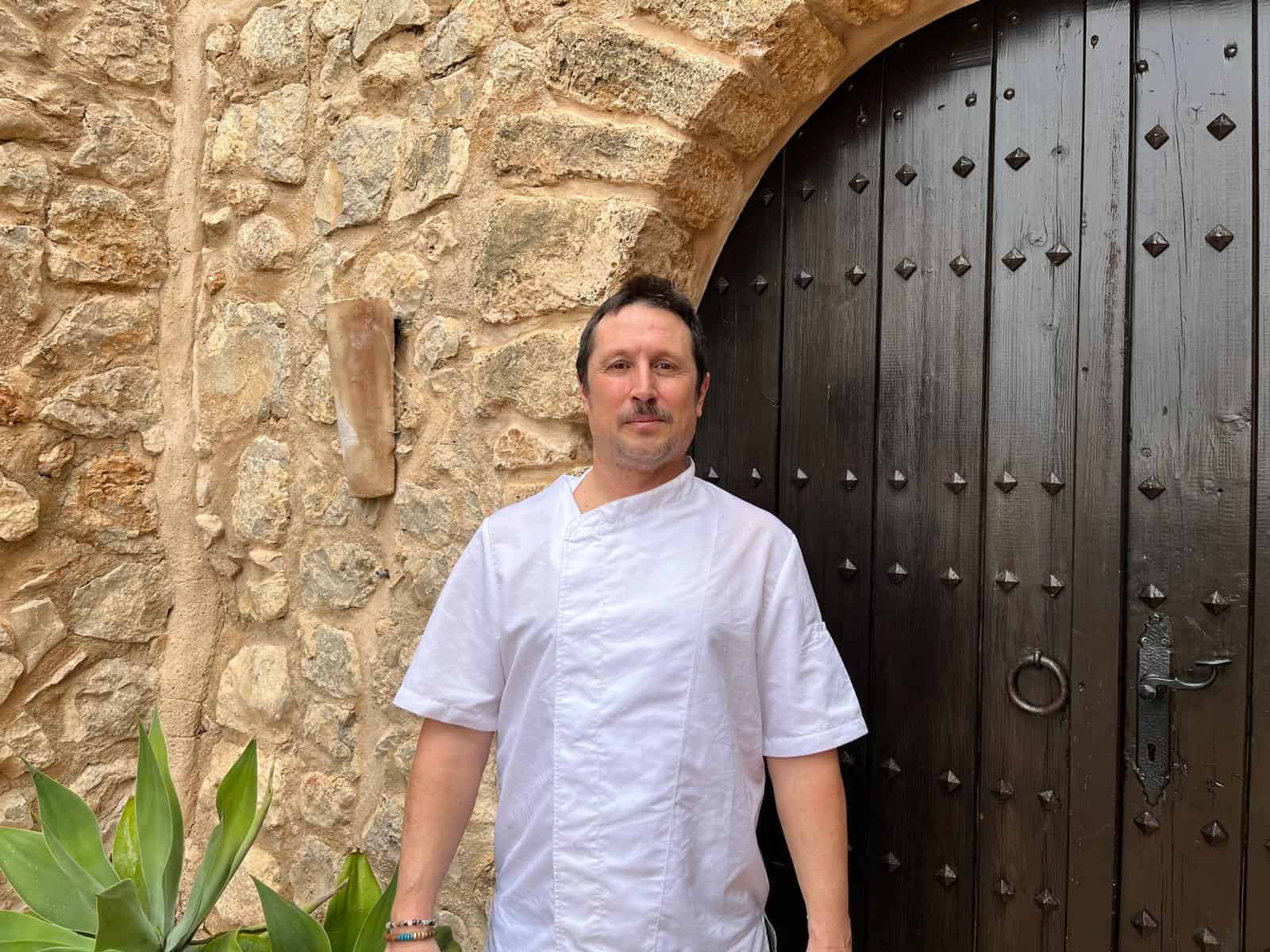
With a cap on admissions and a high staff-to-client ratio, we offer truly individualised care. Many team members have decades of experience in addiction treatment and co-occurring mental health conditions.
















Frequently Asked Questions
What happens during the admissions process?
After an initial confidential conversation, our clinical team gathers relevant medical and psychological information to ensure we can support your specific needs. On arrival, we complete a full medical and psychiatric assessment and create your personalised treatment plan. Our admissions process is discreet, supportive, and designed to reduce stress at what can be an emotionally difficult moment.
Do I need detox for cocaine?
Cocaine withdrawal does not usually require medical detox in the same way as alcohol or benzodiazepines. However, the emotional crash, sleep disruption, and depression that follow stopping can be intense. At Ibiza Calm, we provide medical and psychological support during this phase to ensure safety and stability.
Is cocaine withdrawal dangerous?
Cocaine withdrawal is primarily psychological, but mood crashes and depression can be severe. Medical supervision is important.
How long does cocaine stay in your system?
Cocaine itself leaves the body relatively quickly, but its metabolites can be detected in urine for several days, and longer with heavy or frequent use. More importantly, the psychological effects and cravings can persist well beyond the drug leaving the system, which is why professional support is often helpful during early recovery.
Can cocaine cause depression or anxiety?
Cocaine significantly disrupts dopamine regulation in the brain. After the short-lived high, many people experience low mood, anxiety, irritability, or emotional numbness. Over time, cocaine use can worsen or trigger depression and anxiety, even in people with no prior history.
Can you treat cocaine addiction alongside depression or anxiety?
Yes. Co-occurring mental health conditions are assessed and treated as part of your personalised programme.
What if cocaine isn’t the only substance I’m using?
Many clients use cocaine alongside alcohol, stimulants, or other substances. Our assessment process looks at all substance use and mental health factors, allowing us to create a treatment plan that addresses the full picture safely and effectively.
Can I receive cocaine addiction treatment if I also take prescription medication?
Yes. Our medical team reviews all current medications and adjusts plans safely.
Can professionals or high-functioning individuals develop cocaine addiction?
Cocaine addiction often affects people who appear high-functioning outwardly. Many professionals use cocaine to cope with pressure, fatigue, or performance demands before realising it has become difficult to control.
How private is the cocaine addiction treatment programme?
Our estate is discreet and fully private, with a limited number of clients to ensure confidentiality and space.
Will I be able to contact my family?
Yes. Family contact is arranged in a way that supports recovery and emotional stability. Family therapy can also be included when appropriate. In addition, family members are welcome to join a weekly online family support group from the beginning of treatment.
How long should I stay in residential treatment for cocaine addiction?
Most clients benefit from a stay of four or more weeks, as this allows enough time for safe stabilisation, therapeutic work, and building the strategies needed for long term recovery. During your assessment, our clinical team will recommend an appropriate length of stay based on your patterns, withdrawal risks, and emotional needs.
Can I work remotely while in treatment?
We encourage clients to prioritise their recovery while at Ibiza Calm. In certain programmes, remote work may be possible.
What therapies will I receive?
Your programme is tailored, but typically includes individual therapy, group therapy, medical care, and holistic modalities.
Do you accept insurance?
We accept a number of international insurances, such as Cigma International and Bupa Global. We can also assist with documentation for clients seeking reimbursement, though coverage depends on individual policies.
What happens after I leave Ibiza Calm?
Before discharge, you will be introduced to the aftercare support group, and you will receive a detailed aftercare plan tailored to your needs. This may include ongoing therapy, psychiatric support, community-based groups, or outpatient treatment. We also coordinate with trusted professionals to ensure continuity of care once you return home.
Ask yourself…
If you or someone you love is struggling with cocaine use, you don’t have to face it alone. Contact our team in confidence to learn more about treatment options or to discuss whether residential care at Ibiza Calm is the right next step.
Does someone I know need help?
If family doesn’t intervene, who will?
We help families get their loved ones into addiction treatment.
Do I have a problem with addiction?
Our international team of professionals uses the latest therapeutic approaches to help you regain control and begin your recovery journey.
Testimonials
What our clients say
D

2024
C

2024
R
2024
S
2024
P
2024
J
2024
J
2024
D
2024
S
2024
D
2024


You’re not alone on this journey.
The path to recovery starts with a small first step.