


Mental Health Rehabilitation
Bipolar disorder treatment
Treatment for bipolar disorder
Living with bipolar disorder can feel exhausting, confusing, and isolating, both for the person affected and for those who care about them. Shifts between elevated and depressed mood can disrupt relationships, work, sleep, and a sense of stability, often making it difficult to manage day to day.
Many people who come to Ibiza Calm tell us they waited longer than they needed to before seeking help. This is often because symptoms fluctuate, periods of stability return, or the condition is complicated by alcohol use, medication changes, or misdiagnosis.
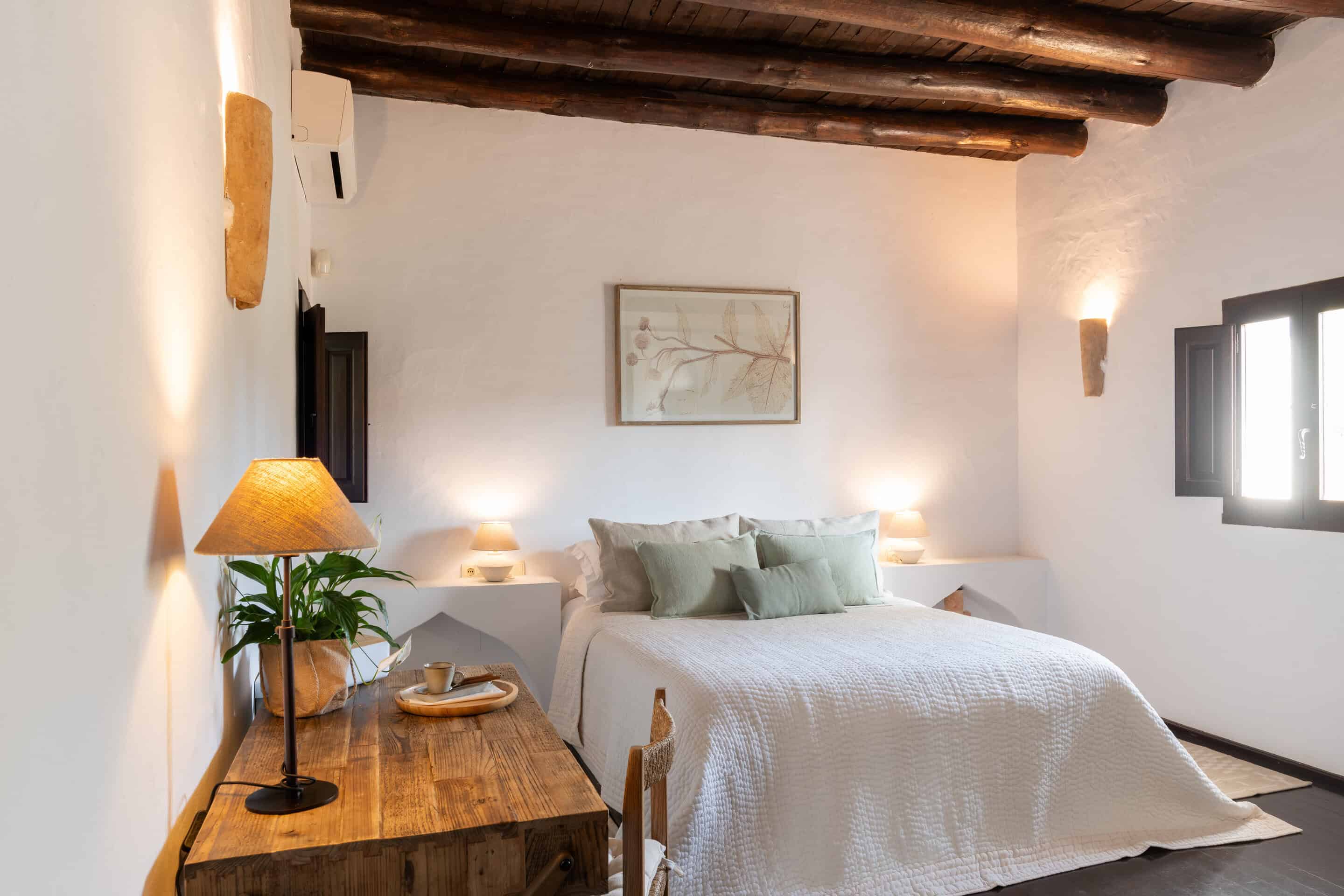
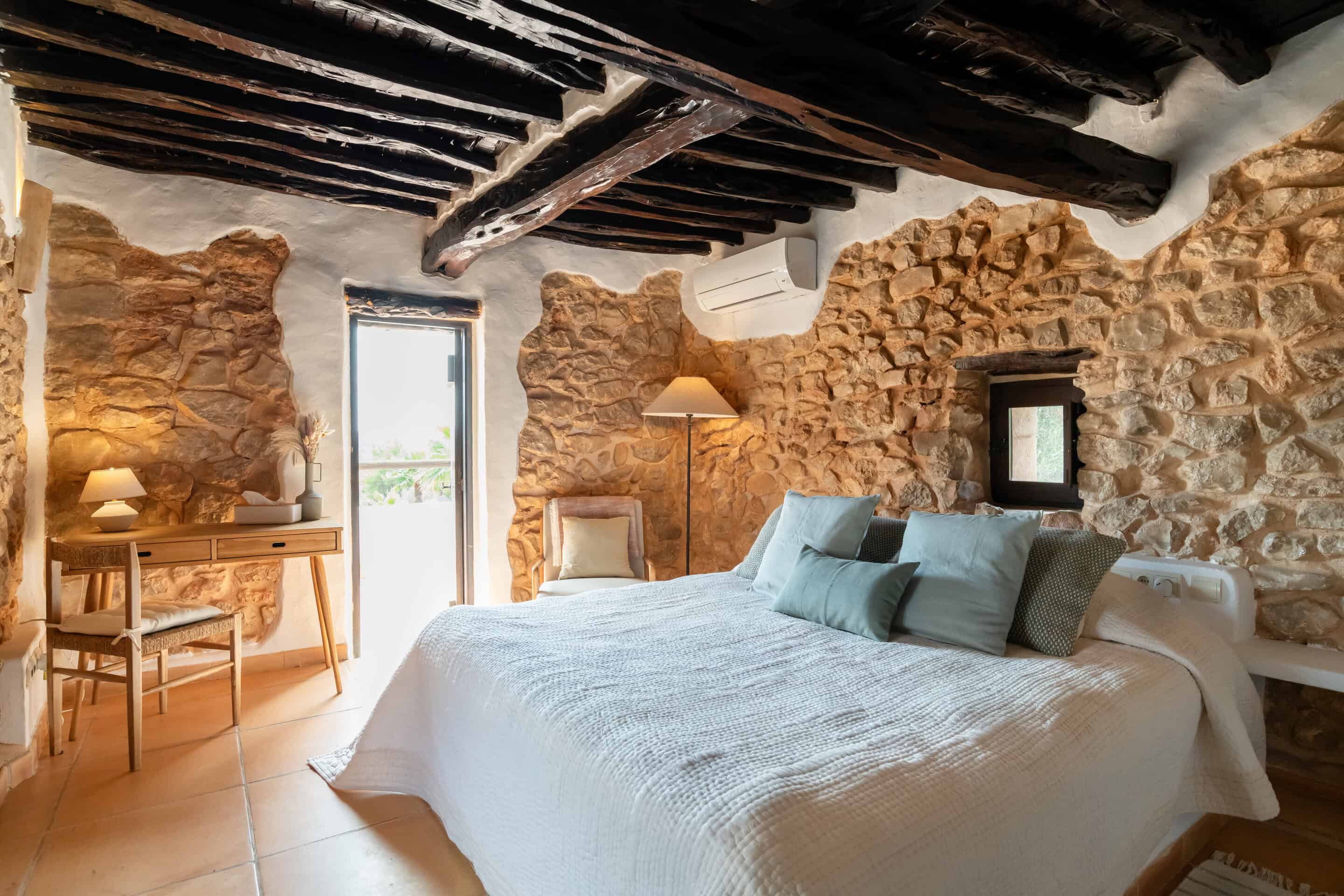
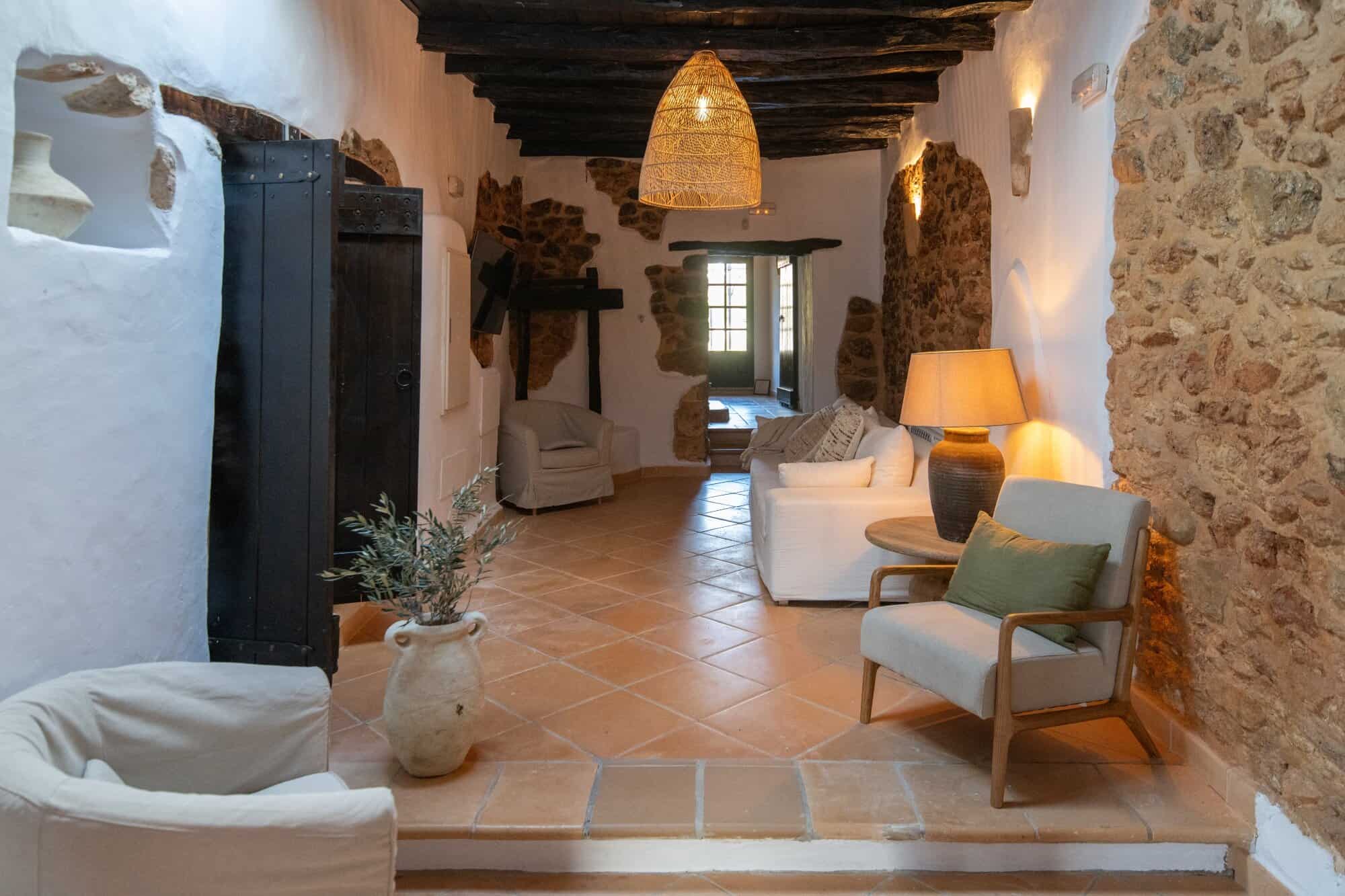
Ibiza Calm offers residential bipolar disorder treatment in northern Ibiza, providing personalised psychiatric care, 24/7 medical support, and a calm, private environment with small client numbers to support stabilisation and recovery.
What is bipolar disorder?
Bipolar disorder is a mood disorder characterised by significant shifts in mood, energy, activity levels, and thinking. These shifts range from periods of elevated mood (mania or hypomania) to periods of low mood (depression), with varying degrees of severity and duration.
During manic or hypomanic episodes, individuals may feel unusually energetic, confident, impulsive, or irritable, often with reduced need for sleep. Depressive episodes can involve low mood, loss of motivation, hopelessness, and difficulty functioning.
Bipolar disorder is a medical condition that affects brain function and emotional regulation. With the right treatment and ongoing support, many people are able to achieve stability and lead fulfilling lives.
Signs and symptoms of bipolar disorder
Types of bipolar disorder












Why it’s hard to face bipolar disorder alone
Bipolar disorder often affects multiple areas of life simultaneously. Mood instability can strain relationships, disrupt employment, impact finances, and interfere with sleep and physical health.
Some individuals turn to alcohol or drugs in an attempt to manage symptoms, which can worsen mood instability and complicate diagnosis and treatment. Periods of improvement may lead to stopping medication or therapy prematurely, increasing the risk of relapse.
Residential treatment may be particularly appropriate when:
→ Mood episodes are severe, frequent, or escalating
→ There is a risk of harm to self or others
→ Alcohol or substance use is present
→ Medication changes require close monitoring
→ Outpatient support has not been sufficient
THE PATH TO RECOVERY STARTS WITH A SMALL FIRST STEP
Treatment for bipolar disorder at Ibiza Calm
Treatment begins with a comprehensive psychiatric and medical assessment, allowing our team to understand each client’s history, symptoms, medications, and contributing factors.
Each client receives a personalised treatment plan, typically recommending a residential stay of around four weeks, although length of stay is tailored to individual clinical needs.
Our approach includes:
→ Psychiatric assessment and medication management
→ 24/7 medical and nursing support
→ Individual therapy focused on emotional regulation, insight, and coping strategies
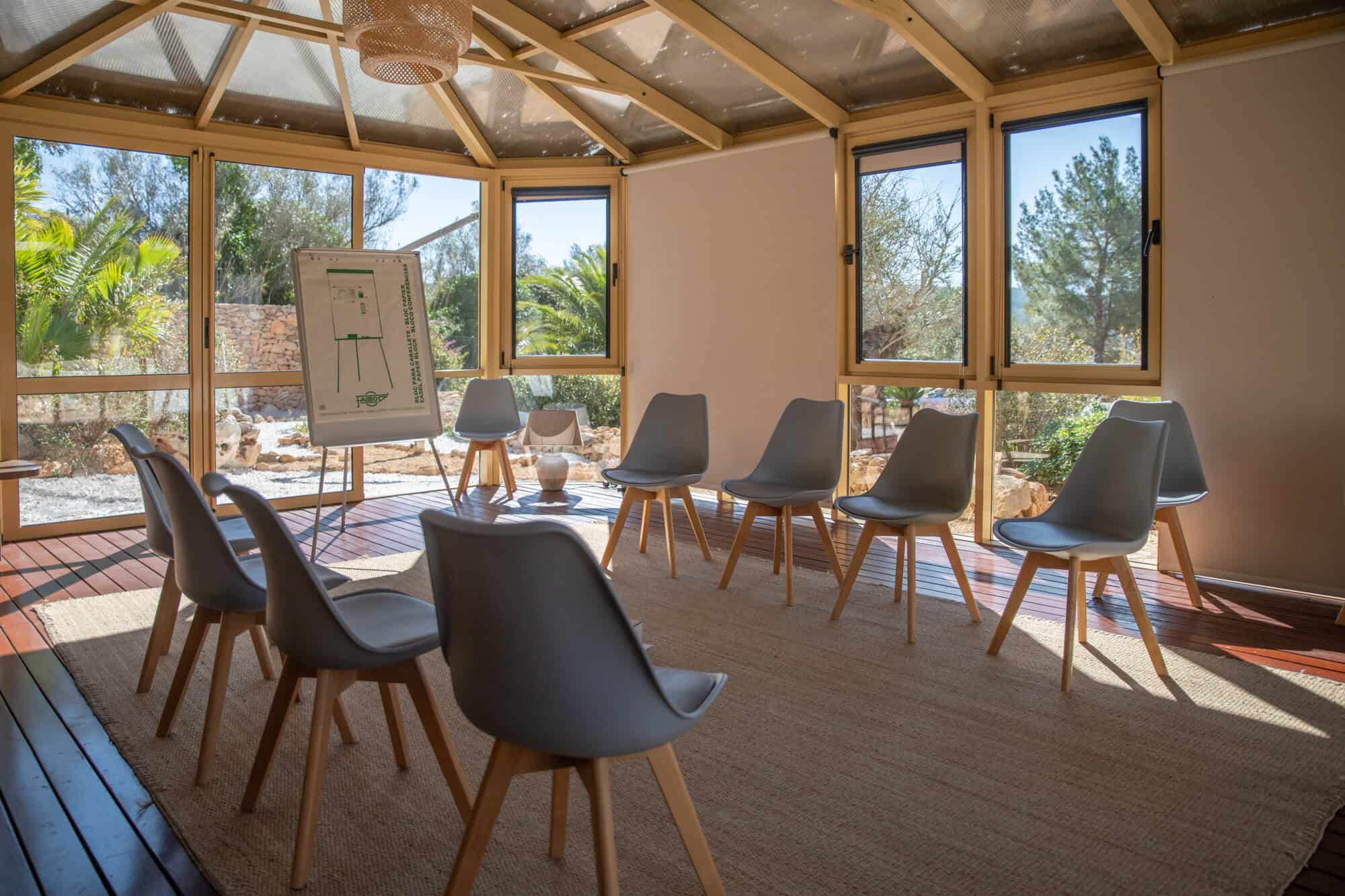
→ Structured group therapy
→ Support for co-occurring substance use or anxiety disorders
Core pillars of treatment
Ask yourself…
Whether or not you consider yourself an addict or someone with mental health-related issues, if your behaviour has gotten out of control, Ibiza Calm can help.
Does someone I know need help?
Do I need help?
Is my life out of control?
Am I an addict?
Mental Health Rehabilitation
Life at Ibiza Calm
A typical day may include:
- individual therapy
- group sessions
- meetings with clinical and medical staff
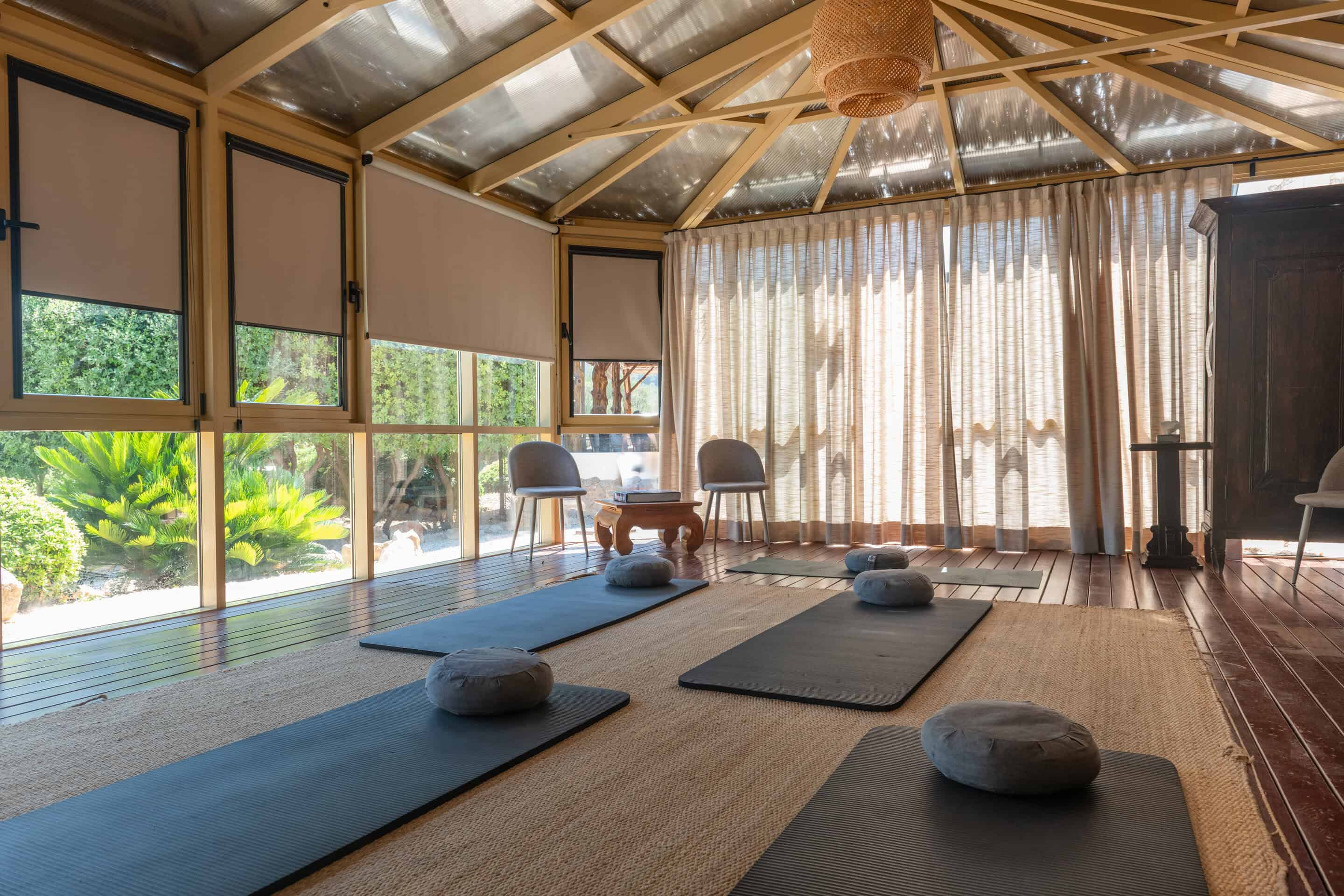
- restorative practices such as yoga, mindfulness, or equine-assisted therapy
- nutritious meals prepared onsite
- structured personal time for rest, reflection, or gentle routines
Many clients arrive feeling depleted by long term stress, emotional strain, or burnout. The pace, privacy, and structure at Ibiza Calm provide space to stabilise, rebuild, and reconnect with a sense of self.
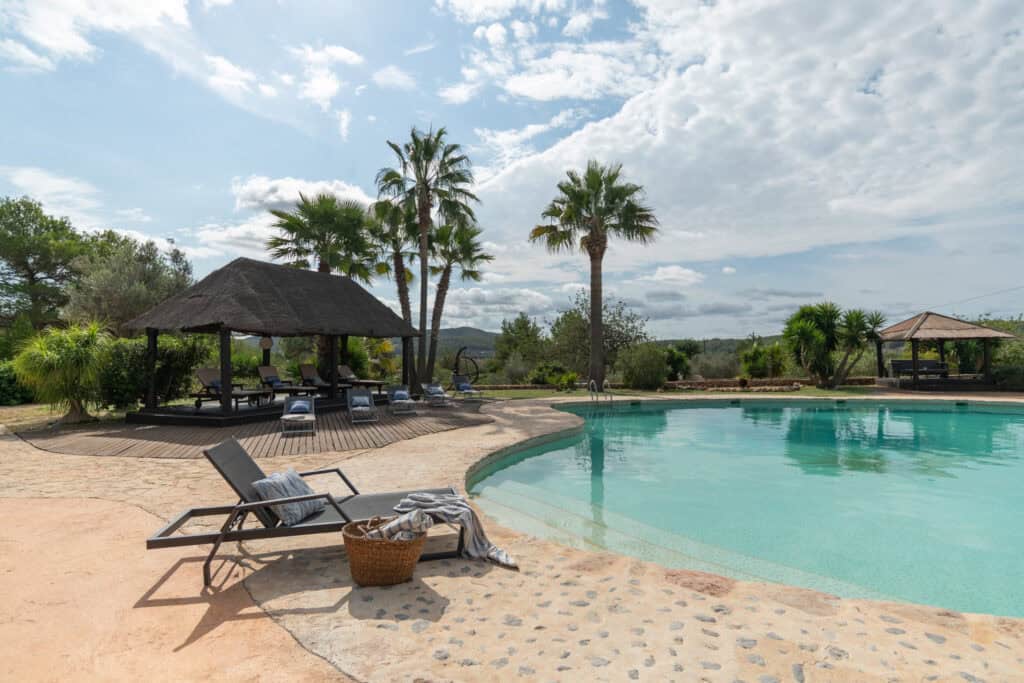
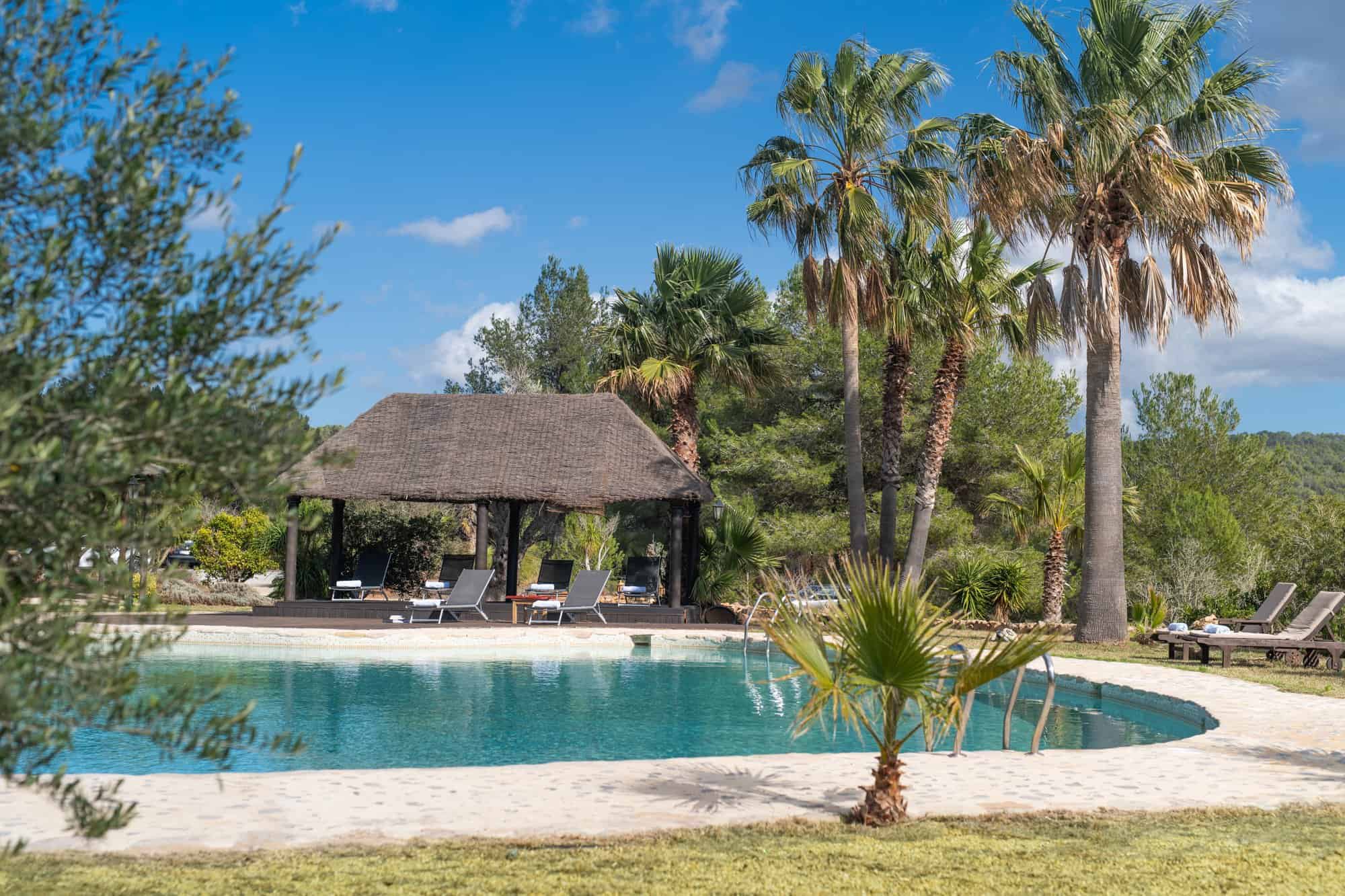
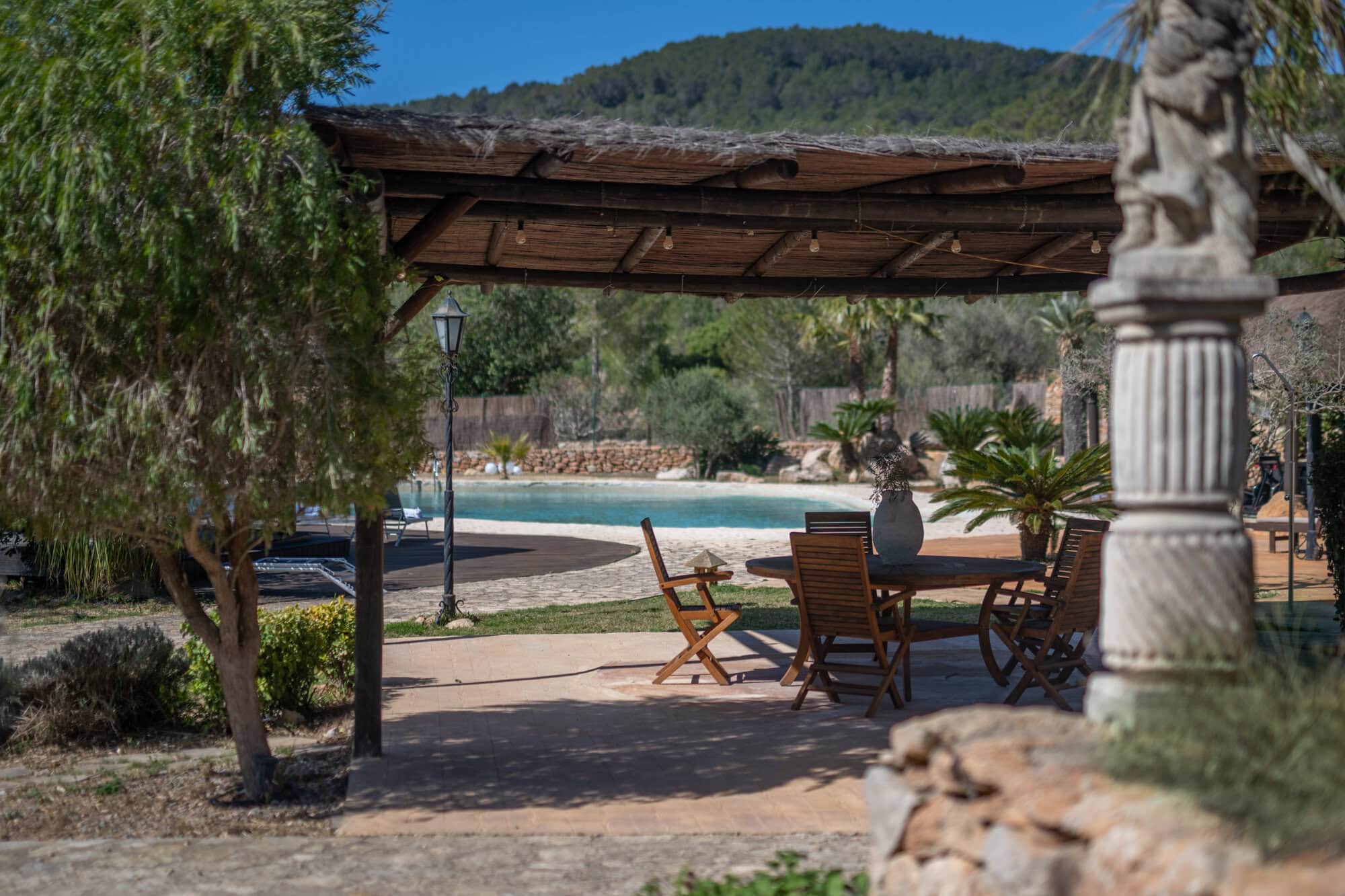
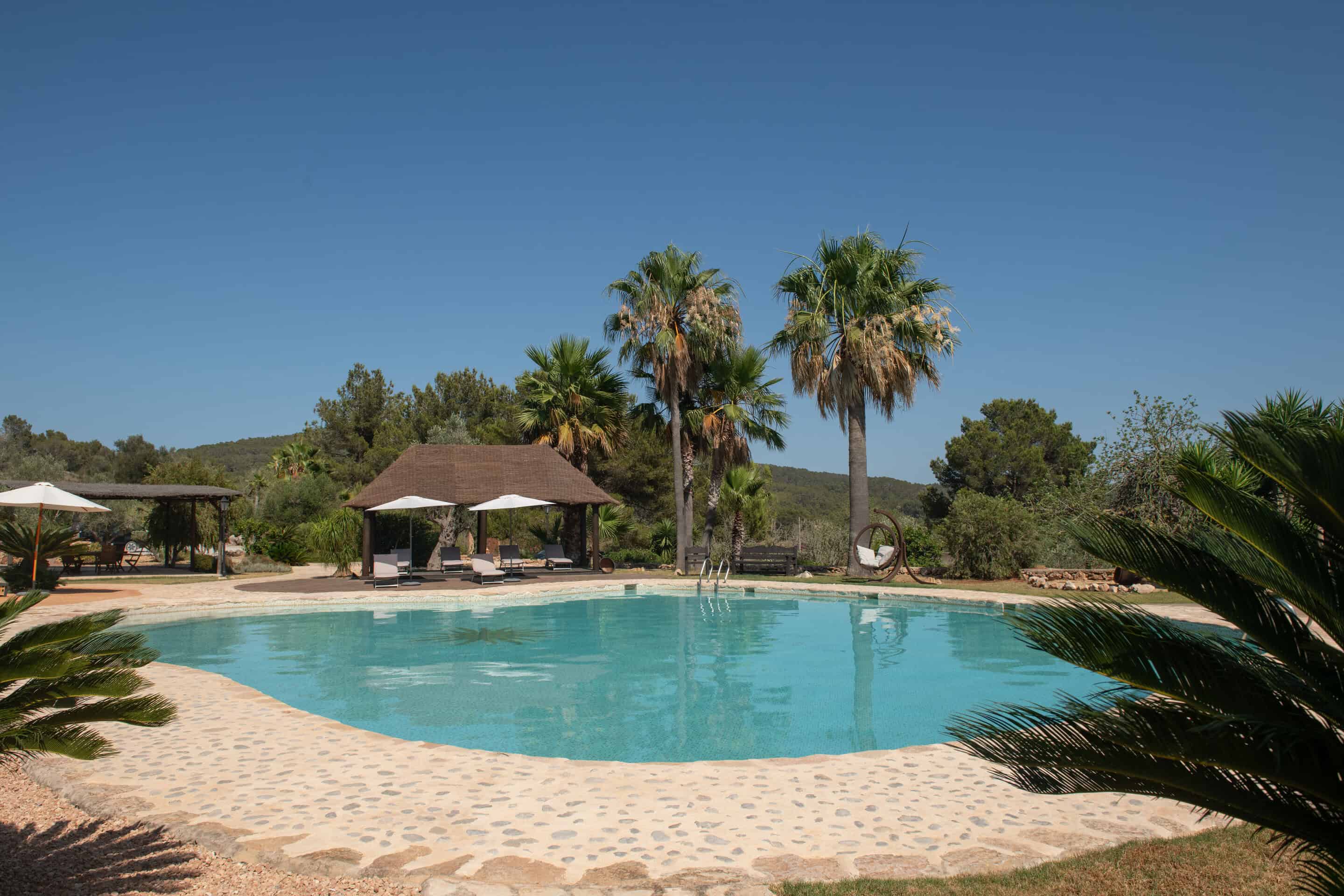
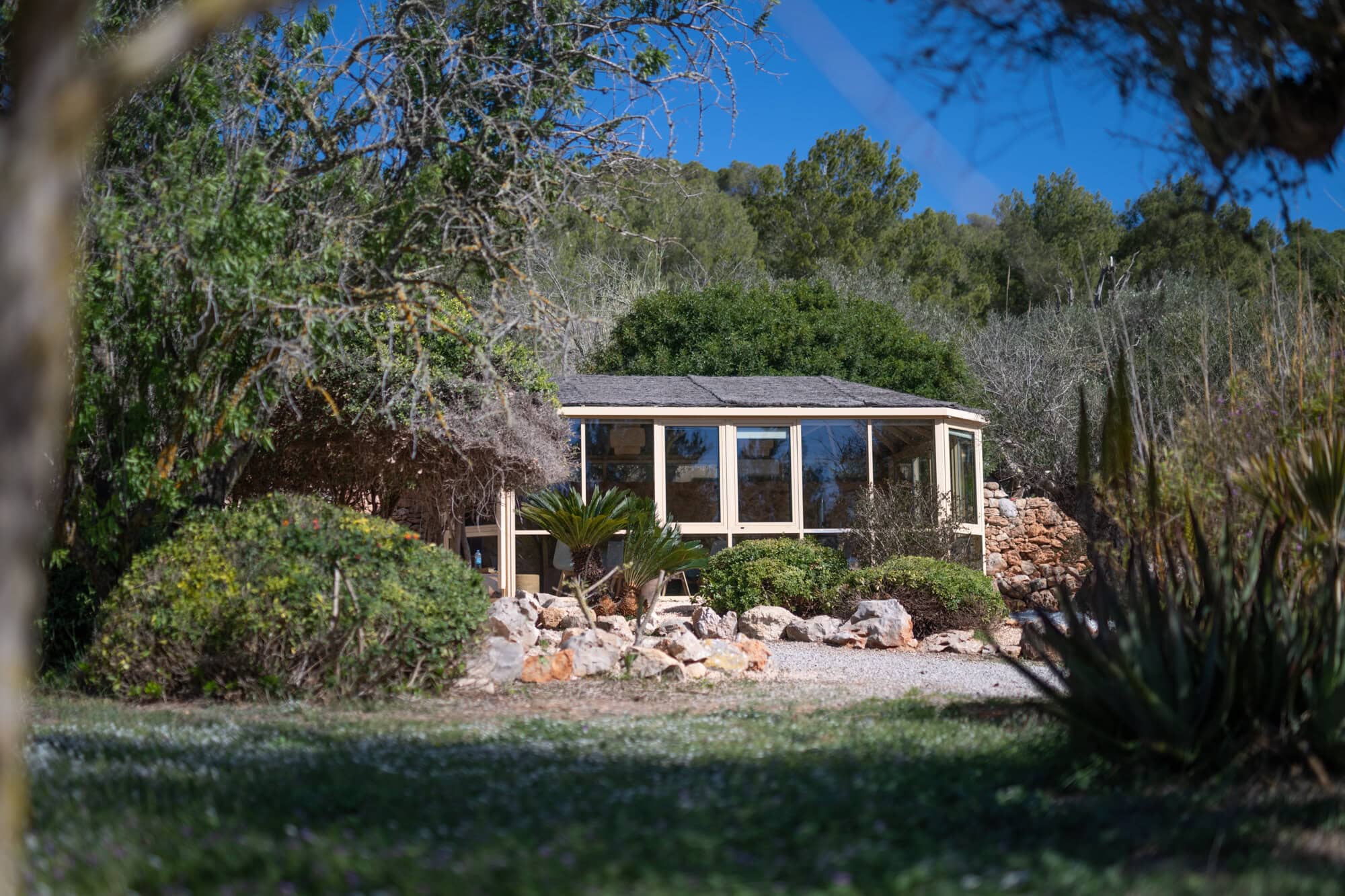
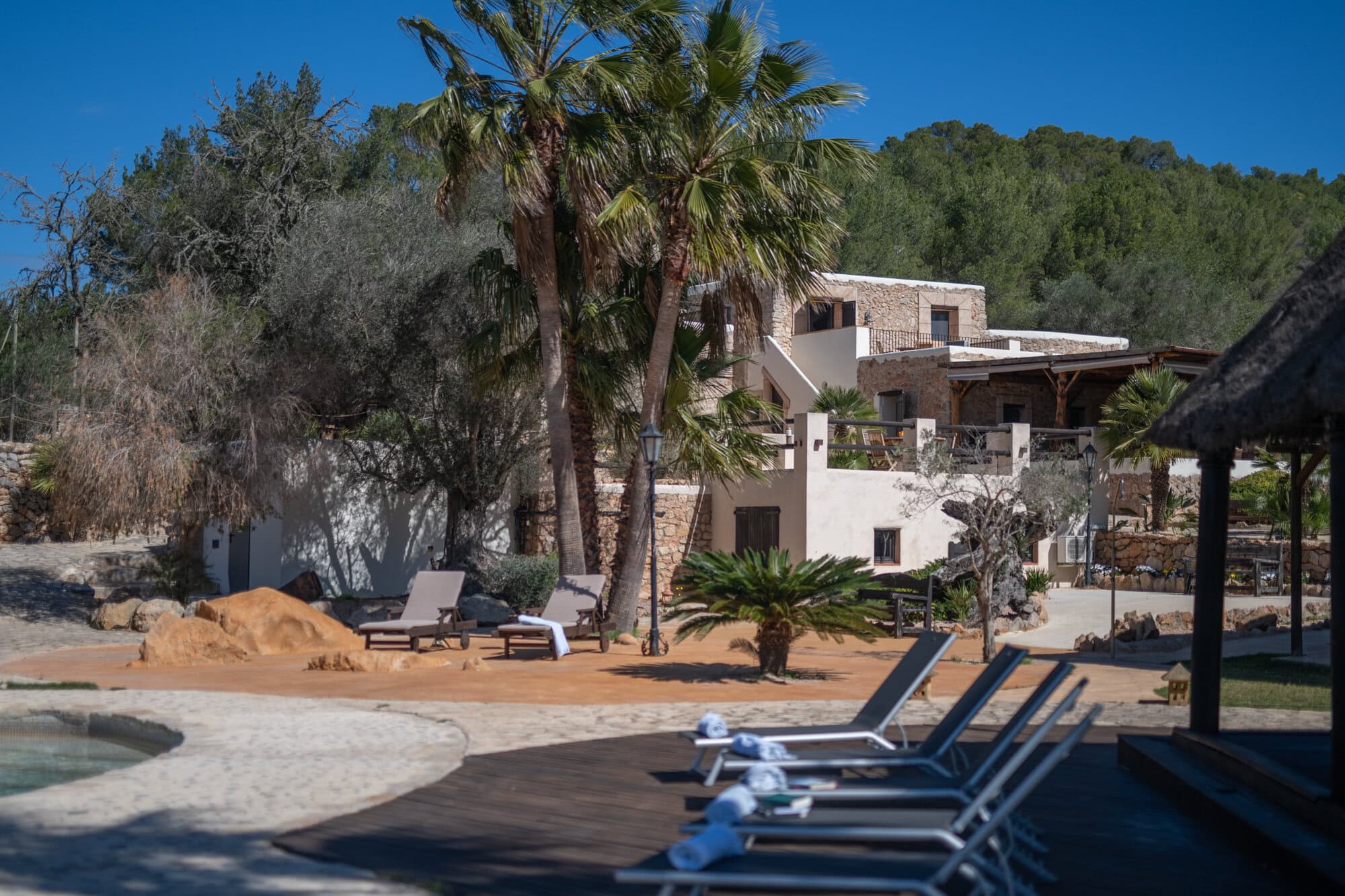
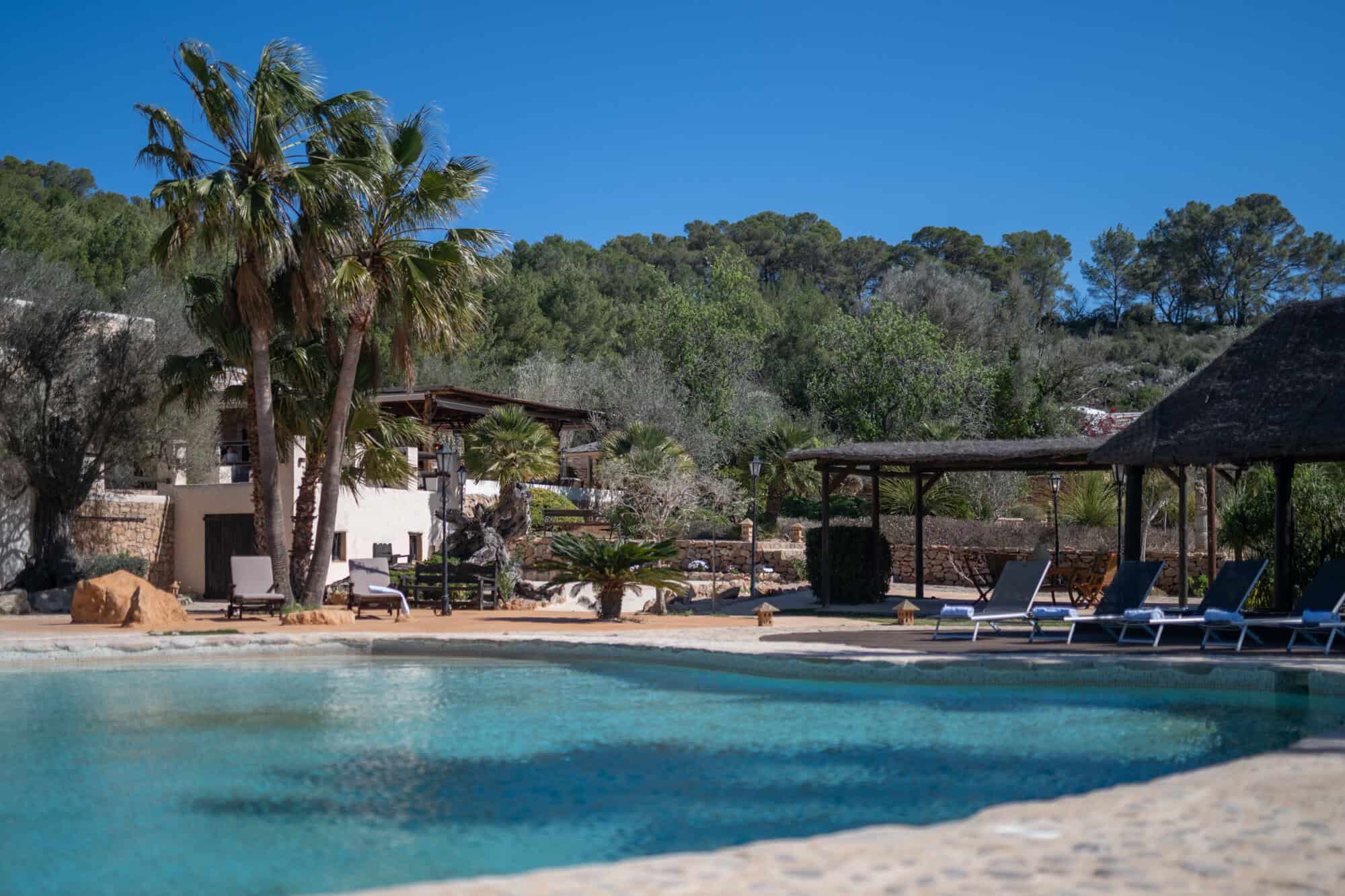
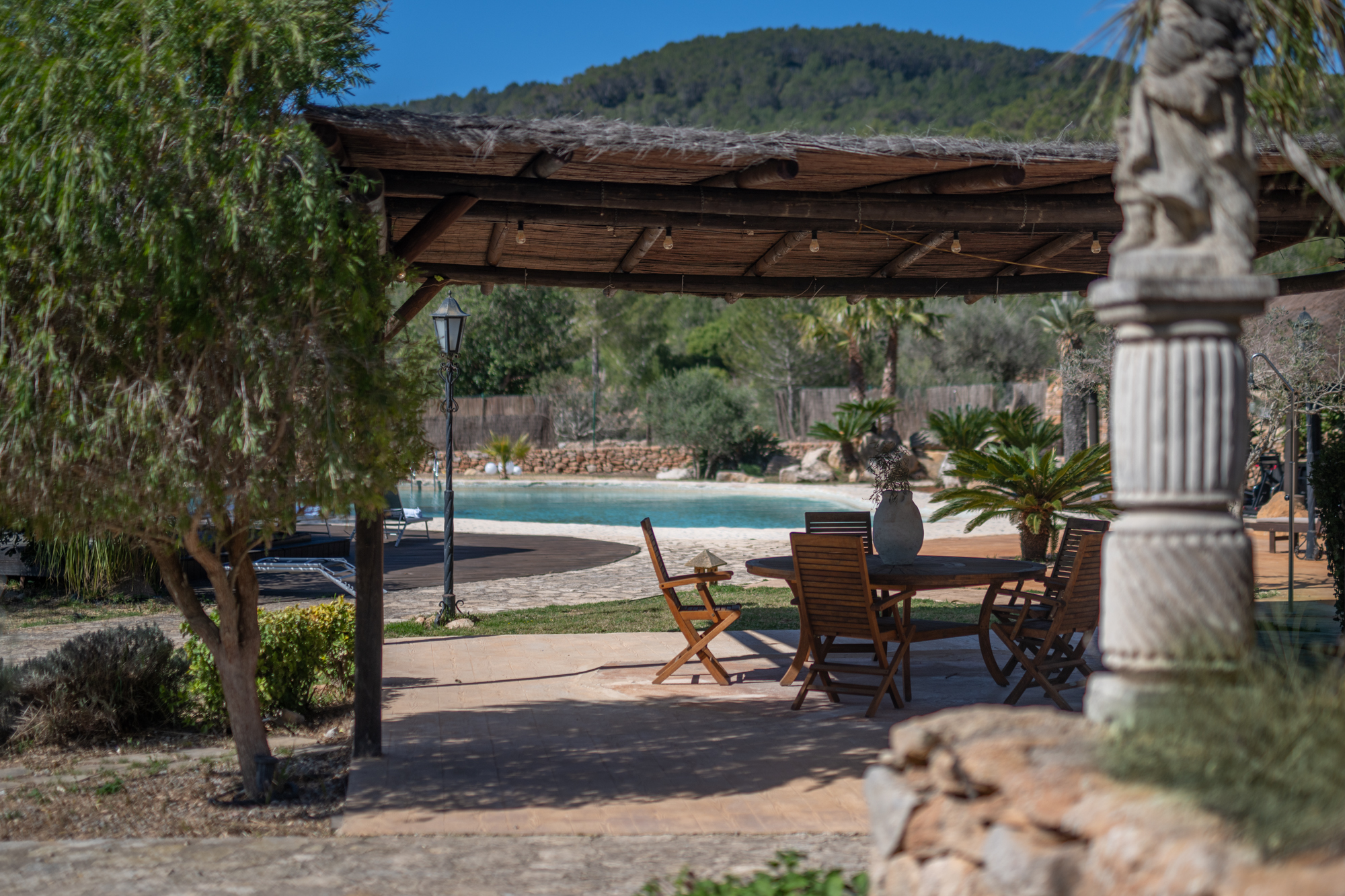
Set within a 13-hectare private estate in northern Ibiza, daily life follows a gentle but structured rhythm. Therapy sessions are balanced with nutritious meals, rest, and time in nature.
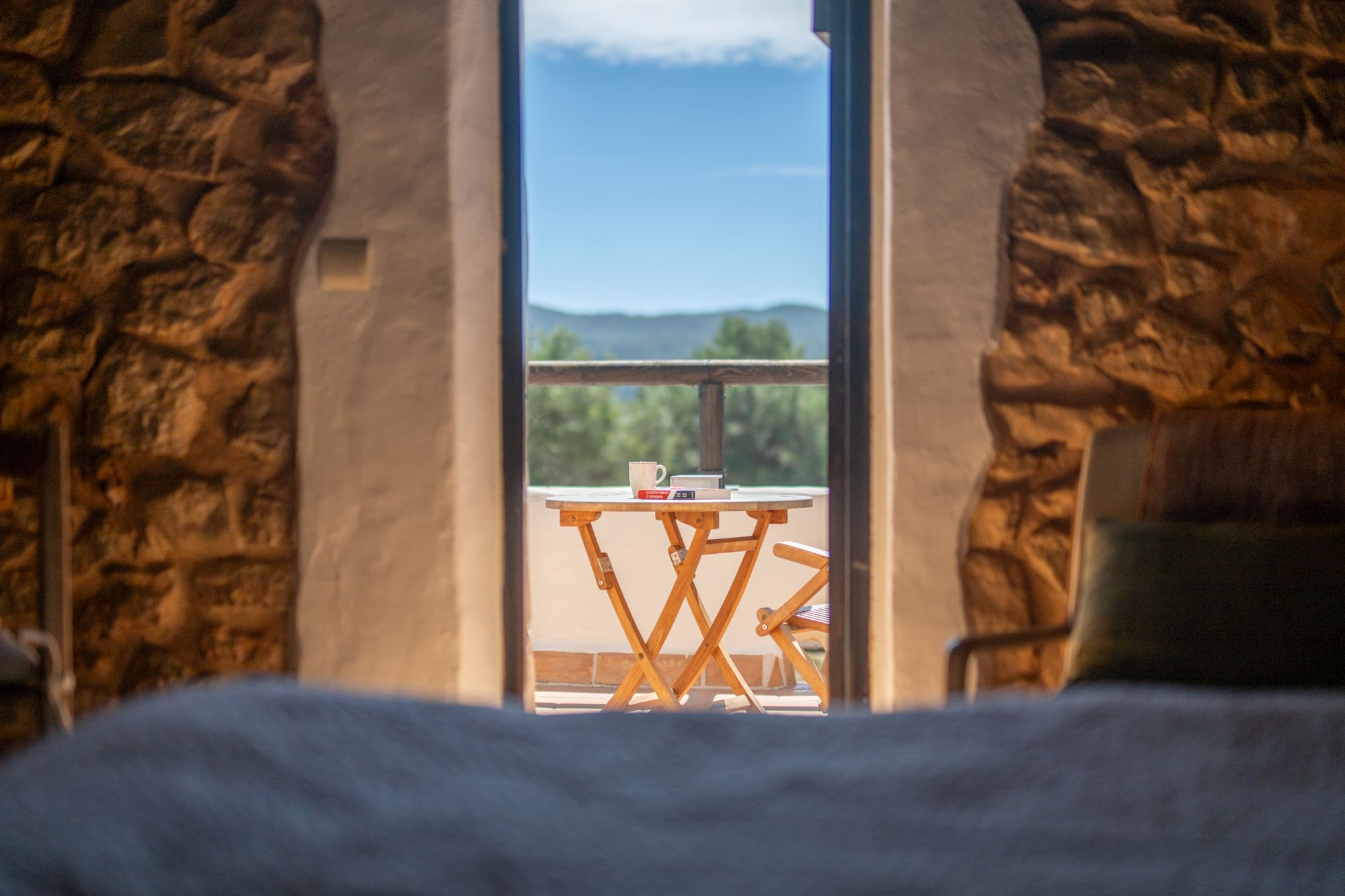
The environment is intentionally designed to promote calm, safety, and emotional regulation, allowing space for recovery away from external pressures.

Bepoke treatment

Newest techniques

Experienced team
Our team and clinical approach
Treatment for bipolar disorder is delivered by a multidisciplinary team including:
– Psychiatrists
– Clinical psychologists
– Addiction specialists
– Nurses and medical staff
– Experienced therapists
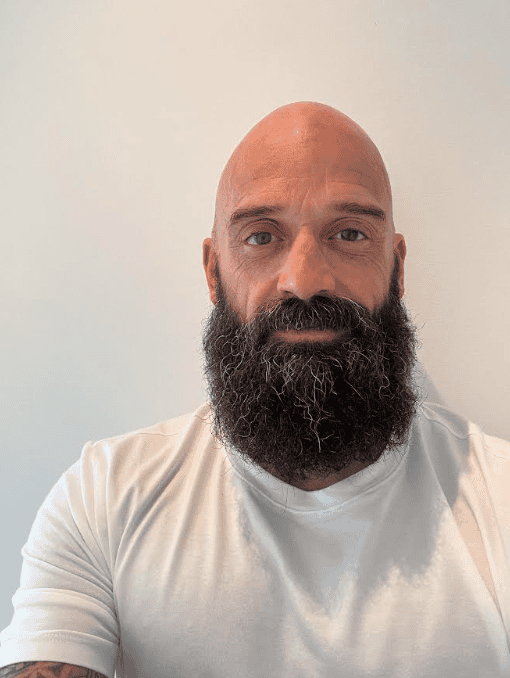
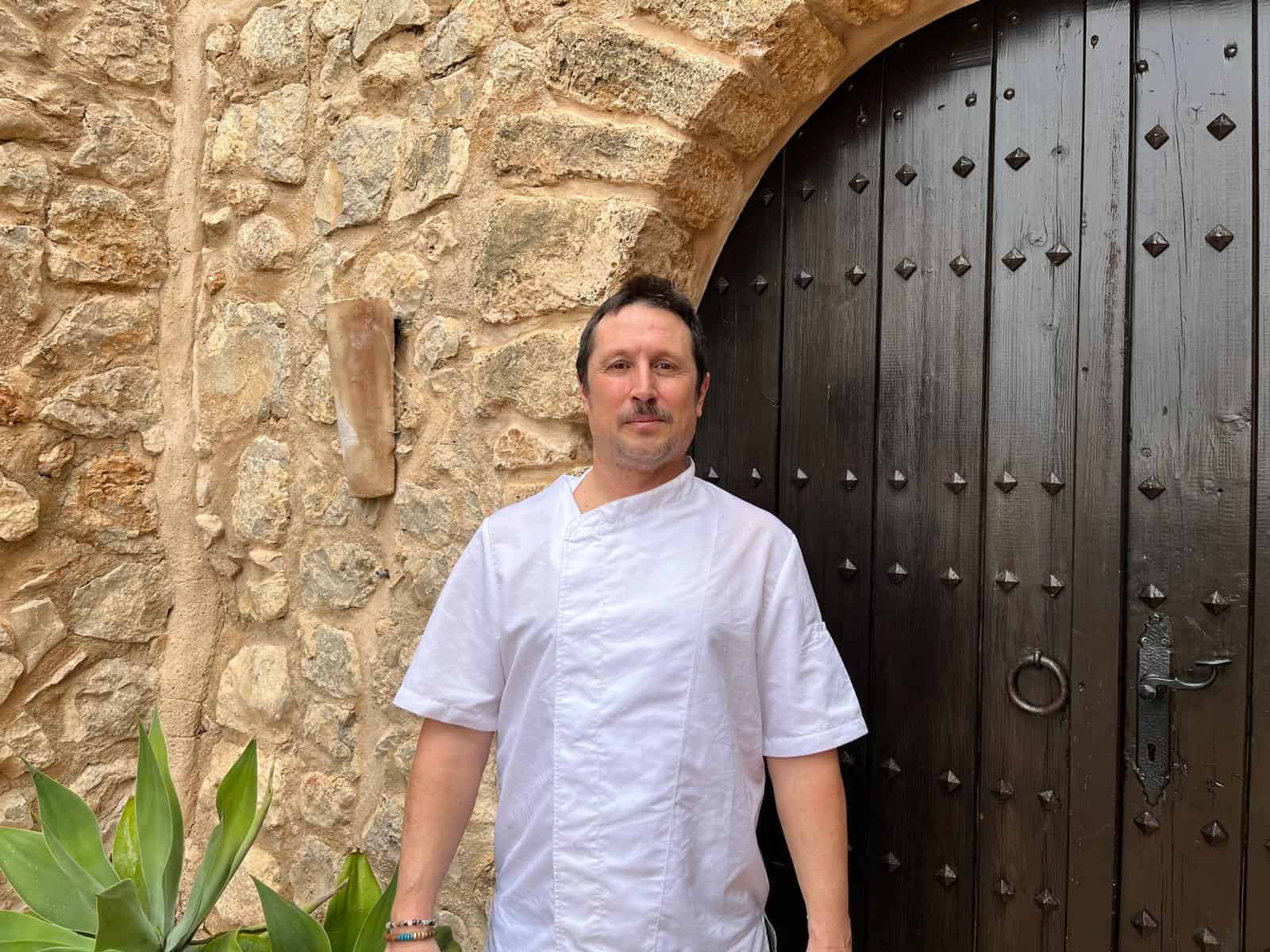
Intentionally low client numbers and high staff-to-client ratios allow for attentive, individualised care throughout each stay.




















Frequently Asked Questions
How is bipolar disorder diagnosed?
Diagnosis is made through a comprehensive psychiatric assessment that explores mood history, behaviour patterns, sleep, family history, and any substance use. There is no single test; careful clinical evaluation is essential to ensure an accurate diagnosis.
Can bipolar disorder be misdiagnosed as depression?
Yes. Many people with bipolar disorder initially present with depressive symptoms and may be treated for depression alone. Identifying past or subtle hypomanic episodes is crucial, as treatment approaches differ significantly.
What is the difference between mania and hypomania?
Mania involves more severe symptoms and may include psychosis or require hospitalisation. Hypomania is milder, though still disruptive, and does not usually involve loss of reality. Both are important in diagnosis and treatment planning.
Is bipolar disorder lifelong?
Bipolar disorder is considered a long term condition, but with appropriate treatment, many people achieve sustained stability and lead fulfilling lives. Ongoing management and support are key.
Can stress or lack of sleep trigger bipolar episodes?
Yes. Disrupted sleep, stress, major life changes, substance use, and medication changes can all contribute to mood episodes. Learning to recognise and manage triggers is an important part of treatment.
Can bipolar disorder be treated in a residential setting?
Yes. Residential treatment can be particularly helpful during periods of instability, medication changes, or when outpatient care has not been sufficient.
How long should I stay in residential treatment for bipolar disorder?
Many clients benefit from a stay of four or more weeks. Your recommended length will depend on symptom severity, clinical history, and your goals.
Can you help if I’m not currently in a manic or depressive episode?
Yes. Residential treatment can be valuable during periods of instability, early warning signs, or following repeated relapses. Treatment focuses on stabilisation, insight, and relapse prevention.
Can bipolar disorder coexist with anxiety or OCD?
Yes. Bipolar disorder frequently occurs alongside anxiety disorders, OCD, trauma, or ADHD. Treatment plans are designed to address the full clinical picture, not just mood symptoms.
Is TMS suitable for people with bipolar disorder?
In some cases, TMS may be considered to support treatment-resistant depressive symptoms. Suitability is assessed carefully by our psychiatric team, as TMS is not appropriate for all presentations.
What role does routine play in bipolar recovery?
Consistent routines around sleep, meals, activity, and therapy are crucial. Residential treatment helps establish stabilising rhythms that clients can continue after discharge.
Will my medication be changed?
Medication is reviewed carefully. Any changes are made gradually and under close psychiatric supervision.
Can you help if I also struggle with alcohol or drugs?
Yes. We regularly support clients with co-occurring substance use alongside bipolar disorder.
What if I’ve tried therapy or medication before and it didn’t help?
Many clients come to Ibiza Calm after previous treatments that brought limited relief. Residential care allows for deeper assessment, integrated therapies, and closer psychiatric oversight, which can make a significant difference.
Will I have to talk in group therapy if I don’t feel ready?
Group participation is guided and supported. Clients are never pressured to share beyond what feels safe, and some programmes place greater emphasis on individual therapy.
What happens during the admissions process?
After a confidential conversation, we gather any relevant medical and psychological information. On arrival, you receive a full psychiatric and medical assessment to shape your personalised treatment plan.
How private is the treatment for bipolar disorder?
Our estate is secluded and fully private, with a limited number of clients to ensure confidentiality and space.
Can I work remotely while in treatment?
We encourage clients to prioritise their recovery while at Ibiza Calm. In certain programmes, remote work may be possible.
Will I be able to contact my family?
Yes. Family contact is arranged in a way that supports recovery and emotional stability. Family therapy can also be included when appropriate. In addition, family members are welcome to join a weekly online family support group from the beginning of treatment.
What therapies will I receive?
Your programme is tailored, but typically includes individual therapy, group therapy, medical care, and holistic modalities.
Do you accept insurance?
We accept some international insurances, such as Cigma International and Bupa Global. We can also provide documentation for clients seeking reimbursement, though coverage is subject to individual policies.
Can I receive treatment for bipolar disorder if I also take prescription medication?
Yes. Our medical team reviews all current medications and adjusts plans safely.
What happens after I leave Ibiza Calm?
Before discharge, you will be introduced to the aftercare support group, and you will receive a detailed aftercare plan tailored to your needs. This may include ongoing therapy, psychiatric support, community-based groups, or outpatient treatment. We also coordinate with trusted professionals to ensure continuity of care once you return home.
THE PATH TO RECOVERY STARTS WITH A SMALL FIRST STEP
Outcomes and aftercare
Bipolar disorder is a long term condition that benefits from consistent support and management. Our focus is on stabilisation, understanding mood patterns, and building sustainable strategies for ongoing wellbeing.
Every client leaves with a tailored aftercare plan, including ongoing psychiatric care, therapy, and community support where appropriate.
Testimonials
What our clients say
D

2024
C

2024
R
2024
S
2024
P
2024
J
2024
J
2024
D
2024
S
2024
D
2024


Take the next step
If you or someone you love is struggling with bipolar disorder, support is available.
Contact our team in confidence to discuss treatment options or explore whether residential care at Ibiza Calm may be helpful. Conversations are private, supportive, and without pressure.