

The value of stepping away to support your mental health



Contents
Modern life rarely allows for much pause. Days are often structured around work and responsibilities, with little space in between, alongside a near-constant flow of messages and communications that can make it difficult to ever truly switch off. Many people move from one commitment to the next, staying occupied from morning through to evening, often without a clear moment to stop and reflect.
Over time, this pace can begin to feel normal. It may not be immediately recognised as overwhelming, but there can be a gradual sense of mental fatigue, reduced clarity, or simply a feeling of being continuously engaged. Even periods of rest can feel less restorative, particularly when the mind remains active.
Taking time out in this context is not always straightforward. It may feel difficult to step away from ongoing demands or to justify doing so. There can be a sense that things are manageable enough to continue, even when they feel increasingly effortful beneath the surface.
It is frequently only once some distance has been achieved from daily routines and regular responsibilities that this becomes apparent. With fewer demands and distractions, there can be a clearer awareness of how much has been carried over time, and how little space there has been for recovery.
Why stepping away can support mental health
Remaining within the same environment can make it difficult to recognise patterns or create meaningful change. The pressures, expectations and routines of daily life tend to continue uninterrupted.
Stepping away can offer:
- Distance from ongoing demands and responsibilities.
- Space to reflect without immediate pressure or distraction.
- An opportunity to reset patterns of thinking, behaviour and rest.
- Greater capacity to engage with therapeutic support.
This is not about withdrawal from life, but about creating the conditions needed for a more sustainable way of living.
Why environment plays a role
Where support takes place can influence how it is experienced. Environments that feel calm, private and removed from daily stressors can support a greater sense of safety and focus.
The Balearic Island of Ibiza, located off the coast of mainland Spain, offers a distinct contrast to the pace of everyday life. The natural landscape, light and openness of the island can create a setting that feels both restorative and containing. This shift in environment can help to interrupt established patterns, allowing space for reflection and change.
Being physically removed from familiar surroundings can also make it easier to engage more fully in the process, without the pull of ongoing responsibilities or expectations.
Choosing the right setting for support
When considering taking time out for mental health, the setting and structure of care are important.
There are many different approaches available, ranging from short term retreats to more established clinical environments. Whilst each may offer value, the level of consistency, clinical oversight, and continuity of care can vary.
A permanent, fully established treatment setting allows for a more integrated approach. With an experienced team working together consistently, there is greater opportunity for depth, collaboration and ongoing clinical understanding.
This can be particularly important where difficulties are more complex, or where there may be overlapping concerns such as stress, anxiety, depression, or patterns of alcohol or substance use.
A considered approach to care at Ibiza Calm




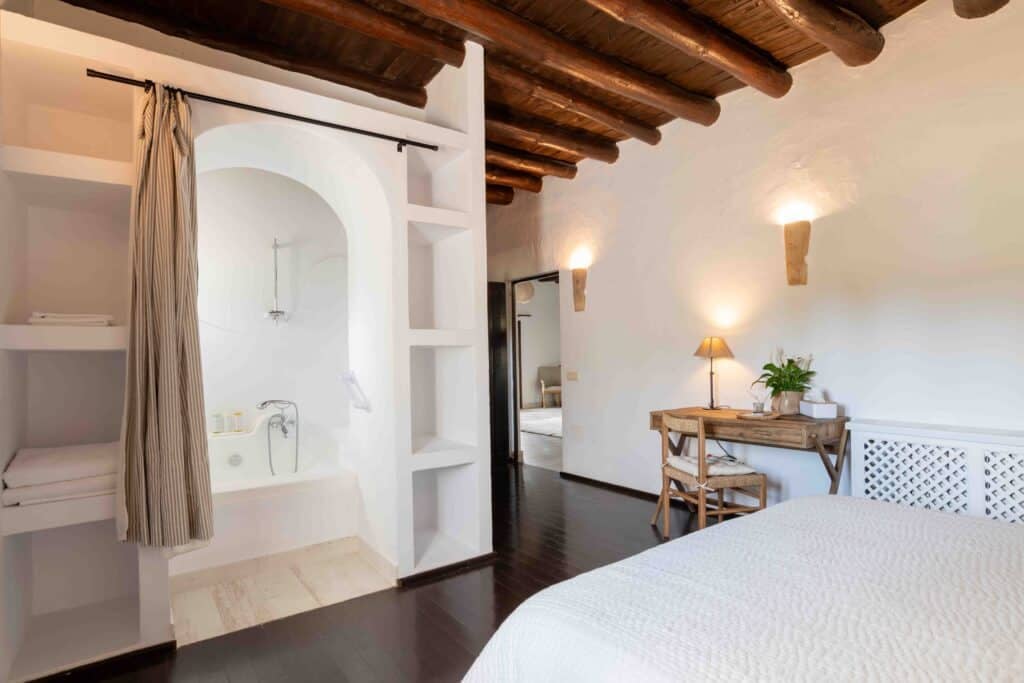





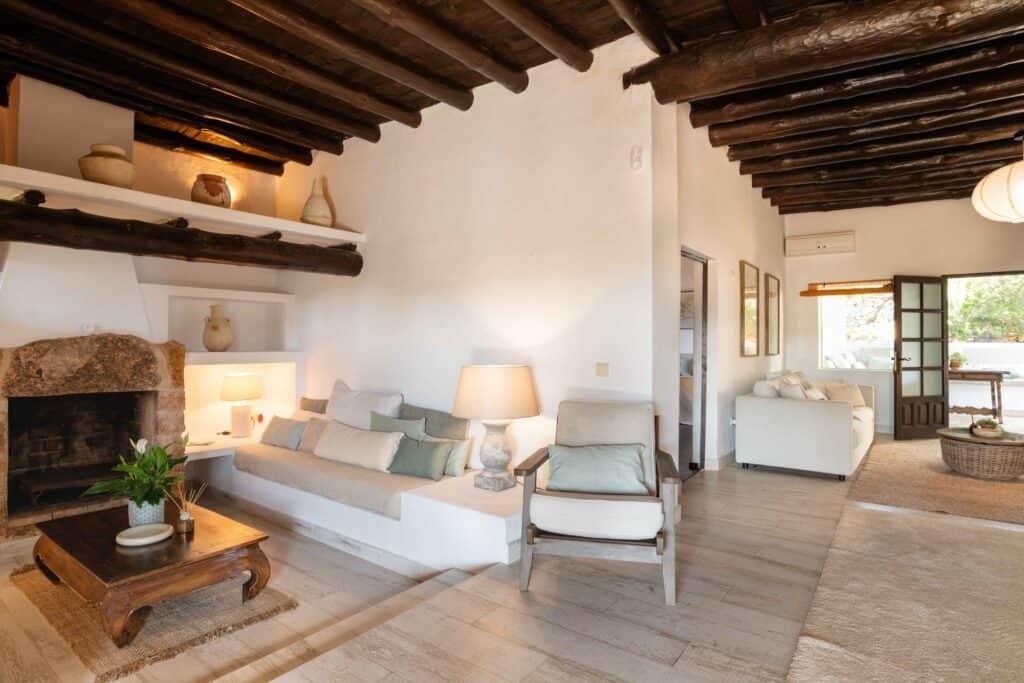
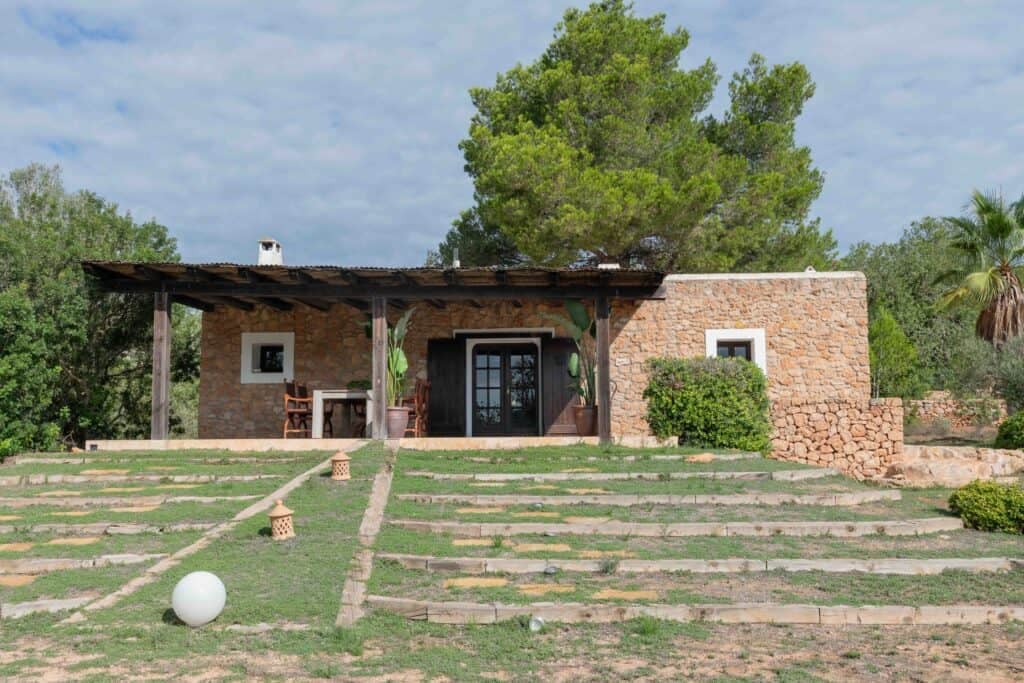

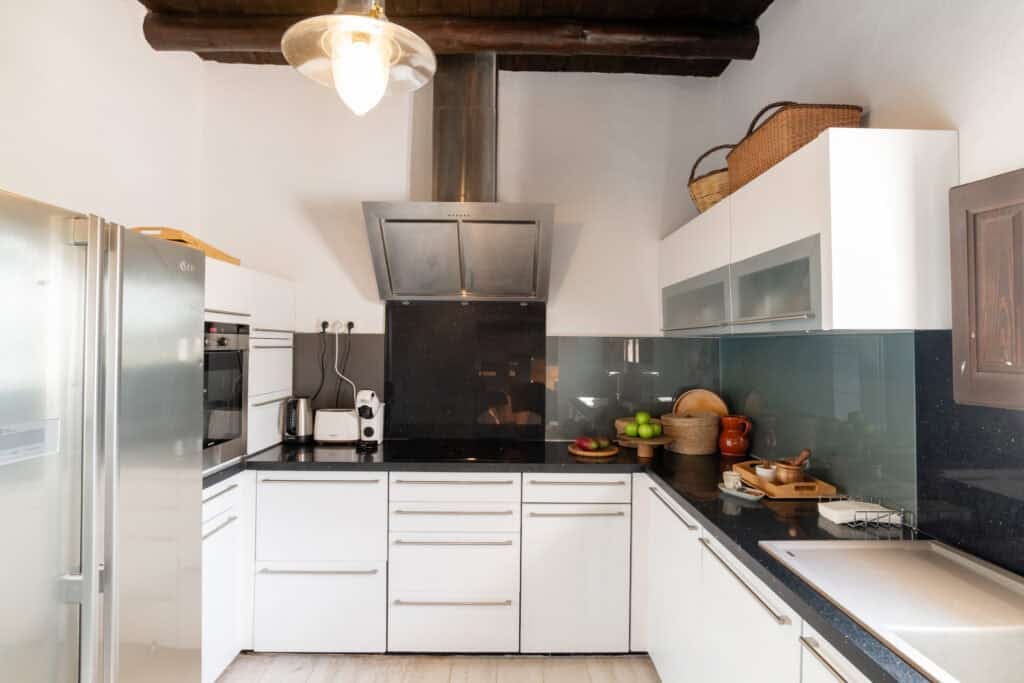
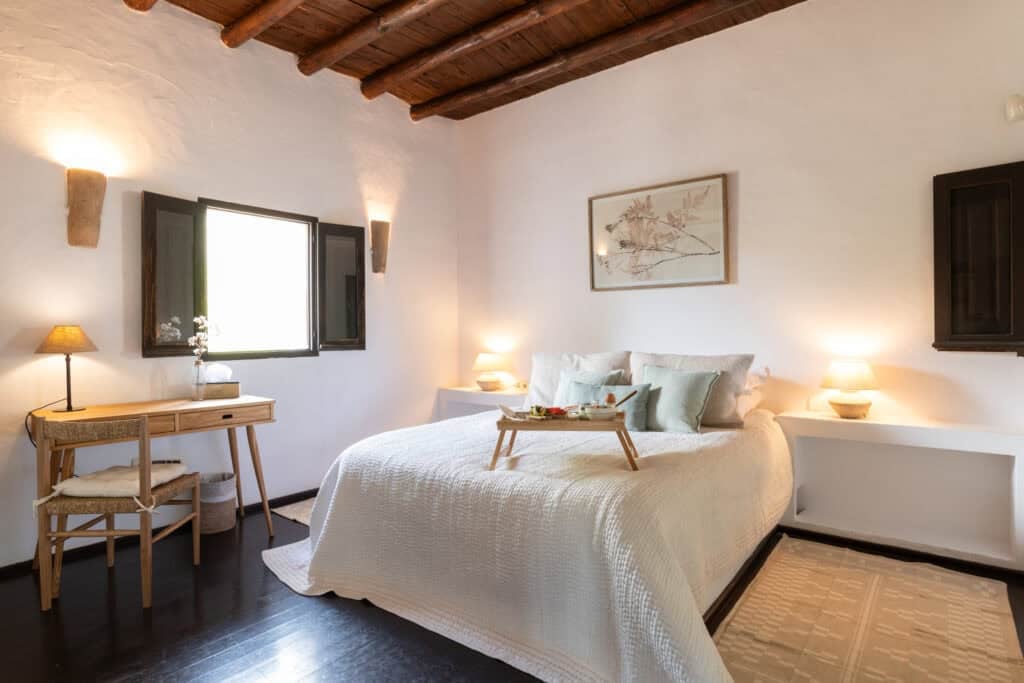
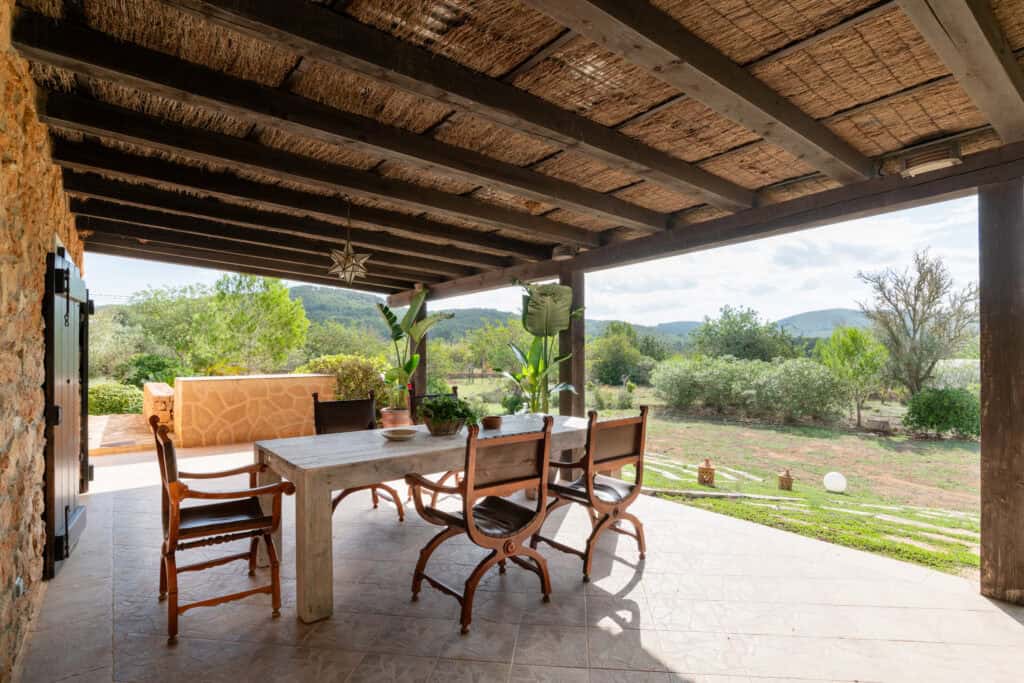
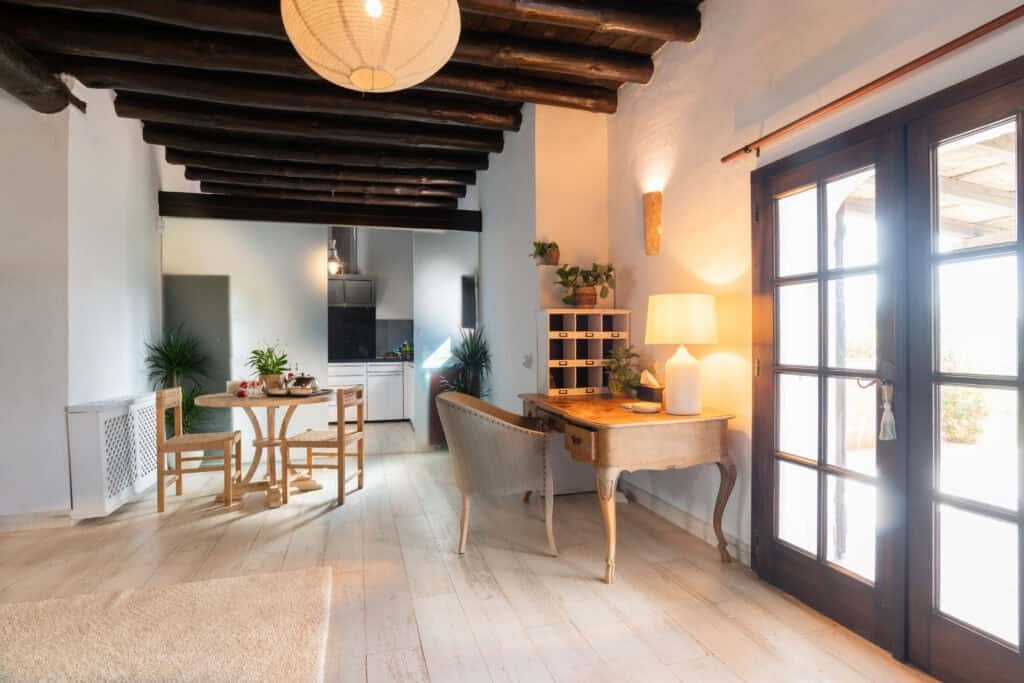
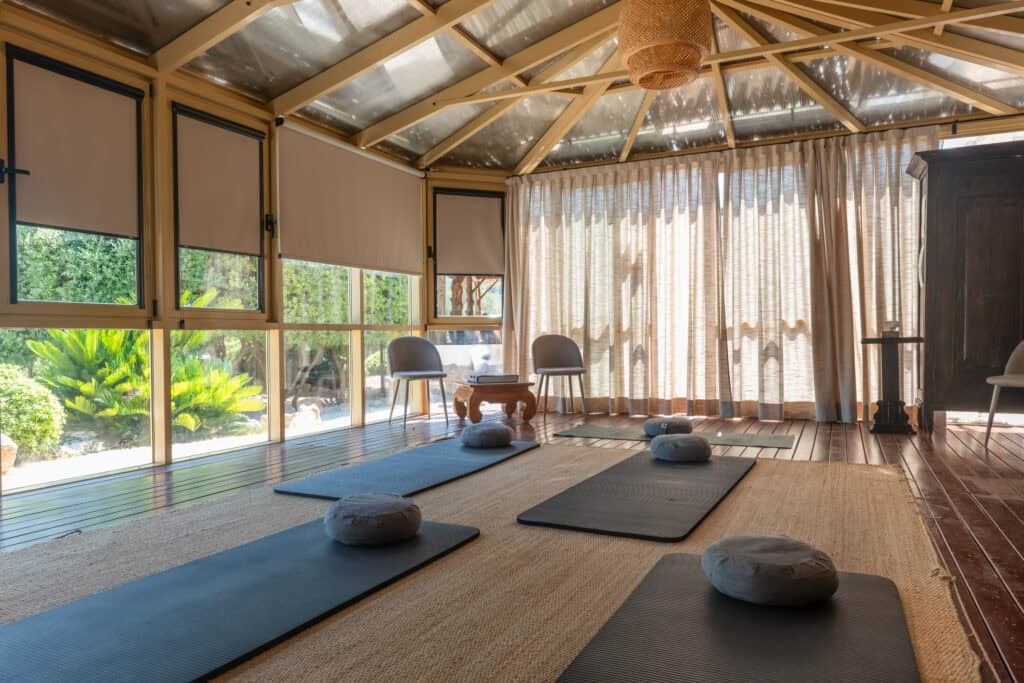








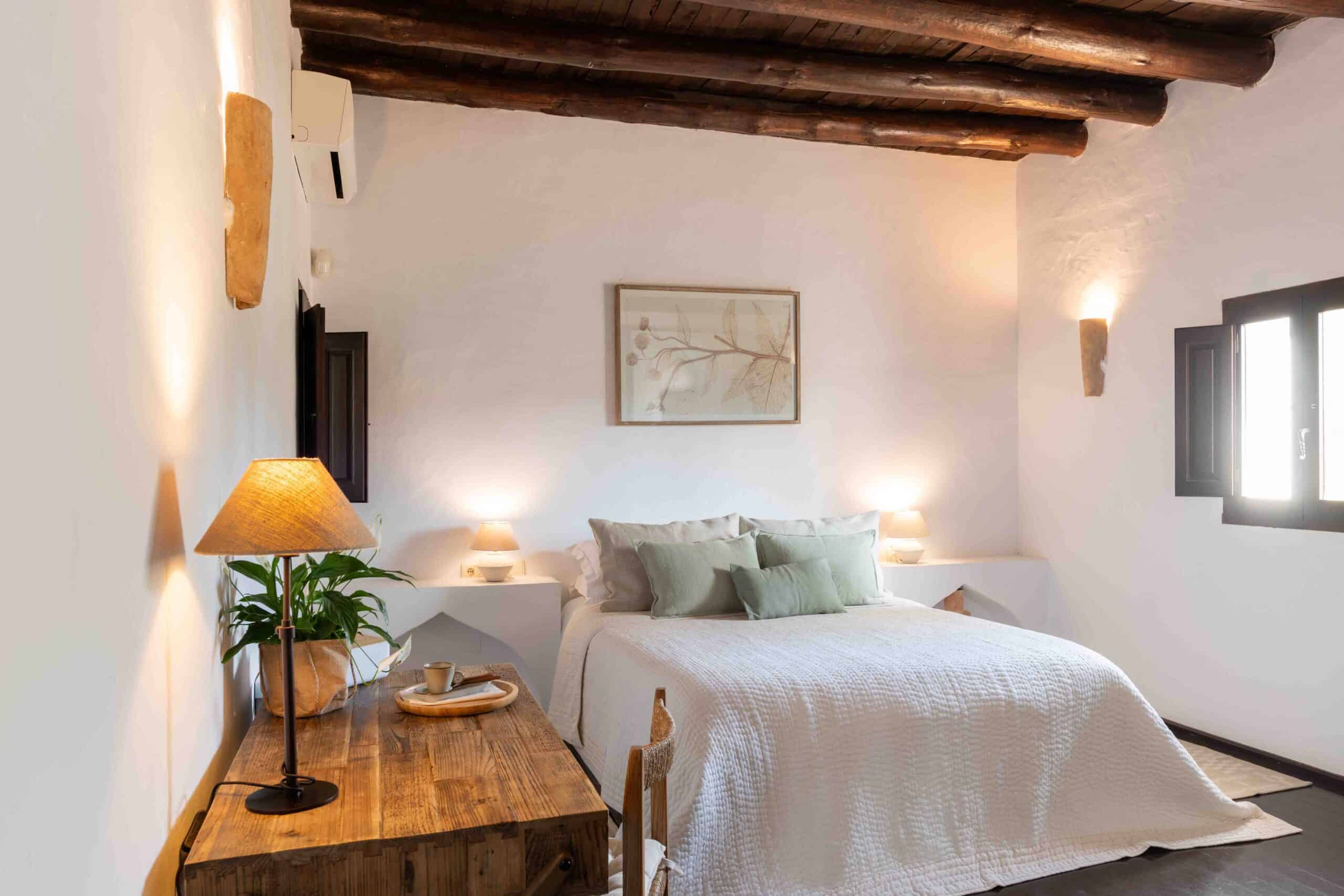
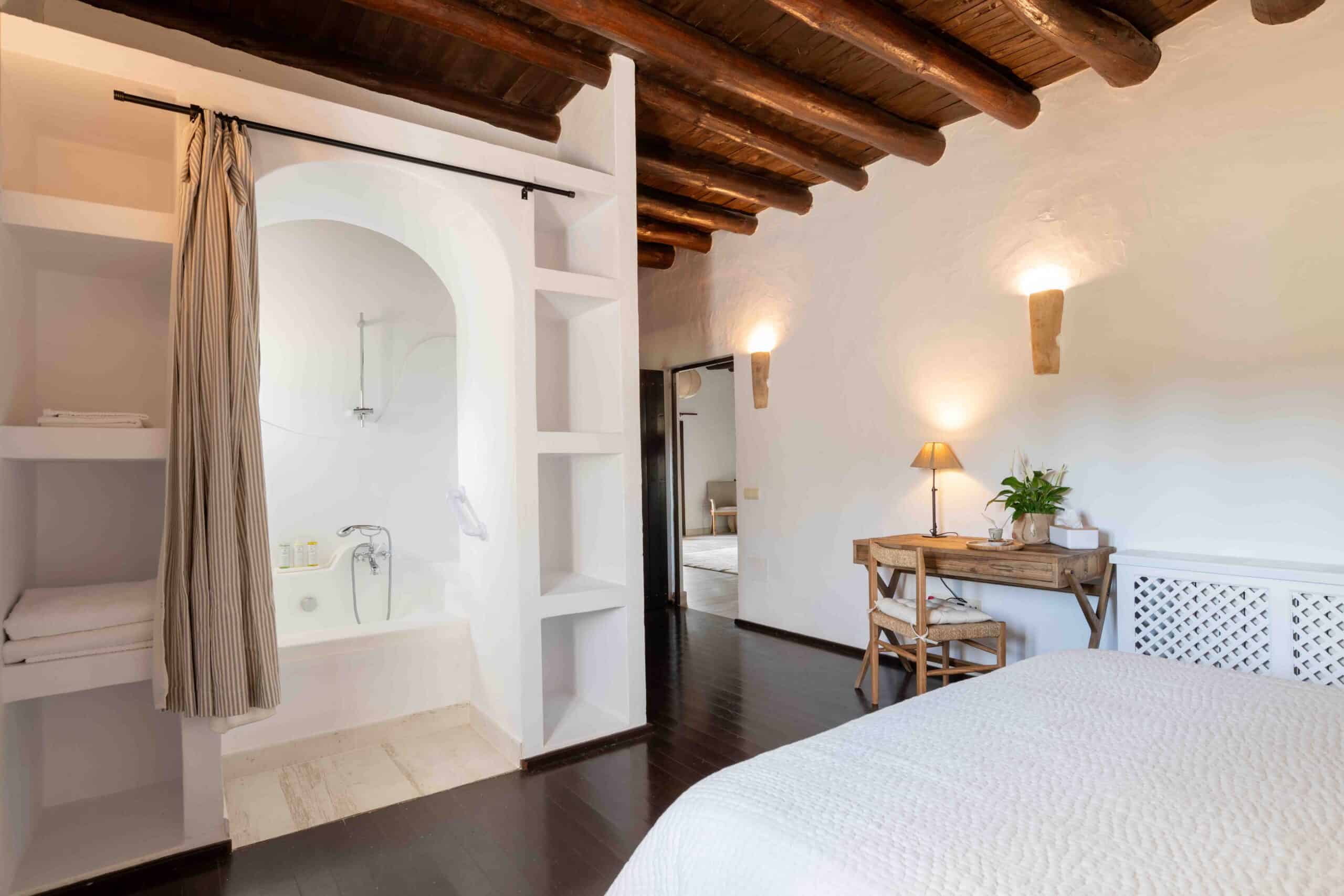




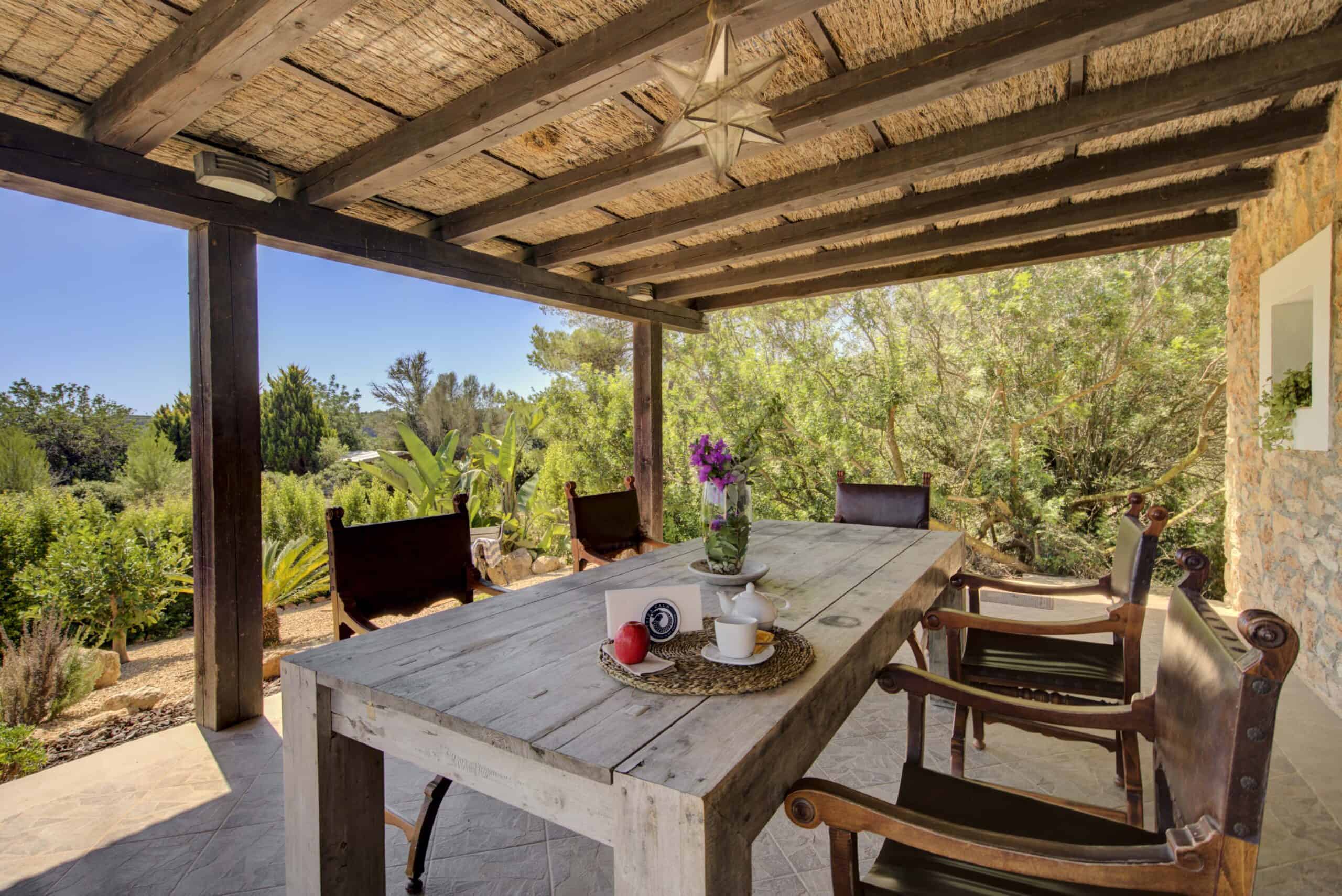

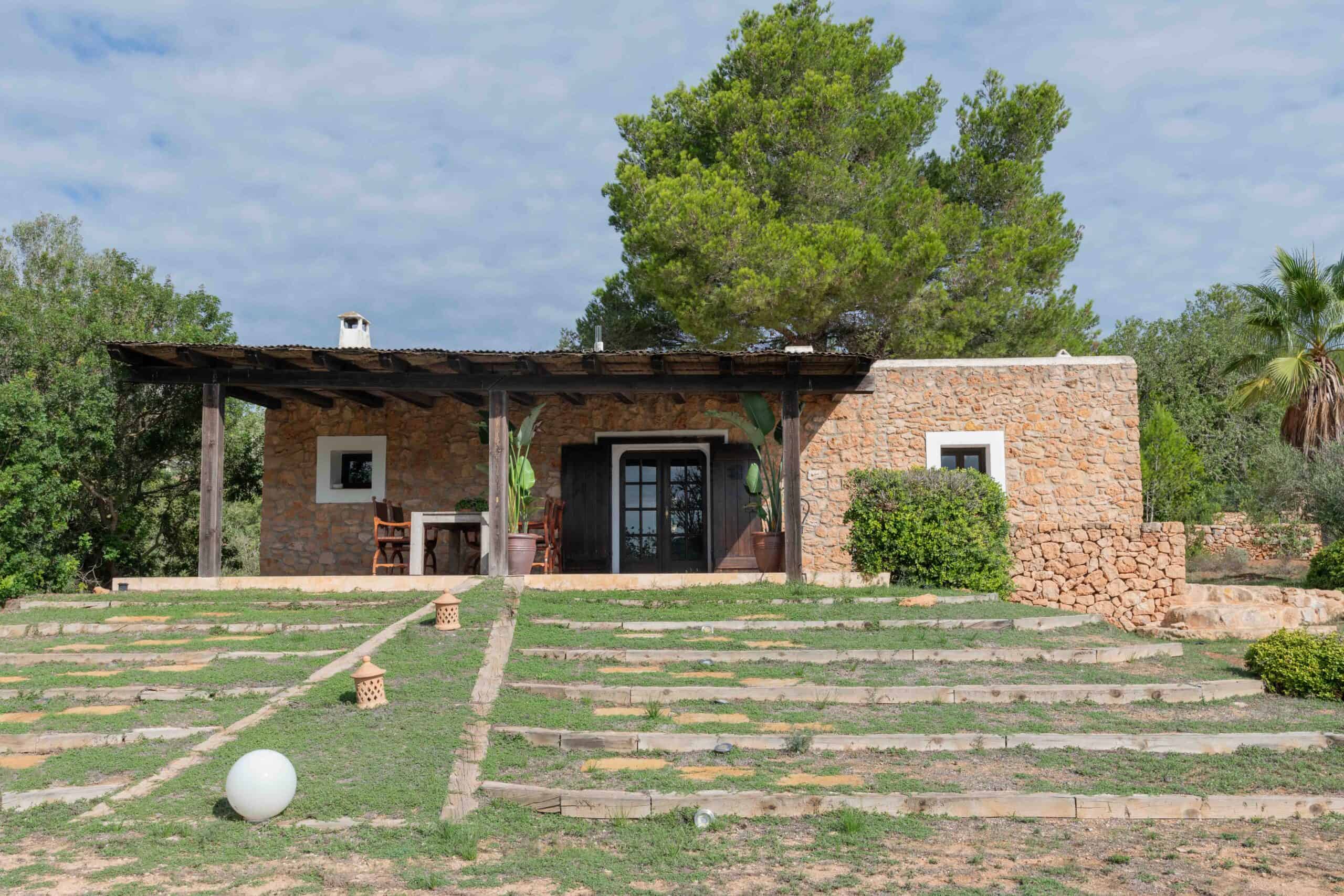

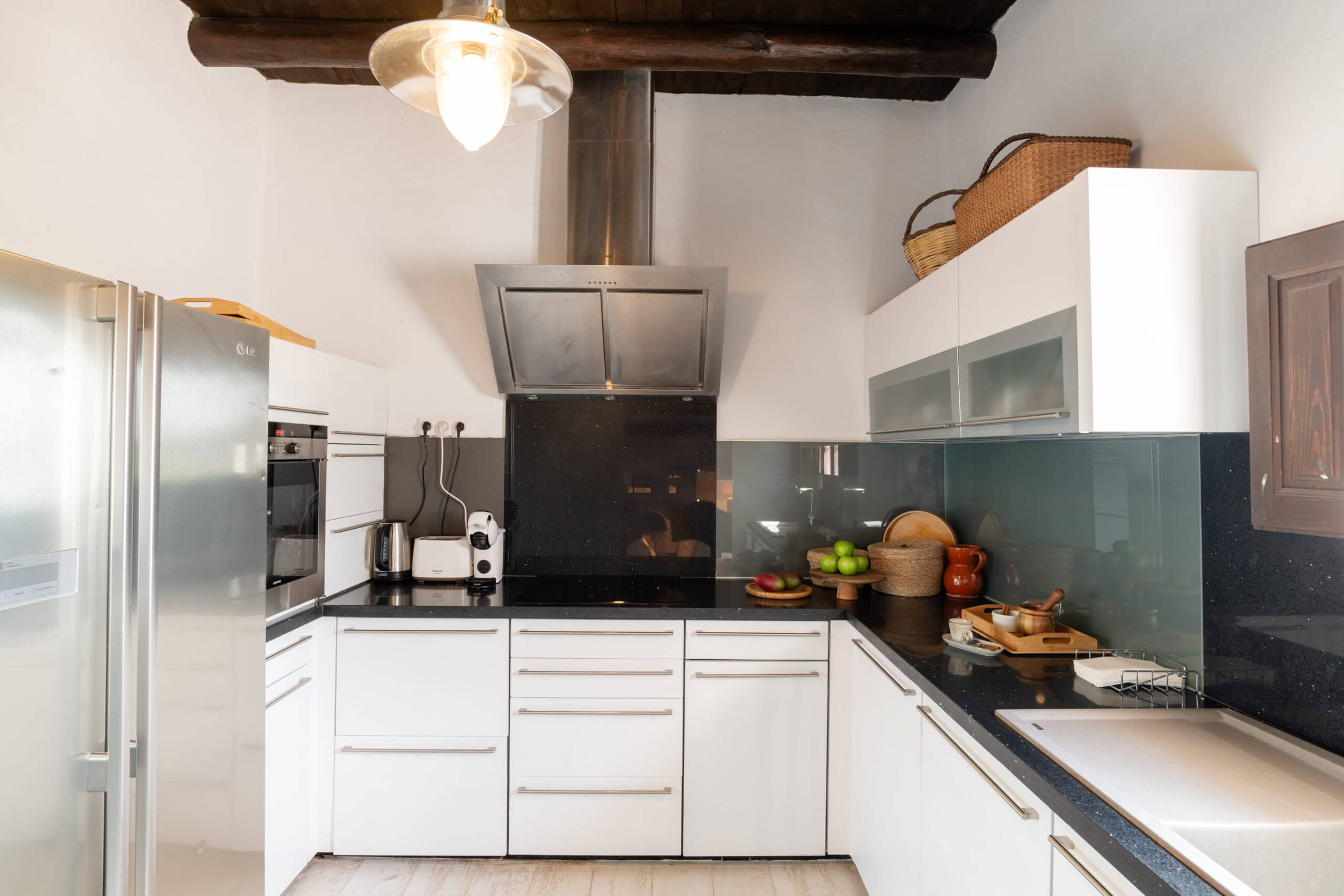
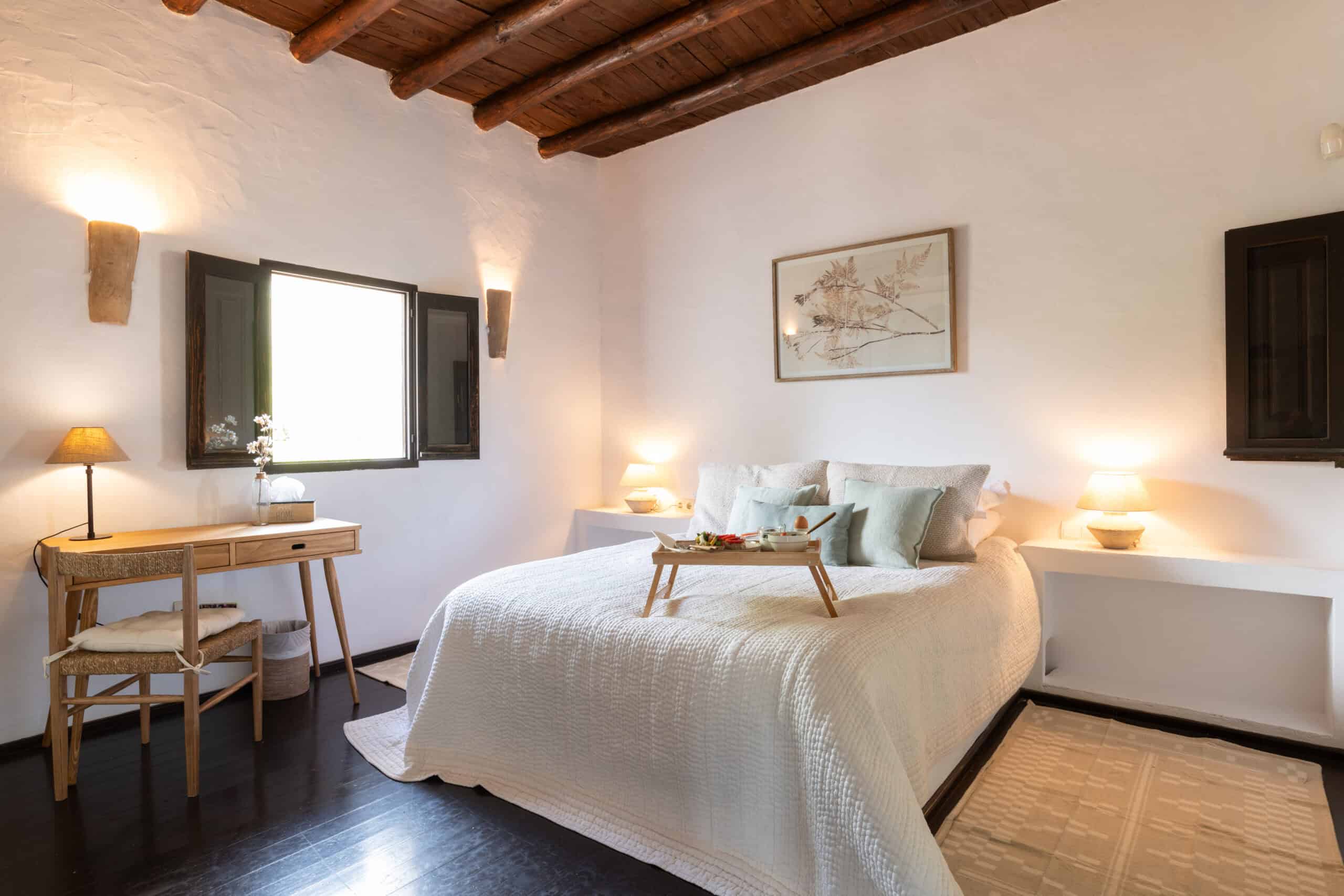
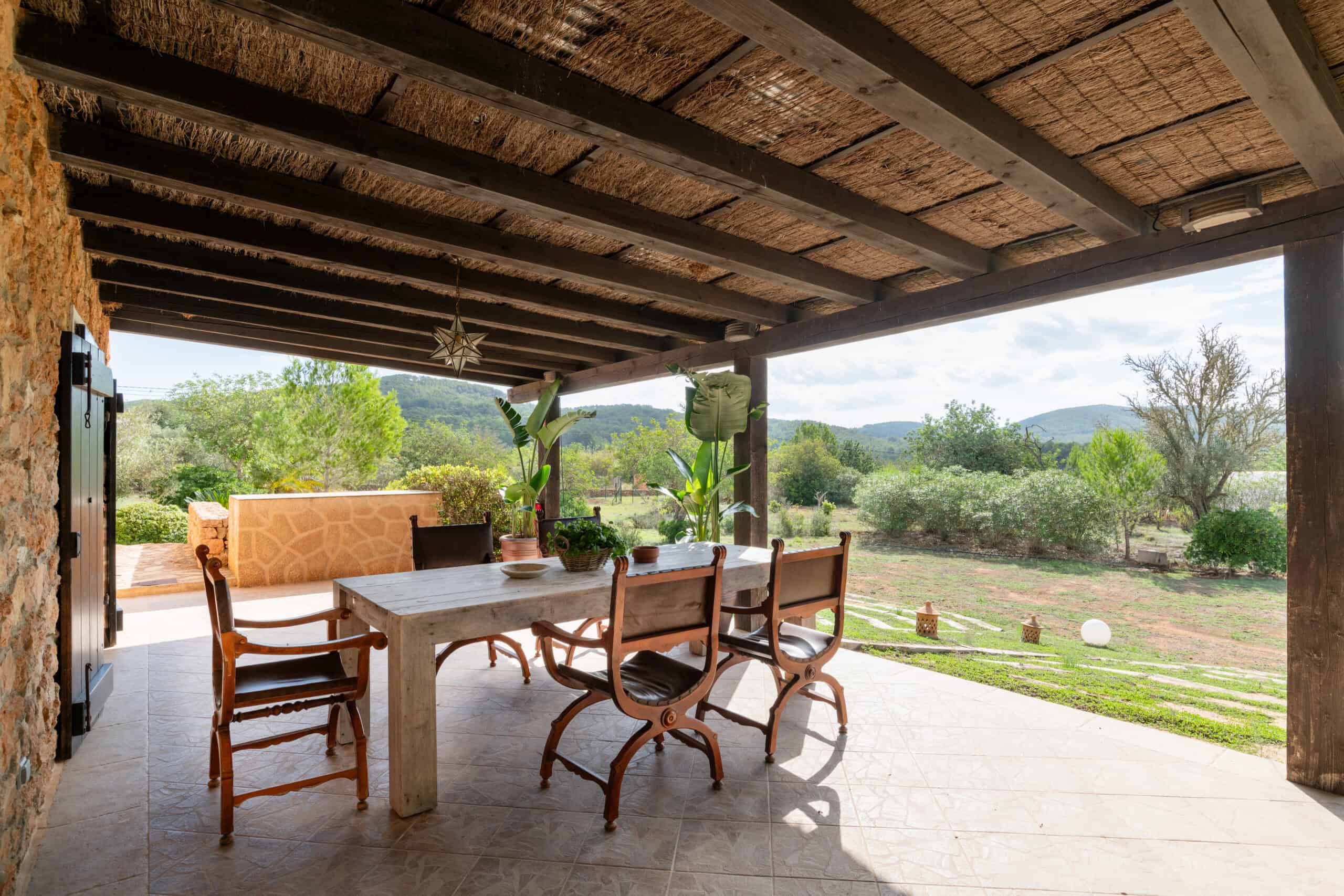
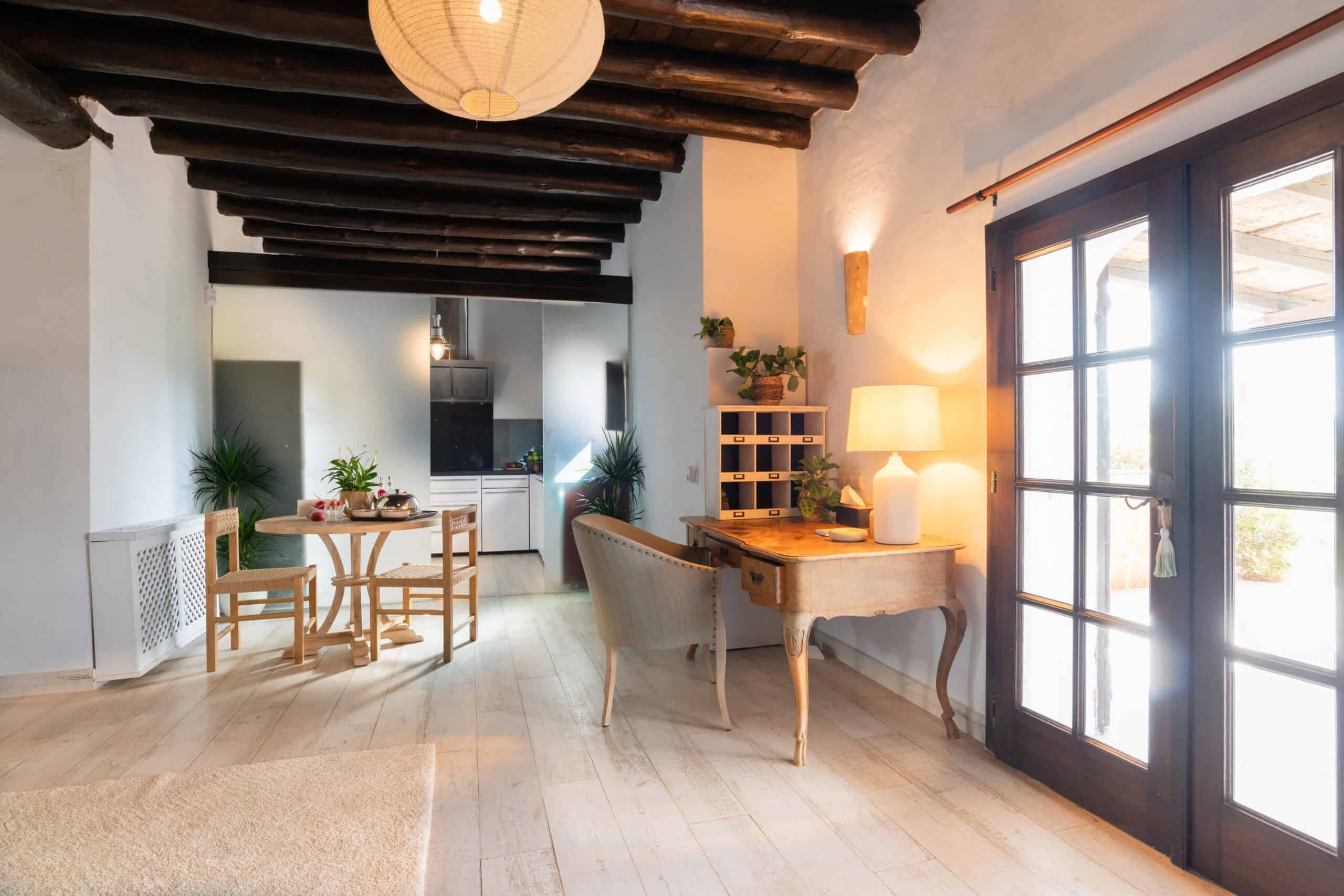
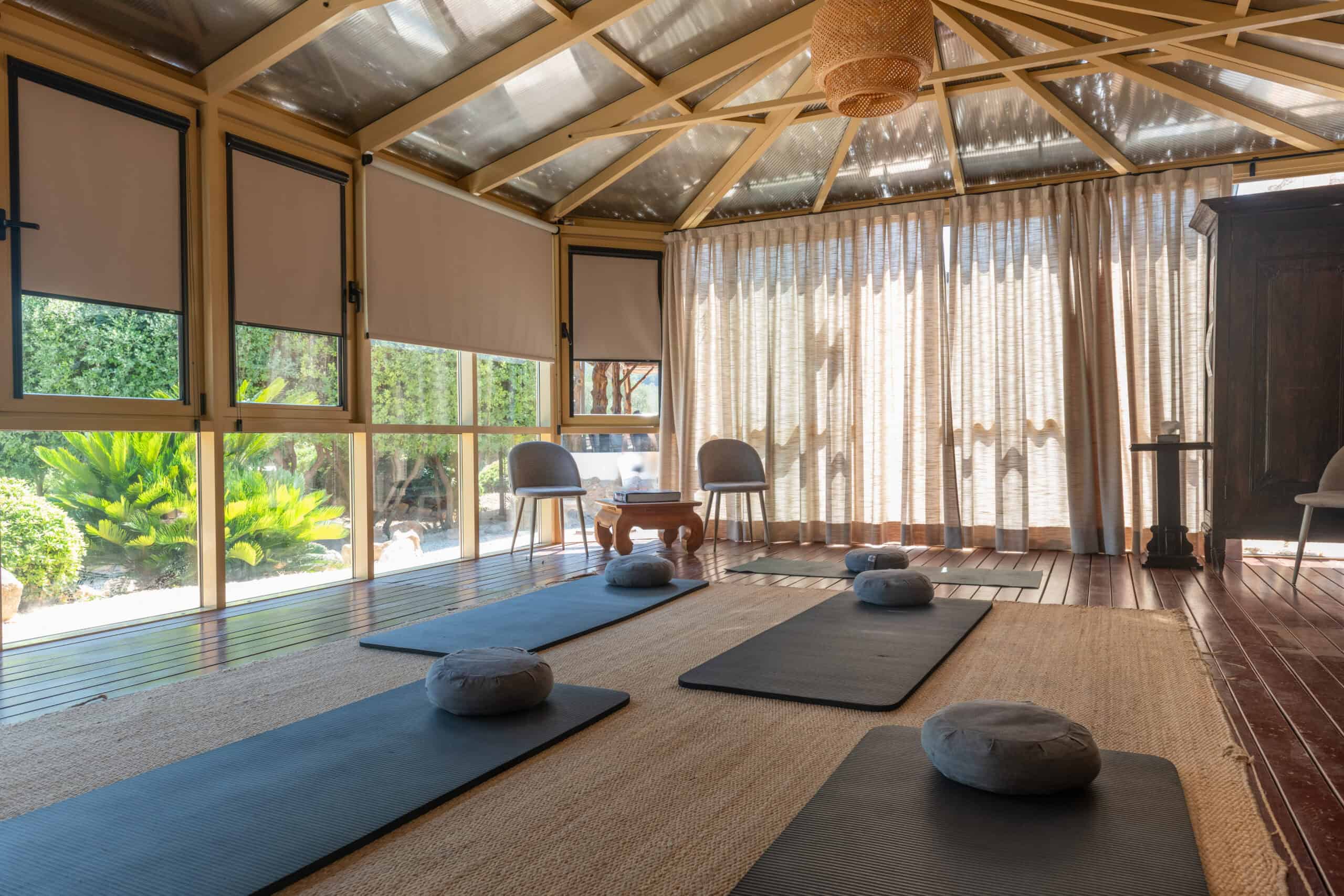




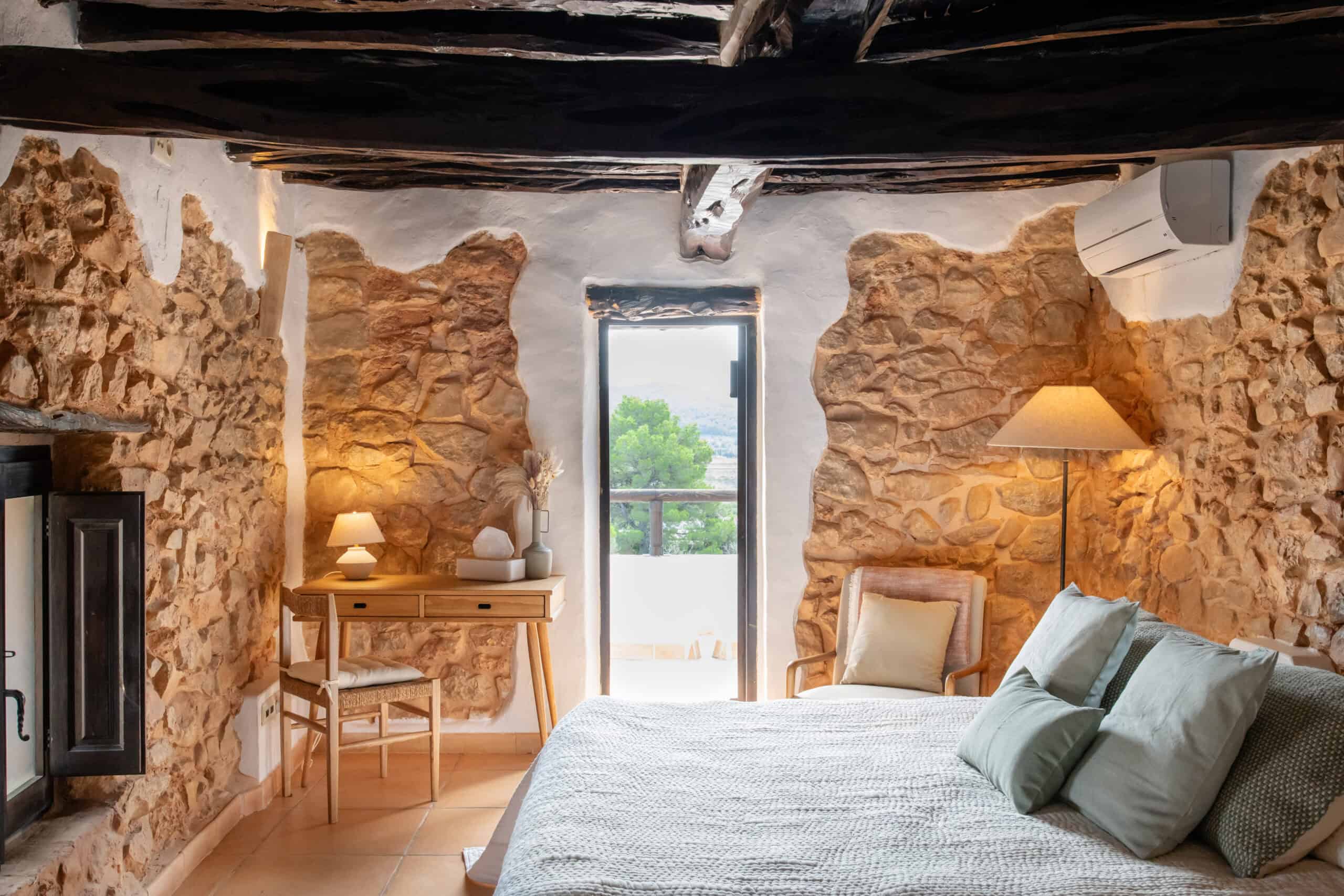
Ibiza Calm is a fully established residential treatment clinic, providing both mental health and addiction support within a structured and consistent clinical setting.
Care is delivered by a multidisciplinary team, including psychiatrists, psychologists and therapists, working collaboratively to support each individual. This allows for a more comprehensive understanding of each person’s experience, and a treatment approach that can adapt over time.
Programmes are designed to address not only presenting symptoms, but also the underlying factors that may contribute to them. This may include therapeutic work around stress, emotional regulation, trauma, relationships and behavioural patterns.
The setting itself is intentionally calm and private. Located within a natural environment, it offers space away from external pressures, whilst maintaining a level of comfort that supports the therapeutic process. Individual accommodation allows for both privacy and reflection, alongside structured daily support.
This combination of clinical care and environment is intended to support meaningful, lasting change, rather than short term relief.
The value of stepping fully away
For some individuals, remaining within their usual environment, even with support, can make it difficult to create lasting change. Patterns of behaviour and external pressures often remain in place.
A residential setting can provide:
- Consistency in therapeutic support.
- Separation from external stressors and routines.
- Time to focus fully on mental health.
- A structured yet supportive environment for recovery.
Whilst this is not the only route to support, it can offer a level of depth and continuity that is difficult to replicate elsewhere.
Considering next steps
Deciding to take time out for mental health is not always easy. It may come with uncertainty, particularly when life appears to be continuing as normal. However, creating space for reflection and support can be a constructive step, particularly when things begin to feel less manageable over time.
Where this step is taken, the setting, the quality of care and the experience of the clinical team all play an important role. Taking time out is not about stepping away from life entirely, but about returning to it with greater clarity, balance, and resilience.
For those who may be considering this, seeking confidential advice can be a helpful first step. Exploring the different options available and understanding what level of support may be appropriate can provide reassurance and clarity at what can often feel like an uncertain point.
At Ibiza Calm, guidance is offered in a discreet and considered way, allowing individuals to explore whether a period of more structured support may be beneficial.
You’re not alone on this journey.
The path to recovery starts with a small first step.