


Treatment
Transcranial magnetic stimulation (TMS)
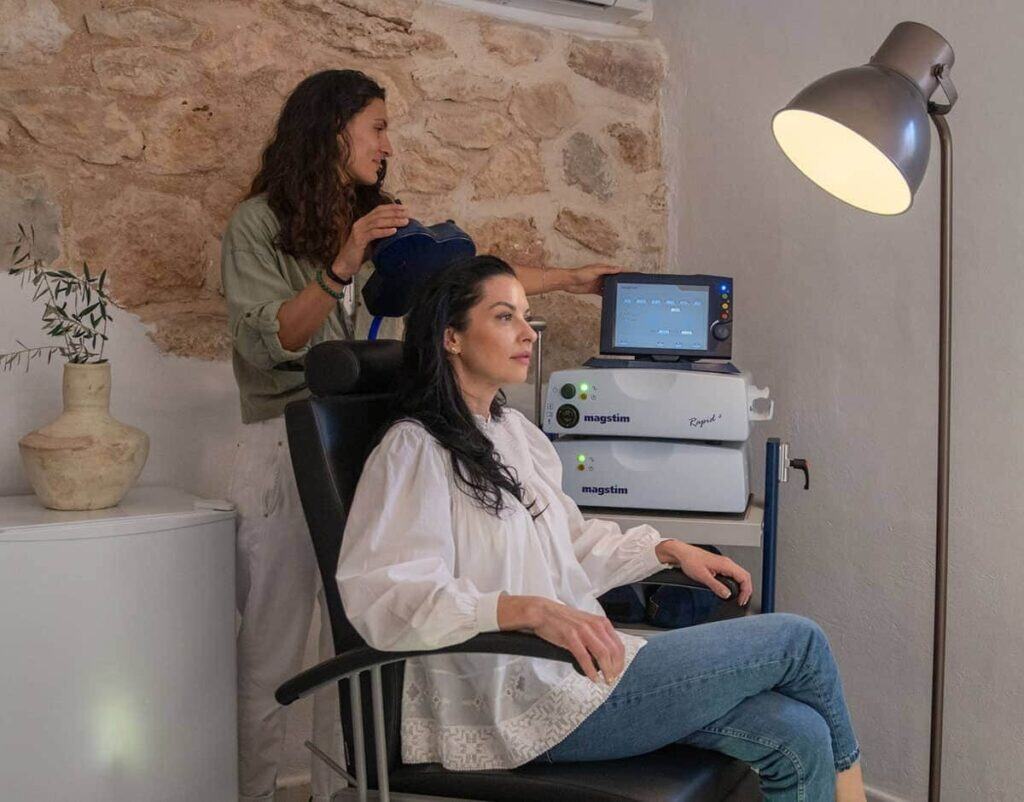
Transcranial magnetic stimulation, or TMS, is an effective, non-invasive, non-convulsive brain stimulation therapy.
It has been proven to be highly effective in treating a wide range of neurological and mental health conditions, including generalised anxiety disorder and depression, as well as substance abuse and various types of trauma, such as PTSD.
At Ibiza Calm, TMS is offered as part of our wider, holistic treatment programme, ensuring our clients benefit from the latest advancements in mental health care.
Here, we will explore what TMS is, how it works, and the benefits of this type of treatment.
In the meantime, if you would like to talk to someone about your mental health concerns or that of someone you care about, contact our team today, who will gladly offer further information and support.
overview
Complete privacy. Complete care.
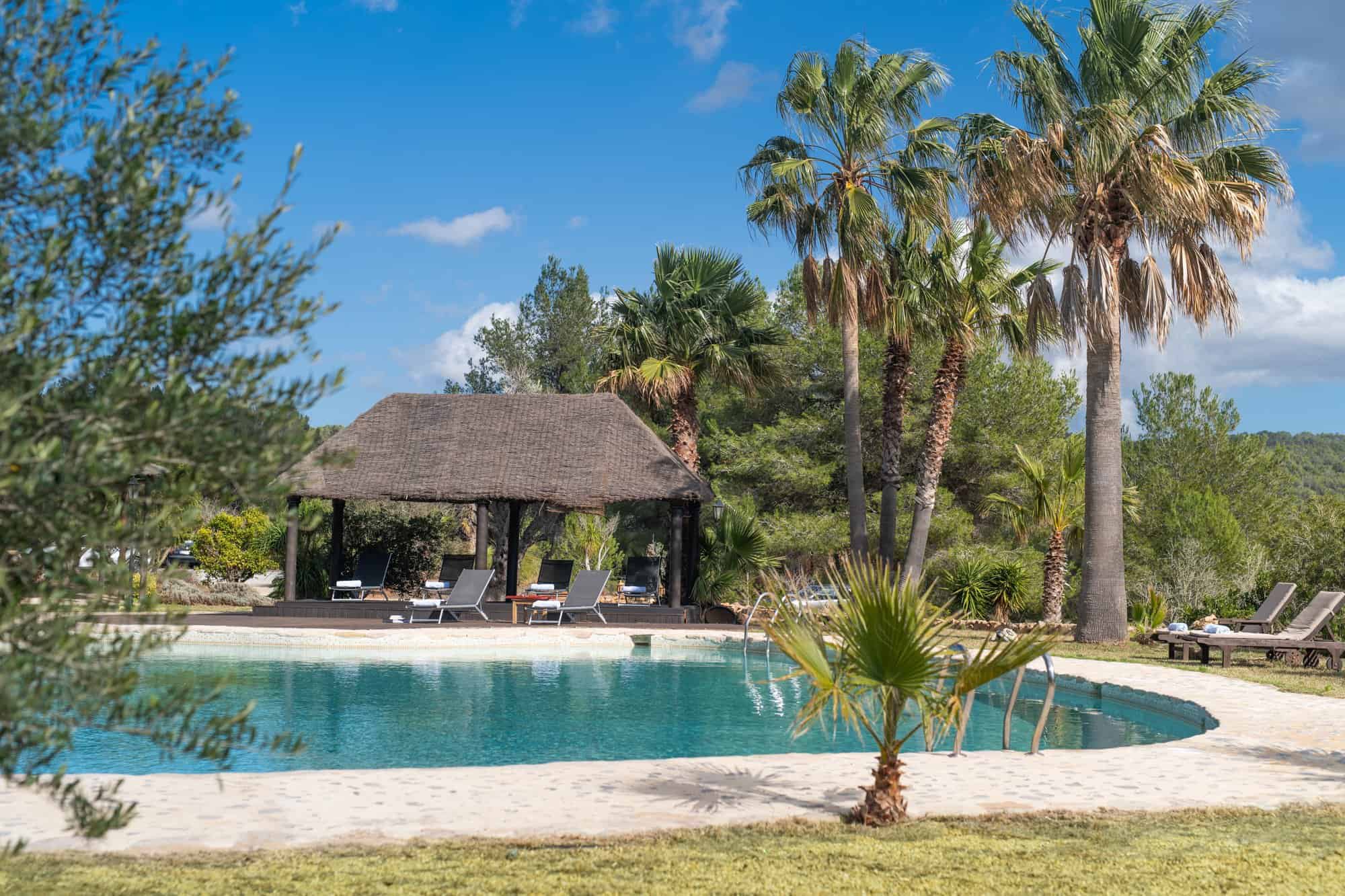
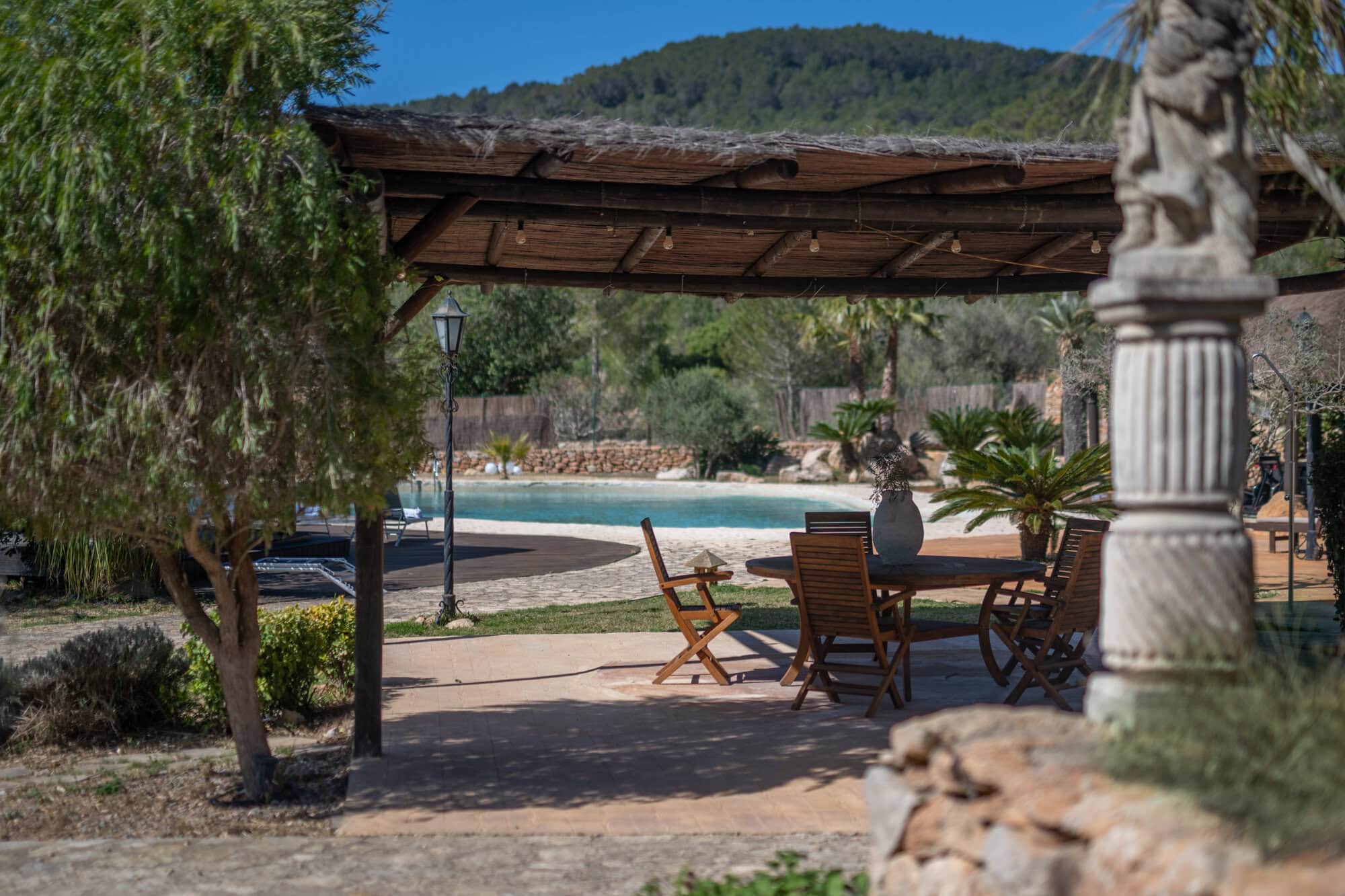
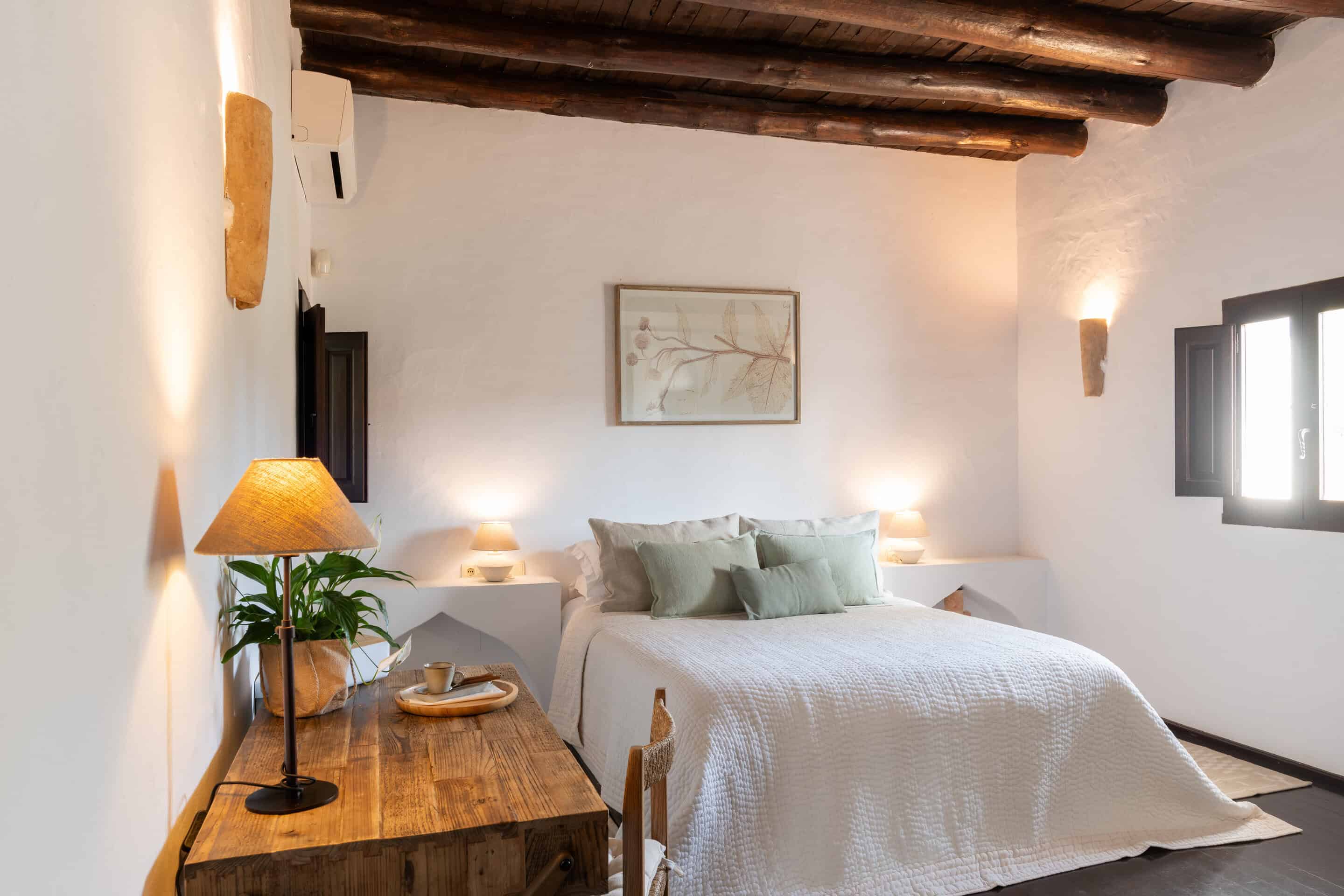
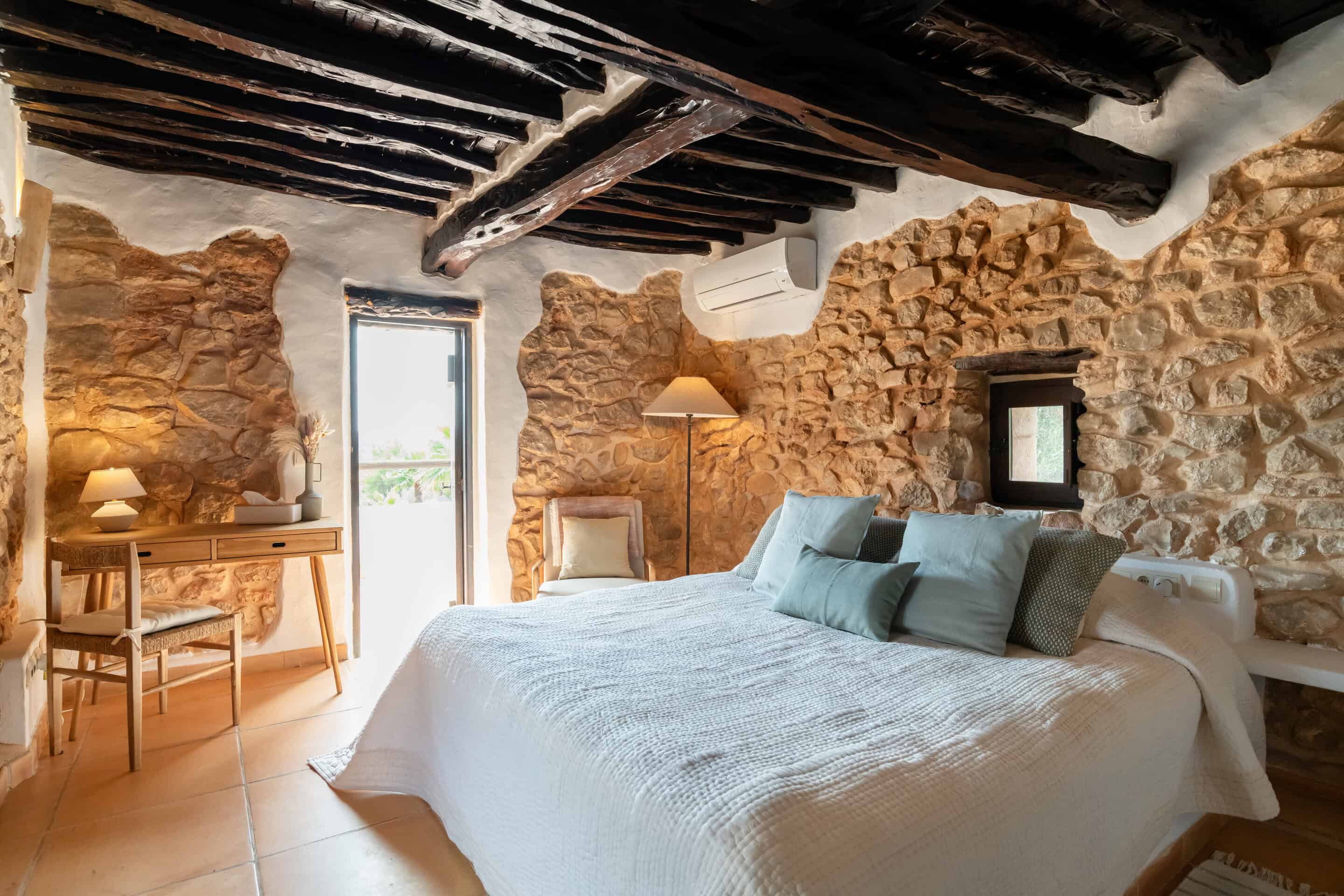
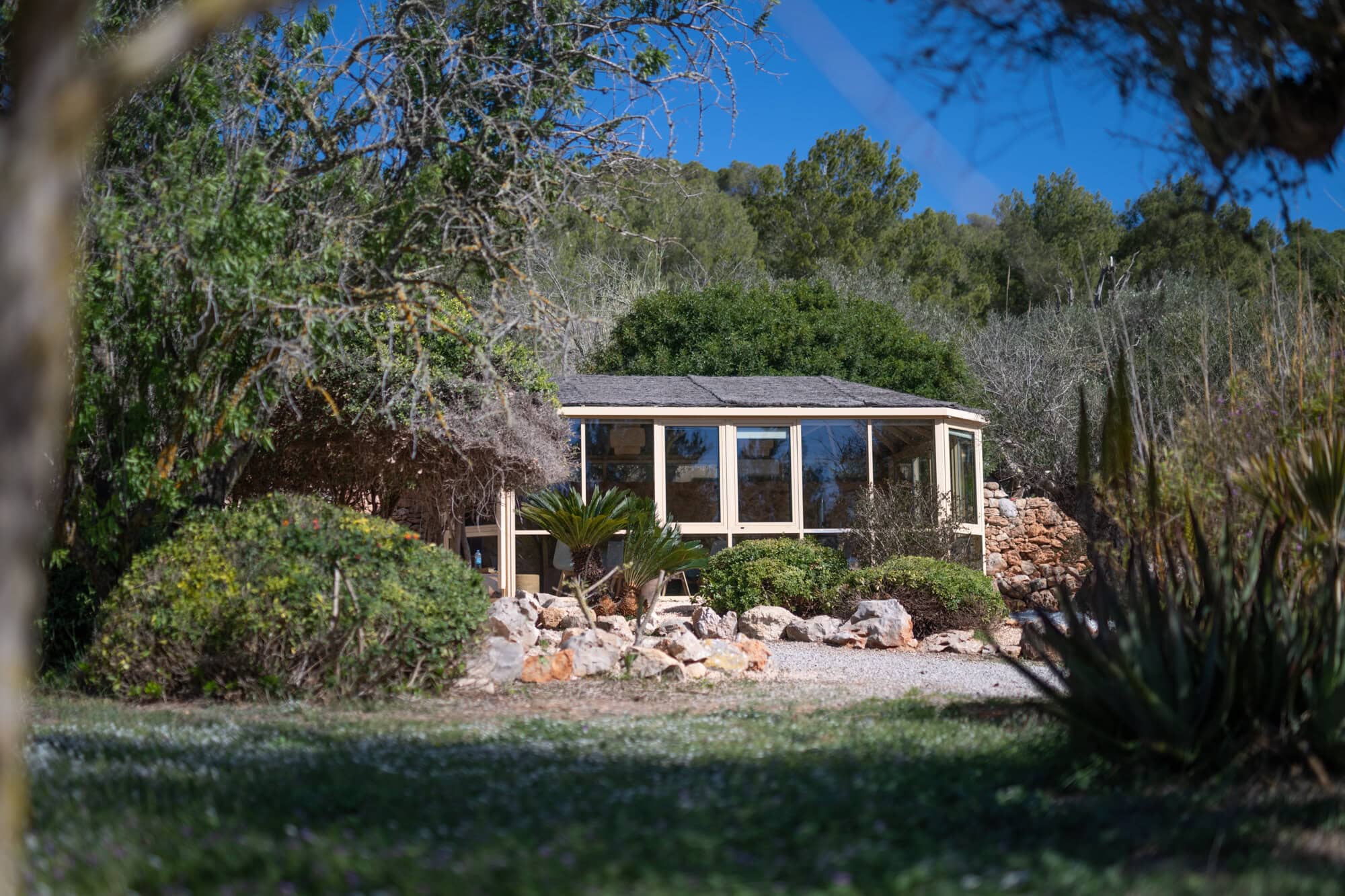
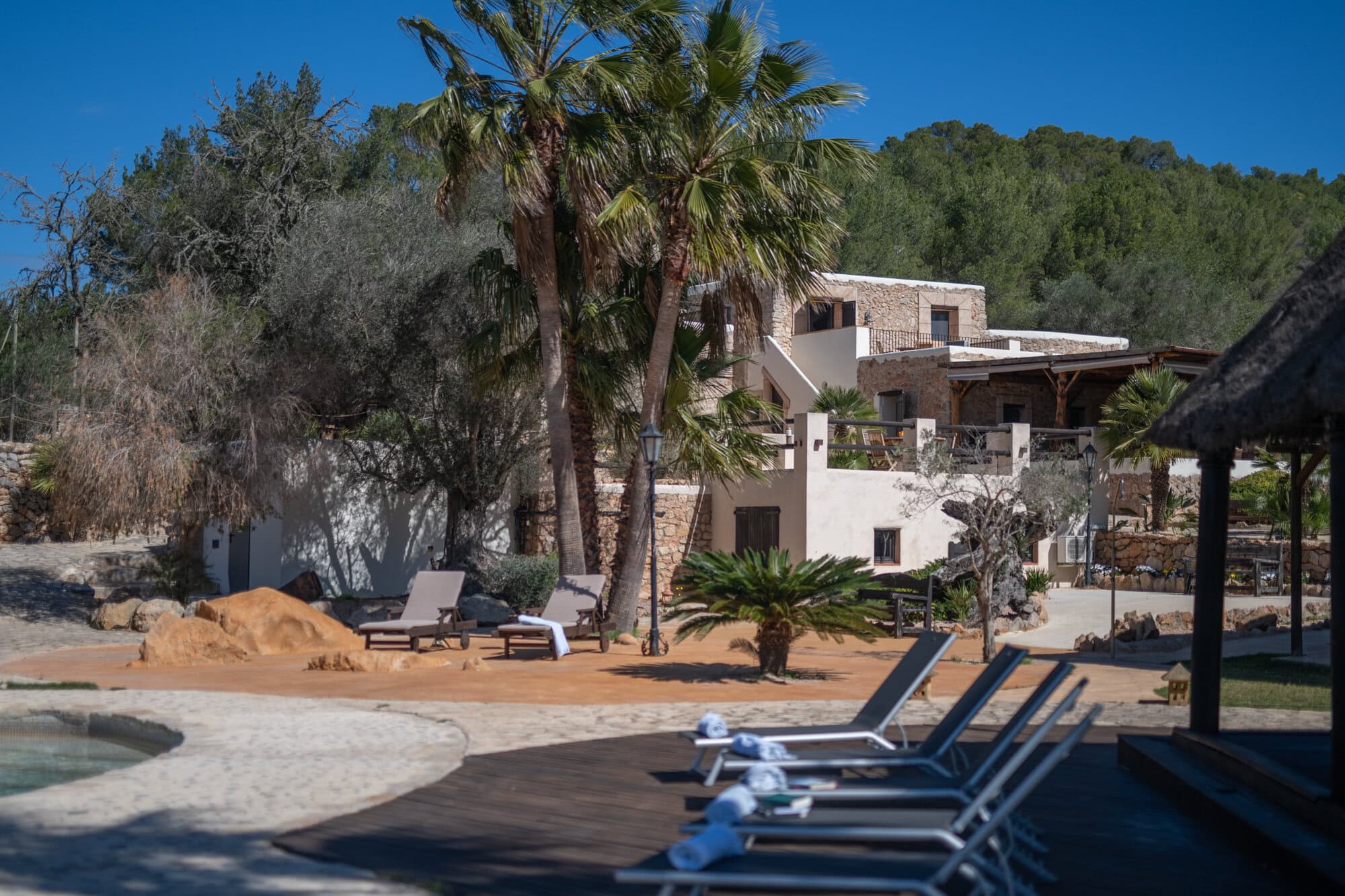
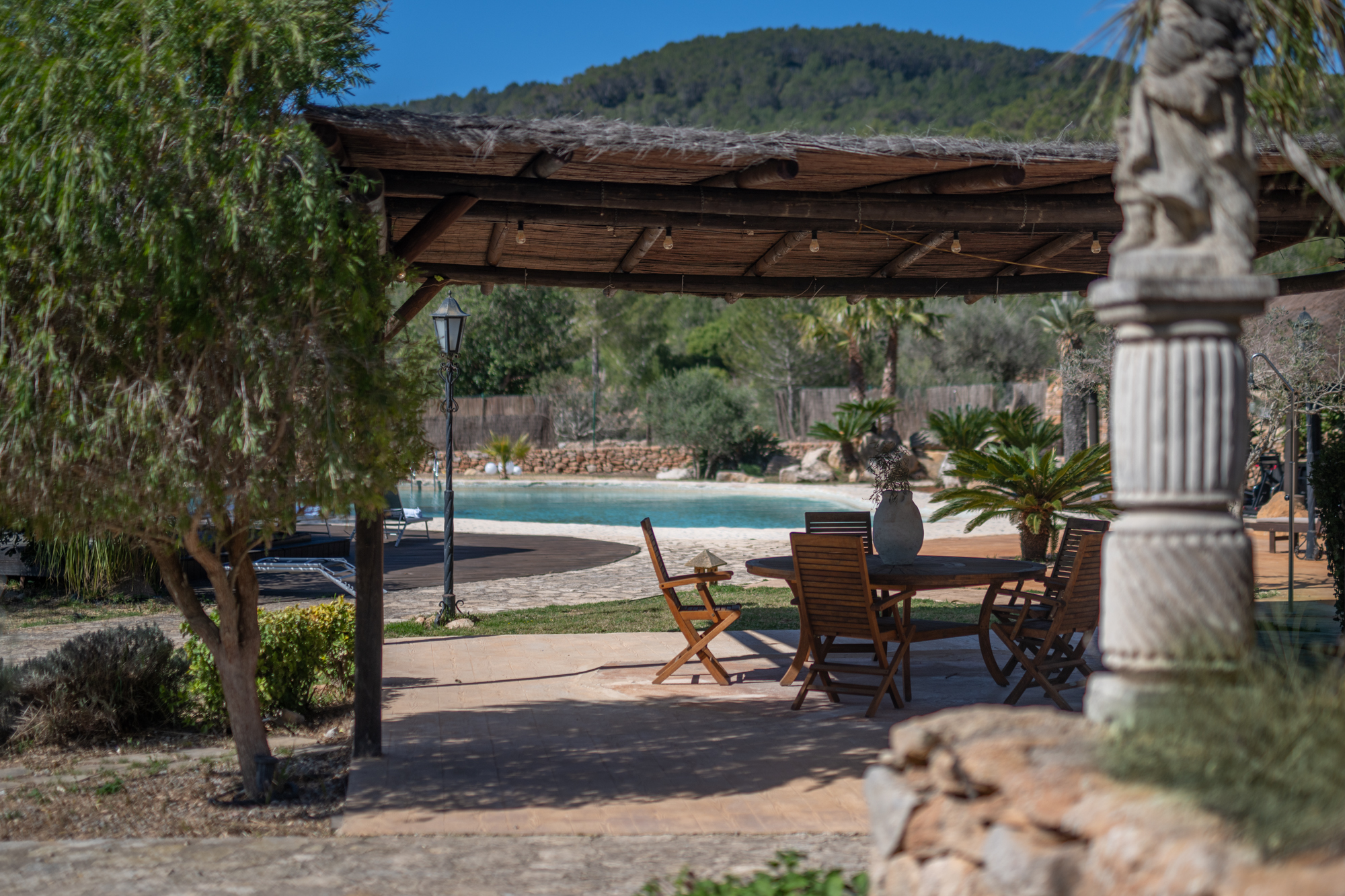
Located within our 13-hectare private estate, La Casita is a secluded two-bedroom residence with its own entrance and gardens. It provides an unparalleled environment for clients who need total anonymity, personalised care, and the reassurance of 24-hour on-site medical support.
Set in northern Ibiza, far from the island’s party scene, La Casita’s tranquil surroundings and natural beauty seep into every part of the recovery journey.
Transcranial Magnetic Stimulation
How does TMS work?

TMS uses a magnetic field to deliver brief electrical pulses to specific areas of the brain, stimulating neurons (nerve cells) and enhancing communication between brain regions, particularly in the superficial layers of the cerebral cortex.
Repetitive transcranial magnetic stimulation (rTMS) is a type of TMS.
During the treatment of depression and other neuropsychiatric disorders, the pulses are repeated quickly one after the other, thus gaining the name rTMS. You will find both terms used interchangeably.
Transcranial Magnetic Stimulation

TMS therapy
TMS is an umbrella term for magnetic stimulation treatment, which refers to repeated electrical impulses delivered in structured patterns to help create lasting changes in neural activity.
rTMS
rTMS is a treatment often used for therapeutic purposes to provide effective, sustained benefits for conditions like anxiety and depression.
Transcranial Magnetic Stimulation
What is TMS used for?
Originally developed in 1985 by Anthony Barker at the University of Sheffield, TMS has evolved from a tool for diagnosing depression to an internationally recognised treatment for a wide range of neurological and psychiatric disorders.
TMS is approved by NICE (UK) and the FDA (USA) for various indications, highlighting its efficacy in mental health treatment.
At Ibiza Calm, TMS may be used to help with the following conditions:
→ Major depressive disorder, bipolar disorder, and post-partum depression.
→ Substance dependencies (such as drugs, alcohol, and nicotine).
→ Obsessive-compulsive disorder (OCD).
→ Post-traumatic stress disorder (PTSD).
→ Generalised anxiety disorder.
→ Schizophrenia.
→ Tourette’s Syndrome.
What are the benefits of TMS?
TMS offers many benefits to individuals, particularly those suffering from emotional difficulties like PTSD and substance use disorder that may not respond to other forms of treatment.
Some of the benefits of this approach are outlined below.













Clinical evidence supporting TMS
TMS is supported by extensive research, with key studies showing significant improvements in depression, anxiety, and other mental health conditions.
Here’s what the research says:
Depression
In a 2012 study, 58% of patients had significant improvement, and 37% achieved full remission after having TMS treatment. It is especially effective for treatment-resistant depression and can help improve recovery outcomes significantly.
Generalised anxiety disorder
A 2016 randomised trial showed that 1 in 3 people made a full recovery from anxiety with TMS, and 75% saw clinically meaningful improvements.
Furthermore, UK provider Smart TMS reports 62% remission rates in their audit from patients who have engaged in this type of treatment.
Cocaine addiction
TMS can offer many benefits to individuals struggling with cocaine addiction, with clinical trials demonstrating reduced cravings following TMS, and further positive results when switching from medication to TMS.
Alcohol dependence
Studies show TMS can help rewire brain circuits involved in alcohol cravings and can help reduce the risk of relapse after detox, showing much promise to individuals struggling with alcohol use disorder.
PTSD
Research in 2014, 2017, and 2018 shows significant reductions in PTSD symptoms for patients using TMS, especially when TMS is combined with psychological therapy, such as counselling and other forms of treatment.
OCD
A clinical review of 20 studies found that TMS led to symptom reduction in 55% of patients, with 1 in 3 achieving full remission from obsessive compulsive disorder symptoms.
Additional resources: The power of TMS and iTBS in treating depression and addiction, John McKeown, Ibiza Calm, April 28, 2025
Our bespoke treatment programmes
At Ibiza Calm, TMS therapy can be integrated into our wider treatment programme and is designed to support your individual needs, goals and preferences.
To give an idea of what a typical treatment plan at Ibiza Calm can look like, below is an outline of our bespoke treatment programmes:
What’s included
A carefully composed programme of care and comfort
From the moment you arrive at our treatment centre in Ibiza, you are met by our expert clinical team for a full physical and psychiatric evaluation.
Together, we design a tailored programme of care to address both the immediate challenges and the deeper emotional or psychological issues underlying them.

Dedicated care team
A personal team of medical staff is available around the clock to provide constant support and reassurance.

Comprehensive health screening
Full assessments including blood work, personalised nutrition planning, and a tailored fitness programme.

Specialised therapies
One-to-one counselling, EMDR, equine-assisted therapy, and transcranial magnetic stimulation (TMS), selected according to individual needs.

Complementary practices
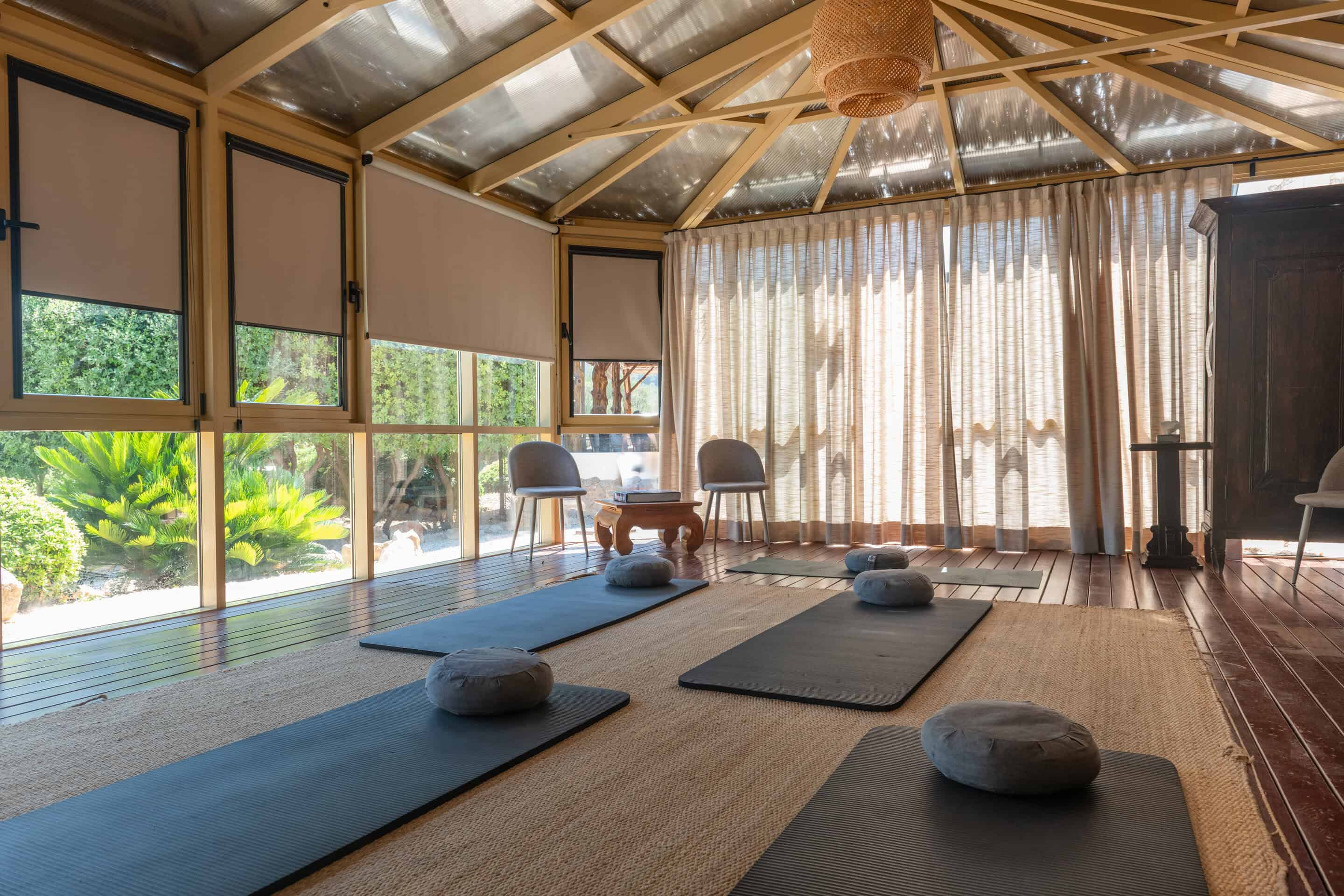
Restorative activities such as yoga, Pilates, mindfulness, massage, and spa services to support overall wellbeing.

Nutritional excellence
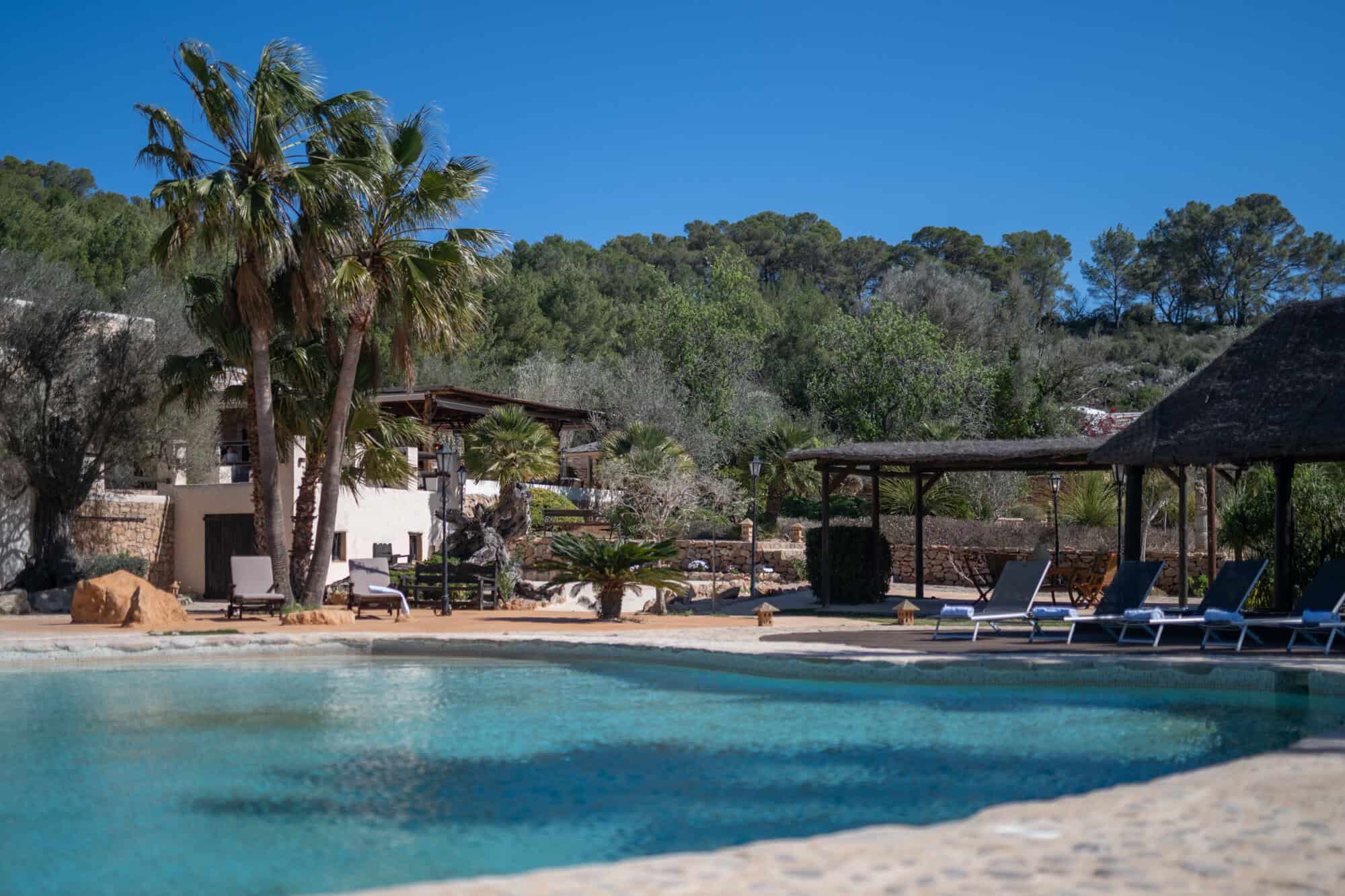
Time to relax and reflect within our 13-hectare private grounds, surrounded by orchards, gardens, and Mediterranean tranquillity.

Total discretion
The choice to receive therapies privately within La Casita, or to join the intimate community of up to 12 residents in the main house.
Every element of your programme is designed around you —flexible, private, and adaptive to your individual needs.

Clinical

Alternative

Physical
Our approach
Surrounded by the beautiful nature of Ibiza
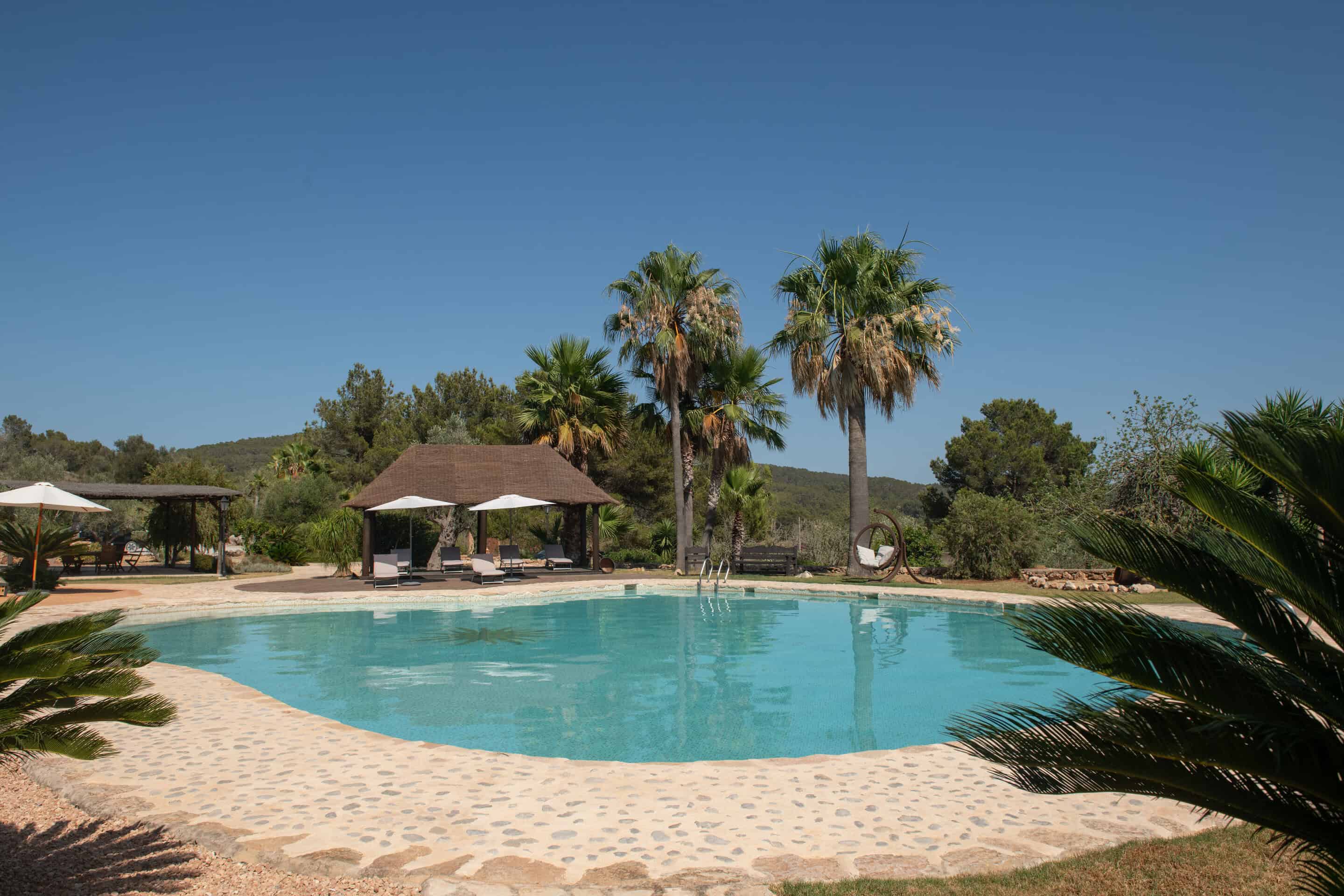
Set amidst the stunning natural beauty of Ibiza, with its guaranteed sunshine, turquoise waters, and tranquil pine forests, our treatment centre provides the perfect environment for rest, reflection, and recovery, making it the ideal place for effective, long-lasting residential recovery treatment.
If you would like to learn more about TMS therapy or to speak to someone in confidence, contact our treatment centre in Ibiza today.
You are not alone in your struggles. Help and support are available.
Frequently asked questions about TMS at Ibiza Calm
Is TMS safe?
Yes, TMS is a well-established and safe treatment when administered by trained professionals. At Ibiza Calm, our clinical team ensures every session is delivered with the highest standards of care.
Does TMS hurt?
TMS is not painful. You may feel a tapping sensation on your scalp during treatment, but discomfort is minimal and usually fades quickly.
How long does a session last?
A typical TMS session lasts around 20–40 minutes. The number of sessions required depends on your individual treatment plan.
Are there any side effects?
Most people experience few or no side effects. Some may have mild scalp discomfort or a slight headache, which usually resolves shortly after treatment.
Will TMS affect my medication?
TMS can be used alongside most medications. Our medical team will review your prescriptions to ensure safety and compatibility.
How soon will I notice the results?
Some clients notice improvements within a few sessions, while others may take several weeks to feel the full benefits. Our team closely monitors progress.
Can TMS help with conditions other than depression?
Yes, TMS is also used for anxiety, addiction, OCD, PTSD, and more. We will advise if TMS is appropriate for your specific needs during your initial consultation or admission.
How can I find out more about TMS therapy at Ibiza Calm?
Contact our admissions team for a consultation. After a thorough assessment, we will design a personalised treatment plan that may include TMS as part of your wider programme of care.
EASY STEPS TO IBIZA CALM
Admission process
step 1
Phone call
A family member or a patient calls, we will explain the time frame, suitability, our costs, and answer any other questions.
step 2
Admission assessment
An initial telephone assessment with the client.
step 3
Set a date
We give each client a date for admission and everyone is greeted by our clinical team on arrival.
You’re not alone on this journey.
The path to recovery starts with a small first step.