


Prescription Drug Addiction Treatment
Stimulant addiction

Treatment for stimulant addiction
Struggling with stimulant use can feel confusing and isolating, particularly when the substance involved is prescribed or socially normalised. Many people continue functioning outwardly while relying on stimulants to manage energy, focus, performance, or mood.
At Ibiza Calm, we provide specialised residential treatment for stimulant addiction in a calm, private setting in northern Ibiza. With round-the-clock clinical care, personalised treatment plans, and an experienced multidisciplinary team, we support clients through stabilisation, recovery, and long term change.
Many of the people who come to us say they waited longer than they needed to, often because they weren’t sure their stimulant use was “serious enough” to seek help. If stimulant use is affecting your health, relationships, work, or emotional wellbeing, support is available.
If you are unsure if treatment is for you, our online assessment tool may prove useful.
What is stimulant addiction?
Stimulants are substances that increase activity in the brain and central nervous system, leading to heightened alertness, energy, confidence, and focus. While some stimulants are prescribed to treat conditions such as ADHD or narcolepsy, misuse can lead to psychological dependence and addiction.
Stimulant addiction involves continued use despite harmful consequences, increasing tolerance, cravings, and difficulty stopping. Over time, stimulant use can disrupt mood regulation, sleep, emotional stability, and physical health.
Stimulants may be prescription-based or illicit, but addiction can develop with either.
Types of stimulants
Stimulants; also known as – uppers, pep pills or speed; come in various forms – legal or prescription stimulants are generally in a tablet or capsule form; whilst illicit stimulants can appear as a pill, powder, small chunky clear crystals, or a white or brownish crystal-like powder with a strong smell and bitter taste.
Are stimulants addictive?
Stimulants can be highly addictive, particularly when misused or taken in higher-than-prescribed doses. Their addictive potential arises from the intense euphoria and increased energy they provide, which can lead individuals to take more of the drug to maintain these effects. Repeated use can cause the brain to become dependent on the drug for functioning, resulting in addiction.
Are there withdrawal symptoms with stimulants?
Withdrawal symptoms are common with stimulant use, especially when someone has developed a dependence or addiction to these drugs. Stimulant withdrawal occurs when a person who has been regularly using stimulants suddenly stops or significantly reduces their intake. Withdrawal can be both physically and psychologically challenging due to the body’s adaptation to the drug’s effects.
Withdrawal symptoms can include extreme fatigue, depression, increased appetite, anxiety and agitation, disturbed sleep, poor concentration and cognitive impairment. Headaches, muscle aches, and flu-like symptoms can also accompany stimulant withdrawal. Whilst not generally as intense as those associated with some other drugs (like opioids), these physical discomforts can still be significant; every person will feel them differently, and the use of other drugs, including alcohol, can also impact upon withdrawal.
In some cases, individuals may experience hallucinations, paranoia and panic; and for some, the intense feelings of depression can lead to suicidal thoughts or self-harming.
Signs and symptoms of stimulant addiction
















Why it’s hard to face stimulant addiction alone
Stimulant addiction is often minimised, particularly when the substance involved is prescribed or associated with productivity, focus, or performance. Many people fear losing their ability to function, work, or cope without stimulants.
Stimulant withdrawal can involve profound fatigue, low mood, anxiety, and cognitive slowing, which makes stopping without support especially challenging. Shame, secrecy, and fear of judgement can also delay seeking help.
Residential treatment may be particularly appropriate when:
→ Stimulant use has escalated or become compulsive
→ Mood instability, anxiety, or depression is worsening
→ Sleep is severely disrupted
→ There is polysubstance use (for example, alcohol or sedatives)
→ Outpatient support has not been sufficient
What happens if you mix stimulants with other drugs?
Mixing stimulants with other drugs can be highly dangerous and increase the risk of severe health complications, including overdose, organ damage, or even death. The effects vary depending on the specific substances involved, but generally, combining stimulants with other drugs can amplify or mask the effects of both, leading to unpredictable and often harmful outcomes.
What happens when stimulants are mixed with other drugs?
Addiction and dependence: Combining drugs often increases the likelihood of developing both physical dependence and psychological addiction, as the user may become reliant on both substances to achieve desired effects or avoid withdrawal symptoms.
It’s crucial to avoid combining stimulants with other substances, and if stimulant abuse or polysubstance use is present, seeking professional treatment is essential for managing risks and achieving recovery.
THE PATH TO RECOVERY STARTS WITH A SMALL FIRST STEP
Stimulant addiction treatment at Ibiza Calm
Treatment at Ibiza Calm begins with a comprehensive psychiatric and medical assessment to understand patterns of stimulant use, underlying drivers, mental health needs, and physical wellbeing.
We work with:
→ Individuals seeking recovery
→ Professionals and high-performing clients
→ Those prescribed stimulants who have lost control of their use
→ Clients with co-occurring conditions such as anxiety, depression, ADHD, trauma, or burnout
Where clinically appropriate, stimulant withdrawal and stabilisation are managed onsite under medical supervision. Treatment focuses not only on stopping stimulant use but on restoring emotional regulation, energy balance, and healthy coping strategies.
Core pillars of stimulant addiction treatment
Prescription Drug Addiction Treatment
Which prescription drug addictions do we treat?
There are many different types of prescription drug addiction. At Ibiza Calm, we specialize in the rehabilitation of all forms of drug addiction. We offer a wide range of evidence-based treatments, including cognitive behavioural therapy, motivational interviewing, and 12-Step recovery, as well as group therapies.
Depending upon the type of prescription medication that an individual has been abusing, potential problems may include irreversible long term physical and psychological damage, and in some cases, can even lead to overdose and death.

Prescription painkiller addiction
Opioid-based medications like codeine, tramadol, fentanyl, and oxycodone work similarly to heroin, blocking pain and creating feelings of euphoria and relaxation. Misuse can lead to confusion, depression, drowsiness, constipation, and dangerously slowed breathing. In overdose, the brain’s natural drive to breathe can shut down.
Addiction treatment
Life at Ibiza Calm
A typical day may include:
- Individual therapy
- Group sessions
- Time with medical and clinical staff
- Nutritious meals prepared onsite
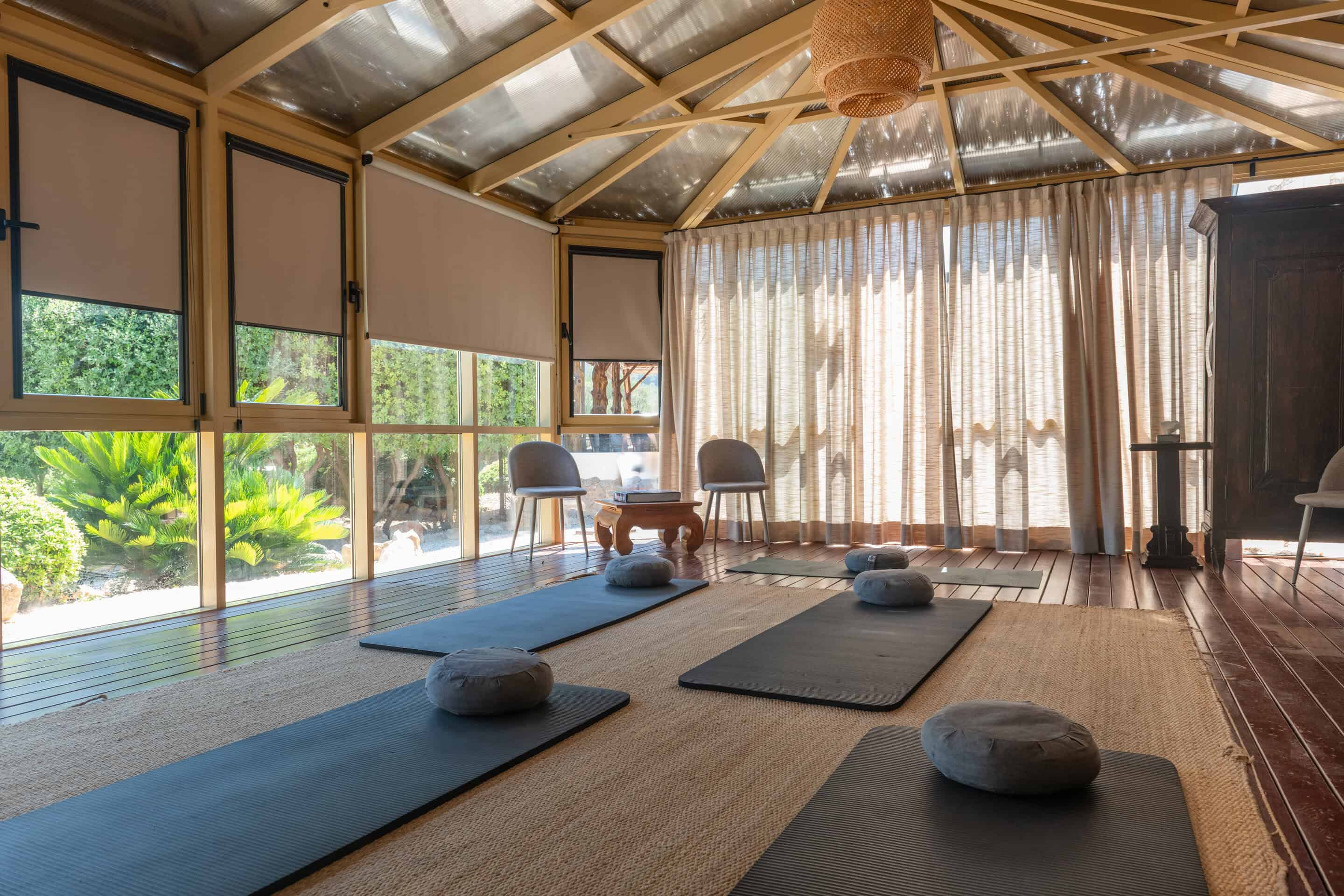
- Restorative practices such as yoga or mindfulness
- Structured downtime for rest and integration
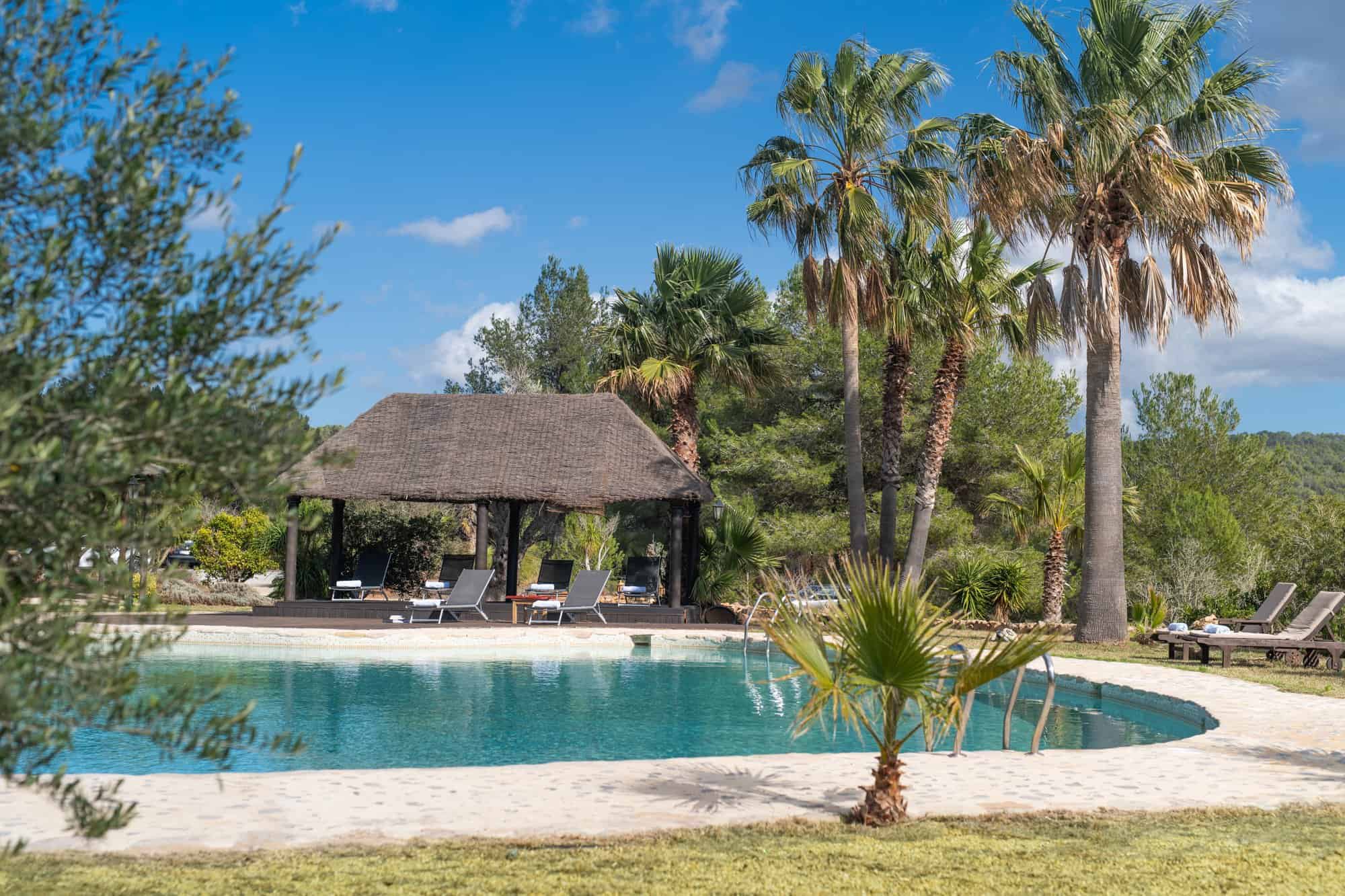
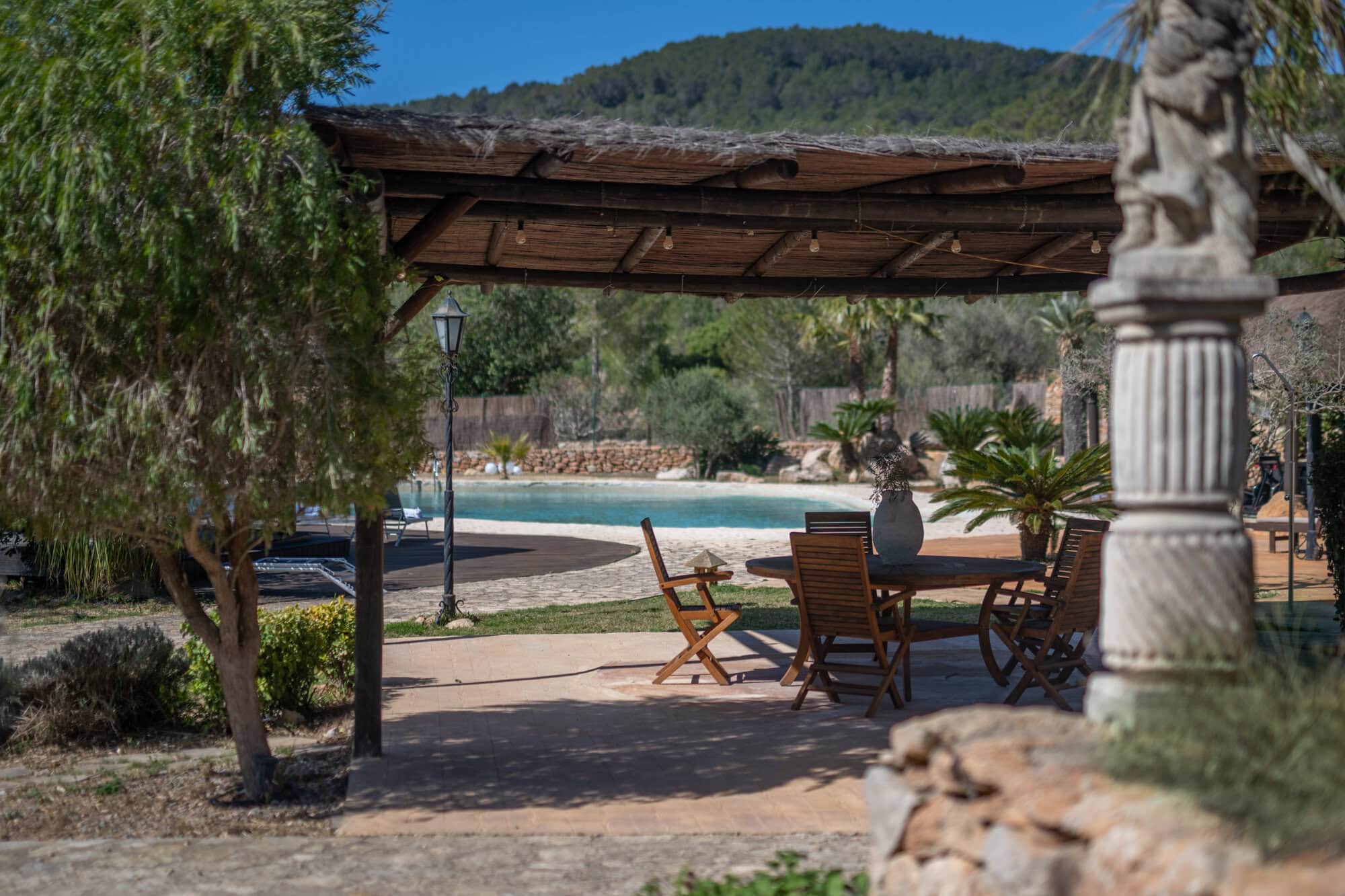
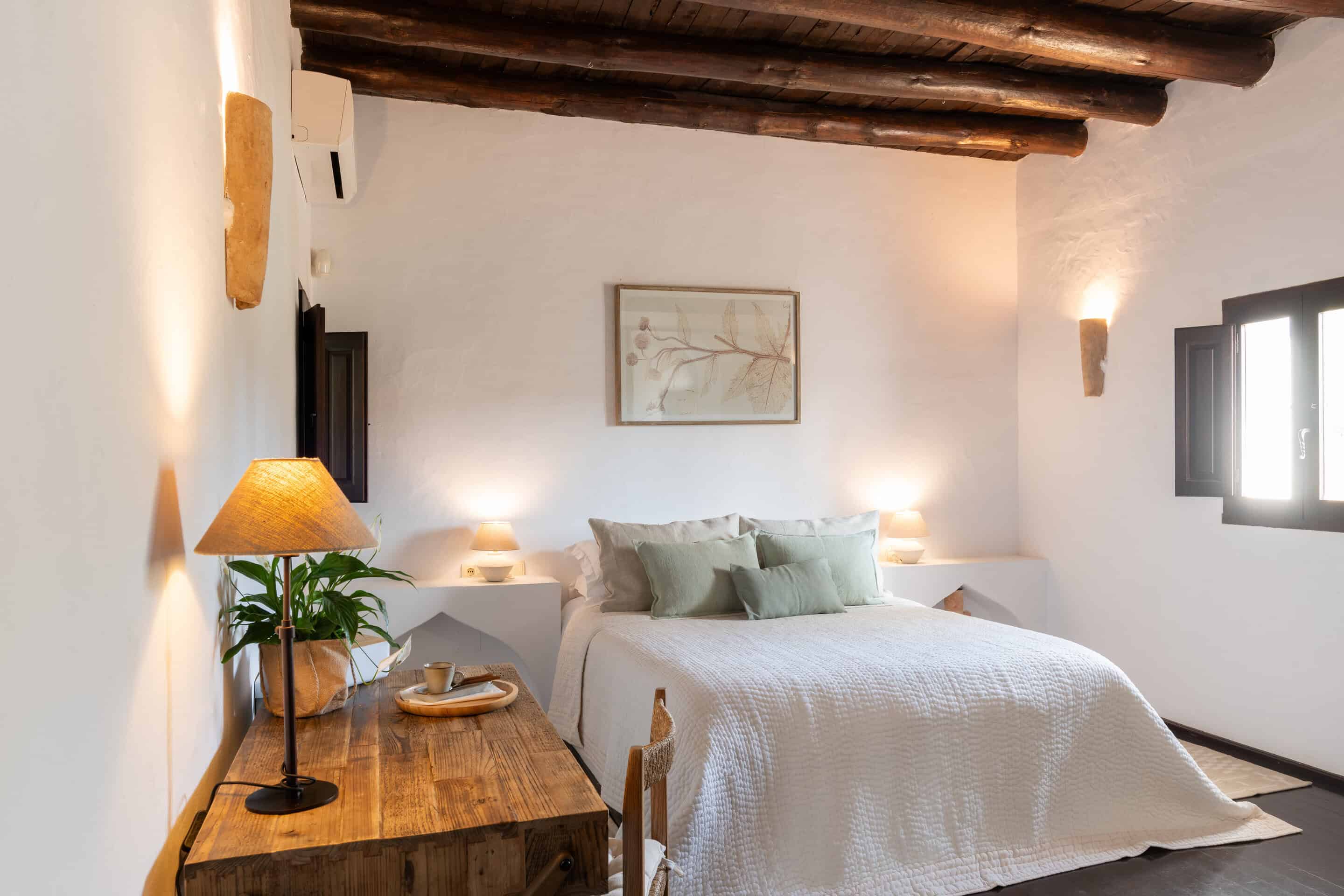
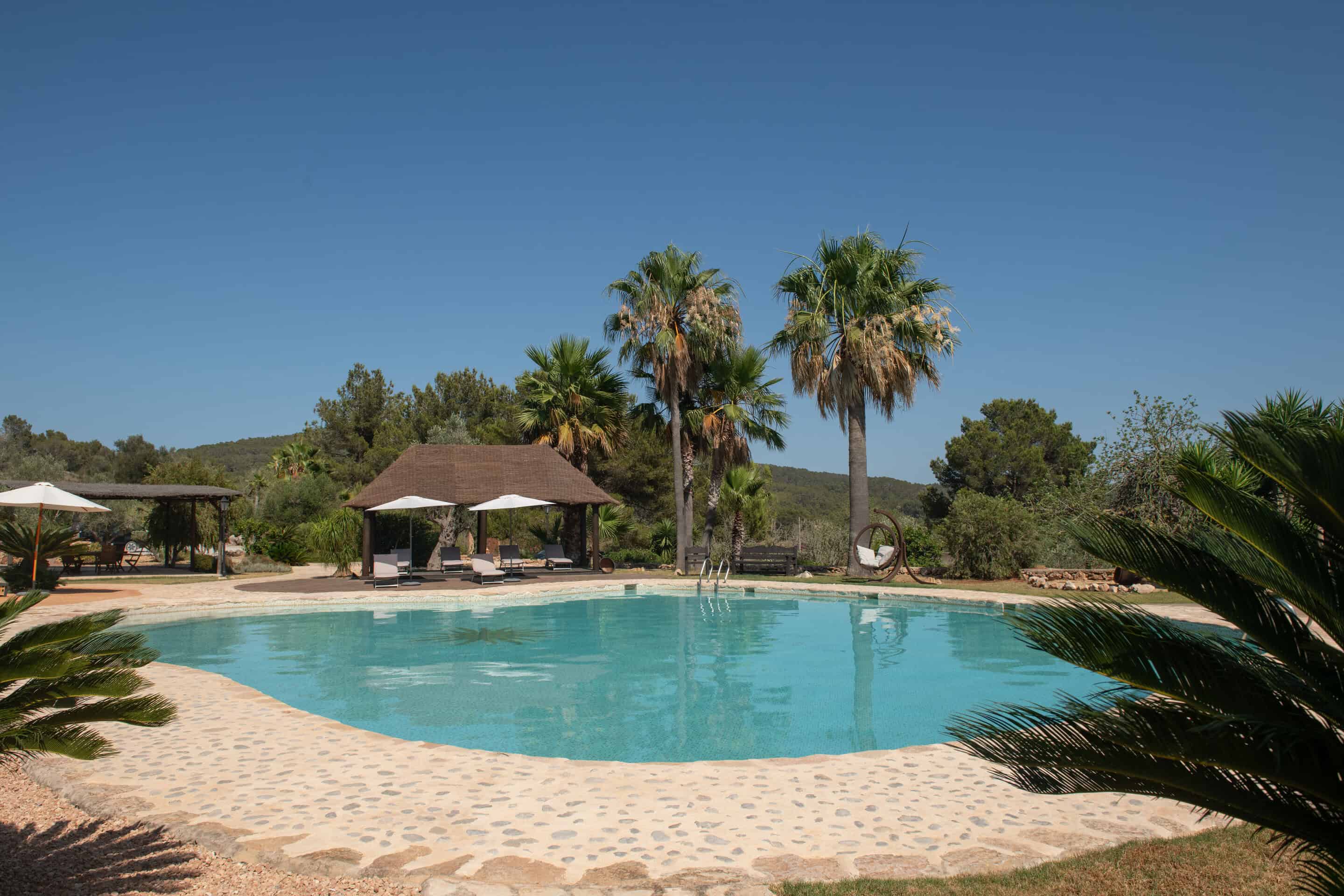
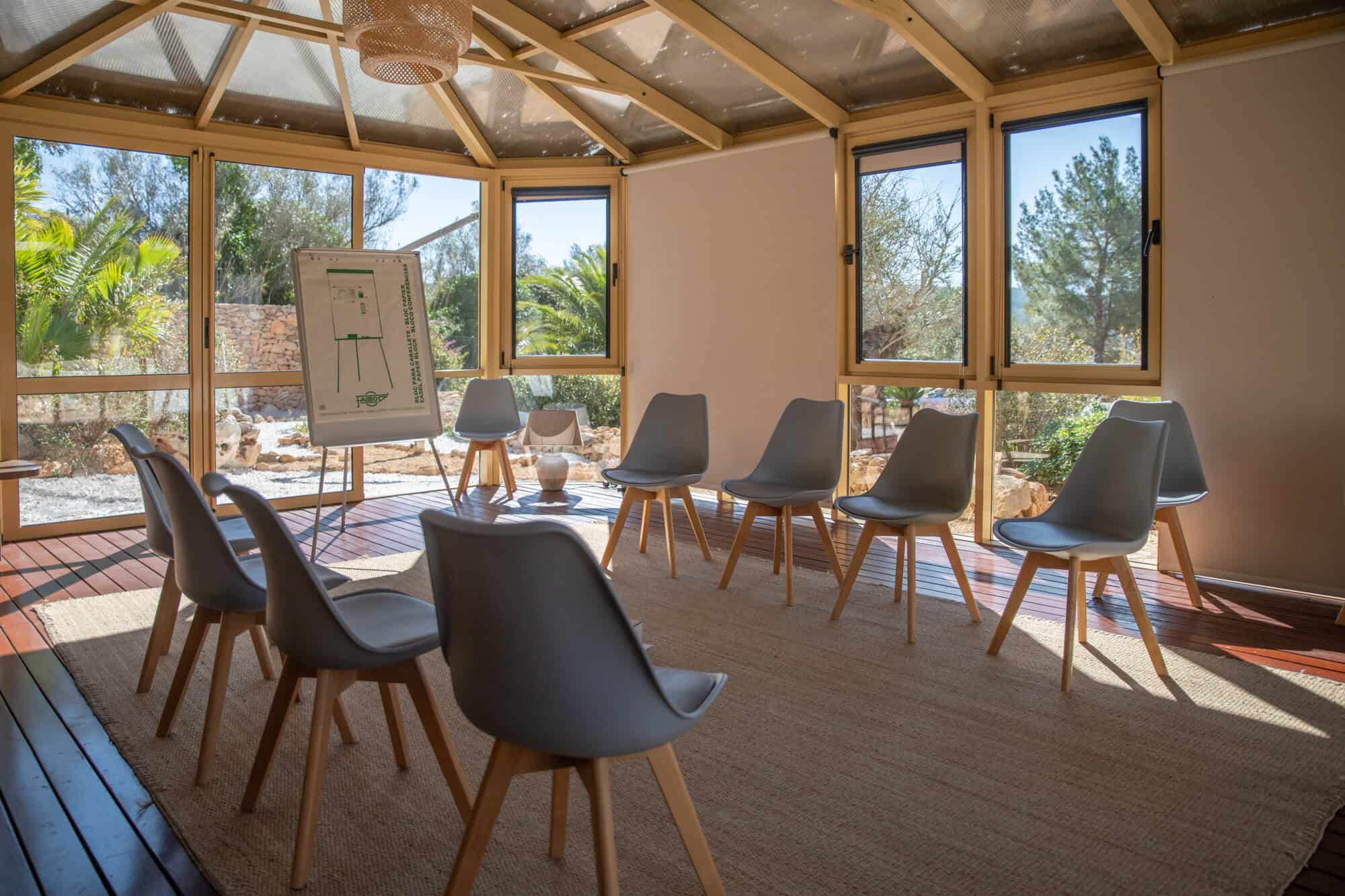
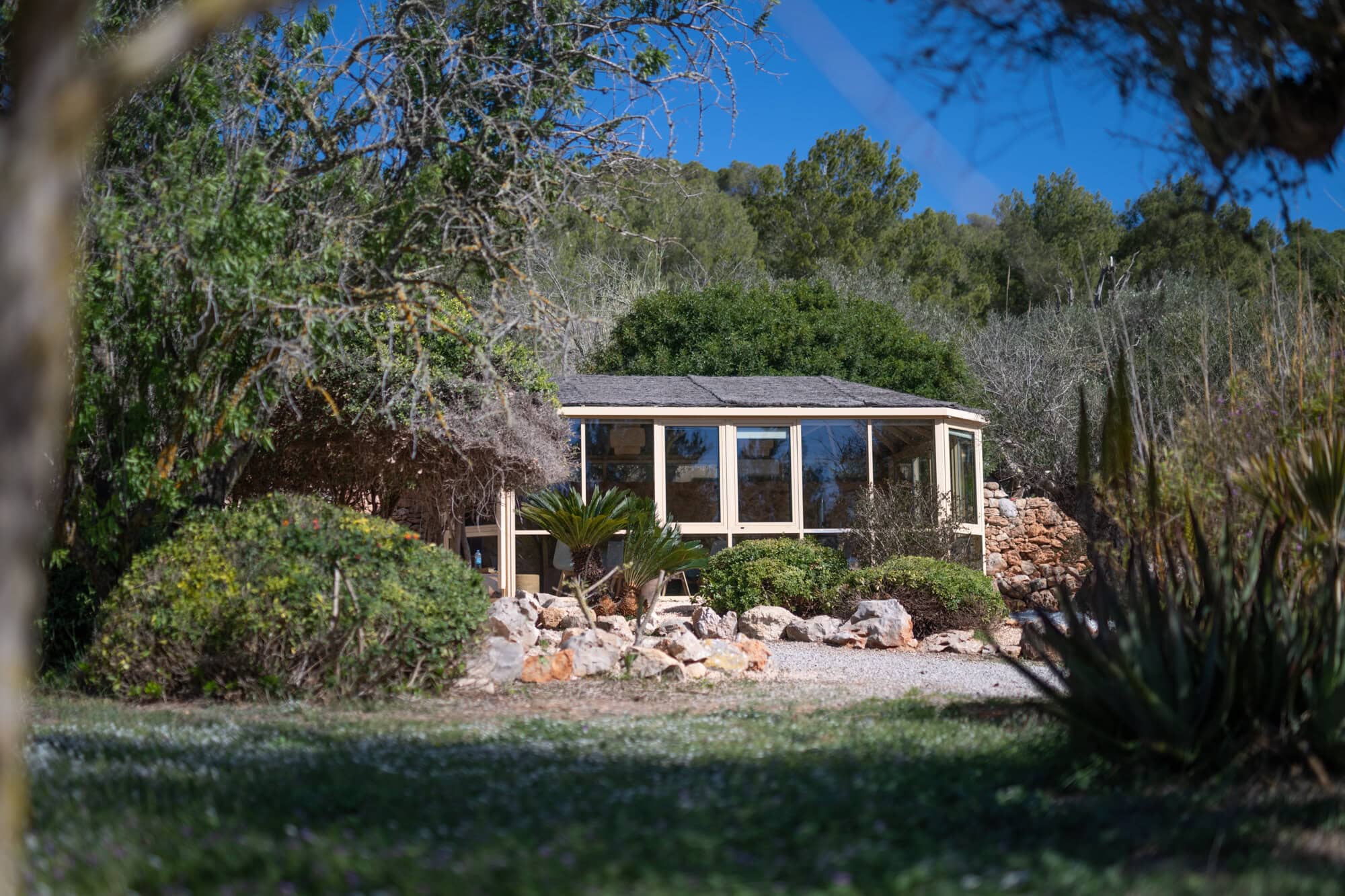
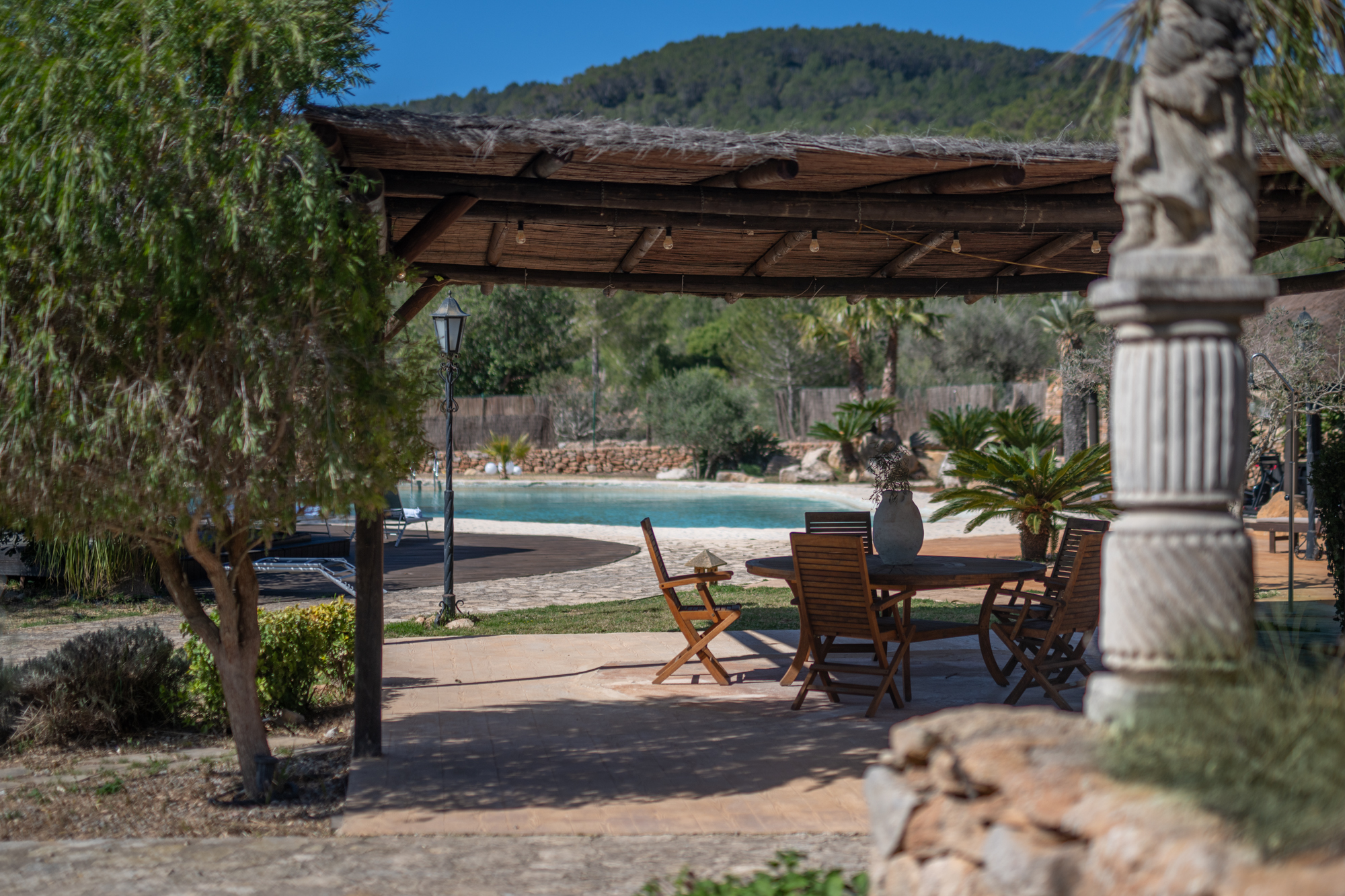
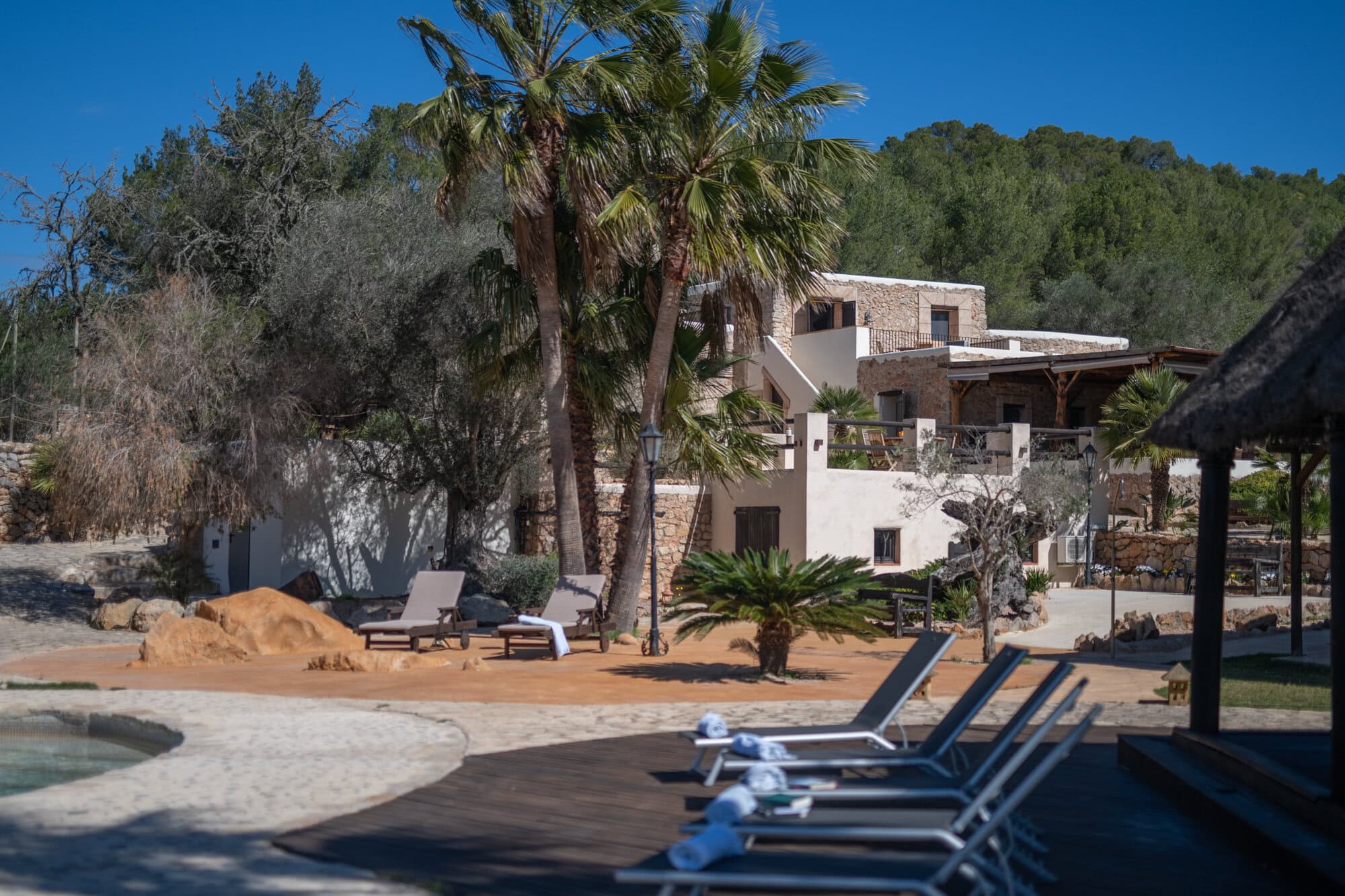
Ibiza Calm is set on a quiet 13-hectare estate in northern Ibiza, surrounded by Mediterranean gardens, open space, and natural light. The environment is intentionally designed to promote calm, safety, and nervous-system recovery.
Many clients arrive depleted, overstimulated, and emotionally exhausted. The pace, privacy, and structure at Ibiza Calm allow space to stabilise, reset, and rebuild balance.

Bepoke treatment

Newest techniques

Experienced team
Our team and clinical approach
Stimulant addiction treatment is delivered by a multidisciplinary team including:
– Psychiatrists
– Clinical psychologists
– Addiction specialists
– Nurses and medical staff
– Experienced therapists
With carefully managed client numbers and a high staff-to-client ratio, we provide individualised care and close clinical support throughout treatment.











Frequently Asked Questions
Are prescription stimulants treated differently from illicit stimulants?
Treatment is tailored to the individual rather than the substance. Whether stimulants are prescribed or illicit, care focuses on dependence patterns, mental health needs, and recovery goals.
Is stimulant withdrawal dangerous?
While stimulant withdrawal is not usually medically dangerous, it can involve severe depression, anxiety, exhaustion, and suicidal thoughts. Clinical supervision provides safety and support.
Will I be able to function without stimulants?
Yes. Treatment focuses on restoring natural energy regulation, concentration, and coping skills without reliance on stimulants.
What if I have ADHD and need stimulant medication?
This is assessed carefully by our psychiatric team. Alternative treatment approaches or medication strategies may be explored where appropriate.
Can you help if I’m using stimulants with alcohol or other drugs?
Yes. We regularly treat stimulant addiction alongside alcohol use, sedatives, or other substances.
Can stimulant addiction develop even if I only use the medication as prescribed?
Yes. Even when taken as prescribed, some individuals develop tolerance, dependence, or psychological reliance on stimulants. This is more likely with long term use, dose escalation, or when stimulants are used to manage stress, performance pressure, or emotional regulation rather than a clearly defined medical need.
What is stimulant “burnout”, and is it a sign I need treatment?
Stimulant burnout refers to emotional exhaustion, low mood, cognitive fatigue, sleep disruption, and reduced motivation that can occur after prolonged stimulant use. It may indicate that the nervous system is overstimulated and struggling to regulate without the drug, and that support is needed.
Do stimulants affect sleep even if I only take them during the day?
Yes. Stimulants can disrupt sleep architecture even when taken early in the day, leading to difficulty falling asleep, fragmented sleep, or non-restorative rest. Chronic sleep disruption often worsens anxiety, depression, and reliance on stimulants.
Can stimulant addiction cause anxiety or panic attacks?
Yes. Stimulants increase adrenaline and stress hormones, which can trigger or worsen anxiety, panic attacks, paranoia, and agitation, particularly with ongoing use or during withdrawal.
Is stimulant addiction linked to depression?
Very commonly. Many people experience low mood or depression when not using stimulants, especially during withdrawal. Over time, stimulant use can blunt the brain’s natural dopamine regulation, making it harder to feel pleasure or motivation without the drug.
What if stimulants helped me feel productive or confident?
This is a common experience. Treatment focuses on understanding what the stimulant was providing (such as energy, confidence, or emotional regulation) and helping you develop healthier, sustainable ways to meet those needs without reliance on substances.
Can stimulant addiction affect memory or concentration long term?
Prolonged stimulant misuse can impair attention, memory, emotional regulation, and decision-making. Many cognitive effects improve significantly with abstinence, rest, and appropriate therapeutic support.
Is residential treatment really necessary for stimulant addiction?
Residential treatment may be recommended when stimulant use is entrenched, withdrawal symptoms are severe, mental health symptoms are significant, or outpatient support has not been sufficient. It provides structure, safety, and intensive therapeutic input during a vulnerable period.
Can I recover from stimulant addiction without losing my career or identity?
Yes. Recovery is about restoring balance, health, and autonomy. It is not about removing ambition or capability. Many clients find that stepping away from stimulants ultimately improves performance, clarity, and emotional stability.
Can I receive stimulant addiction treatment if I also take prescription medication?
Yes. Our medical team reviews all current medications and adjusts plans safely.
How long should I stay in residential treatment for stimulant addiction?
Most clients benefit from a stay of four or more weeks, as this allows enough time for safe stabilisation, therapeutic work, and building the strategies needed for long term recovery. During your assessment, our clinical team will recommend an appropriate length of stay based on your patterns, withdrawal risks, and emotional needs.
Will my treatment be confidential?
Yes. Discretion and confidentiality are fundamental at Ibiza Calm. Client information and treatment details are handled with the highest level of privacy.
How private is the stimulant addiction treatment programme?
Our estate is discreet and fully private, with a limited number of clients to ensure confidentiality and space.
What therapies will I receive?
Your programme is tailored and typically includes individual and group therapy, medical care, and holistic modalities.
Will I be able to contact my family?
Yes. Family contact is arranged to support recovery and emotional stability. Family therapy can also be included when appropriate. In addition, family members are welcome to join a weekly online family support group from the beginning of treatment.
What happens during the admissions process?
After an initial confidential conversation, our clinical team gathers relevant medical and psychological information to ensure we can support your specific needs. On arrival, we complete a full medical and psychiatric assessment and create your personalised treatment plan. Our admissions process is discreet, supportive, and designed to reduce stress at what can be an emotionally difficult moment.
Can I work remotely while in treatment?
We encourage clients to prioritise their recovery while at Ibiza Calm. In certain programmes, remote work may be possible.
Do you accept insurance?
We accept a number of international insurances, such as Cigma International and Bupa Global. We can also assist with documentation for clients seeking reimbursement, though coverage depends on individual policies.
What happens after I leave Ibiza Calm?
Before discharge, you will be introduced to the aftercare support group, and you will receive a detailed aftercare plan tailored to your needs. This may include ongoing therapy, psychiatric support, community-based groups, or outpatient treatment. We also coordinate with trusted professionals to ensure continuity of care once you return home.
Ask yourself…
If you or someone you love is struggling with stimulant use, you don’t have to face it alone. Contact our team in confidence to discuss treatment options or explore whether residential care at Ibiza Calm is the right next step.
Does someone I know need help?
If family doesn’t intervene, who will?
We help families get their loved ones into addiction treatment.
Do I have a problem with addiction?
Our international team of professionals uses the latest therapeutic approaches to help you regain control and begin your recovery journey.
Testimonials
What our clients say
D

2024
C

2024
R
2024
S
2024
P
2024
J
2024
J
2024
D
2024
S
2024
D
2024


You’re not alone on this journey.
The path to recovery starts with a small first step.