


Drug Addiction Treatment
Ketamine addiction treatment

Treatment for ketamine addiction
Struggling with ketamine use can feel confusing, especially when the substance is sometimes spoken about as “therapeutic” or “less harmful” than other drugs. For many people, ketamine use begins casually or experimentally, then gradually becomes more frequent, more compulsive, and harder to control.
At Ibiza Calm, we provide specialised residential treatment for ketamine addiction in a private, supportive setting in northern Ibiza. With a deliberately small client group, 24/7 clinical oversight, and a highly experienced multidisciplinary team, we offer personalised care that addresses both the psychological and physical impact of ketamine use.
Many of the people who come to us say they waited longer than they needed to, often because they weren’t sure their use was “serious enough”. If ketamine is affecting your health, relationships, work, or emotional wellbeing, support is available now.
If you are unsure if treatment is for you, our online assessment tool may prove useful.
What is ketamine addiction?
Ketamine is a dissociative anaesthetic that has been used in medical and veterinary settings since the 1960s. It works by blocking NMDA receptors in the brain, which disrupts communication between brain regions and produces dissociation, altered perception, and analgesia.
Outside of medical supervision, ketamine is often used recreationally for its mind-altering effects. While some individuals associate ketamine with short term relief or emotional detachment, repeated use can lead to psychological dependence and significant harm.
Ketamine addiction is primarily psychological rather than physical, but it can be just as disruptive and damaging as other substance use disorders.
*For more information, take a look at our blog post about Ketamine and its prevalence in the UK, penned by our Managing Director, John McKeown.
Signs and symptoms of ketamine addiction
Ketamine addiction can present through a combination of physical, psychological, behavioural, and social changes.
Ketamine is a highly addictive substance that can lead to significant physical, psychological, and social harm. If you or someone you know is struggling with Ketamine addiction, reach out to a one of our team of professionals for help.





















Why it’s hard to face ketamine addiction alone
Ketamine use is often minimised, particularly when people believe it helps them cope emotionally or manage distress. Because ketamine does not always cause obvious physical withdrawal, many individuals underestimate the severity of their dependence.
Delaying treatment can increase the risk of:
→ Long-term bladder and cognitive damage
→ Worsening mental health symptoms
→ Escalating use and loss of control
→ Isolation and functional decline
Residential treatment can be particularly helpful when ketamine use is regular, compulsive, linked to mental health struggles, or difficult to stop despite negative consequences.

What is ketamine withdrawal?
Ketamine withdrawal occurs when someone who has been using ketamine habitually stops or significantly reduces their use. Although ketamine withdrawal is generally not life-threatening, it can be uncomfortable and symptoms can include intense cravings, mood swings, feelings of hopelessness (depression) and heightened feelings of anxiety; severe tiredness or lethargy, and difficulty falling or staying asleep; problems with memory, focus, and decision-making.

Managing withdrawal typically requires a supportive environment and, in some cases, medical supervision to help the individual through the acute phase and prevent relapse.
Recovery from ketamine addiction is possible with the proper treatment and support. If you or someone you know is struggling with ketamine use, seeking help from a mental health or addiction specialist is a crucial step towards recovery.
THE PATH TO RECOVERY STARTS WITH A SMALL FIRST STEP
Ketamine addiction treatment at Ibiza Calm
Treatment at Ibiza Calm begins with a comprehensive medical and psychiatric assessment. This allows us to understand each client’s ketamine use, mental health history, physical health, and individual needs.
We work with:
→ Individuals
→ Families
→ Professionals
→ Clients with co-occurring mental health conditions such as depression, anxiety, trauma, or burnout
While ketamine does not usually require medical detox in the same way opioids or alcohol do, clinical monitoring may still be appropriate, particularly where there is heavy use, psychological distress, or co-occurring conditions.
Treatment is delivered through a blend of evidence-based and supportive therapies within a structured residential environment.
Core pillars of ketamine addiction treatment
Drug Addiction Treatment
Which drug addictions do we treat?
There are many different types of drug addiction. At Ibiza Calm, we specialise in the rehabilitation of all forms of drug addiction, including opioid, stimulant, depressant, and hallucinogen addiction. We offer a wide range of evidence-based treatments, including cognitive behavioural therapy, motivational interviewing, and 12-Step recovery, as well as group therapies.

Cocaine
Cocaine is a powerful and addictive stimulant that is obtained from coca leaves from the Andes mountains of South America. Although it has medical uses as an anaesthetic, cocaine is mostly used illegally for the extreme form of euphoria that it induces.
Heroin
Heroin is a drug synthesised from morphine and is one of the most addictive illicit substances available.
Fentanyl
Fentanyl is heroin’s synthetic cousin; it works by binding to the body’s opioid receptors increasing dopamine levels. The increase of dopamine leaves a feeling of euphoria, relieves pain and decreases the perception of suffering.
Methadone
Methadone is a long-acting opioid, often used as a heroin substitute to maintain opioid addicts. Its effects can be cumulative and may cause many long term issues.
Psychoactive addictive drugs
Chemsex drugs – crystal methamphetamine, GHB/GBL and mephedrone, also known as miaow miaow, are a group of addictive psychoactive drugs.
Ecstacy and MMDA
MDMA/Ecstasy (powder and pills) affects the brain and the body.
Addiction treatment
Life at Ibiza Calm
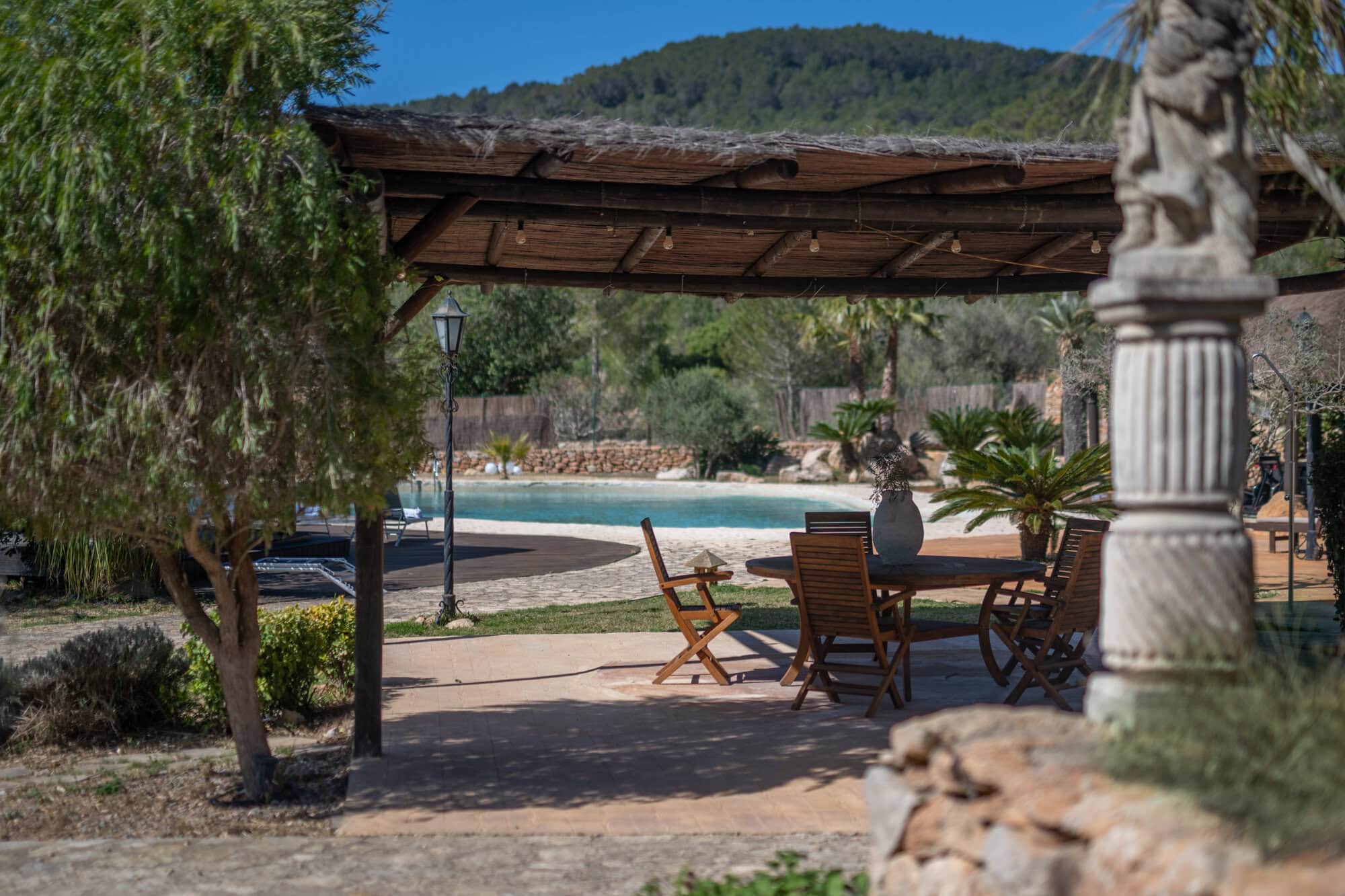
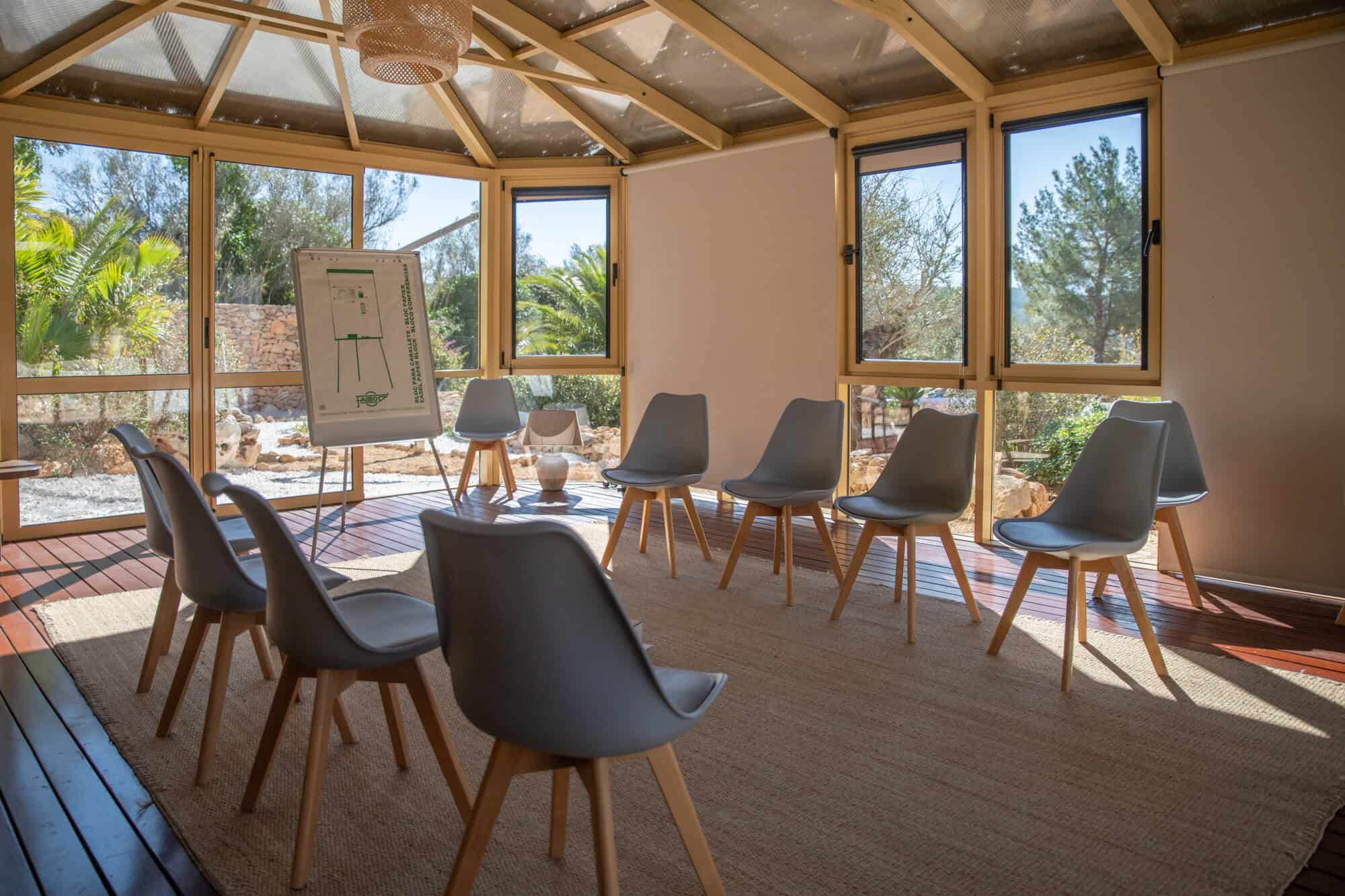
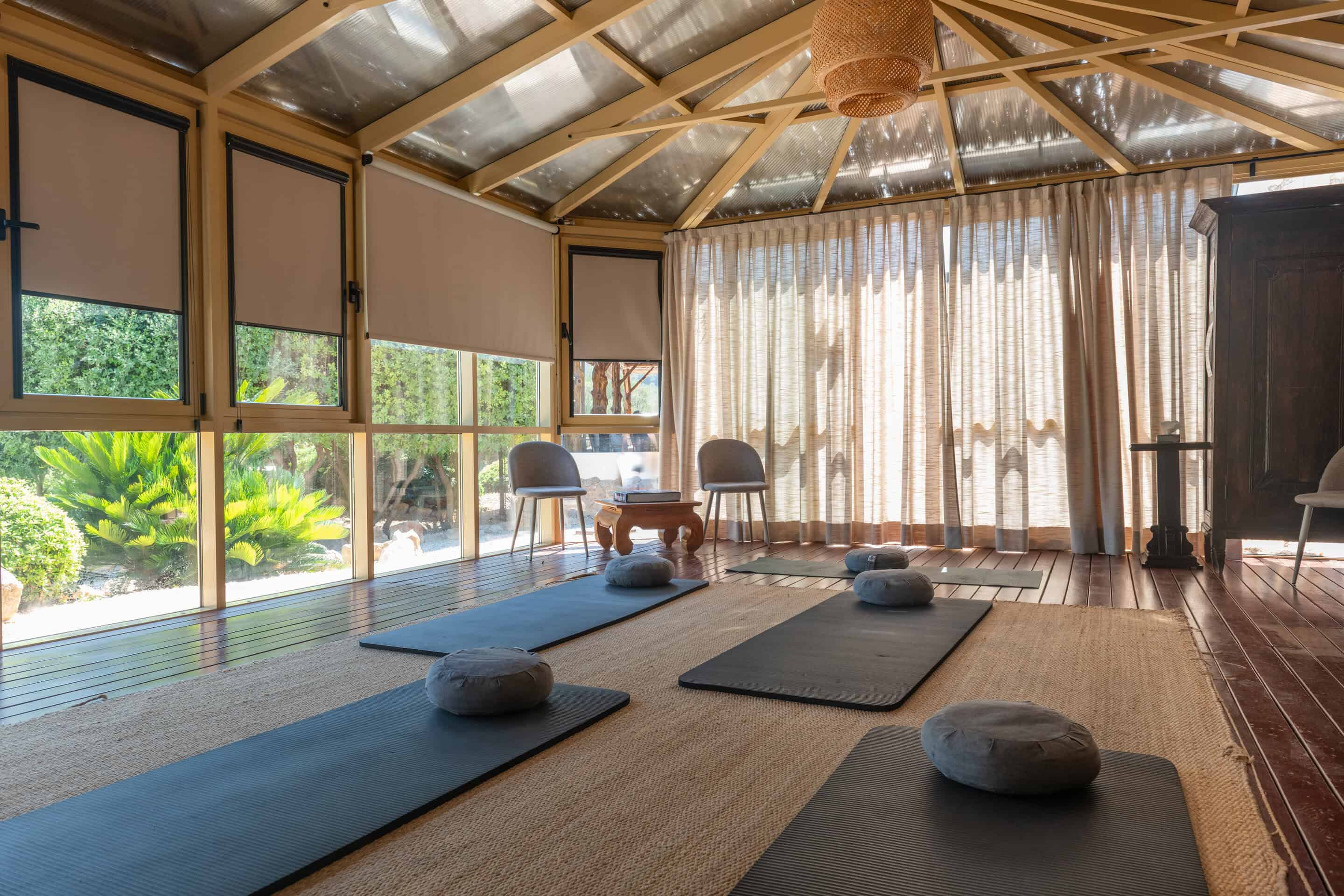
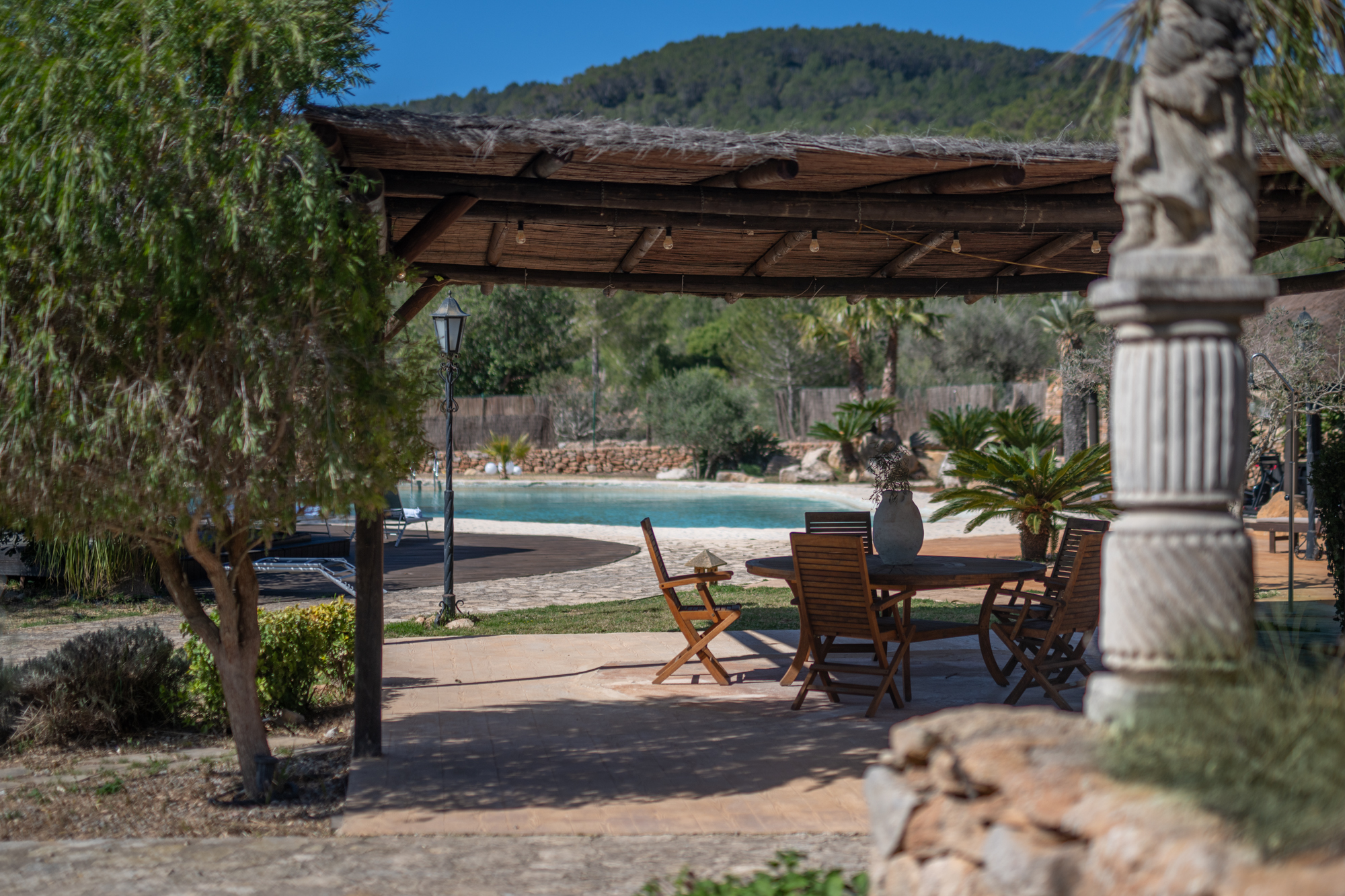
Ibiza Calm is set on a quiet 13-hectare estate in northern Ibiza, surrounded by Mediterranean gardens, open space, and natural light. The environment is intentionally designed to support calm, safety, and nervous system regulation.
A typical day may include:
→ Individual therapy
→ Group sessions
→ Time with medical and clinical staff
→ Nutritious meals prepared onsite
→ Restorative practices such as yoga or mindfulness
→ Structured personal time for rest and reflection
The balance of structure and space allows clients to step away from daily pressures and focus fully on recovery.

Bepoke treatment

Newest techniques

Experienced team
Our team and clinical approach
Ketamine addiction treatment is delivered by a multidisciplinary team including:
– Psychiatrists
– Clinical psychologists
– Addiction specialists
– Nurses and medical staff
– Experienced therapists
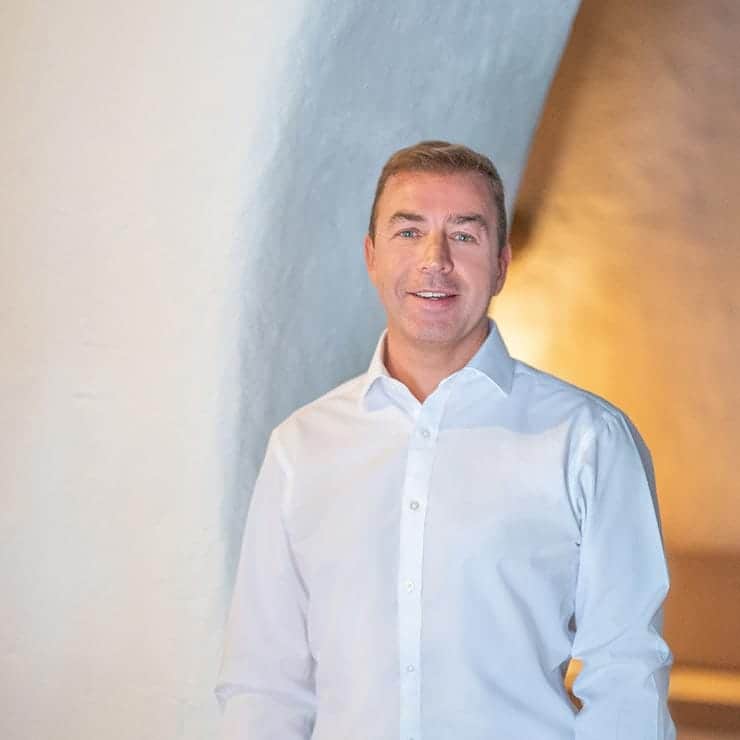
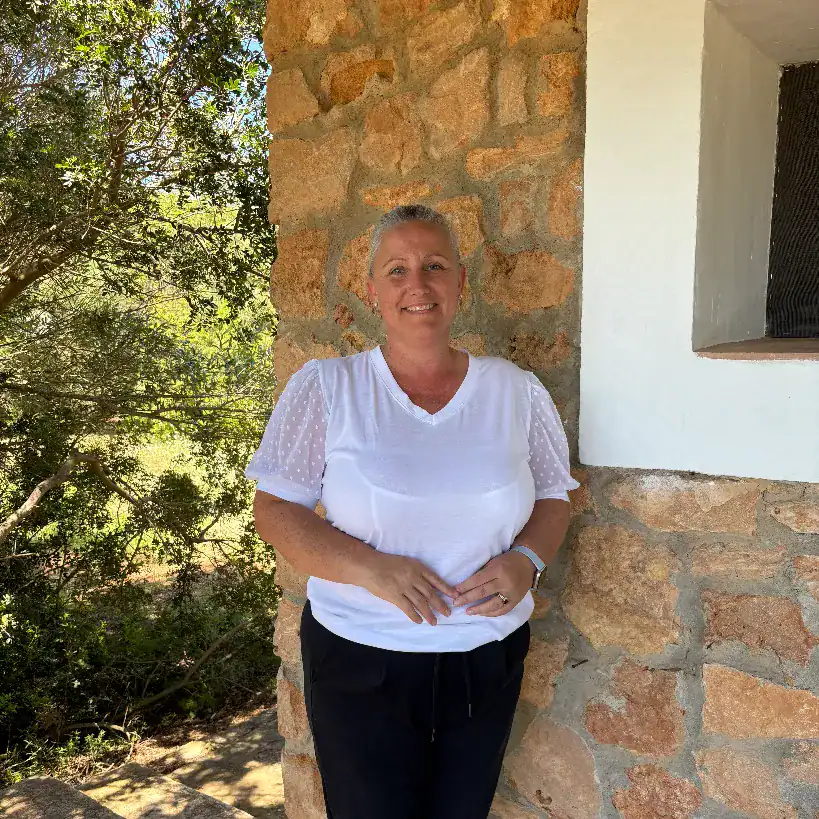
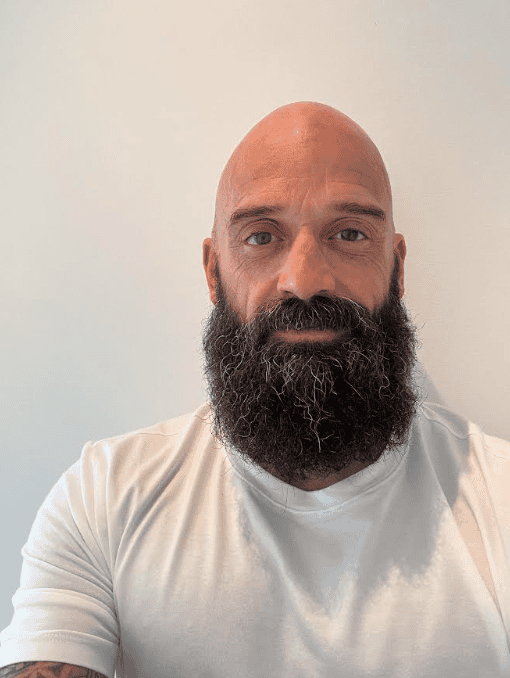
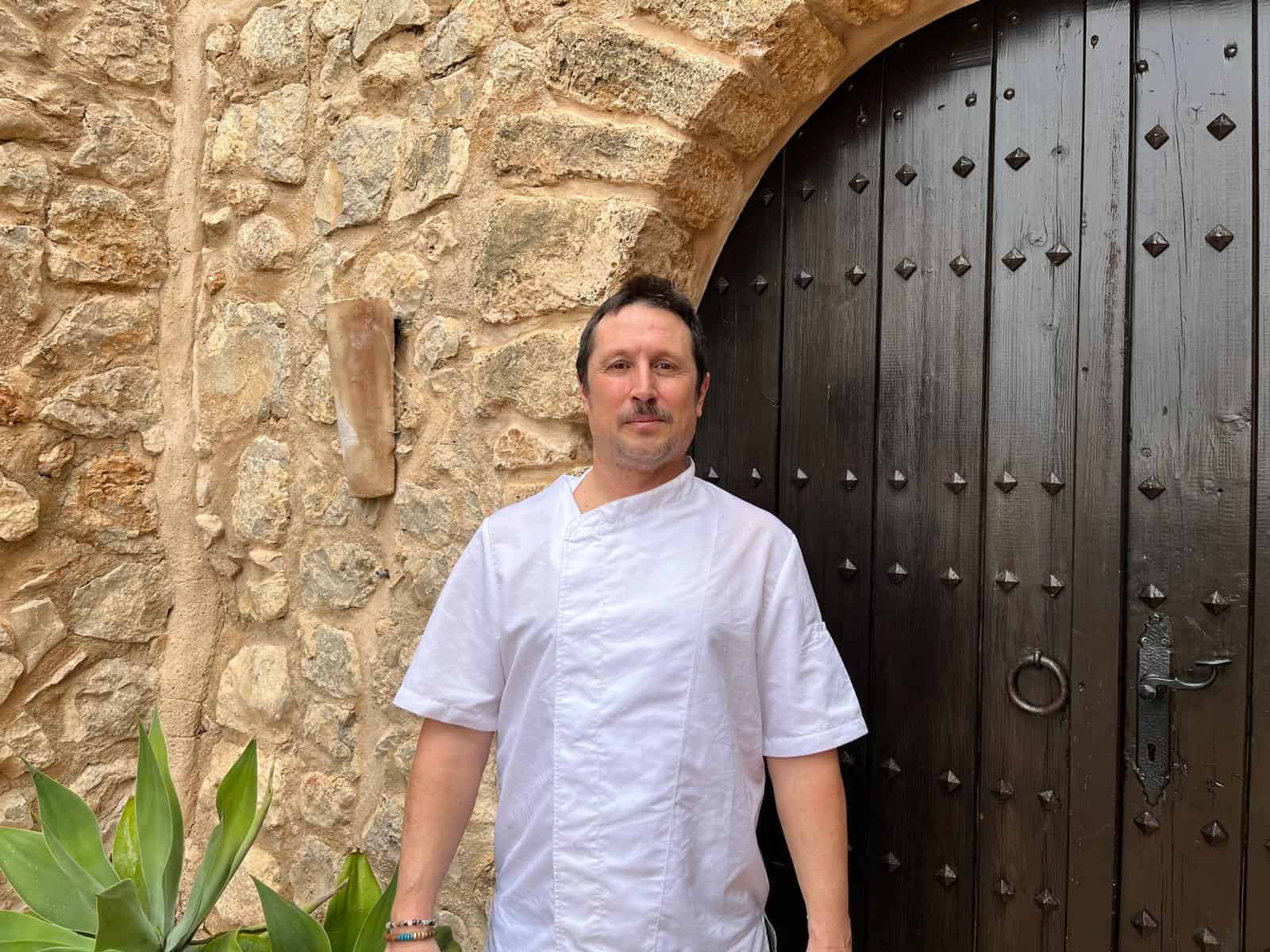
With a deliberately limited number of residents and a high staff-to-client ratio, care is highly individualised. Our team has extensive experience supporting clients with complex substance use patterns and co-occurring mental health conditions.


















Frequently Asked Questions
Is ketamine addiction different from other drug addictions?
It can be. Ketamine addiction is often driven by psychological dependence rather than physical withdrawal. Many clients use ketamine to dissociate, numb emotions, or escape distress, which means treatment focuses heavily on emotional regulation, trauma, and underlying mental health drivers.
Do I need detox for ketamine addiction?
Most clients do not require medical detox, but clinical monitoring may still be recommended depending on usage patterns and mental health needs.
Will stopping ketamine suddenly affect my mental health?
Some people experience increased anxiety, low mood, sleep disturbance, or cravings when stopping ketamine. Clinical support during this period helps manage symptoms safely and reduces relapse risk.
Can ketamine damage the bladder?
Yes. Long-term ketamine use can cause inflammation and damage to the bladder and urinary tract, leading to pain, urgency, incontinence, and, in severe cases, permanent damage. Early treatment and cessation significantly improve outcomes.
Can you treat ketamine addiction alongside depression or anxiety?
Yes. We regularly support clients with co-occurring mental health conditions.
Can ketamine use worsen depression or anxiety over time?
Yes. While ketamine is sometimes used medically in controlled settings for treatment-resistant depression, repeated or unsupervised use can worsen mood instability, anxiety, dissociation, and depressive symptoms.
Is recreational ketamine the same as medical ketamine treatment?
No. Medical ketamine is administered in controlled doses, within strict clinical protocols, and with ongoing psychiatric oversight. Recreational use is uncontrolled, often high-dose, and carries significantly higher physical and psychological risks.
How long does it take to recover from ketamine addiction?
Recovery timelines vary. Many clients benefit from a residential stay of four weeks or more, followed by structured aftercare. Psychological recovery and nervous system regulation often continue well beyond initial treatment.
Can ketamine addiction coexist with alcohol or other drug use?
Yes. Ketamine is frequently used alongside alcohol, stimulants, or other substances. We assess and treat all co-occurring substance use as part of an integrated treatment plan.
What makes residential treatment important for ketamine addiction?
Residential care provides distance from access, structure during early recovery, and intensive therapeutic support to address dissociation, emotional avoidance, and relapse patterns.
What if I’ve relapsed before?
Relapse is common in addiction and does not mean treatment has failed. Many clients come to us after previous attempts to stop.
Can I receive ketamine addiction treatment if I also take prescription medication?
Yes. Our medical team reviews all current medications and adjusts plans safely.
How long should I stay in residential treatment for ketamine addiction?
Most clients benefit from a stay of four or more weeks, as this allows enough time for safe stabilisation, therapeutic work, and building the strategies needed for long term recovery. During your assessment, our clinical team will recommend an appropriate length of stay based on your patterns, withdrawal risks, and emotional needs.
How private is the ketamine addiction treatment programme?
Our estate is discreet and fully private, with a limited number of clients to ensure confidentiality and space.
What therapies will I receive?
Your programme is tailored, but typically includes individual therapy, group therapy, medical care, and holistic modalities.
Will I be able to contact my family?
Yes. Family contact is arranged in a way that supports recovery and emotional stability. Family therapy can also be included when appropriate. In addition, family members are welcome to join a weekly online family support group from the beginning of treatment.
What happens during the admissions process?
After an initial confidential conversation, our clinical team gathers relevant medical and psychological information to ensure we can support your specific needs. On arrival, we complete a full medical and psychiatric assessment and create your personalised treatment plan. Our admissions process is discreet, supportive, and designed to reduce stress at what can be an emotionally difficult moment.
Can I work remotely while in treatment?
We encourage clients to prioritise their recovery while at Ibiza Calm. In certain programmes, remote work may be possible.
Do you accept insurance?
We accept a number of international insurances, such as Cigma International and Bupa Global. We can also assist with documentation for clients seeking reimbursement, though coverage depends on individual policies.
What happens after I leave Ibiza Calm?
Before discharge, you will be introduced to the aftercare support group, and you will receive a detailed aftercare plan tailored to your needs. This may include ongoing therapy, psychiatric support, community-based groups, or outpatient treatment. We also coordinate with trusted professionals to ensure continuity of care once you return home.
Ask yourself…
If you or someone you love is struggling with ketamine use, you’re not alone. Help is available. Contact our team in confidence to learn more about ketamine addiction treatment at Ibiza Calm and to discuss whether residential care is the right next step.
Does someone I know need help?
If family doesn’t intervene, who will?
We help families get their loved ones into addiction treatment.
Do I have a problem with addiction?
Our international team of professionals uses the latest therapeutic approaches to help you regain control and begin your recovery journey.
Testimonials
What our clients say
K

February 2026
C
February 2026
K
January 2026
J
December 2025
M
December 2025
J
December 2025
D
July 2025
C

July 2025
R
July 2025
S
June 2025
P
May 2025
J
May 2025
J
April 2025
D
April 2025
S
March 2025
D
March 2025


You’re not alone on this journey.
The path to recovery starts with a small first step.