


Drug Addiction Treatment
Fentanyl addiction treatment

Treatment for fentanyl addiction
Fentanyl addiction often develops quickly and quietly, sometimes beginning with prescribed medication and escalating before a person realises how serious the situation has become. Because of its extreme potency, fentanyl dependency can feel frightening, overwhelming, and difficult to manage alone.
At Ibiza Calm, we provide specialised residential treatment for fentanyl addiction in a private, peaceful setting in northern Ibiza. Our programmes are designed to support stabilisation, safe detoxification and long term recovery through personalised medical and therapeutic care.
Many of the people who come to us say they waited longer than they needed to, often because they weren’t sure their use was “serious enough” or because fentanyl entered their lives unintentionally. If fentanyl is affecting your health, safety, or ability to cope, confidential help is available.
If you are unsure if treatment is for you, our online assessment tool may prove useful.
What is fentanyl addiction?
Fentanyl is a powerful synthetic opioid that is significantly more potent than morphine and heroin. In medical settings, it is prescribed to manage severe pain, particularly in cancer care or following major surgery. When used correctly under strict medical supervision, it can be an effective pain management tool.
Outside of medical settings, fentanyl is extremely dangerous. Illicit fentanyl is often manufactured illegally and mixed into other drugs such as heroin, cocaine, or counterfeit pills. Because of its potency and lack of dosage control, fentanyl carries a very high risk of dependence, overdose, and death.
Signs and symptoms of fentanyl addiction
Fentanyl addiction can present through a combination of physical, behavioural, and psychological signs.
Synthetic opioids like fentanyl are especially dangerous due to their high overdose risk and rapid progression to dependency.

























Why it’s hard to face fentanyl addiction alone
Fentanyl addiction is often accompanied by fear, shame, and secrecy. Many people feel overwhelmed by the intensity of withdrawal symptoms or fear judgement for needing help, particularly if use began with a legitimate prescription.
Residential treatment may be particularly appropriate when:
→ Withdrawal symptoms feel unmanageable
→ There is a history of overdose or high-risk use
→ Fentanyl is being unknowingly used via other substances
→ Mental health symptoms such as depression or anxiety are present
→ Attempts to stop using independently have not been successful
With the right medical support, recovery is possible and safer than trying to stop alone.

What is fentanyl withdrawal?
Fentanyl withdrawal occurs when a person who has been using fentanyl, either prescribed or illicitly, suddenly reduces or stops taking the drug. Since fentanyl is a potent opioid, the body becomes dependent on it over time. When the drug is no longer available, the body reacts with a range of unpleasant physical and psychological symptoms as it attempts to regain balance. Withdrawal can be severe due to the drug’s potency and quick onset.
Common symptoms of fentanyl withdrawal include:
→ Anxiety and restlessness.
→ Muscle aches and joint pain.
→ Sweating and chills.
→ Insomnia or trouble sleeping.
→ Runny nose and watery eyes.
→ Yawning.

Later symptoms:
→ Severe nausea and vomiting.
→ Diarrhoea.
→ Abdominal cramps.
→ Rapid heartbeat and high blood pressure.
→ Intense drug cravings.
→ Depression or mood swings.
Fentanyl withdrawal symptoms typically start within a few hours after the last dose and can last for several days to weeks, depending on the duration and level of use. Medical supervision is recommended to manage symptoms of withdrawal effectively and reduce the risk of relapse.
Other types of synthetic opioids
Why are synthetic opioids so dangerous?
Extreme potency:
Synthetic opioids, especially fentanyl and carfentanil, are incredibly potent. Fentanyl is about 50-100 times more potent than morphine, and carfentanil is 100 times stronger than fentanyl. Even small doses of these drugs can cause fatal overdoses, as users might not realise how much they are taking.
Risk of overdose:
Due to their potency, synthetic opioids suppress the respiratory system quickly. Breathing slows down or stops altogether in cases of overdose, leading to hypoxia (lack of oxygen in the brain), coma, or death.
Illicit production and contamination:
Much of the fentanyl available illicitly is manufactured in illegal labs. It is often mixed with other substances like heroin, cocaine, or counterfeit pills. Because the dosage is not regulated, users may take a much higher dose than intended, leading to overdose.
Rapid addiction:
Synthetic opioids produce a strong euphoric effect, which can lead to rapid physical and psychological dependence. As the body builds a tolerance, users require increasingly higher doses to achieve the same effect, heightening the risk of overdose.
Difficulty in detecting presence:
Synthetic opioids, especially fentanyl, are often mixed with other drugs without the user’s knowledge. Someone may believe they are using heroin or cocaine, but a small amount of fentanyl could be present, leading to an unintended overdose.
THE PATH TO RECOVERY STARTS WITH A SMALL FIRST STEP
Fentanyl addiction treatment at Ibiza Calm
Every client begins with a comprehensive medical and psychiatric assessment. This allows us to understand substance use history, physical health, mental health needs, and any co-occurring conditions.
Treatment at Ibiza Calm includes:
→ Fully personalised treatment planning
→ 24/7 medical and psychiatric oversight
→ Evidence-based therapies combined with supportive holistic approaches
→ Flexibility around individual and group therapy participation
Where medically required, detoxification takes place onsite under 24/7 medical supervision, with a team experienced in managing complex opioid withdrawal safely and comfortably.
We work with individuals, families, professionals, and clients with co-occurring mental health conditions, including depression, anxiety, trauma, and chronic pain.
Core pillars of fentanyl addiction treatment
Drug Addiction Treatment
Which drug addictions do we treat?
There are many different types of drug addiction. At Ibiza Calm, we specialise in the rehabilitation of all forms of drug addiction, including opioid, stimulant, depressant, and hallucinogen addiction. We offer a wide range of evidence-based treatments, including cognitive behavioural therapy, motivational interviewing, and 12-Step recovery, as well as group therapies.

Cocaine
Cocaine is a powerful and addictive stimulant that is obtained from coca leaves from the Andes mountains of South America. Although it has medical uses as an anaesthetic, cocaine is mostly used illegally for the extreme form of euphoria that it induces.
Heroin
Heroin is a drug synthesised from morphine and is one of the most addictive illicit substances available.
Fentanyl
Fentanyl is heroin’s synthetic cousin; it works by binding to the body’s opioid receptors increasing dopamine levels. The increase of dopamine leaves a feeling of euphoria, relieves pain and decreases the perception of suffering.
Methadone
Methadone is a long-acting opioid, often used as a heroin substitute to maintain opioid addicts. Its effects can be cumulative and may cause many long term issues.
Psychoactive addictive drugs
Chemsex drugs – crystal methamphetamine, GHB/GBL and mephedrone, also known as miaow miaow, are a group of addictive psychoactive drugs.
Ecstacy and MMDA
MDMA/Ecstasy (powder and pills) affects the brain and the body.
Addiction treatment
Life at Ibiza Calm
Our centre is located on a quiet 13-hectare estate in northern Ibiza, surrounded by Mediterranean gardens, open space, and natural light. The environment is designed to promote calm, safety, and recovery.
A typical day may include:
→ Individual therapy
→ Group therapy
→ Medical and psychiatric check-ins
→ Nutritious meals prepared onsite
→ Restorative practices such as yoga or mindfulness
→ Structured time for rest and reflection
This balance of structure and space helps stabilise the nervous system and supports recovery from opioid dependency.

Bepoke treatment

Newest techniques

Experienced team
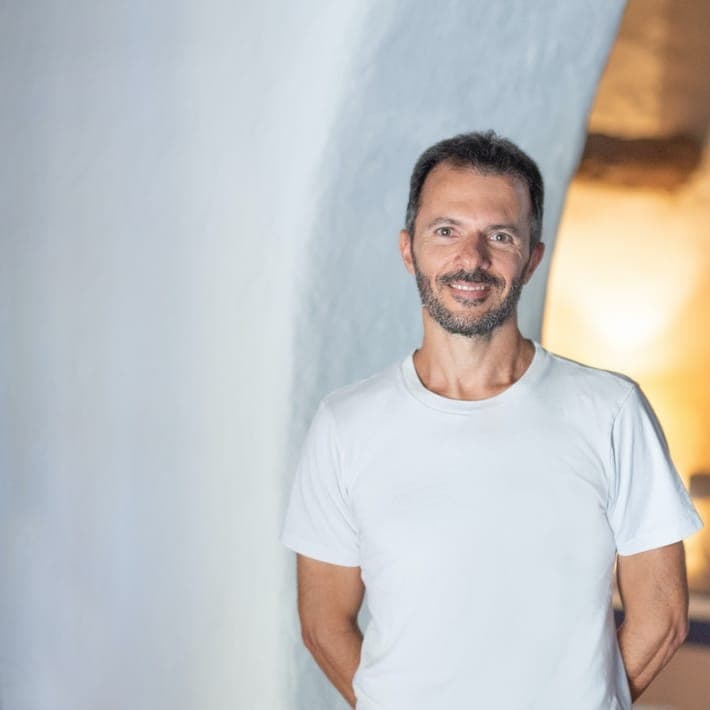
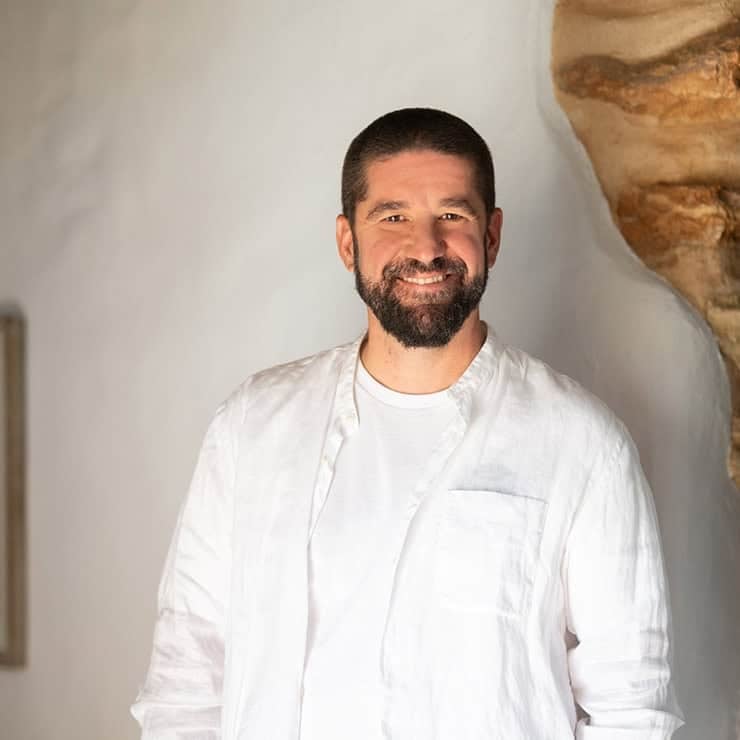
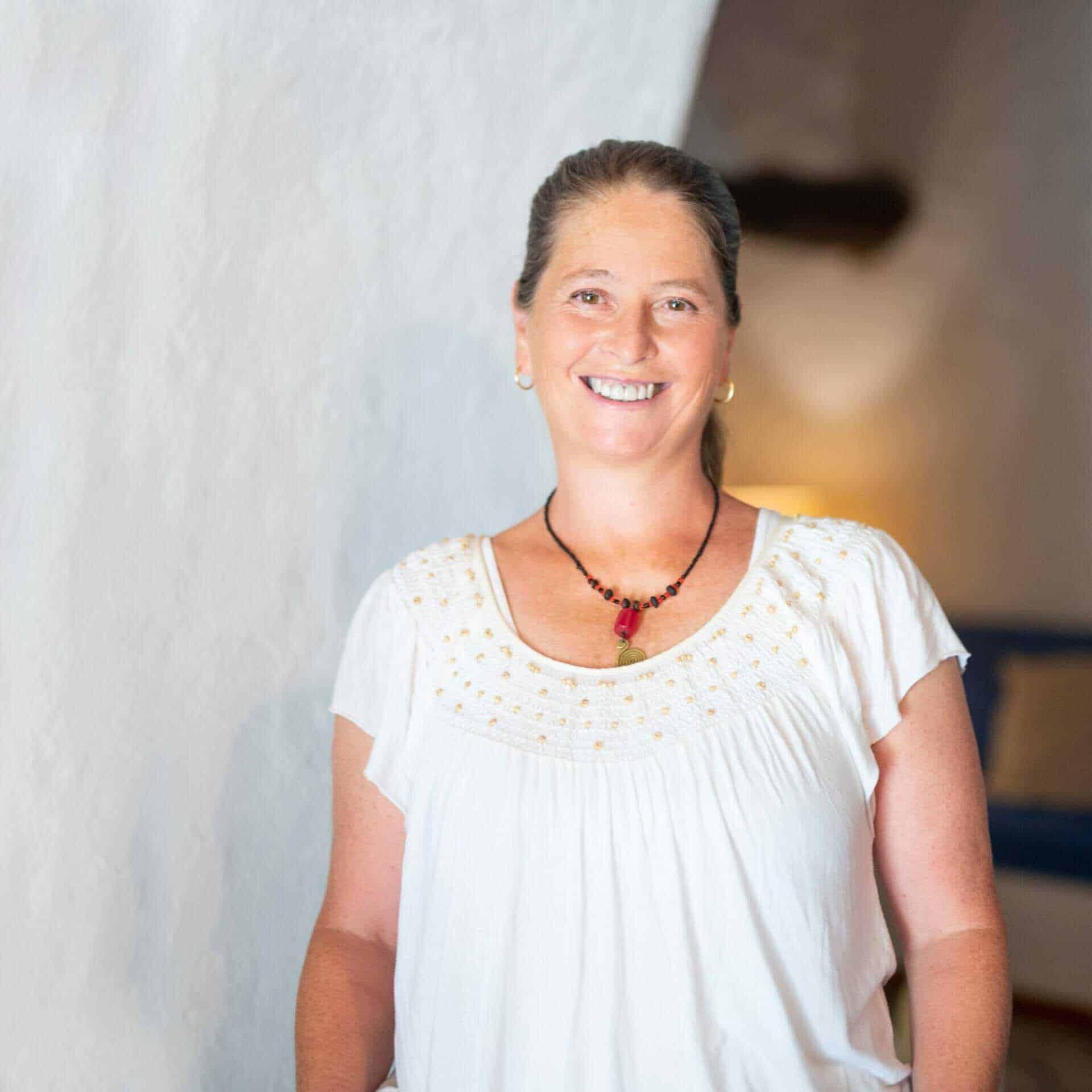
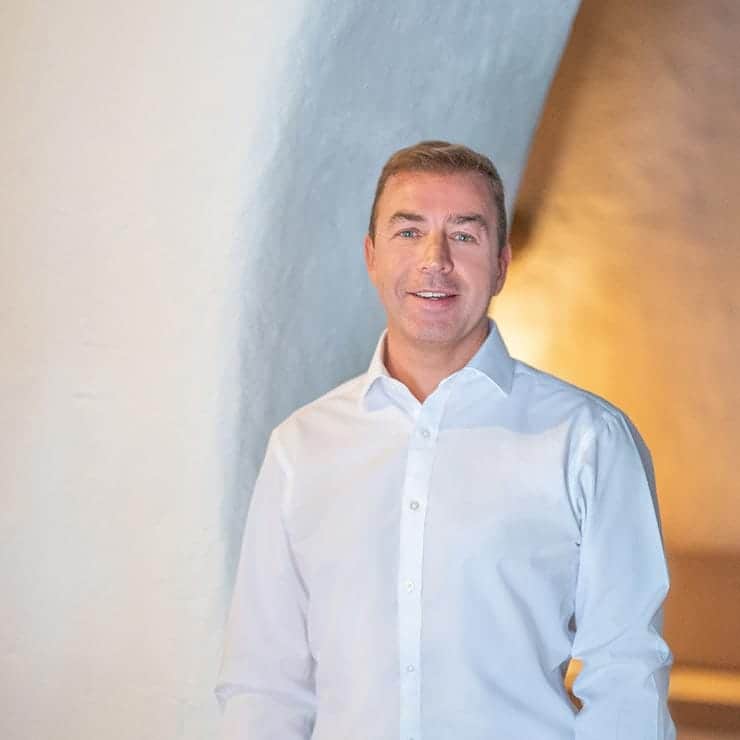
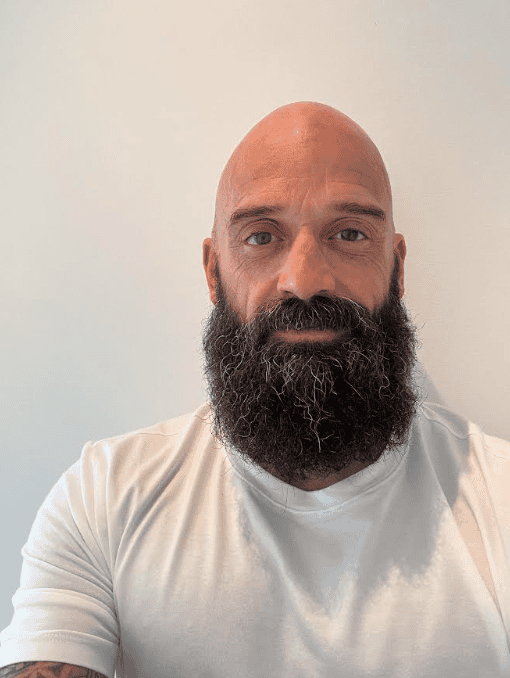
Our team and clinical approach
Fentanyl addiction treatment is delivered by a multidisciplinary team including:
– Psychiatrists
– Clinical psychologists
– Addiction specialists
– Nurses and medical staff
– Experienced therapists
With a deliberately limited number of clients and a high staff-to-client ratio, we are able to offer consistent one-to-one attention and deeply personalised care.














Frequently Asked Questions
How quickly can fentanyl addiction develop?
Fentanyl addiction can develop very rapidly due to the drug’s extreme potency. Some individuals experience dependence after relatively short periods of use, particularly if fentanyl is taken frequently or at higher doses.
Is fentanyl more dangerous than heroin or morphine?
Yes. Fentanyl is significantly more potent, meaning even very small amounts can cause overdose or respiratory failure.
Why is fentanyl linked to so many overdoses?
Fentanyl suppresses breathing very quickly and is often present in unpredictable amounts, especially in illicit drugs. Many overdoses occur because individuals are unaware that fentanyl is in the substance they are using.
Can fentanyl be mixed with other drugs without someone knowing?
Yes. Illicit fentanyl is commonly mixed into heroin, cocaine, counterfeit prescription pills, and other substances. This significantly increases overdose risk, even for people who do not intend to use opioids.
Is fentanyl withdrawal dangerous?
Fentanyl withdrawal can be severe and, in some cases, even life-threatening. Symptoms can be intense and unpredictable, particularly following prolonged or high-dose use. For this reason, opioid withdrawal should always be medically supervised. Professional support helps manage symptoms safely, reduce distress, and lower the risk of relapse.
Will I be in pain during detox?
Withdrawal discomfort varies between individuals. At Ibiza Calm, 24/7 medical supervision and appropriate interventions are used to manage symptoms and improve comfort throughout the detox process.
How long does fentanyl detox usually last?
Acute withdrawal symptoms typically begin within hours of the last dose and may last several days to a few weeks. Psychological symptoms and cravings can persist longer and are addressed through ongoing therapy and support.
What if I’ve relapsed before?
Relapse is common in opioid addiction and does not mean treatment has failed. Many clients come to us after previous attempts to stop. Our approach focuses on understanding relapse patterns and strengthening long term recovery strategies.
Do you treat people who started using fentanyl through prescribed pain medication?
Yes. We regularly support clients whose fentanyl use began through legitimate medical prescriptions and later became dependency.
Do you treat prescription and illicit fentanyl addiction?
Yes. We support clients using fentanyl, whether it began through prescribed medication or illicit use.
What if I’ve been using fentanyl without realising it?
This is increasingly common due to contamination of other drugs. Our assessment process addresses this and ensures appropriate treatment.
Can I receive fentanyl addiction treatment if I also take prescription medication?
Yes. Our medical team reviews all current medications and adjusts plans safely.
Can you help if I have depression or anxiety as well?
Yes. Co-occurring mental health conditions are assessed and treated alongside addiction.
What happens during the admissions process?
After an initial confidential conversation, our clinical team gathers relevant medical and psychological information to ensure we can support your specific needs. On arrival, we complete a full medical and psychiatric assessment and create your personalised treatment plan. Our admissions process is discreet, supportive, and designed to reduce stress at what can be an emotionally difficult moment.
How private is the fentanyl addiction treatment programme?
Our estate is discreet and fully private, with a limited number of clients to ensure confidentiality and space.
Will I be able to contact my family?
Yes. Family contact is arranged in a way that supports recovery and emotional stability. Family therapy can also be included when appropriate. In addition, family members are welcome to join a weekly online family support group from the beginning of treatment.
How long should I stay in residential treatment for fentanyl addiction?
Most clients benefit from a stay of four or more weeks, as this allows enough time for safe stabilisation, therapeutic work, and building the strategies needed for long term recovery. During your assessment, our clinical team will recommend an appropriate length of stay based on your patterns, withdrawal risks, and emotional needs.
Can I work remotely while in treatment?
We encourage clients to prioritise their recovery while at Ibiza Calm. In certain programmes, remote work may be possible.
What therapies will I receive?
Your programme is tailored and typically includes individual and group therapy, medical care, and holistic modalities.
Do you accept insurance?
We accept a number of international insurance providers, including Cigma International and Bupa Global. We can also assist with documentation for clients seeking reimbursement, though coverage depends on individual policies.
What happens after I leave Ibiza Calm?
Before discharge, you will be introduced to the aftercare support group, and you will receive a detailed aftercare plan tailored to your needs. This may include ongoing therapy, psychiatric support, community-based groups, or outpatient treatment. We also coordinate with trusted professionals to ensure continuity of care once you return home.
Ask yourself…
If you or someone you love is struggling with fentanyl addiction, help is available. Contact our team in confidence to learn more about treatment options at Ibiza Calm.
Does someone I know need help?
If family doesn’t intervene, who will?
We help families get their loved ones into addiction treatment.
Do I have a problem with addiction?
Our international team of professionals uses the latest therapeutic approaches to help you regain control and begin your recovery journey.
Testimonials
What our clients say
D

2024
C

2024
R
2024
S
2024
P
2024
J
2024
J
2024
D
2024
S
2024
D
2024


You’re not alone on this journey.
The path to recovery starts with a small first step.