


Drug Addiction Treatment
Cannabis addiction treatment
Treatment for cannabis addiction
Cannabis use is often seen as harmless, but for some people it can become difficult to control. What may begin as a way to relax, sleep, or cope with stress can develop into daily use, emotional dependence, or worsening mental health and, in some cases, issues with psychosis.
At Ibiza Calm, we provide residential treatment for cannabis addiction in a calm, private setting in northern Ibiza. With carefully limited client numbers, 24/7 clinical oversight, and a multidisciplinary team, we support individuals whose cannabis use is affecting their wellbeing, motivation, mental health, or ability to function.
Many people who come to us say they waited longer than they needed to, often because they weren’t sure their cannabis use was “serious enough”. If cannabis is impacting your life, relationships, or mental health, support can make a meaningful difference.
If you are unsure whether treatment is right for you, our online assessment tool may be helpful.
What is cannabis addiction?
Cannabis is a psychoactive substance derived from the Cannabis plant and contains over 100 cannabinoids. The most well-known are THC (tetrahydrocannabinol), which produces the “high”, and CBD (cannabidiol), which does not cause intoxication.
Cannabis addiction, clinically referred to as cannabis use disorder (CUD), involves continued use despite negative consequences. While not everyone who uses cannabis develops dependence, regular or high-potency use can lead to psychological and physical reliance.
Cannabis can be consumed in many forms, including smoking, vaping, edibles, oils, and concentrates. Modern cannabis products often contain much higher THC levels than in previous decades, increasing the risk of dependence and mental health complications.
While often perceived as low-risk, cannabis can have significant effects on mental health, particularly with high-THC products.
Risks include:
→ Anxiety and panic, especially with potent strains
→ Paranoia and mood instability.
→ Worsening depression or emotional numbness
→ Increased risk of psychosis, particularly in those with genetic vulnerability
→ Cognitive impairment affecting memory, learning, and attention
High-potency cannabis products such as skunk, concentrates, and synthetic cannabinoids (e.g. Spice/K2) carry higher risks and unpredictable effects.
Types of cannabis
Signs and symptoms of cannabis addiction
Cannabis addiction can present in behavioural, psychological, and physical ways.











Why it’s hard to face cannabis addiction alone
Cannabis addiction is often minimised, both socially and personally. Many people function outwardly while struggling internally, unsure whether treatment is appropriate because cannabis is legal or culturally accepted in many settings.
Delaying support can allow patterns to deepen, particularly when cannabis is being used to manage anxiety, depression, sleep problems, or emotional distress.
Residential treatment may be especially appropriate when:
→ Cannabis use has become daily or compulsive
→ Attempts to stop have been unsuccessful
→ Mental health symptoms (anxiety, paranoia, depression, psychosis) are worsening
→ Motivation, work, or relationships are declining
→ Cannabis is being used to cope with emotional pain
Recovery does not require hitting a crisis point. Early support can prevent escalation and restore balance.
Why cannabis can be dangerous
While cannabis is often perceived as a relatively safe drug, it carries several risks, particularly with misuse or high-potency products, these include:
Mental health risks:
→ Anxiety and paranoia: High THC levels can lead to severe anxiety and paranoia, especially in new or infrequent users.
→ Psychosis: There is a well-documented link between heavy cannabis use and the development of psychosis, particularly in individuals with a genetic predisposition.
→ Cognitive impairment: Regular use, especially in adolescents, can impair brain development, affecting memory, learning, and attention.
Physical health risks:
→ Respiratory issues: Smoking cannabis can cause similar lung damage as smoking tobacco, including chronic bronchitis and other respiratory problems.
→ Cardiovascular problems: Cannabis use increases heart rate and can raise the risk of heart attack, especially in older adults or those with existing heart conditions.
Addiction and dependency:
→ Cannabis use disorder (CUD): Regular use can lead to dependence, characterised by a need to use more to achieve the same effects, withdrawal symptoms, and difficulty stopping use despite negative consequences.
→ Gateway drug: Although highly debated, some research suggests that cannabis use can lead to the use of other, more dangerous substances.
Impact on daily life:
→ Impaired driving: Cannabis use significantly impairs motor coordination and reaction time, increasing the risk of accidents when driving.
→ Social and occupational impairment: Persistent use can lead to poor academic or work performance, strained relationships, and a reduced quality of life.
What is cannabis withdrawal?
Cannabis withdrawal occurs when a person who has been using cannabis regularly and heavily, reduces or stops their use. Symptoms typically begin within 1-3 days after stopping use and can last for 1-2 weeks, though some symptoms may persist longer.
While cannabis withdrawal is not life-threatening, it can be uncomfortable and challenging to manage, which may contribute to relapse. Seeking professional support during this period can significantly increase the chances of successful recovery.

Common symptoms of cannabis withdrawal include:
→ Irritability and mood swings.
→ Anxiety and restlessness.
→ Insomnia or disrupted sleep patterns.
→ Decreased appetite or weight loss.
→ Physical discomfort, such as headaches or stomach pain.
→ Intense cravings for cannabis.
THE PATH TO RECOVERY STARTS WITH A SMALL FIRST STEP
Cannabis addiction treatment at Ibiza Calm
Treatment begins with a comprehensive medical and psychiatric assessment to understand cannabis use patterns, mental health history, and individual needs.
We work with:
→ Individuals
→ Professionals and high-functioning clients
→ Families
→ Clients with co-occurring anxiety, depression, trauma, burnout, or psychosis-related symptoms
Cannabis withdrawal is managed with clinical and therapeutic support focused on sleep regulation, mood stabilisation, and relapse prevention.
Cannabis withdrawal occurs when regular or heavy use is reduced or stopped. Symptoms typically begin within 1 to 3 days and may last 1 to 2 weeks, though psychological symptoms can persist longer.
While not medically dangerous, withdrawal can be uncomfortable, and there is an increased relapse risk without support.
Core pillars of cannabis addiction treatment
Drug Addiction Treatment
Which drug addictions do we treat?
There are many different types of drug addiction. At Ibiza Calm, we specialise in the rehabilitation of all forms of drug addiction, including opioid, stimulant, depressant, and hallucinogen addiction. We offer a wide range of evidence-based treatments, including cognitive behavioural therapy, motivational interviewing, and 12-Step recovery, as well as group therapies.

Cocaine
Cocaine is a powerful and addictive stimulant that is obtained from coca leaves from the Andes mountains of South America. Although it has medical uses as an anaesthetic, cocaine is mostly used illegally for the extreme form of euphoria that it induces.
Heroin
Heroin is a drug synthesised from morphine and is one of the most addictive illicit substances available.
Fentanyl
Fentanyl is heroin’s synthetic cousin; it works by binding to the body’s opioid receptors increasing dopamine levels. The increase of dopamine leaves a feeling of euphoria, relieves pain and decreases the perception of suffering.
Methadone
Methadone is a long-acting opioid, often used as a heroin substitute to maintain opioid addicts. Its effects can be cumulative and may cause many long term issues.
Psychoactive addictive drugs
Chemsex drugs – crystal methamphetamine, GHB/GBL and mephedrone, also known as miaow miaow, are a group of addictive psychoactive drugs.
Ecstacy and MMDA
MDMA/Ecstasy (powder and pills) affects the brain and the body.
Addiction treatment
Life at Ibiza Calm
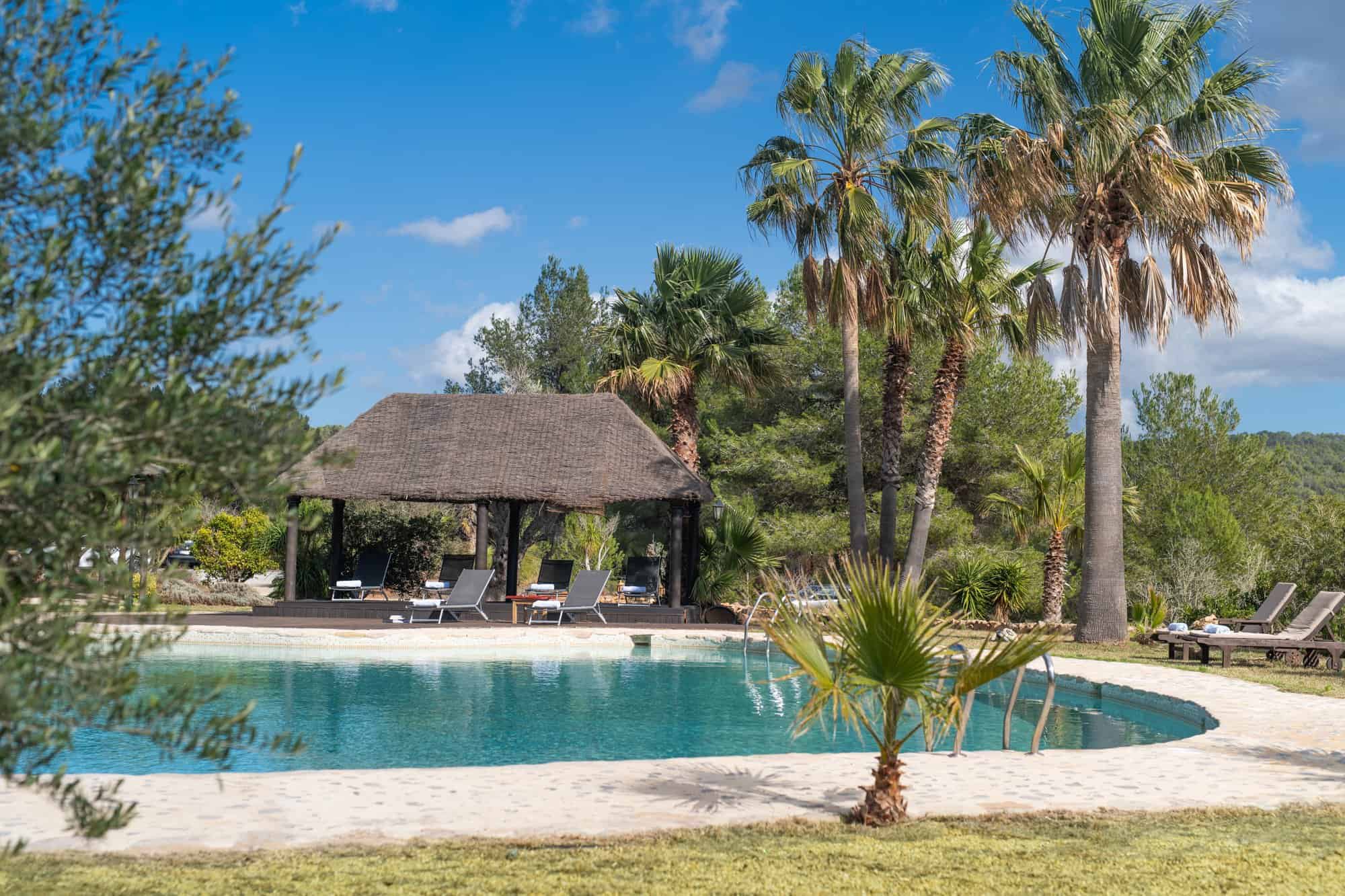
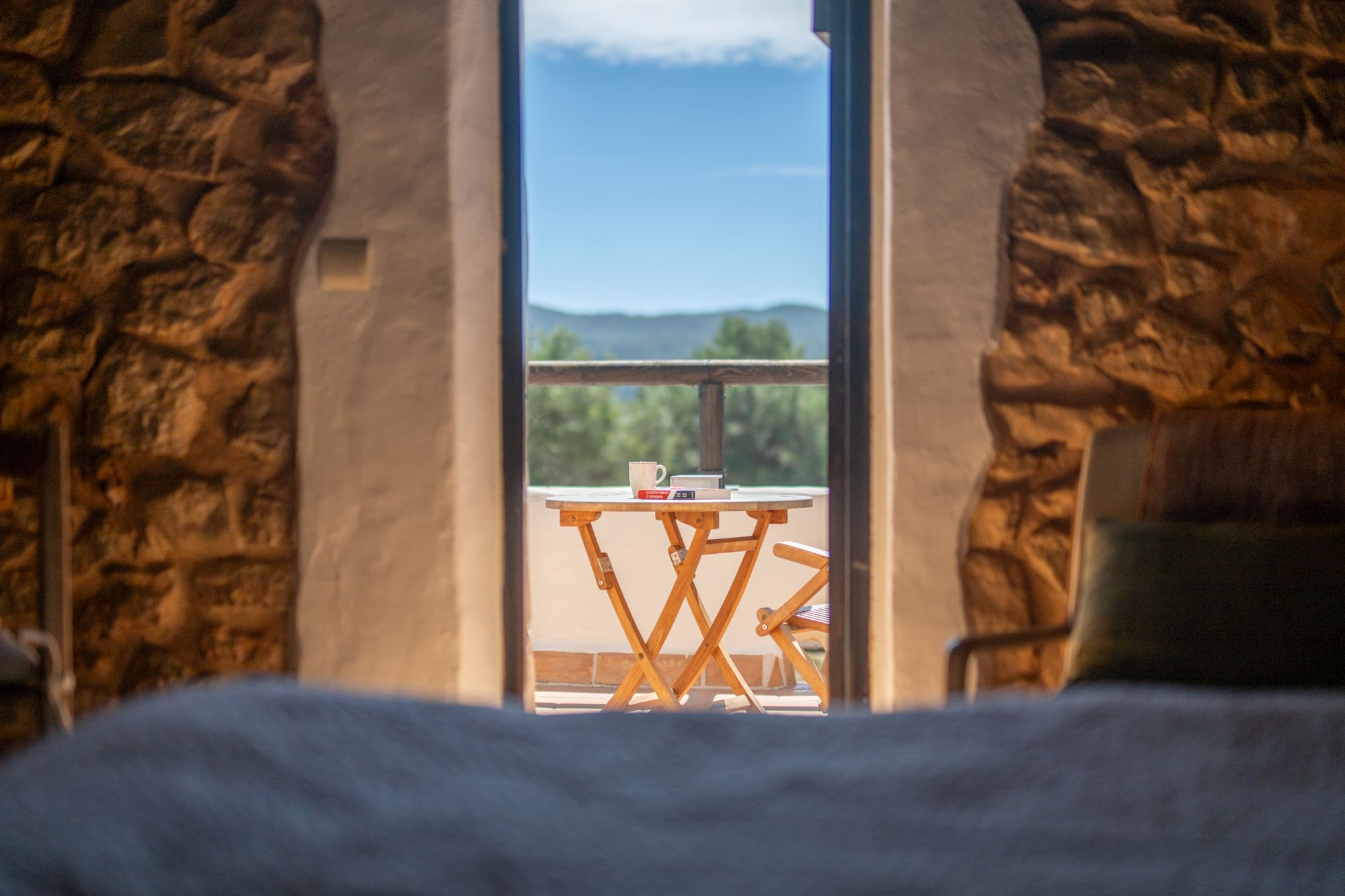
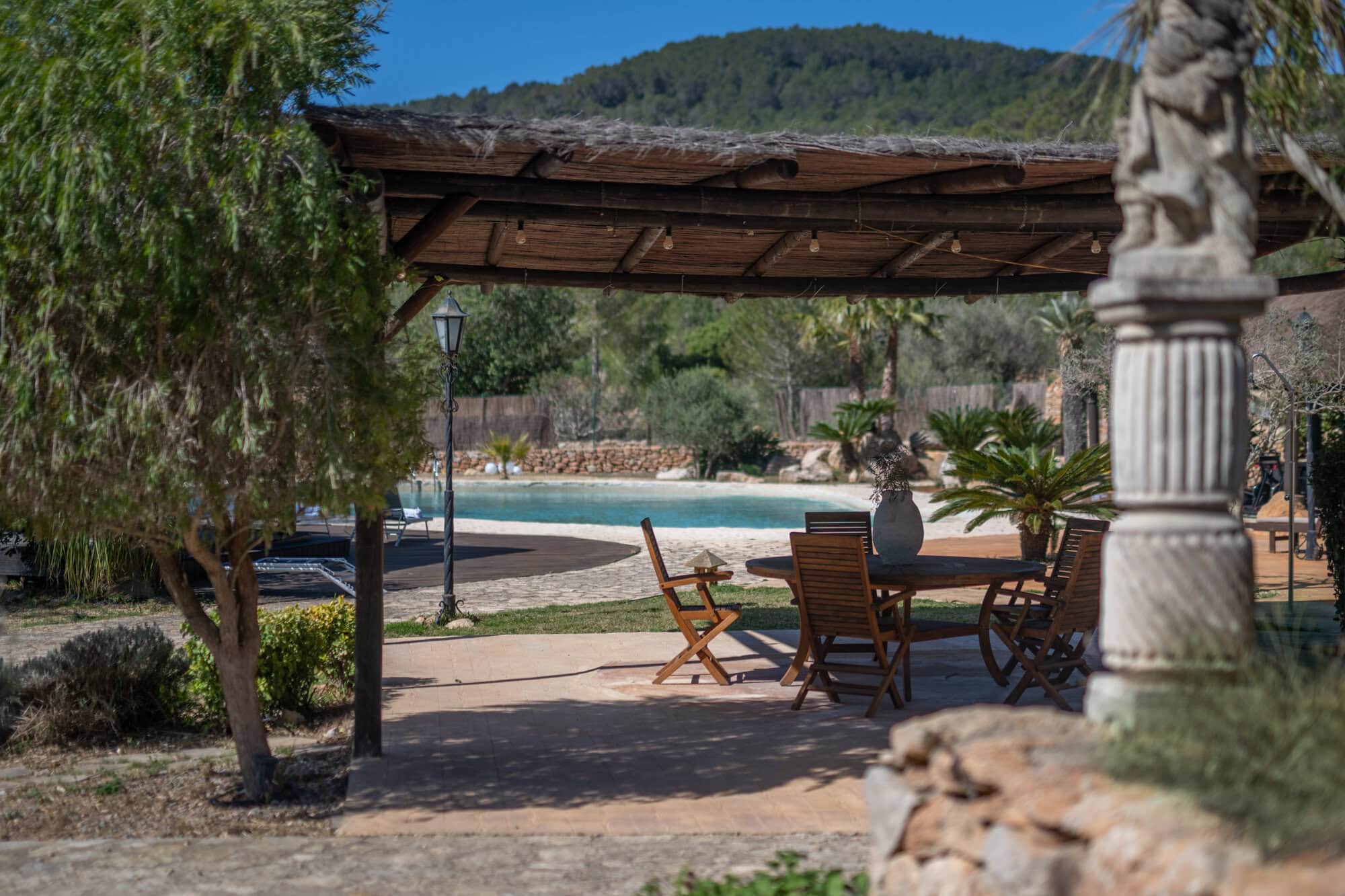
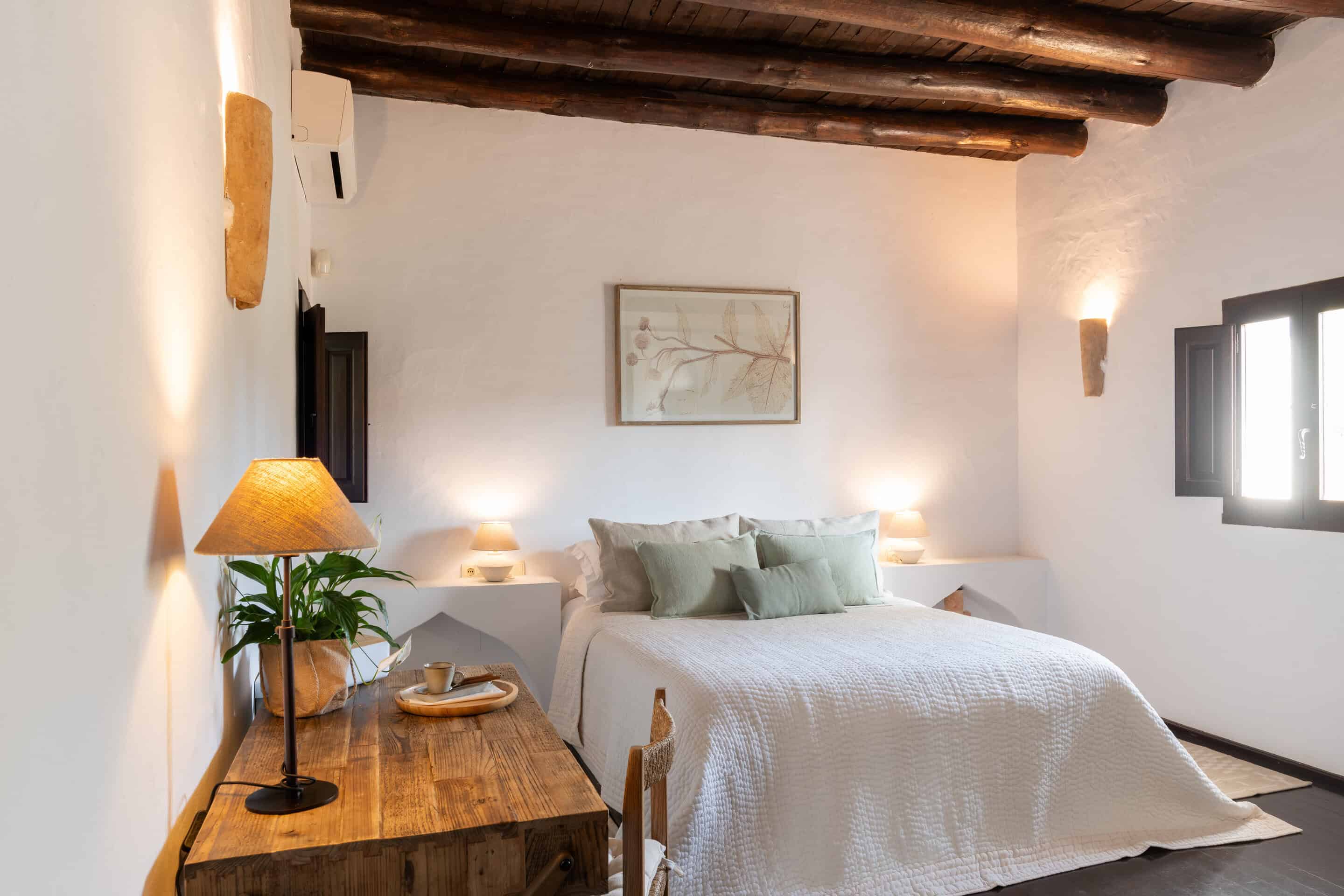
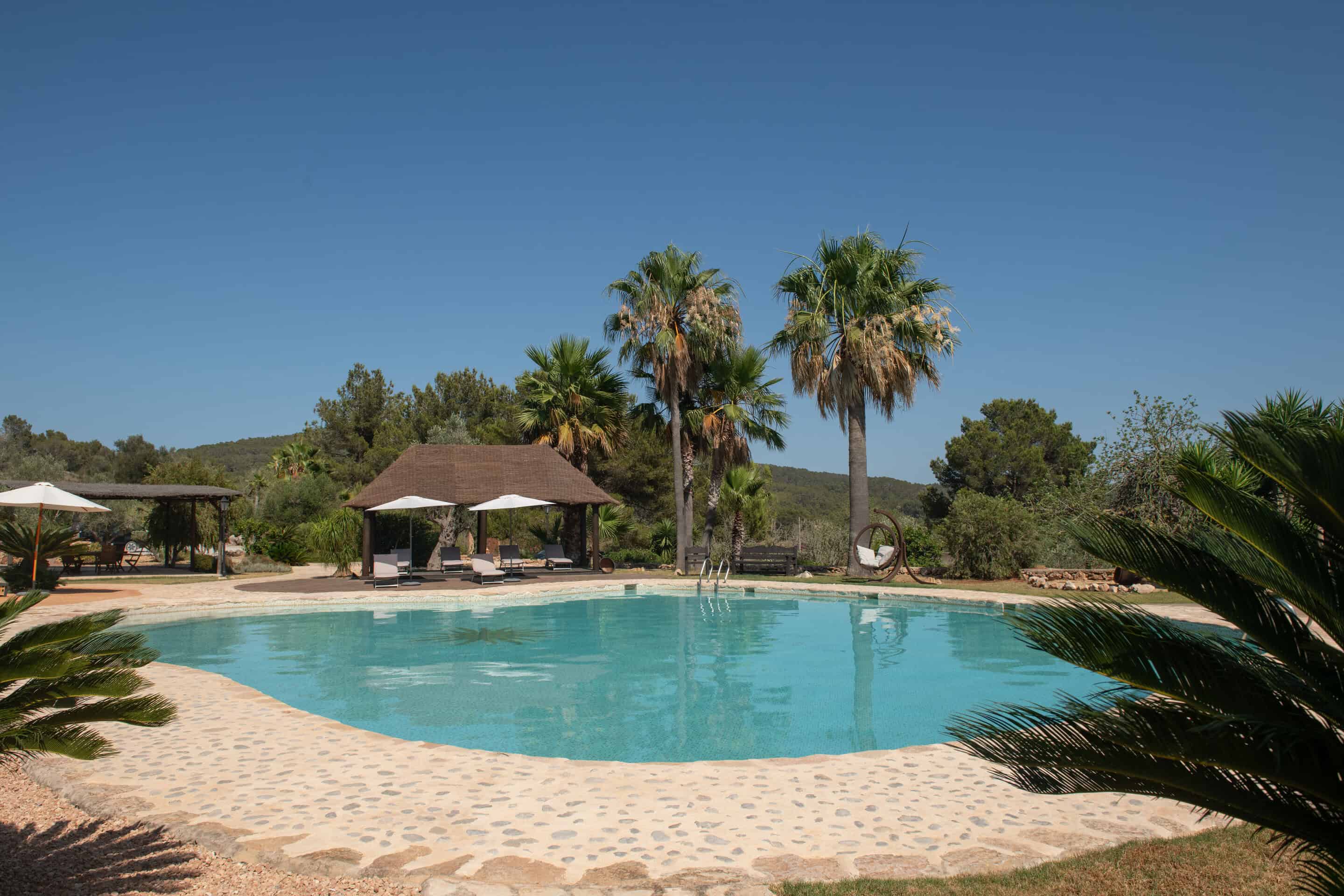
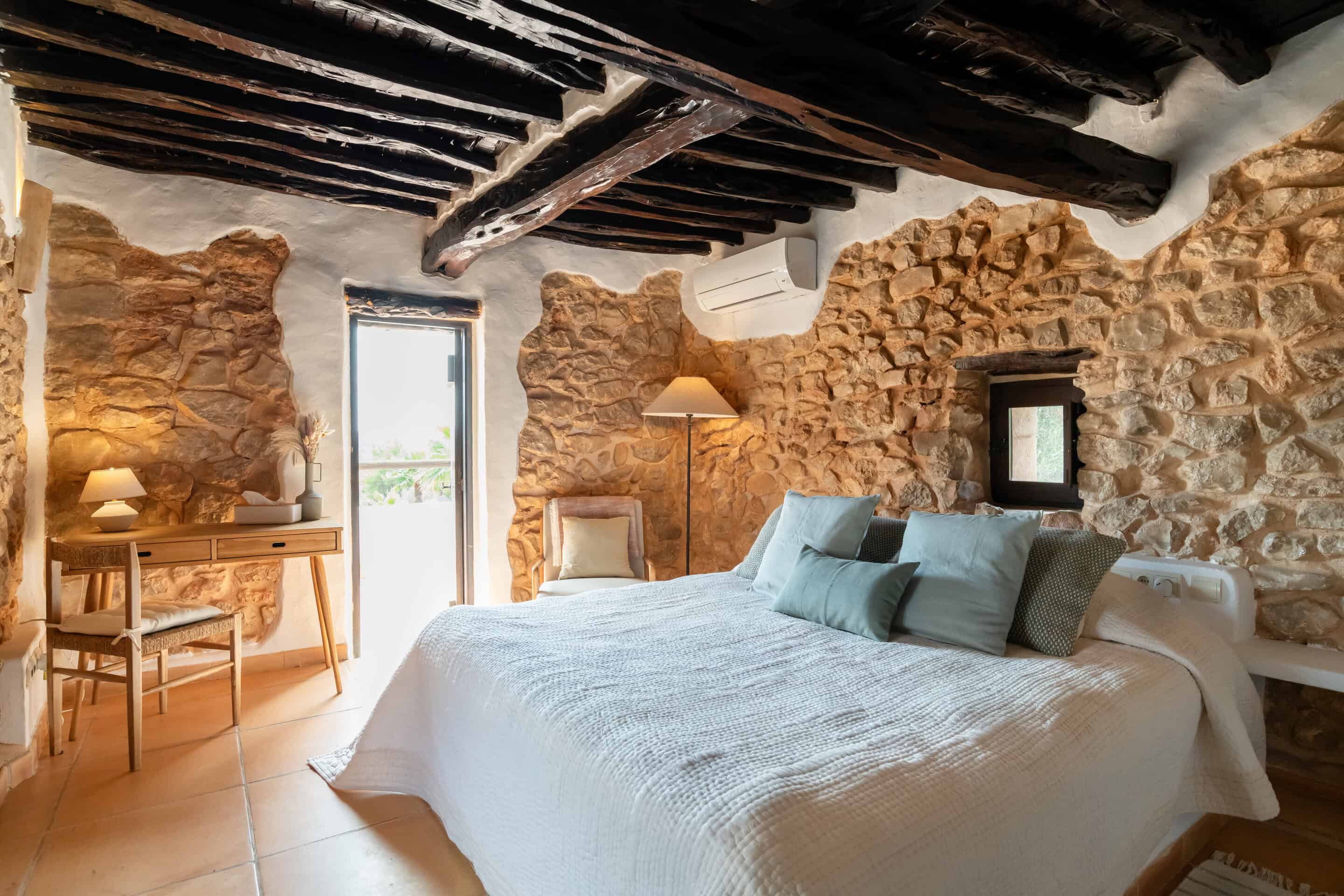
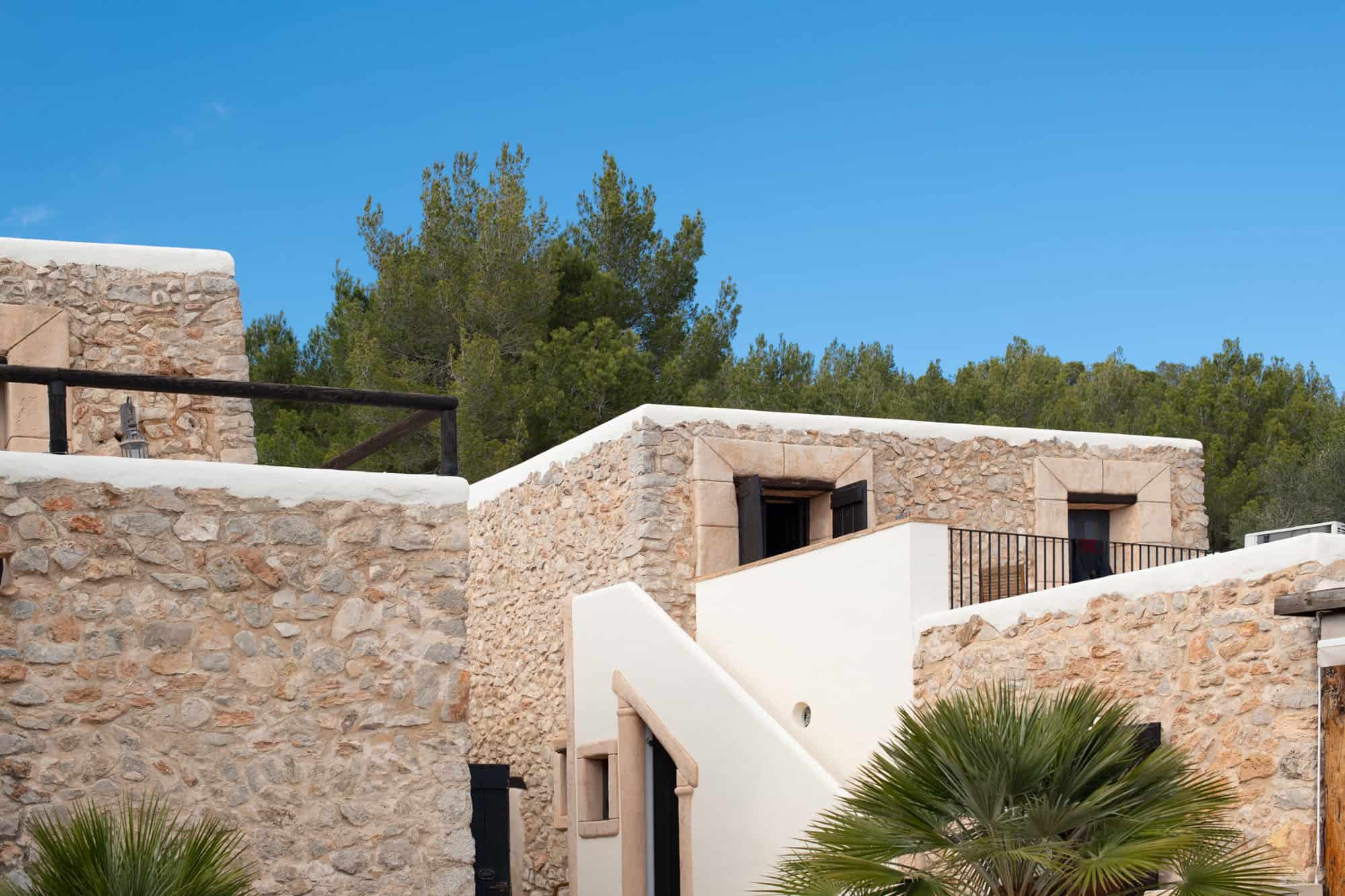
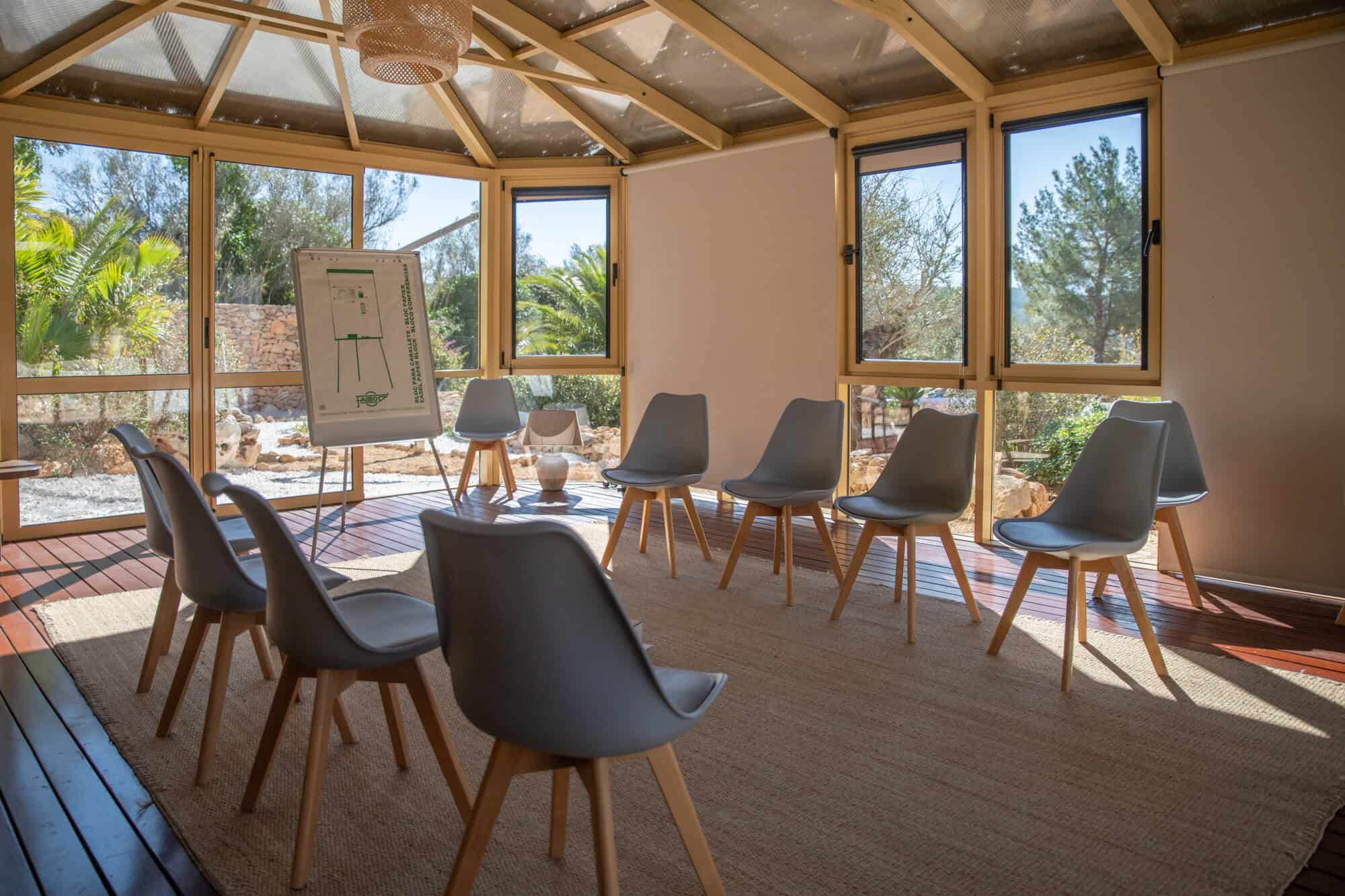
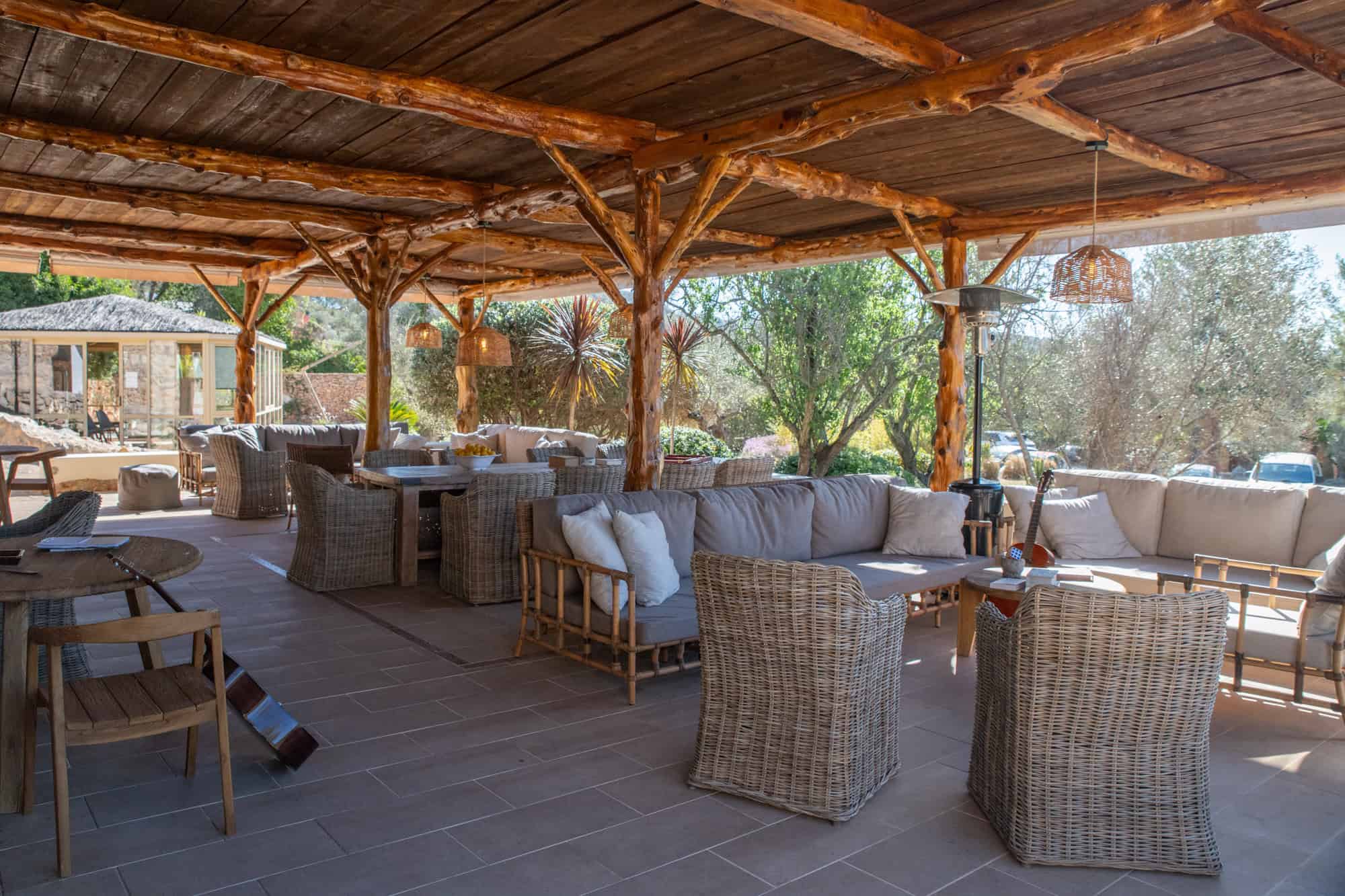
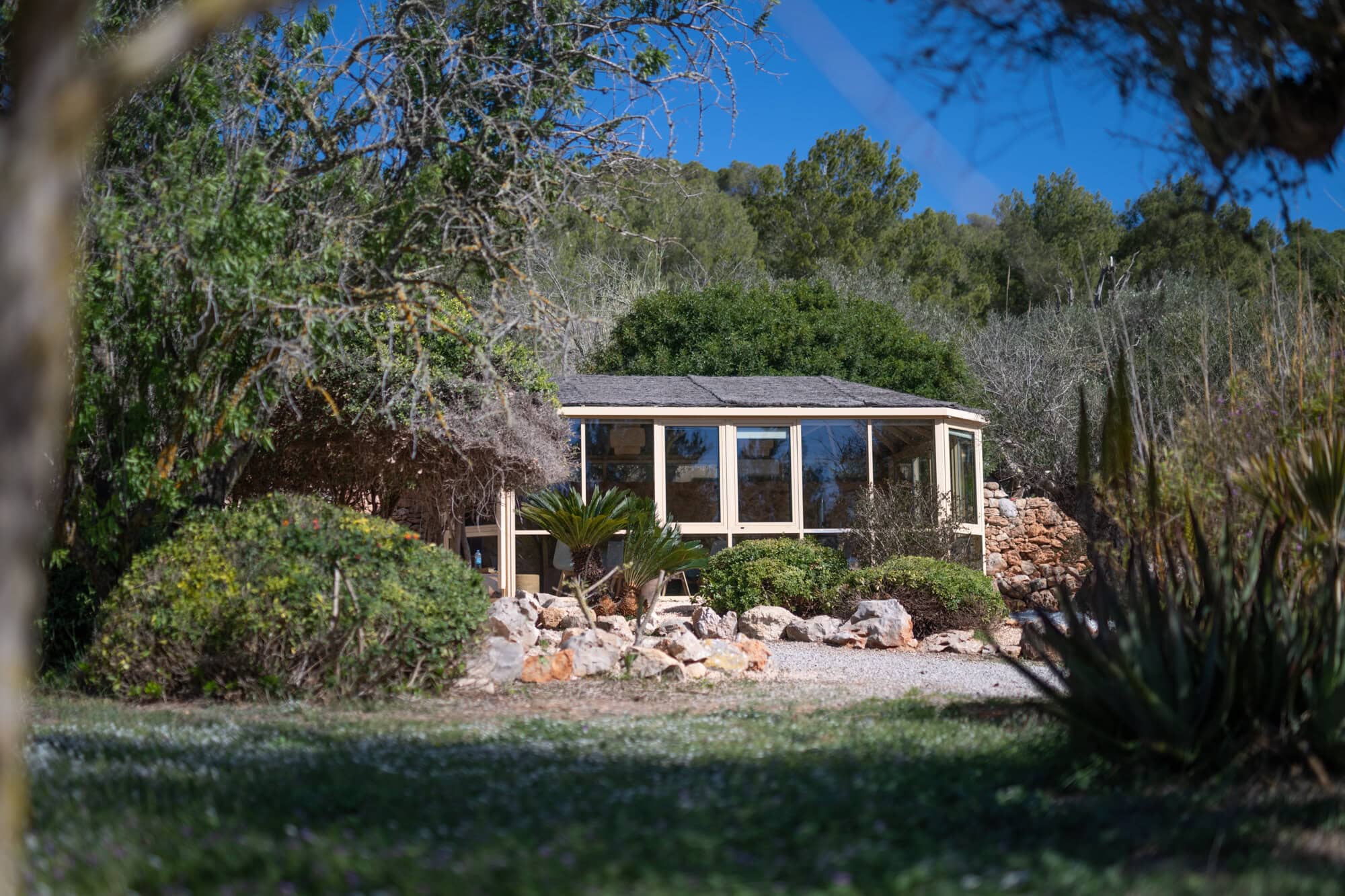
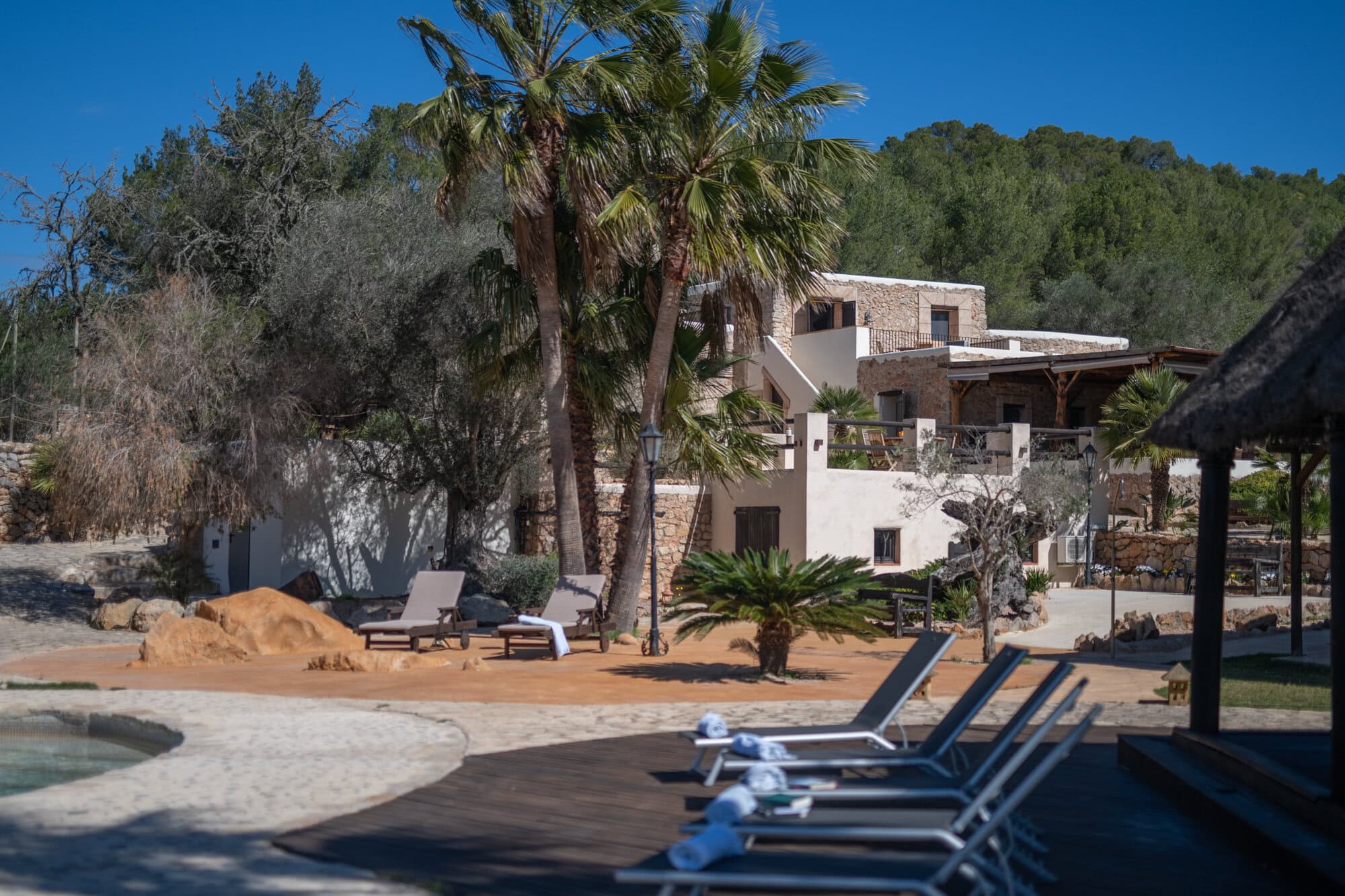
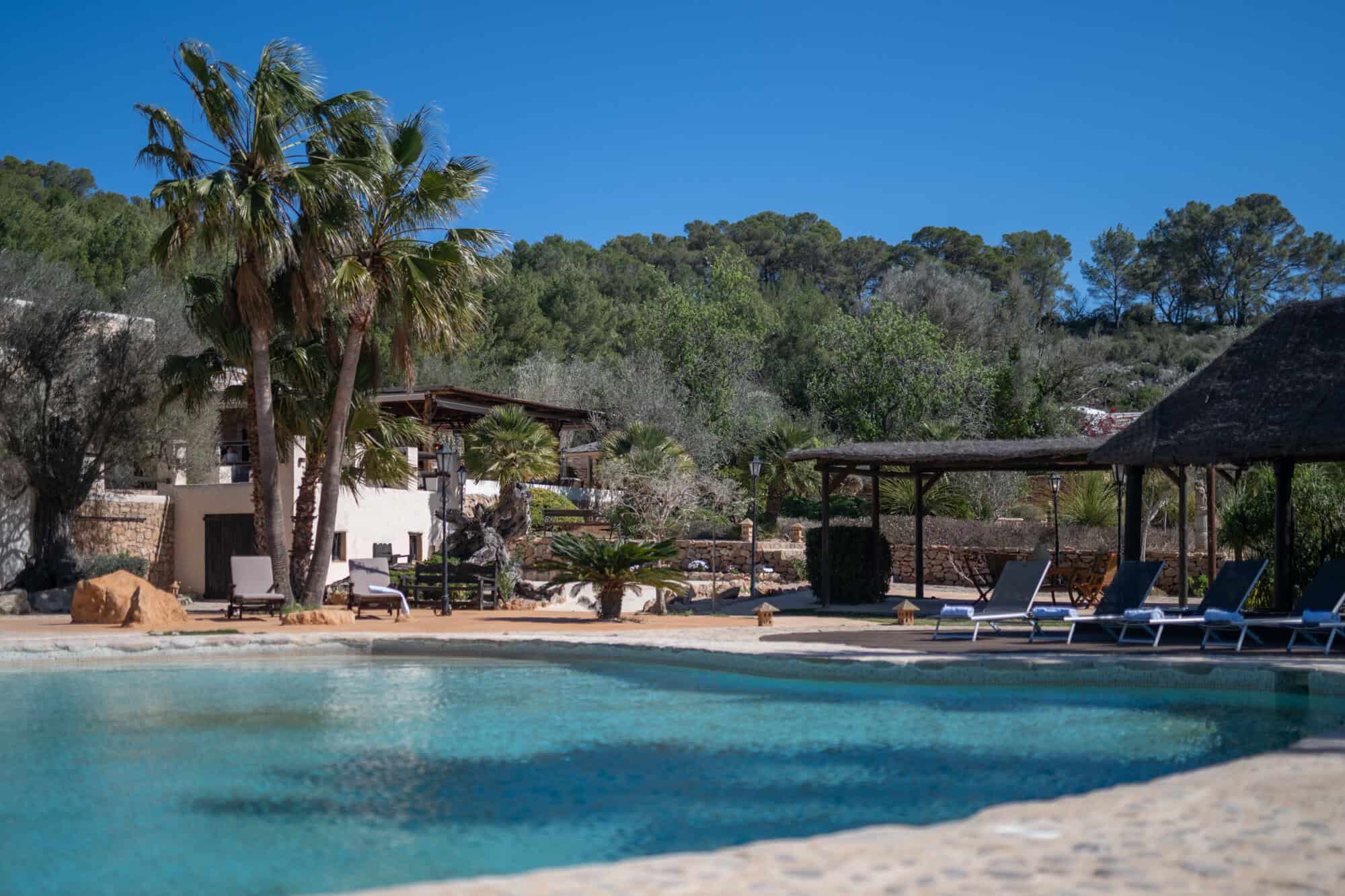
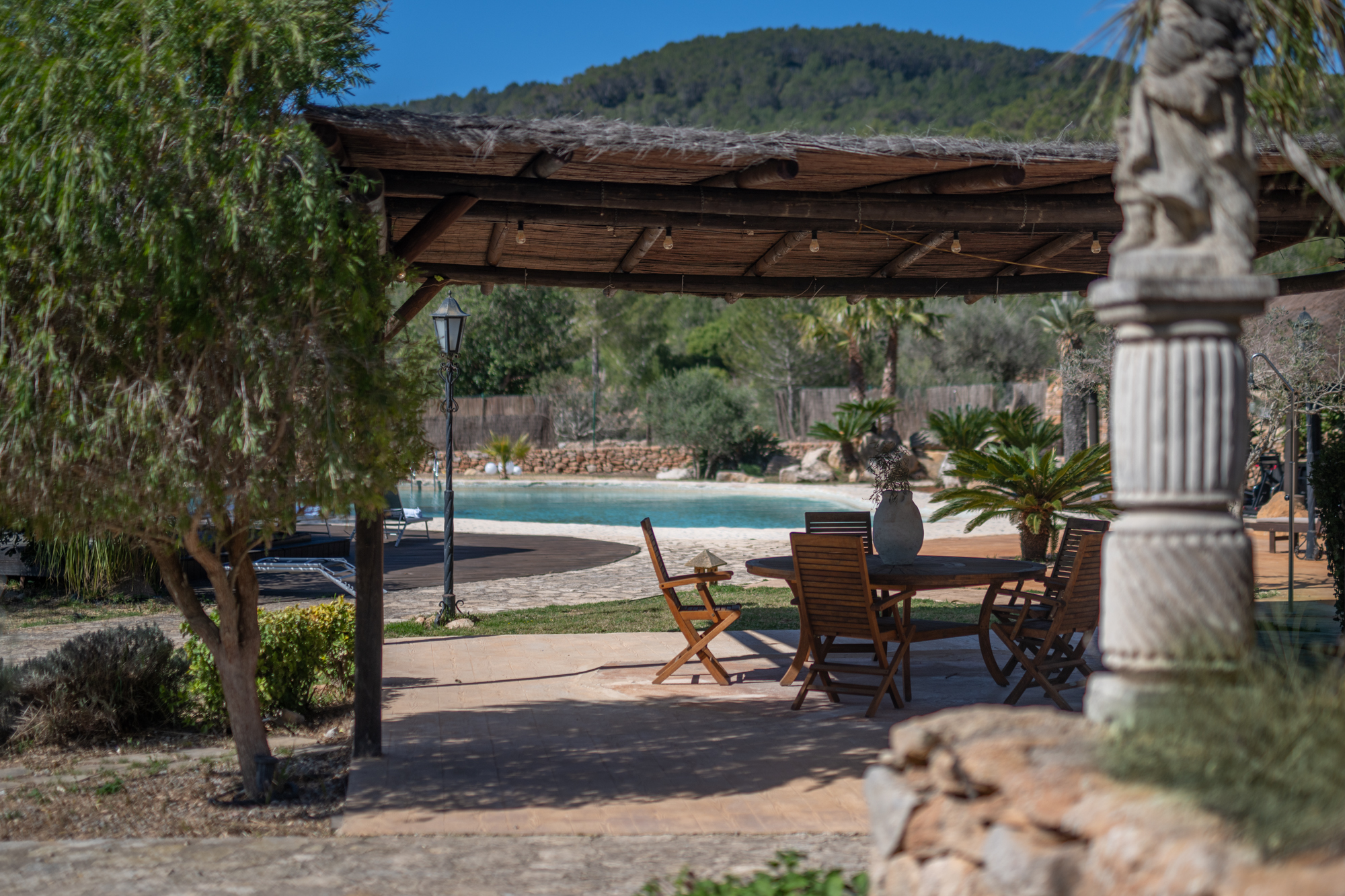
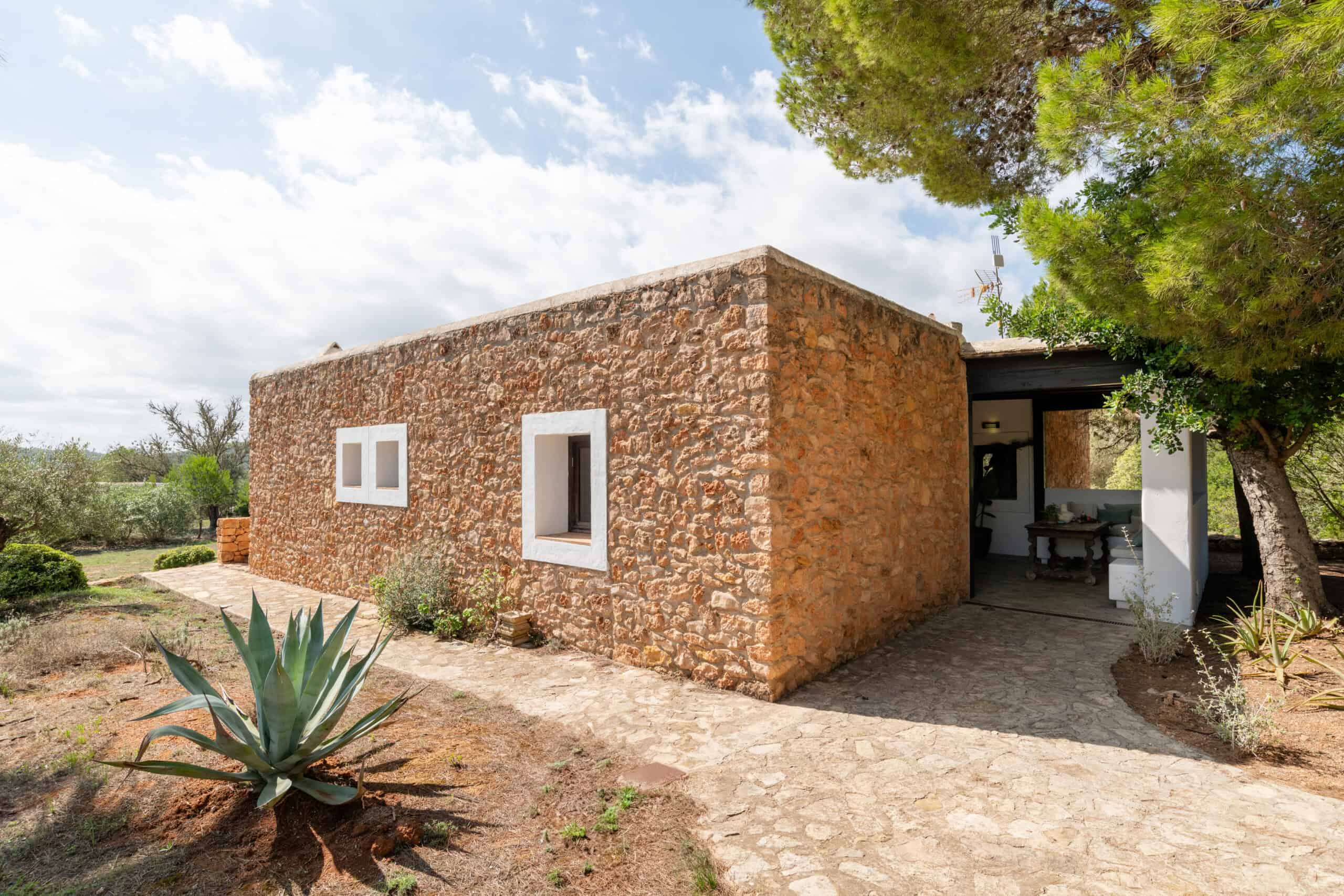
Our centre is set on a serene 13-hectare estate surrounded by Mediterranean gardens, open space, and natural light. This environment supports rest, routine, and emotional regulation.
A typical day may include:
→ Individual therapy
→ Group therapy
→ Meetings with clinical staff
→ Nutritious meals prepared onsite
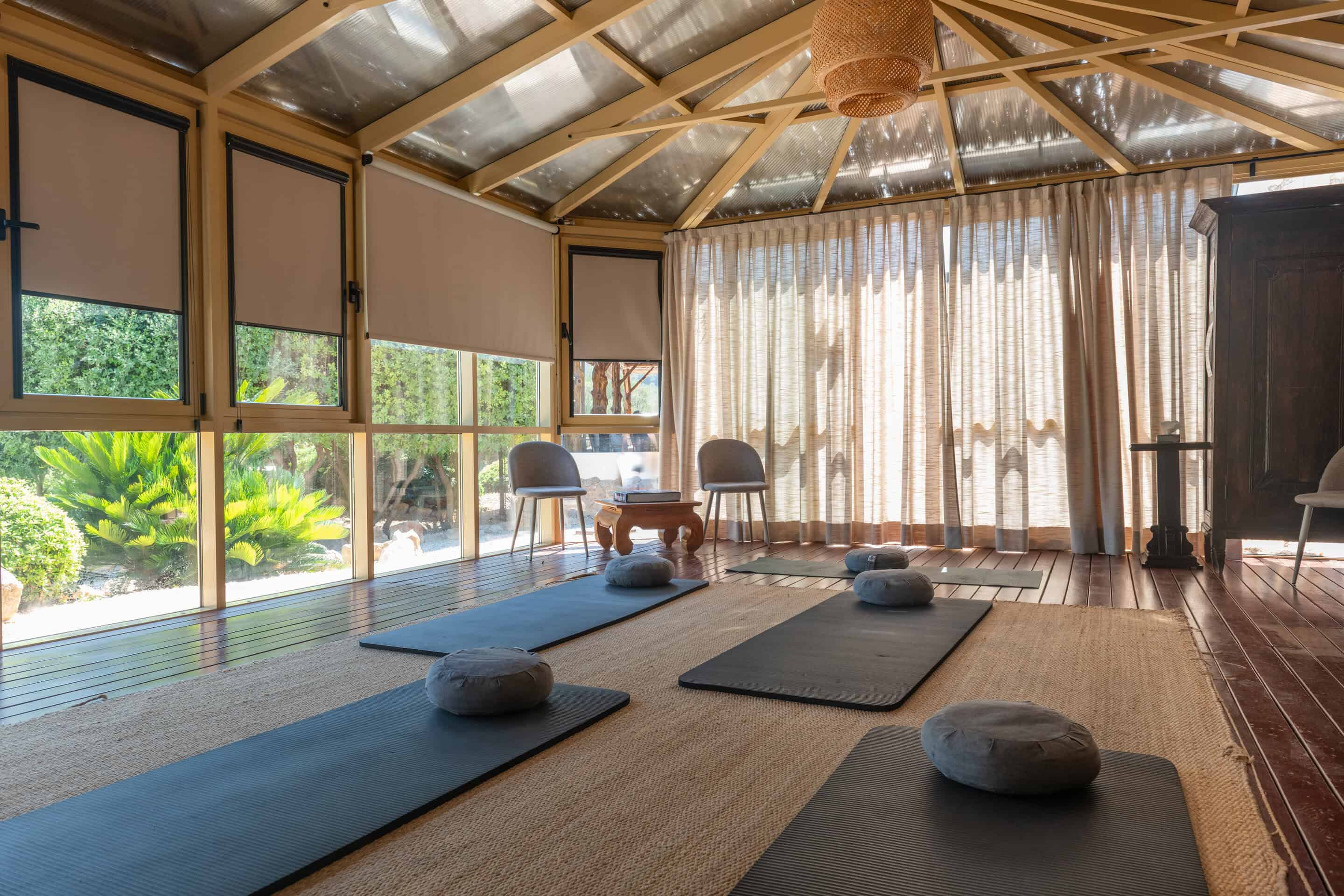
→ Restorative activities such as yoga, mindfulness, or time in nature
→ Structured personal time for rest and reflection
The pace and privacy of Ibiza Calm allow clients to step away from triggers and focus fully on recovery.

Bepoke treatment

Newest techniques

Experienced team
Our team and clinical approach
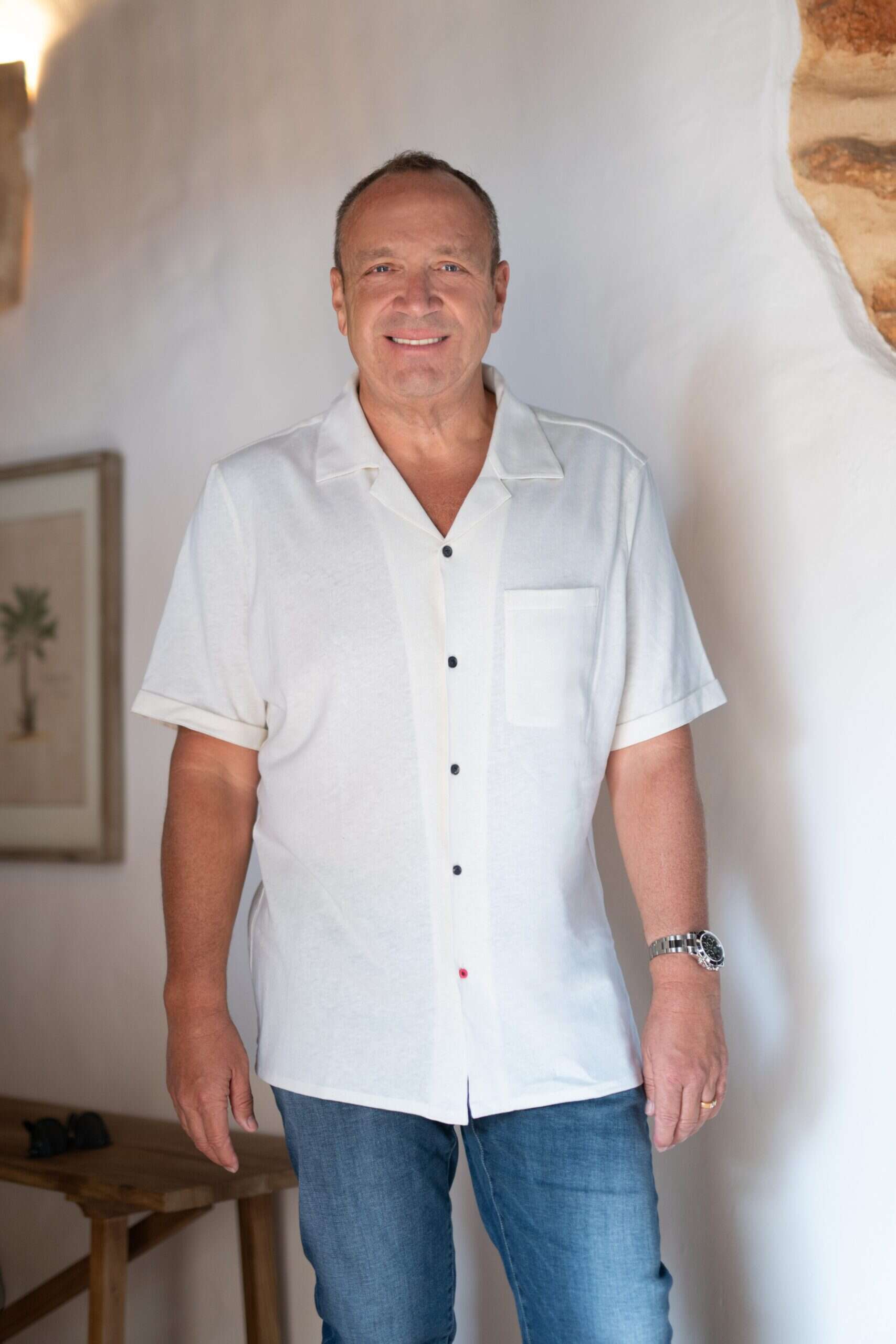
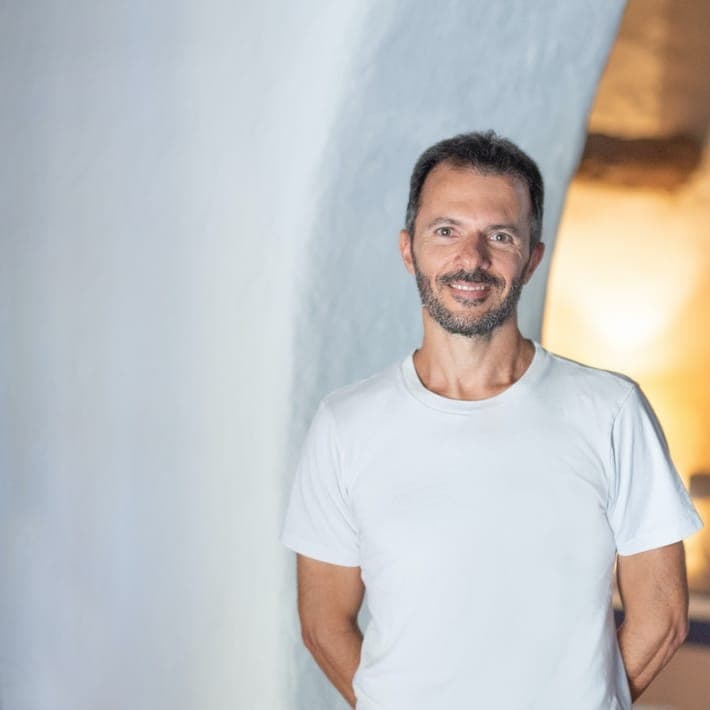
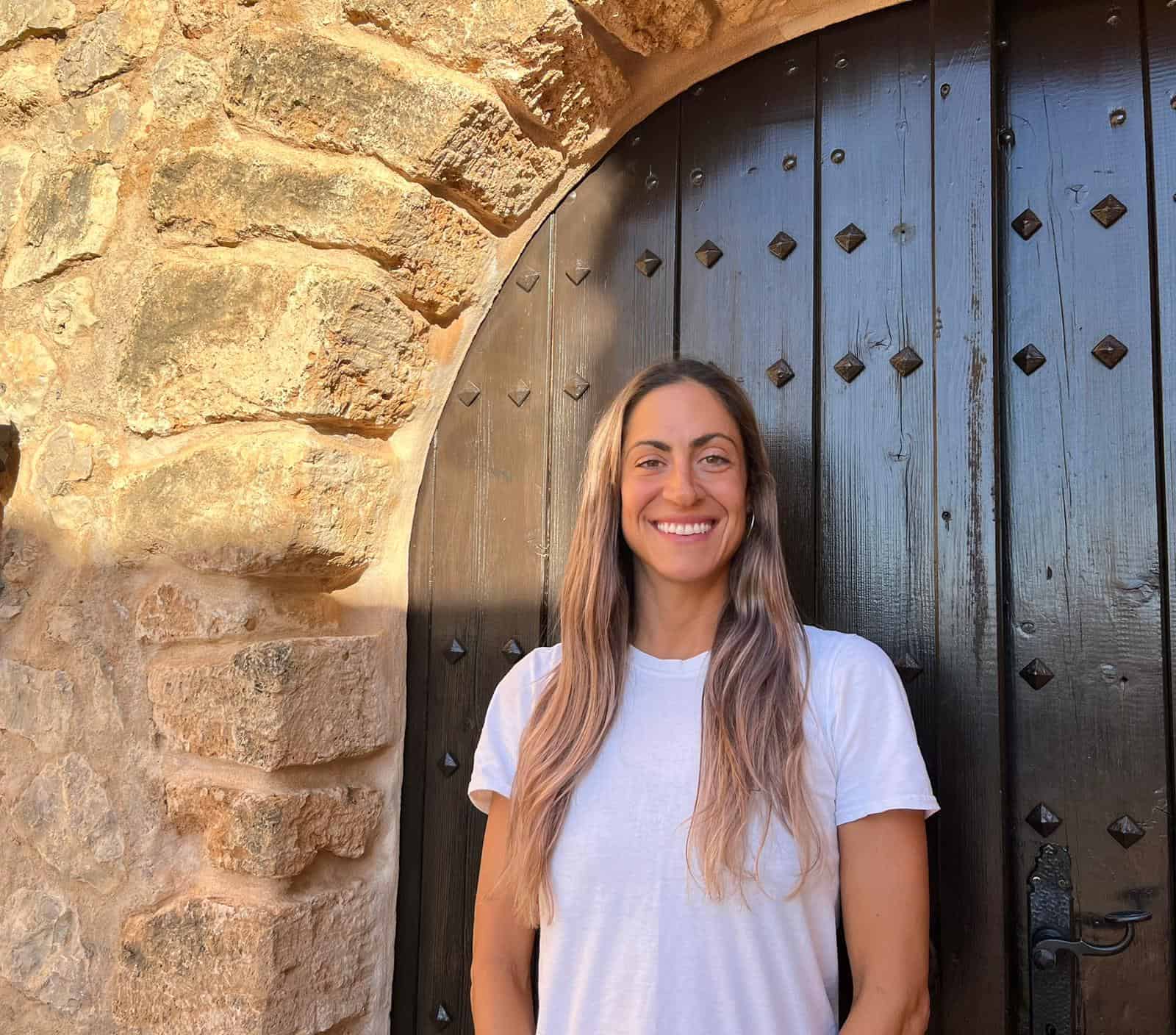
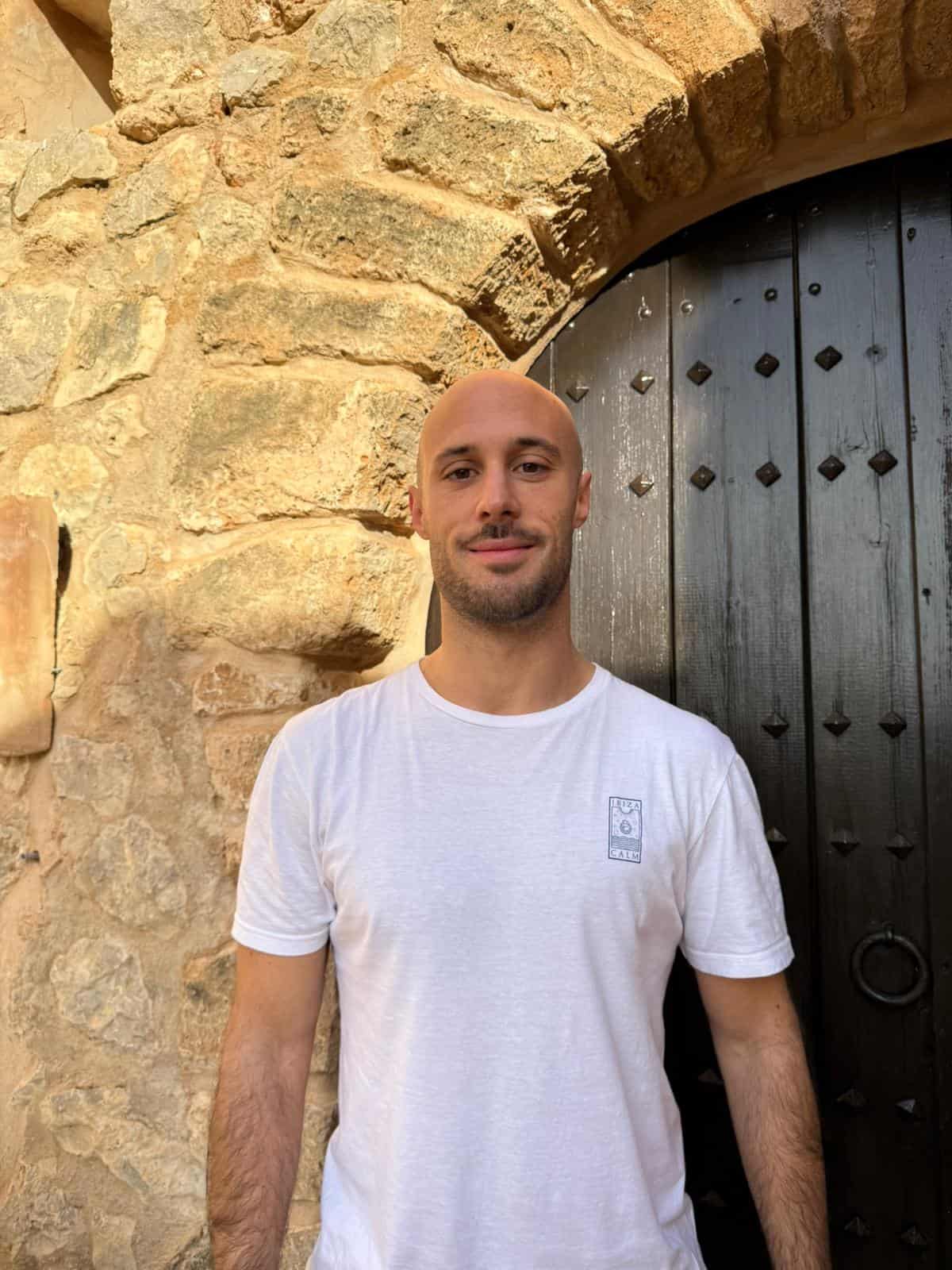
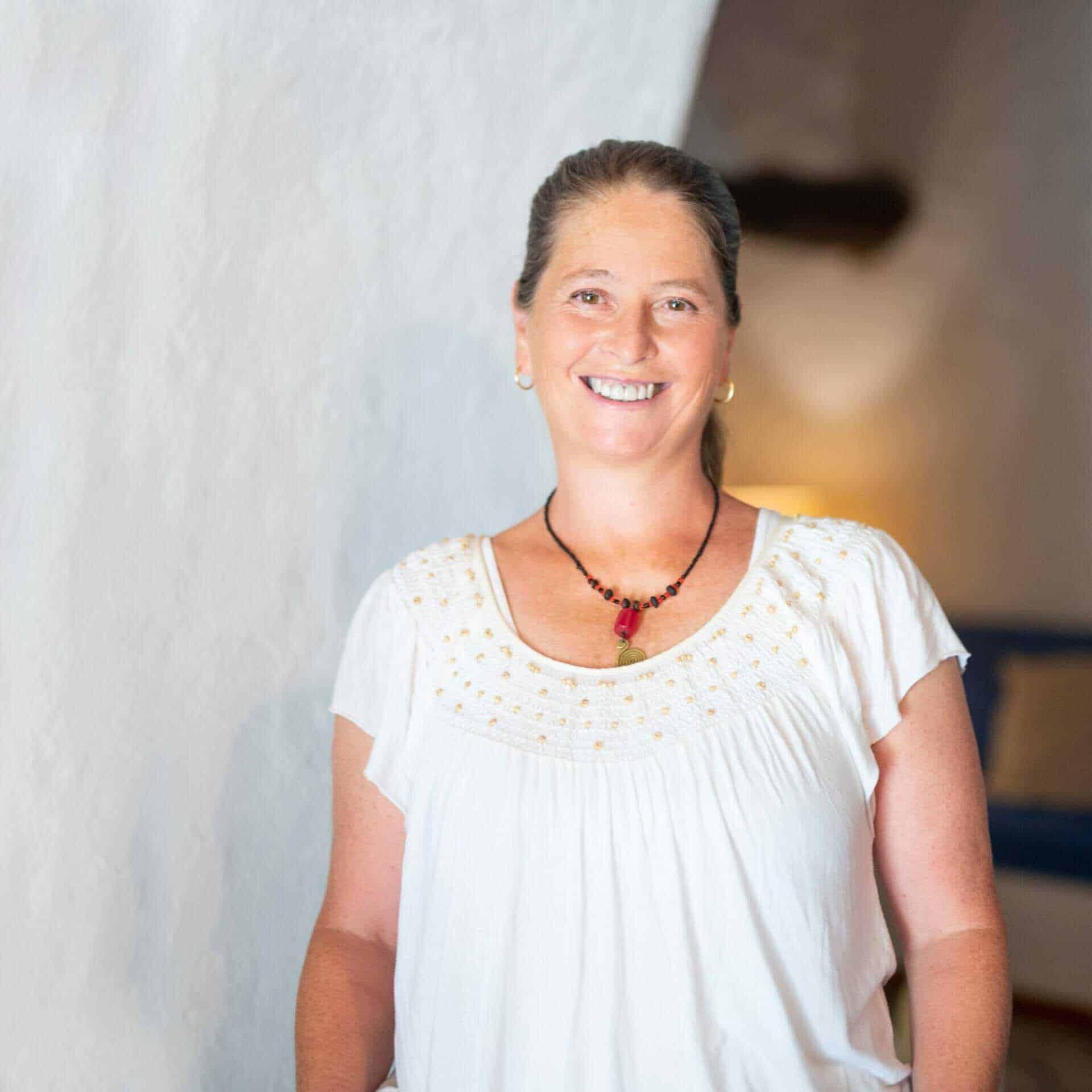
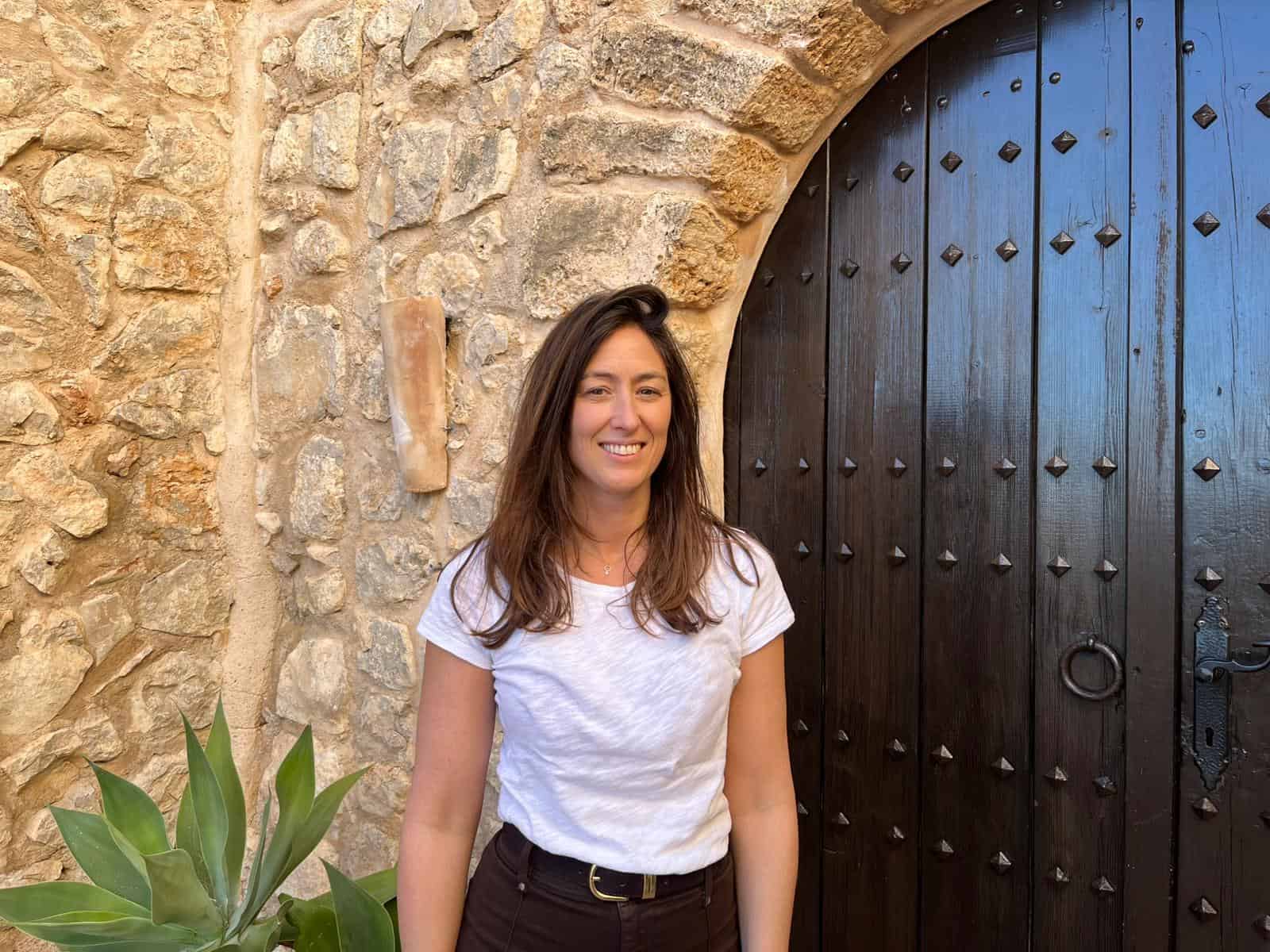
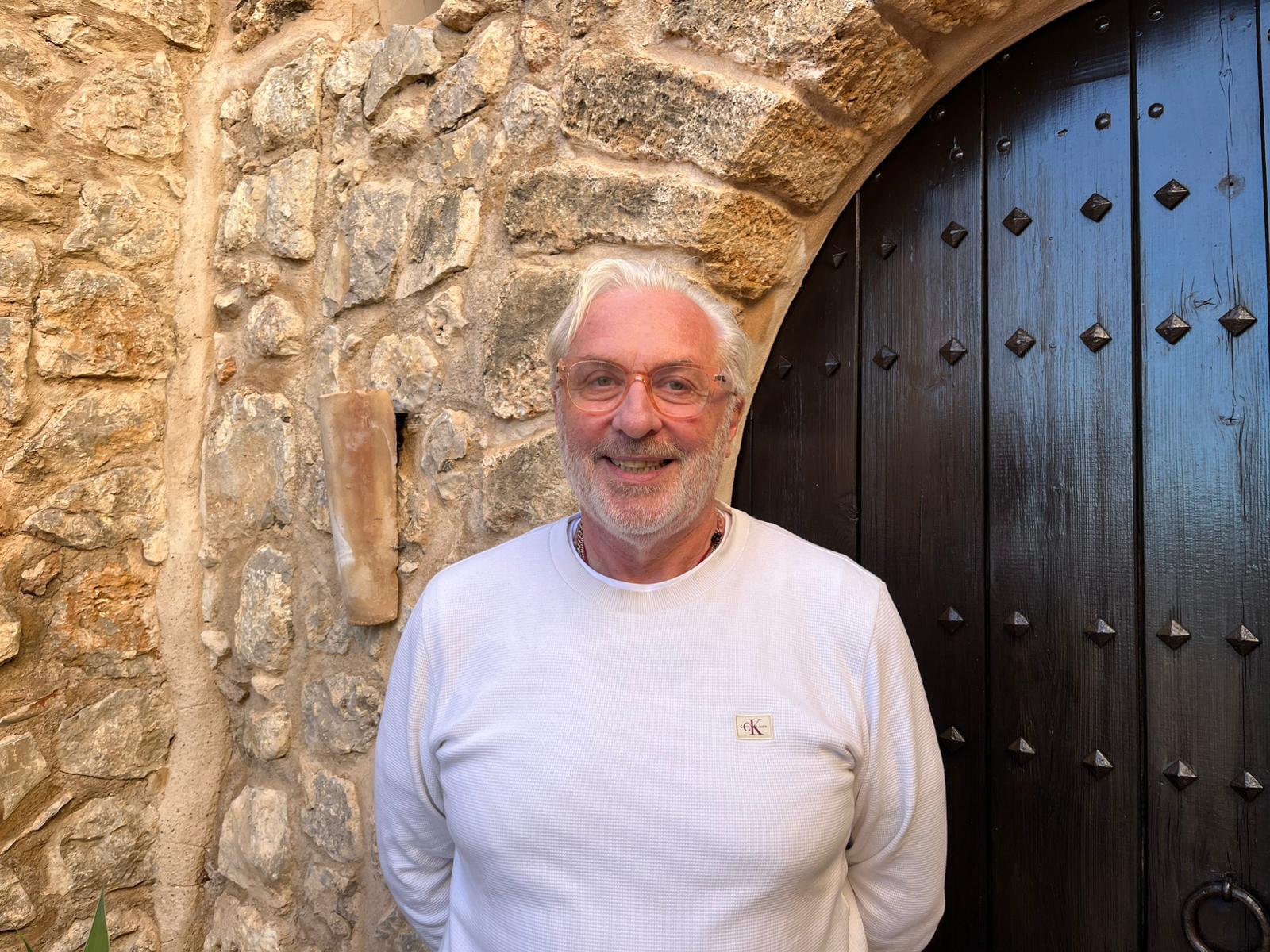
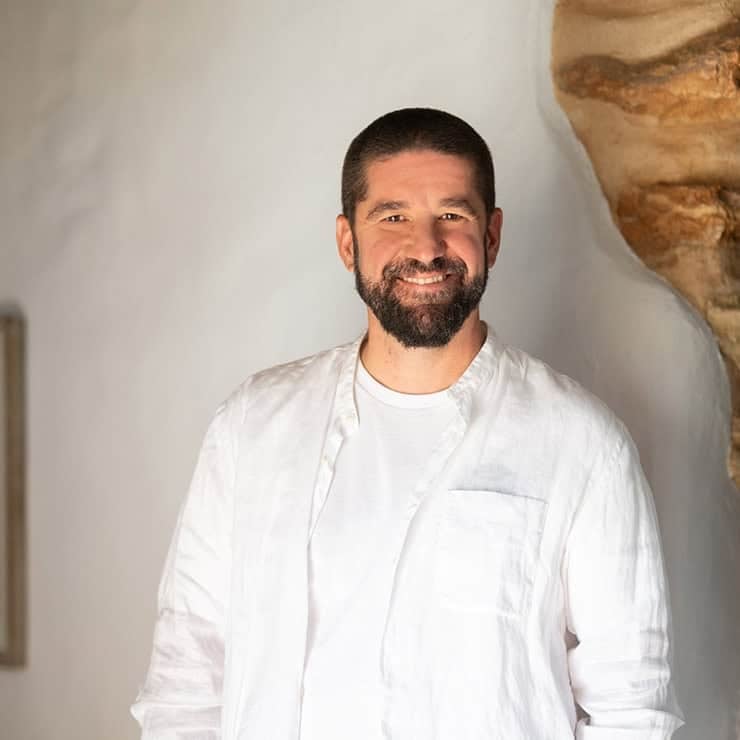
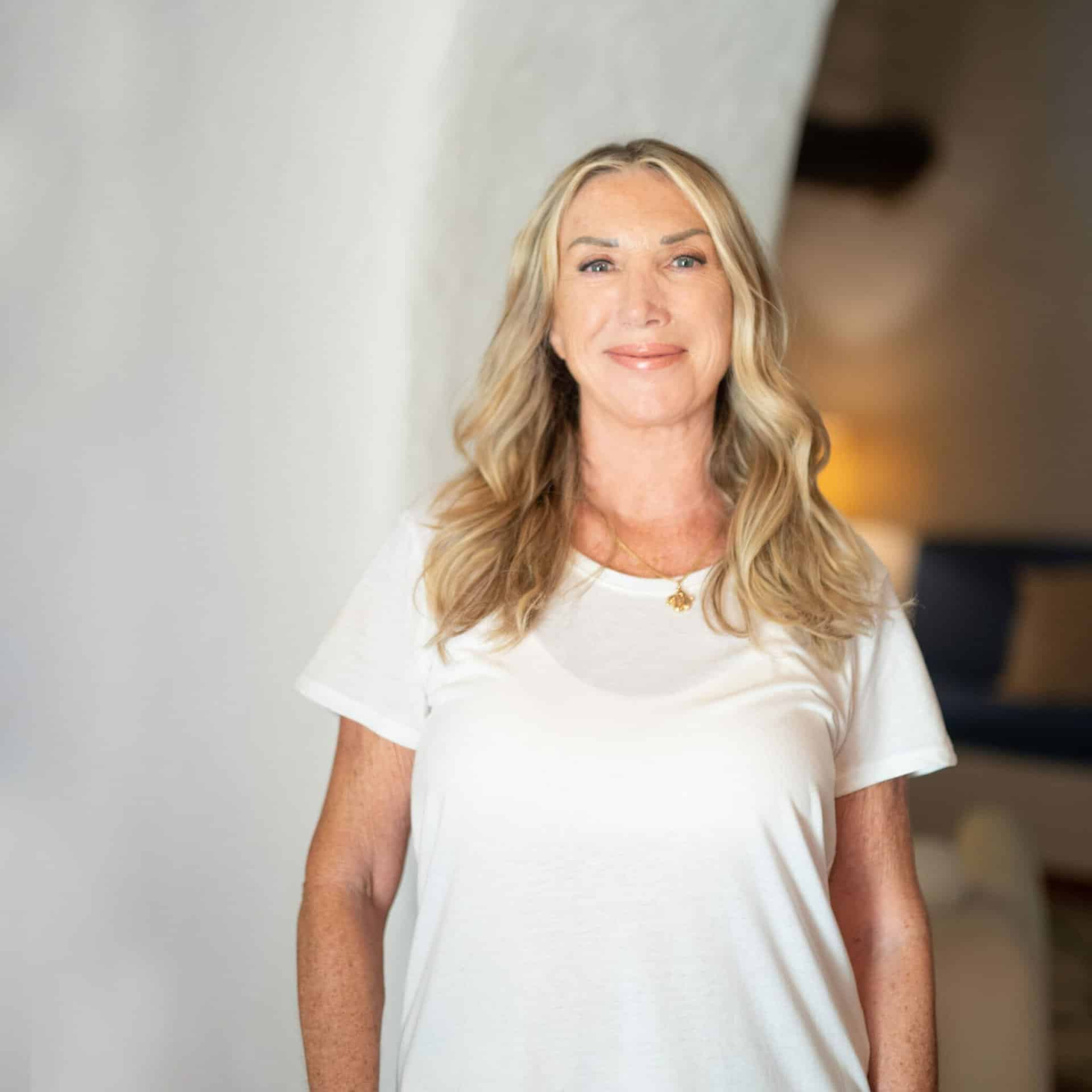
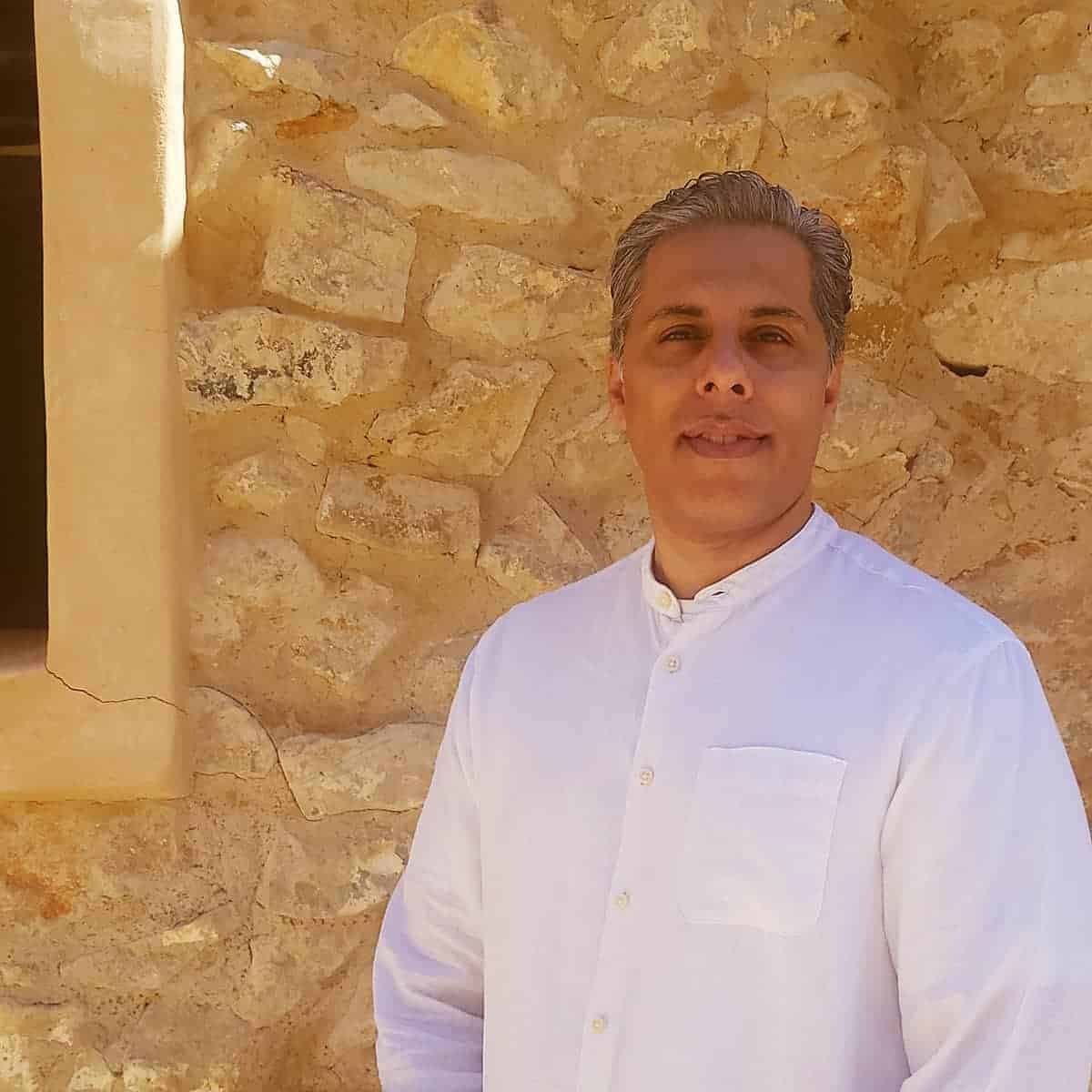
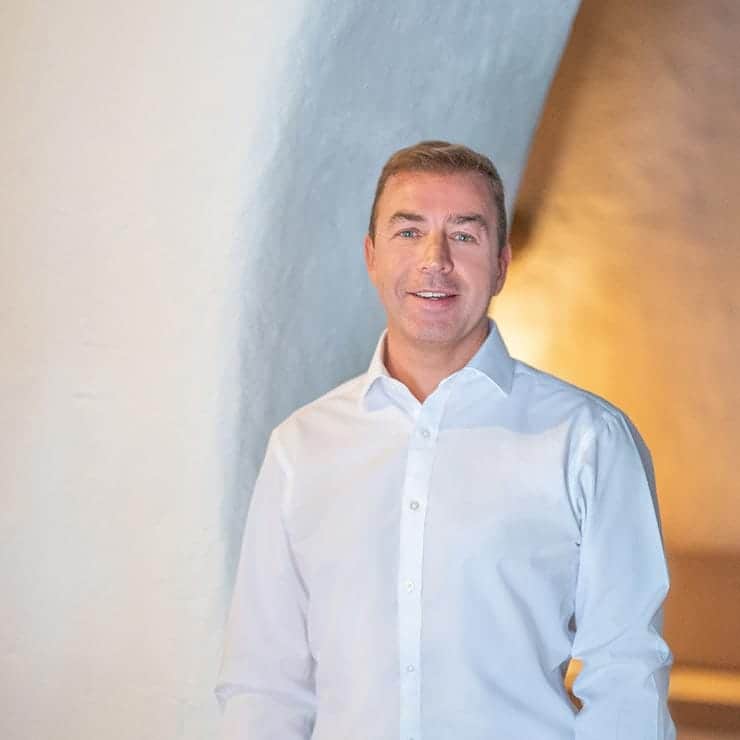
Cannabis addiction treatment is delivered by a multidisciplinary team including:
– Psychiatrists
– Clinical psychologists
– Addiction specialists
– Nurses and medical staff
– Experienced therapists
With carefully limited client numbers and a high staff-to-client ratio, we provide deeply personalised care, grounded in experience and clinical best practice.







Frequently Asked Questions
Is cannabis really addictive?
Yes. While not everyone develops dependence, regular or high-potency use can lead to cannabis use disorder.
Do I need detox for cannabis?
Cannabis withdrawal is not medically dangerous, but clinical and therapeutic support can significantly reduce discomfort and relapse risk.
Is synthetic cannabis more dangerous?
Yes. Substances such as Spice or K2 are unpredictable and associated with severe mental health risks.
Can cannabis worsen anxiety or depression?
Yes. While some people initially use cannabis to reduce anxiety or low mood, regular or high-THC use can worsen these symptoms over time. Many clients find that anxiety, low motivation, or emotional numbness improve significantly after stopping cannabis with appropriate support.
Do you treat cannabis addiction alongside mental health issues?
Yes. We frequently support clients with anxiety, depression, trauma, psychosis-related symptoms, and burnout. Co-occurring mental health conditions are assessed and treated as part of your personalised programme.
Is cannabis addiction different from other substance addictions?
Cannabis addiction is primarily psychological rather than physically dangerous, but it can still be deeply disruptive. The impact is often seen in motivation, mental health, emotional regulation, and daily functioning rather than obvious external consequences.
Can cannabis cause psychosis or paranoia?
In some individuals, particularly with high-THC products or genetic vulnerability, cannabis can trigger paranoia or psychotic symptoms. If this has occurred, professional support is especially important to reduce risk and stabilise mental health.
What if I don’t use cannabis every day?
Daily use is not required for treatment to be appropriate. If cannabis use feels compulsive, affects your mental health, or interferes with your life, residential support may still be beneficial.
What happens during the admissions process?
After an initial confidential conversation, our clinical team gathers relevant medical and psychological information to ensure we can support your specific needs. On arrival, we complete a full medical and psychiatric assessment and create your personalised treatment plan. Our admissions process is discreet, supportive, and designed to reduce stress at what can be an emotionally difficult moment.
How private is the cannabis addiction treatment programme?
Our estate is discreet and fully private, with a limited number of clients to ensure confidentiality and space.
Will I be able to contact my family?
Yes. Family contact is arranged in a way that supports recovery and emotional stability. Family therapy can also be included when appropriate. In addition, family members are welcome to join a weekly online family support group from the beginning of treatment.
How long should I stay in residential treatment for cannabis addiction?
Most clients benefit from a stay of four or more weeks, as this allows enough time for safe stabilisation, therapeutic work, and building the strategies needed for long term recovery. During your assessment, our clinical team will recommend an appropriate length of stay based on your patterns, withdrawal risks, and emotional needs.
Can I work remotely while in treatment?
We encourage clients to prioritise their recovery while at Ibiza Calm. In certain programmes, remote work may be possible.
What therapies will I receive?
Your programme is tailored, but typically includes individual therapy, group therapy, medical care, and holistic modalities.
Do you accept insurance?
We accept a number of international insurances, such as Cigma International and Bupa Global. We can also assist with documentation for clients seeking reimbursement, though coverage depends on individual policies.
What happens after I leave Ibiza Calm?
Before discharge, you will be introduced to the aftercare support group, and you will receive a detailed aftercare plan tailored to your needs. This may include ongoing therapy, psychiatric support, community-based groups, or outpatient treatment. We also coordinate with trusted professionals to ensure continuity of care once you return home.
Ask yourself…
If cannabis use is affecting your mental health, motivation, or quality of life, support is available. Contact our team in confidence to learn more about cannabis addiction treatment at Ibiza Calm or to discuss whether residential care is right for you.
Does someone I know need help?
If family doesn’t intervene, who will?
We help families get their loved ones into addiction treatment.
Do I have a problem with addiction?
Our international team of professionals uses the latest therapeutic approaches to help you regain control and begin your recovery journey.
Testimonials
What our clients say
D

2024
C

2024
R
2024
S
2024
P
2024
J
2024
J
2024
D
2024
S
2024
D
2024


You’re not alone on this journey.
The path to recovery starts with a small first step.